Improve number recognition Addition & Subtraction Worksheets for Ages 3-7
15 filtered results
-
From - To
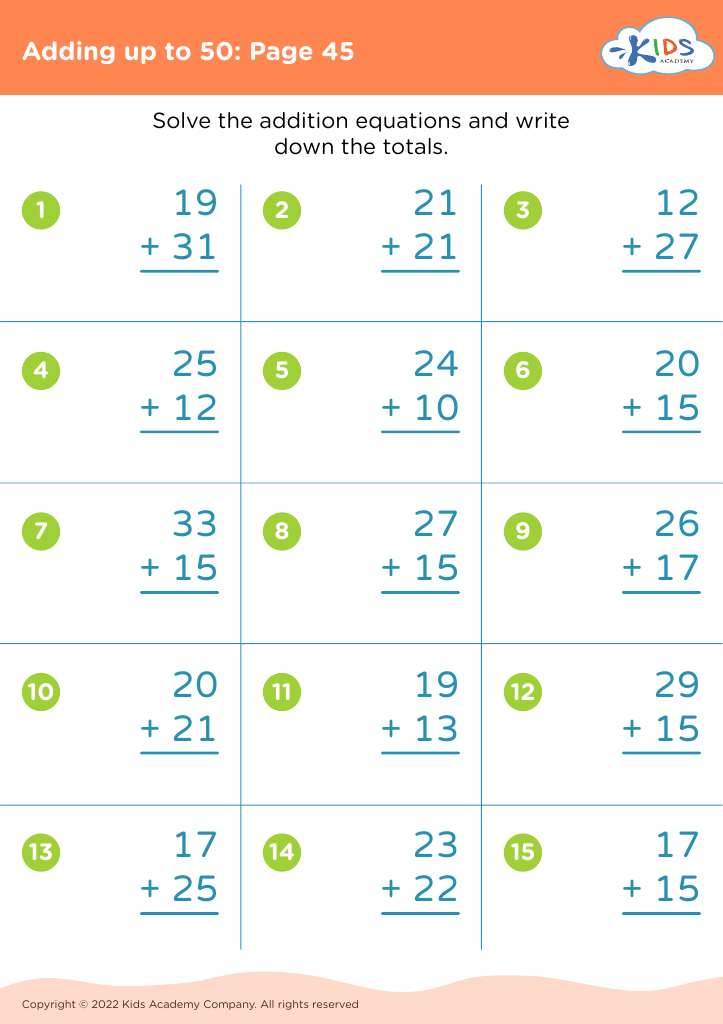
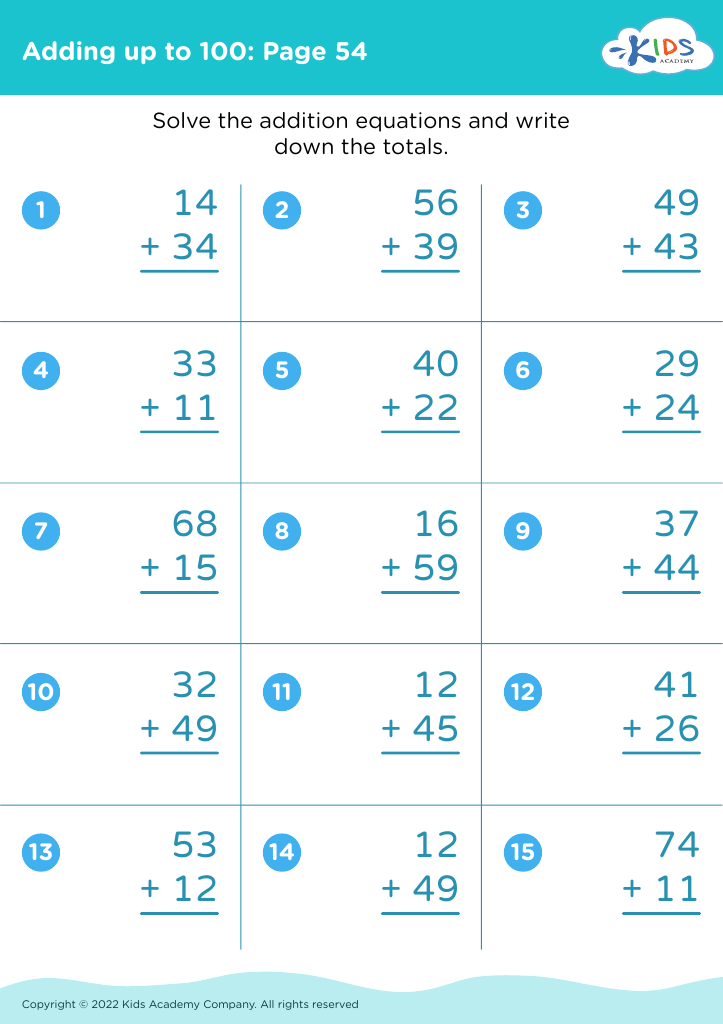
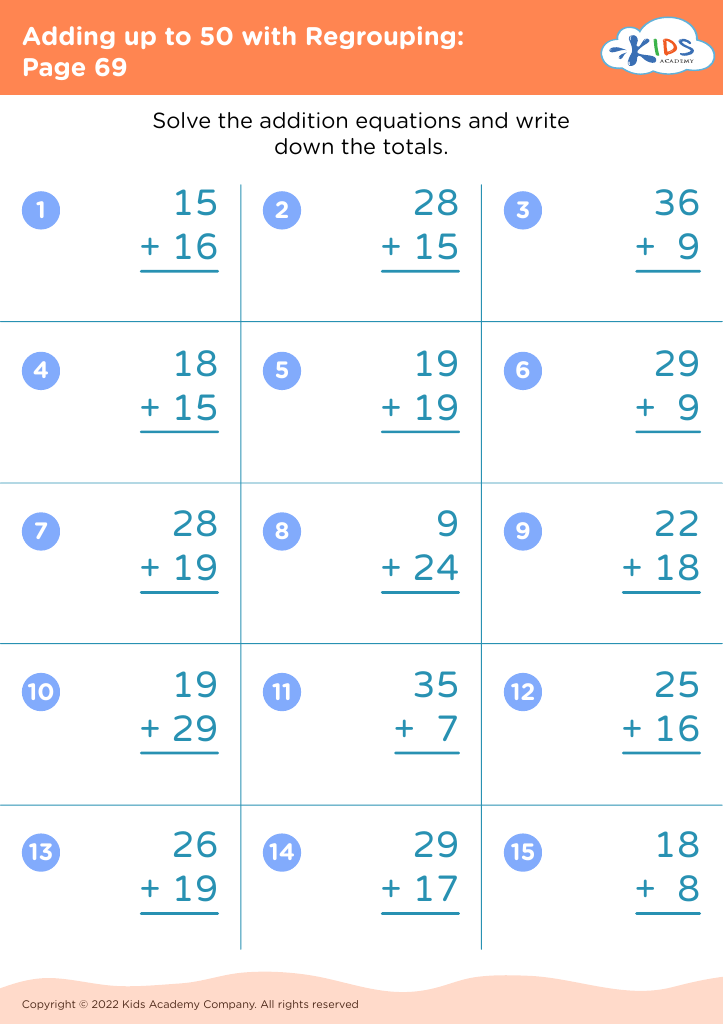
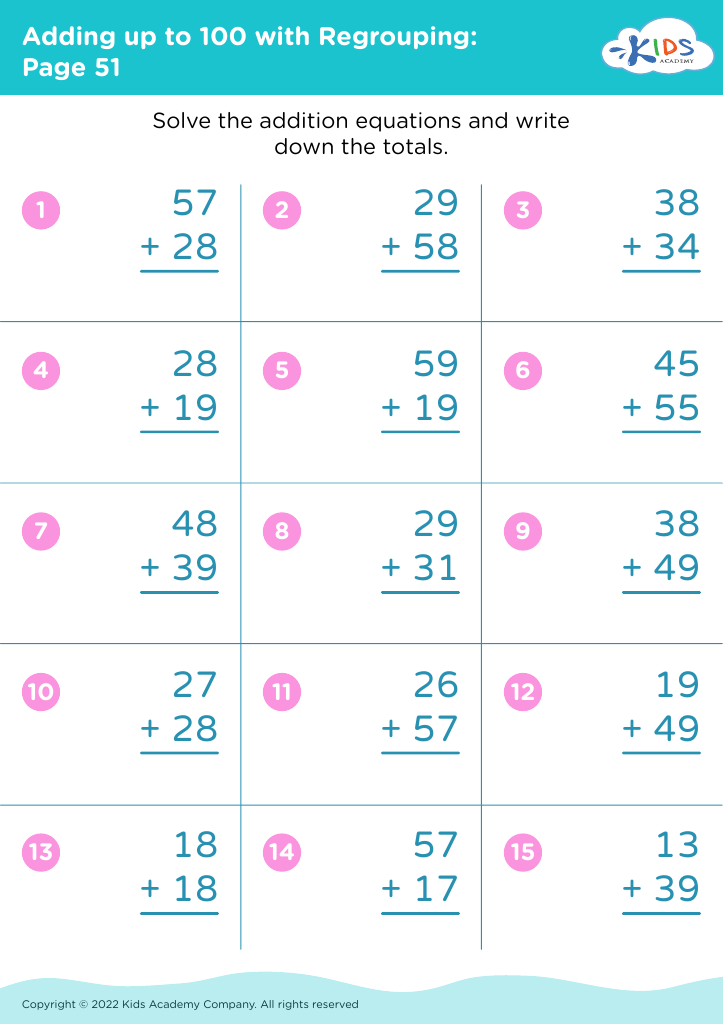
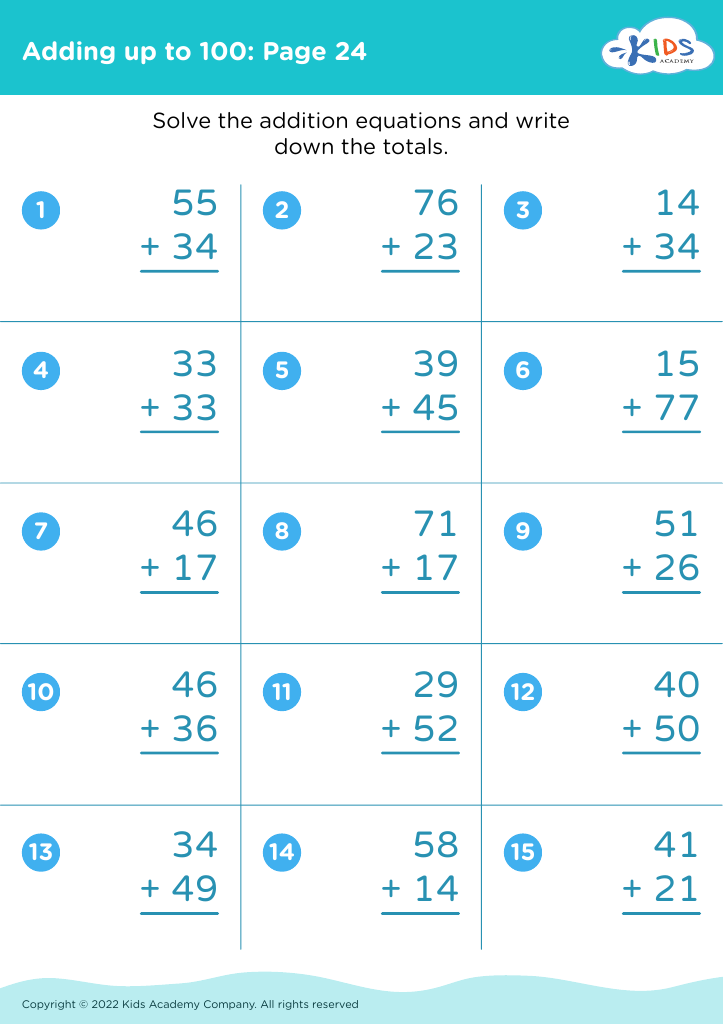
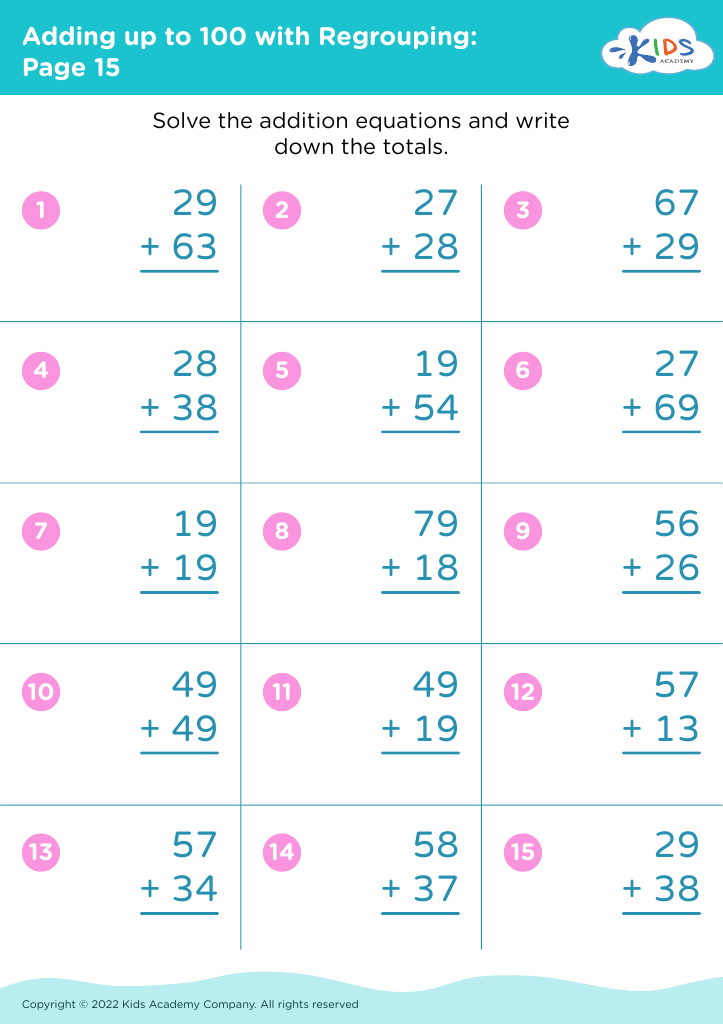
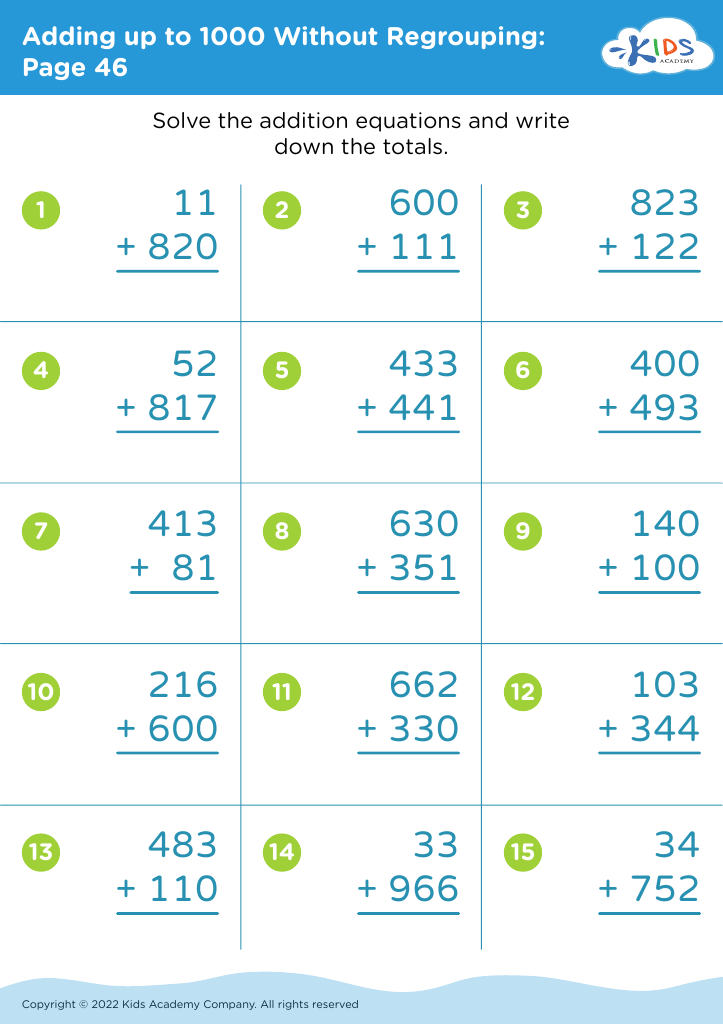
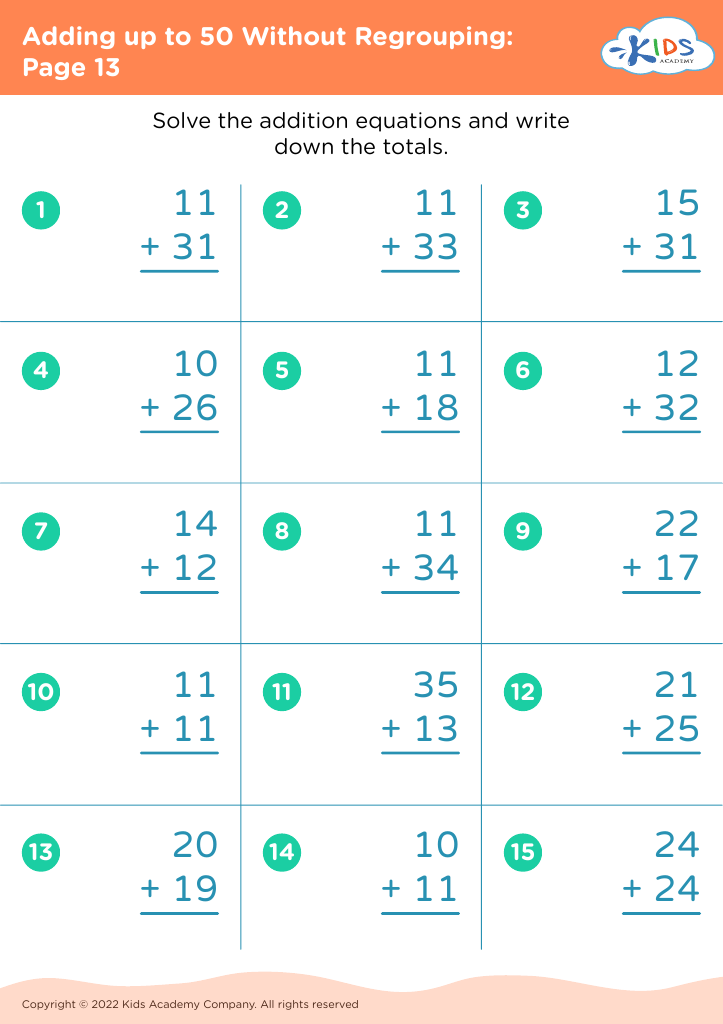
Enhance your child's math skills with our "Improve Number Recognition Addition & Subtraction Worksheets" designed for ages 3-7. Our engaging, printable worksheets help young learners improve their number recognition while mastering essential addition and subtraction concepts. Tailored to suit early learners, these activities provide a fun and interactive way for kids to develop critical math abilities. Perfect for both home and classroom settings, our worksheets ensure that foundational math principles are grasped with ease and enthusiasm. Start building a strong mathematical foundation for your child today with our expertly crafted resources!
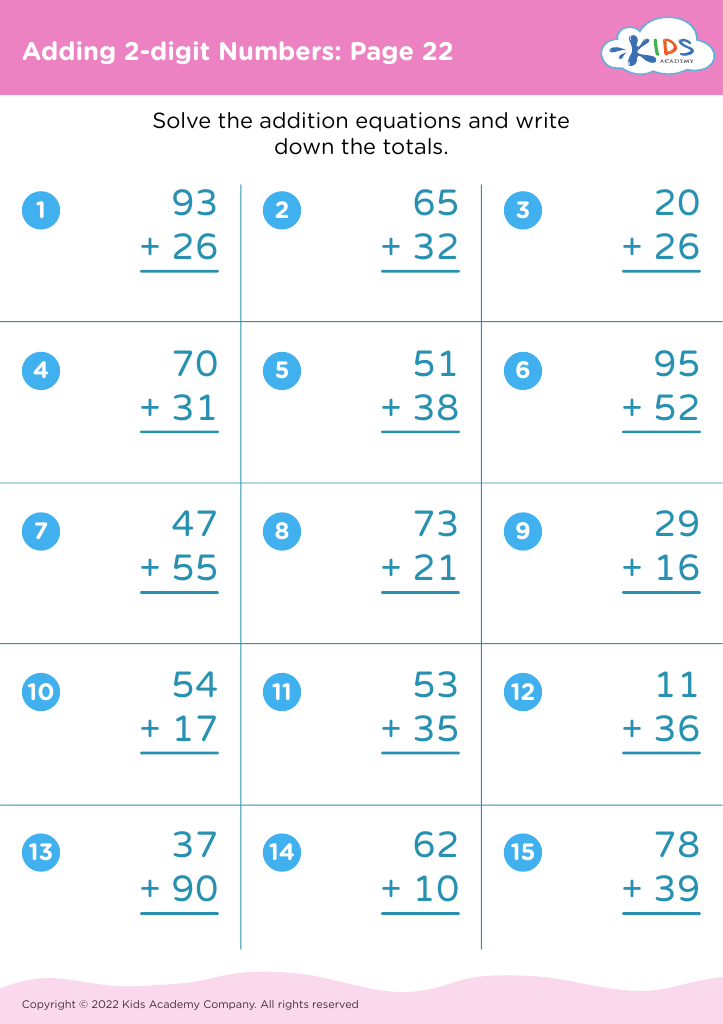
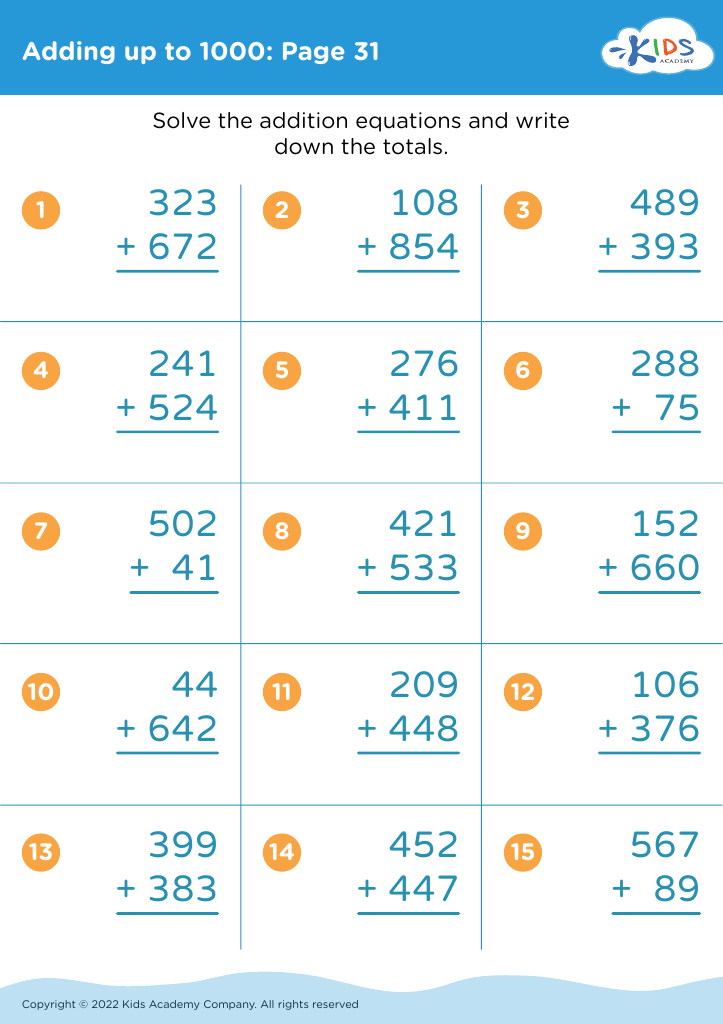
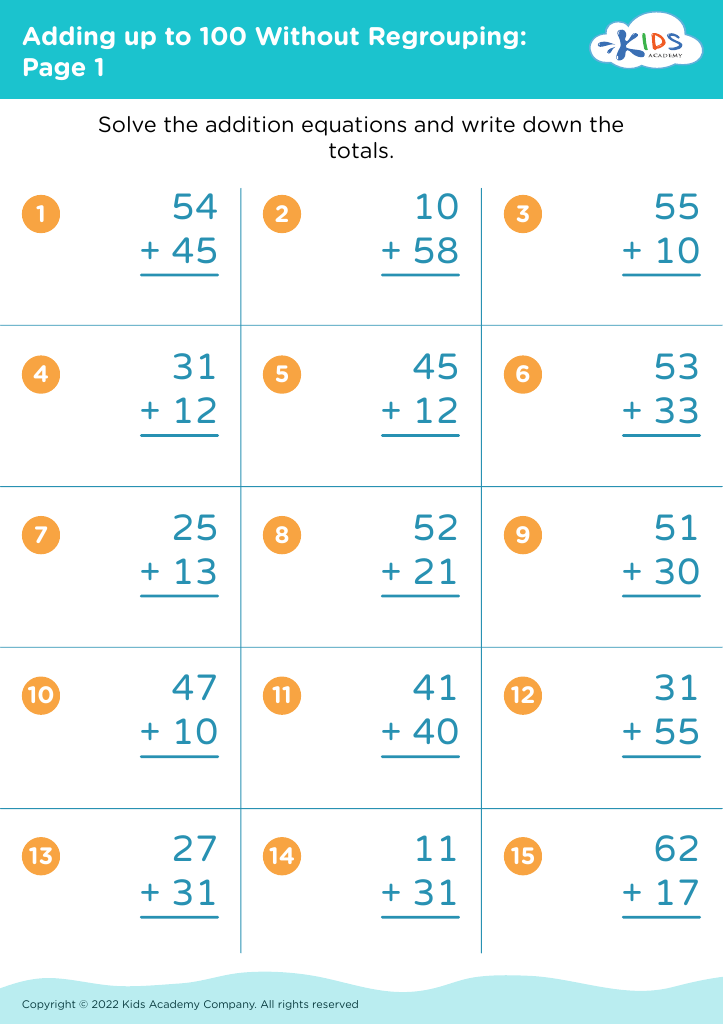
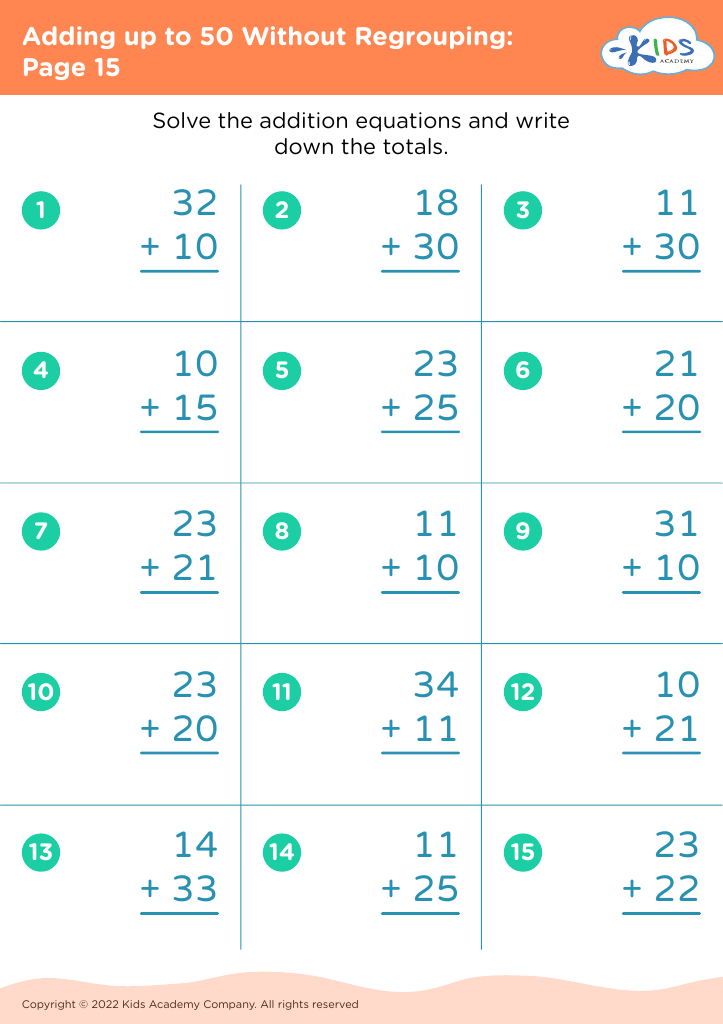
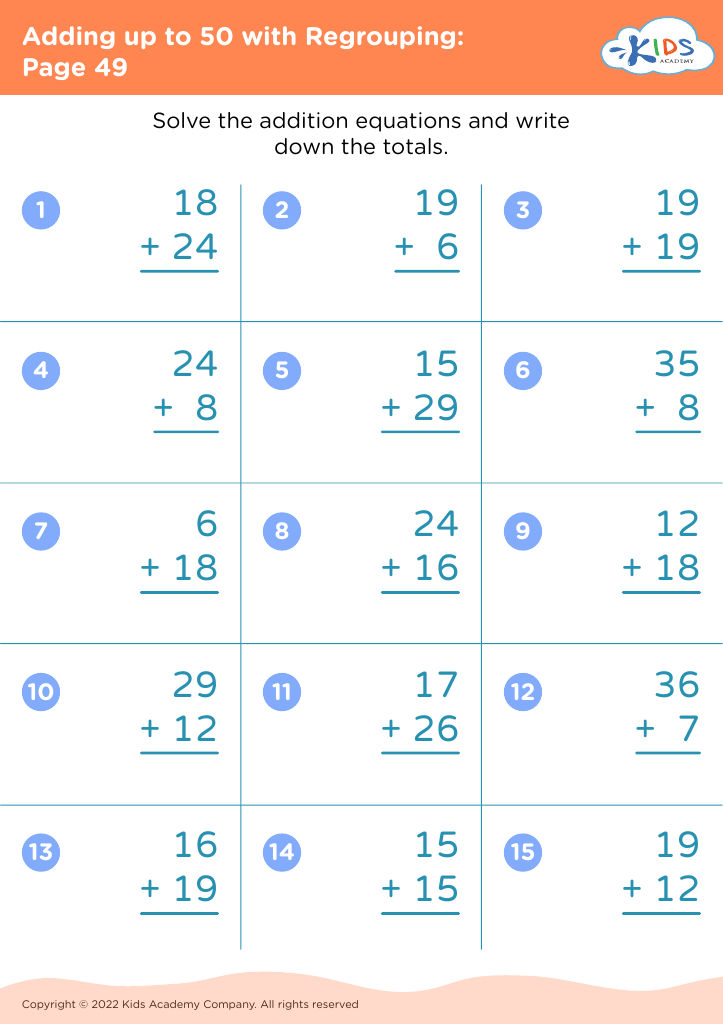
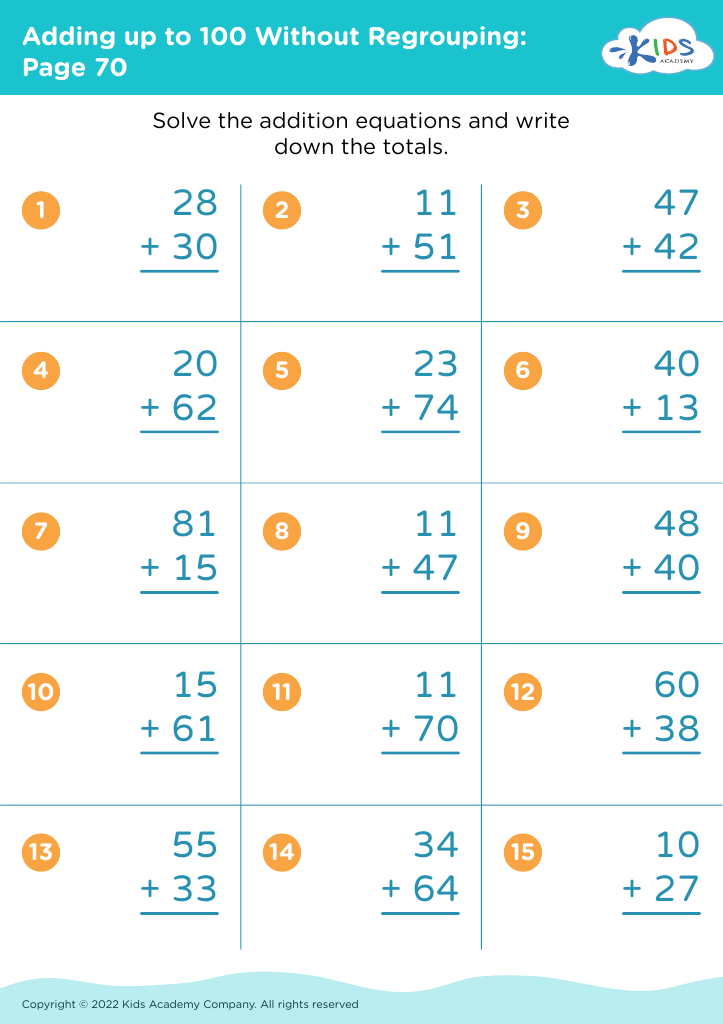
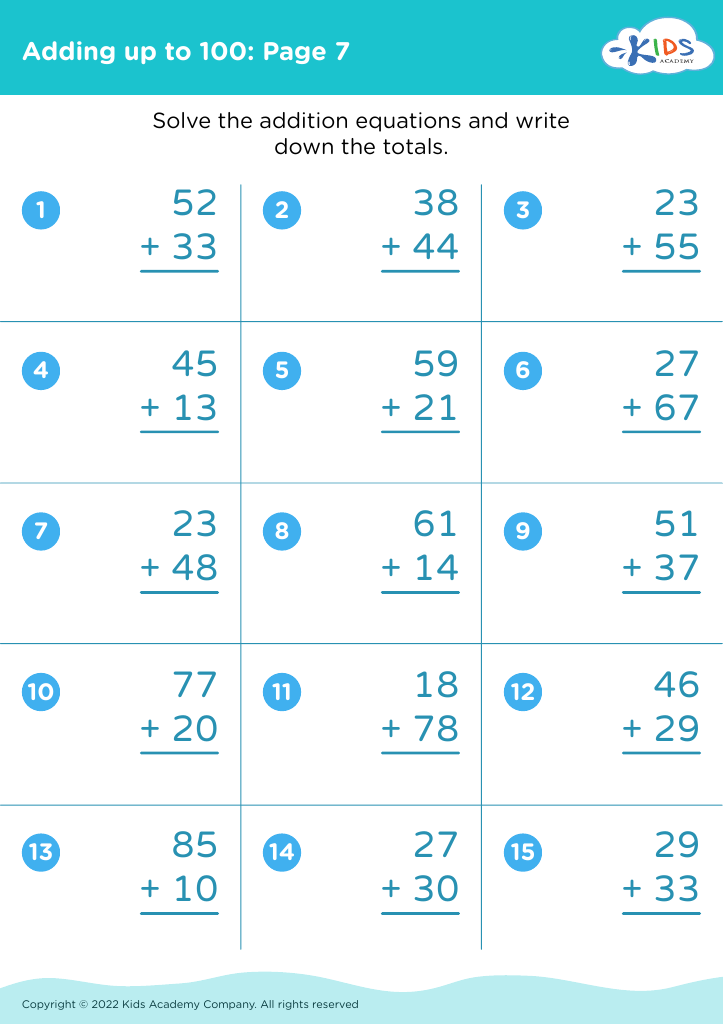








Recognizing and understanding numbers, as well as mastering the basics of addition and subtraction, are pivotal skills for children ages 3-7. At this early stage of development, these mathematical concepts form the foundation for more complex problem-solving abilities and logical thinking later on.
When children can proficiently identify numbers and perform simple operations, they build confidence in their mathematical abilities. This confidence is crucial for continuous learning and academic success, spanning from elementary school through higher education. Early math skills are closely tied to future achievement in math, science, and technology disciplines, areas that are becoming increasingly important in today's job market.
Moreover, number recognition and basic arithmetic foster cognitive development, such as memory, attention, and processing speed. These skills also enhance children's abilities to follow multi-step instructions, a useful everyday skill. Beyond academics, children encounter math in daily activities like playing games, following a recipe, or shopping. Proficiency in these basics ensures they are not only prepared for future schooling but also for navigating real-world scenarios.
For teachers and parents, thus, dedicating time and resources to improving these early math skills is an essential part of supporting the holistic development of a child—nurturing their intellectual, social, and practical life competencies. Consistent and engaging practice in a positive, supportive environment will spark curiosity and a love for learning in the child.








