Understanding instructions Addition & Subtraction Worksheets for Ages 3-7
3 filtered results
-
From - To
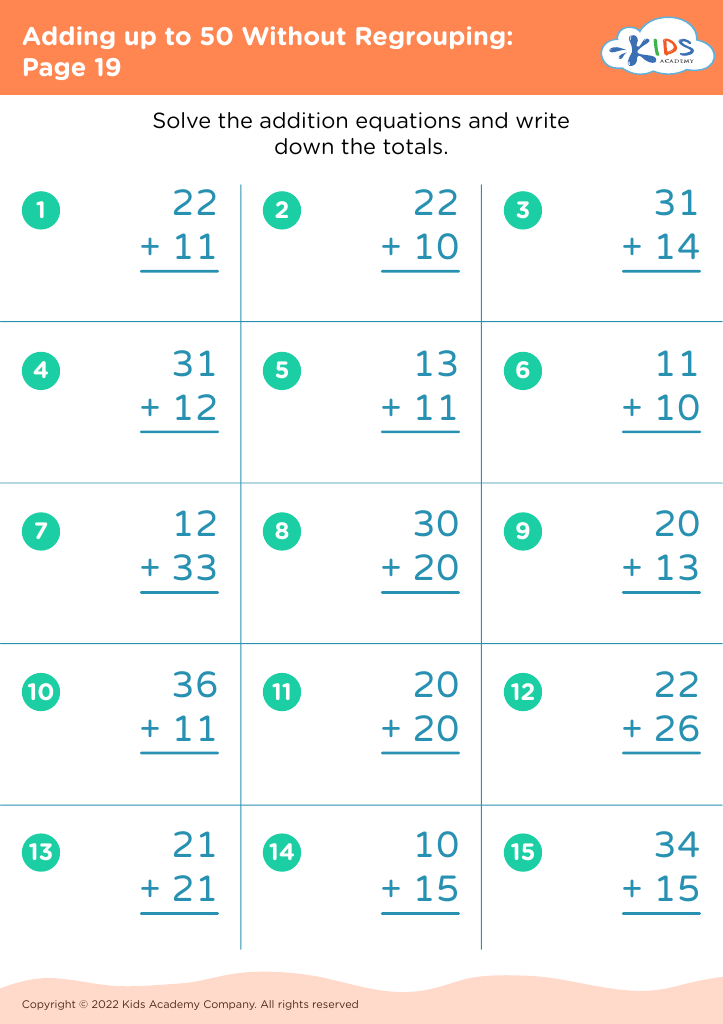
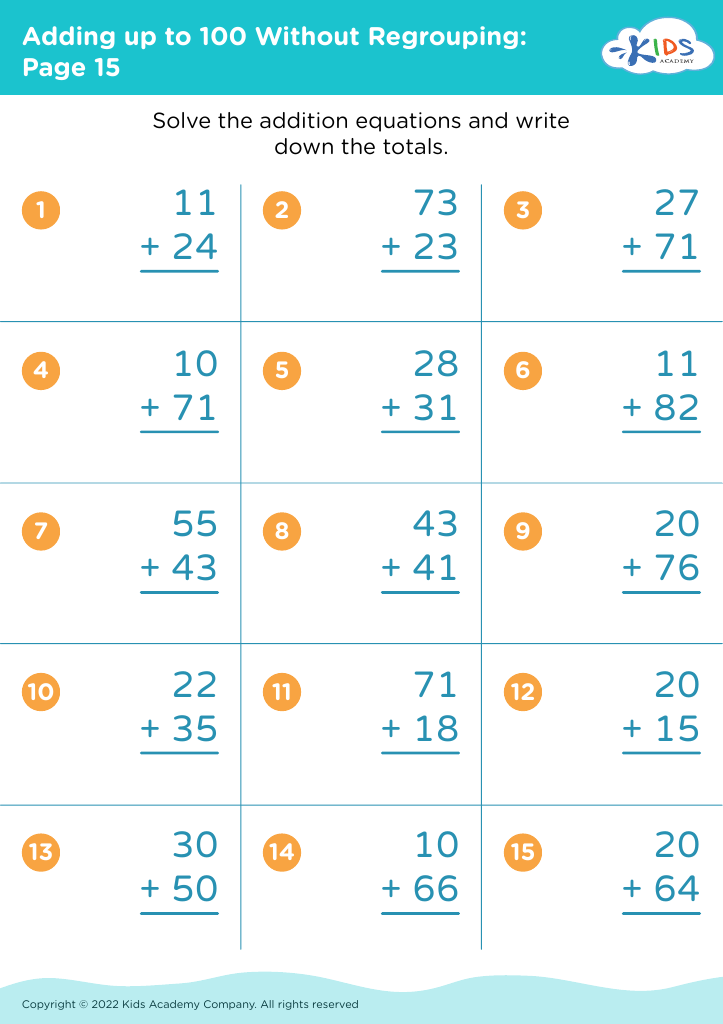
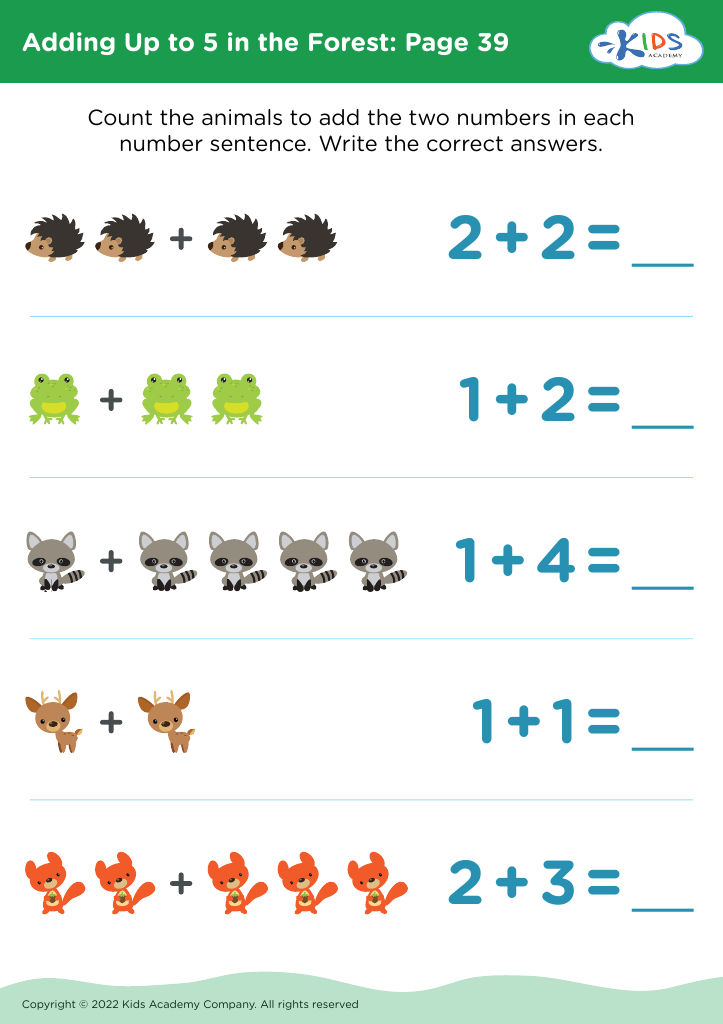
Welcome to our "Understanding Instructions Addition & Subtraction Worksheets" designed for children aged 3-7! These engaging worksheets focus on helping young learners grasp essential math concepts through simple, clear instructions. Tailored to develop foundational addition and subtraction skills, our resources encourage comprehension and following directions effectively. Every worksheet is crafted to promote logical thinking while including fun visuals and activities that captivate young minds. By introducing various instructional formats, we support diverse learning styles, empowering children to thrive in math. Explore our collection to enhance your child’s understanding of math instructions today and foster a love for learning!








Understanding instructions for addition and subtraction is crucial for children aged 3-7 as it lays the foundational skills for future mathematics learning. At this developmental stage, children begin to grasp basic numerical concepts and the relationship between numbers. When parents and teachers prioritize clear instructions for these operations, they help children develop essential problem-solving skills, logical reasoning, and critical thinking.
Moreover, mastery of addition and subtraction provides children with the confidence needed to tackle more complex math topics in later grades. Engaging children through interactive activities and constructive feedback reinforces their learning and makes math enjoyable, further encouraging curiosity and comprehension.
Additionally, a solid understanding of early math operations supports children in real-life scenarios, from sharing snacks to measuring ingredients in cooking. It fosters teamwork and social skills as they collaborate with peers in group activities and games.
By emphasizing this foundational aspect of math learning, parents and teachers not only help children succeed academically, but also instill a positive mindset about math, ensuring they approach future challenges with resilience and enthusiasm. Thus, investing time in explaining and practicing these fundamental skills shapes well-rounded, capable individuals ready to tackle the world.








