Check out this FREE Trial Lesson on Addition & Subtraction for age 3-7!

Match Objects that Fit Together

Favorites
With answer key
Interactive
  • 3-7
  • Visual Learning
  • Addition & Subtraction
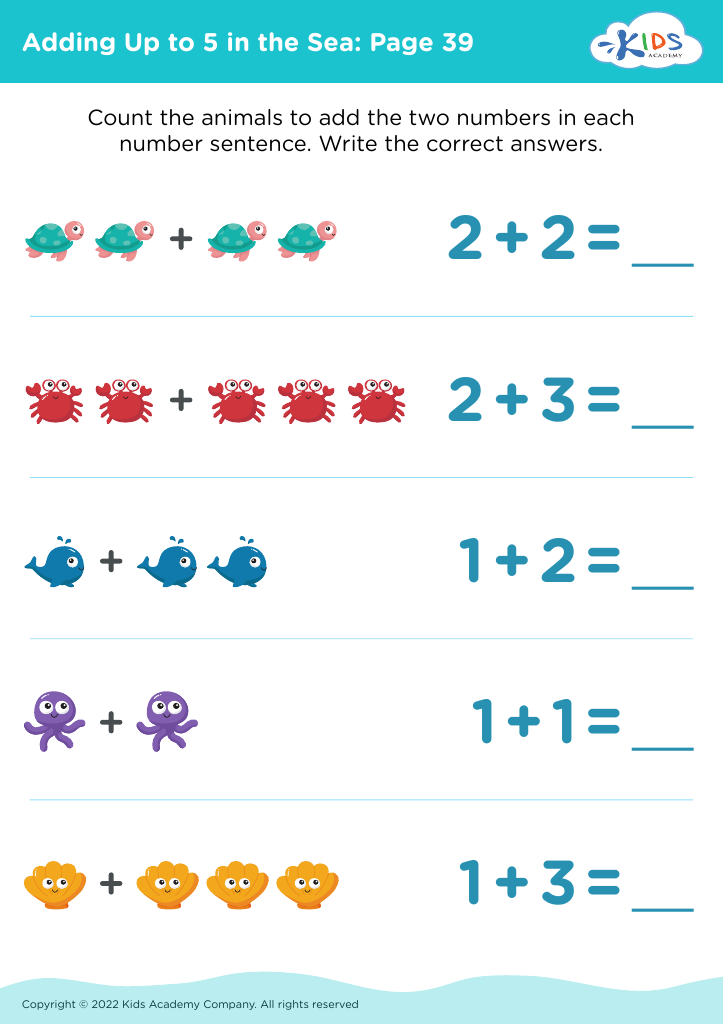
Adding Up to 5 in the Sea: Page 39
Worksheet
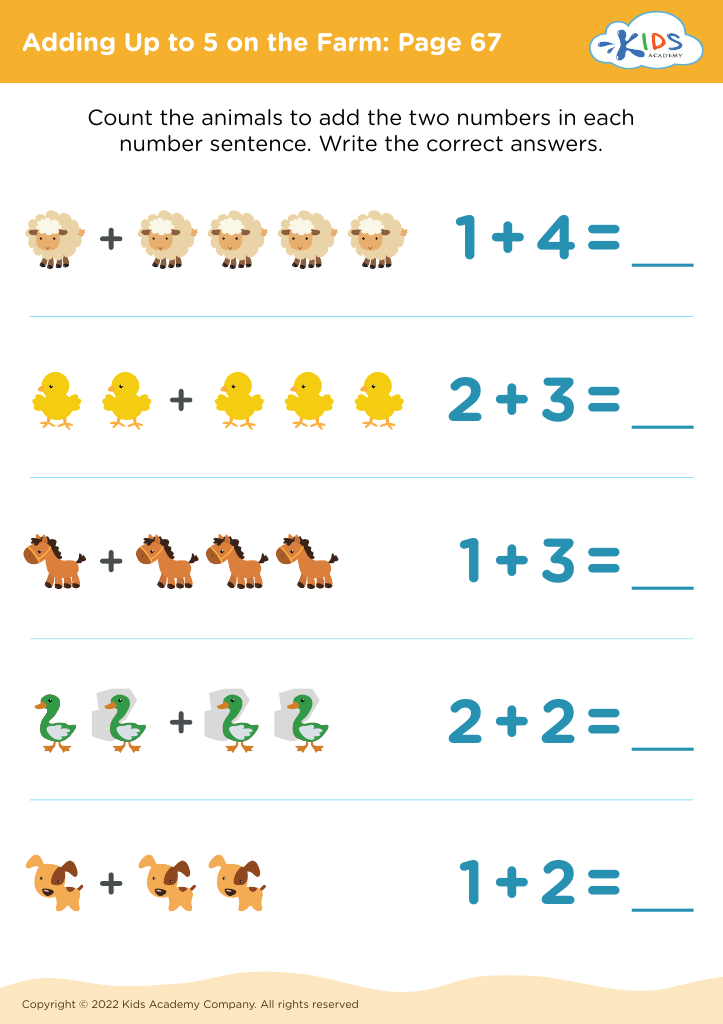
Adding Up to 5 on the Farm: Page 67
Worksheet
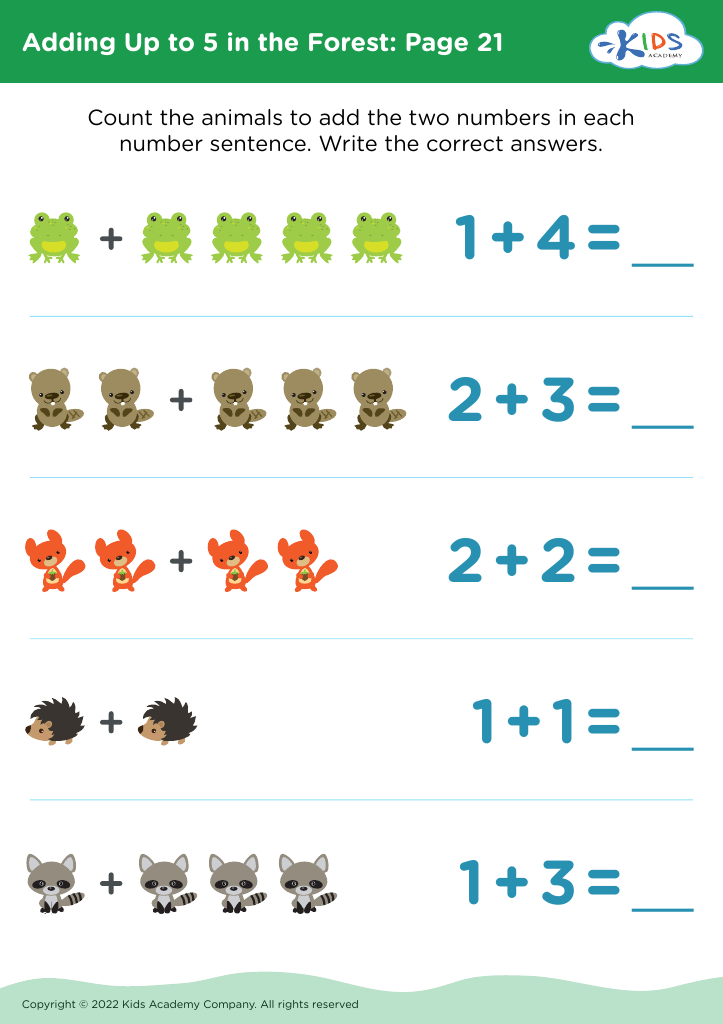
Adding Up to 5 in the Forest: Page 21
Worksheet
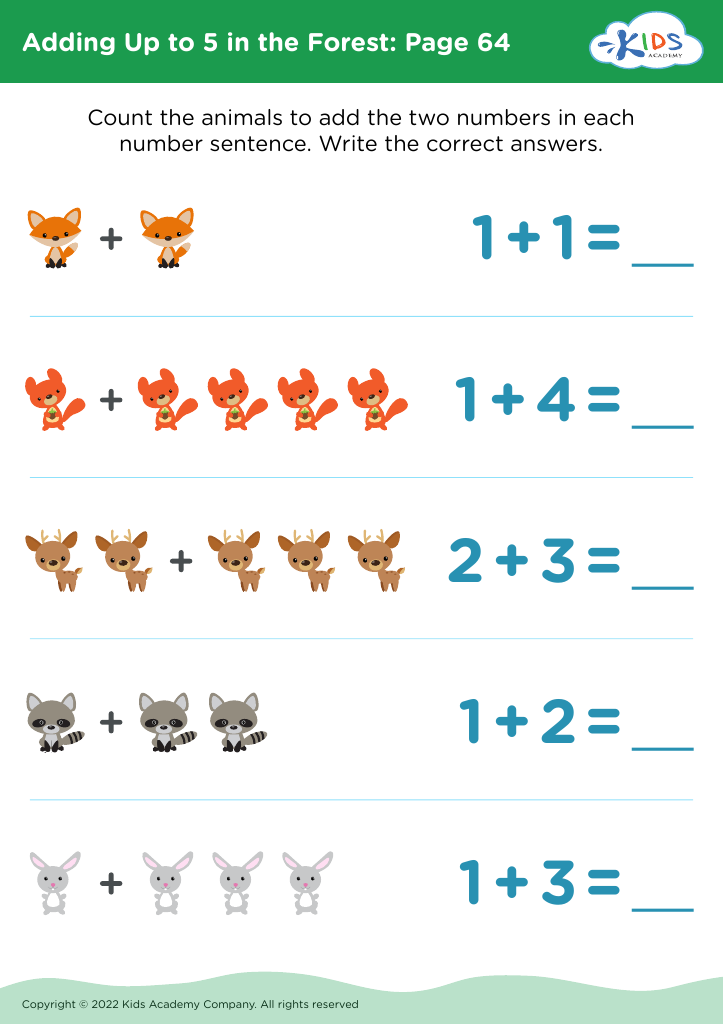
Adding Up to 5 in the Forest: Page 64
Worksheet
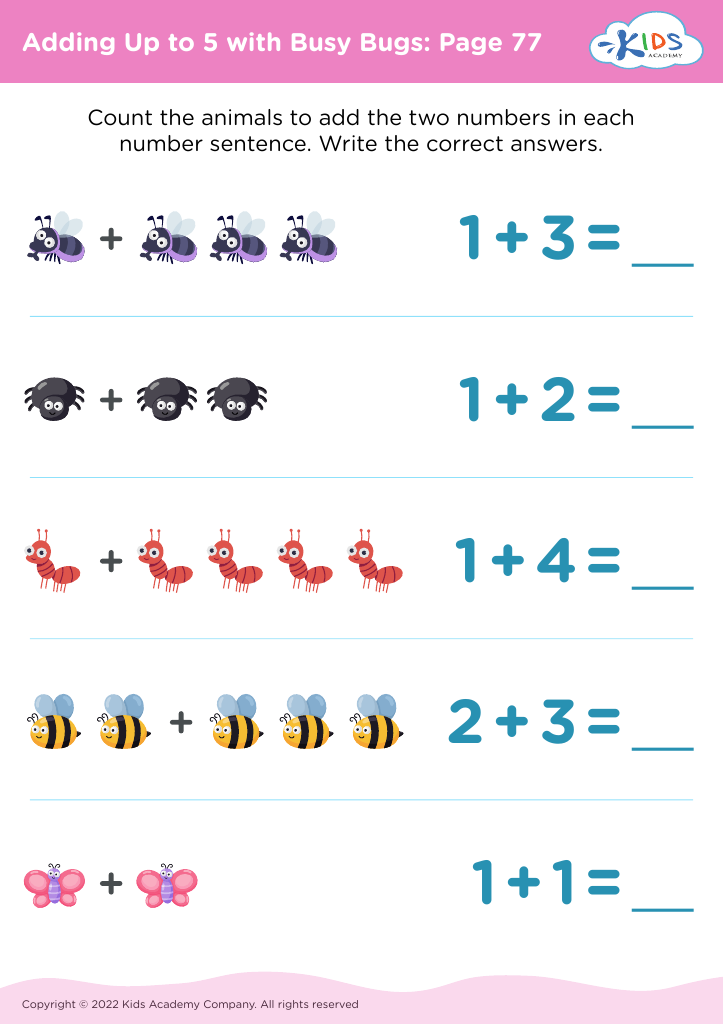
Adding Up to 5 with Busy Bugs: Page 77
Worksheet
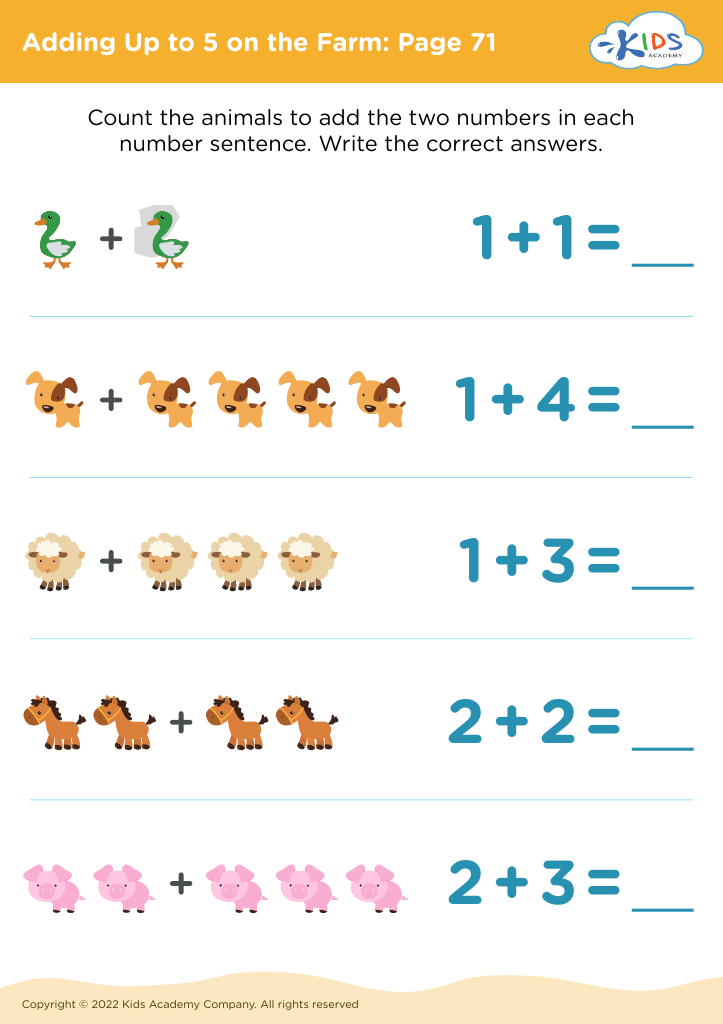
Adding Up to 5 on the Farm: Page 71
Worksheet
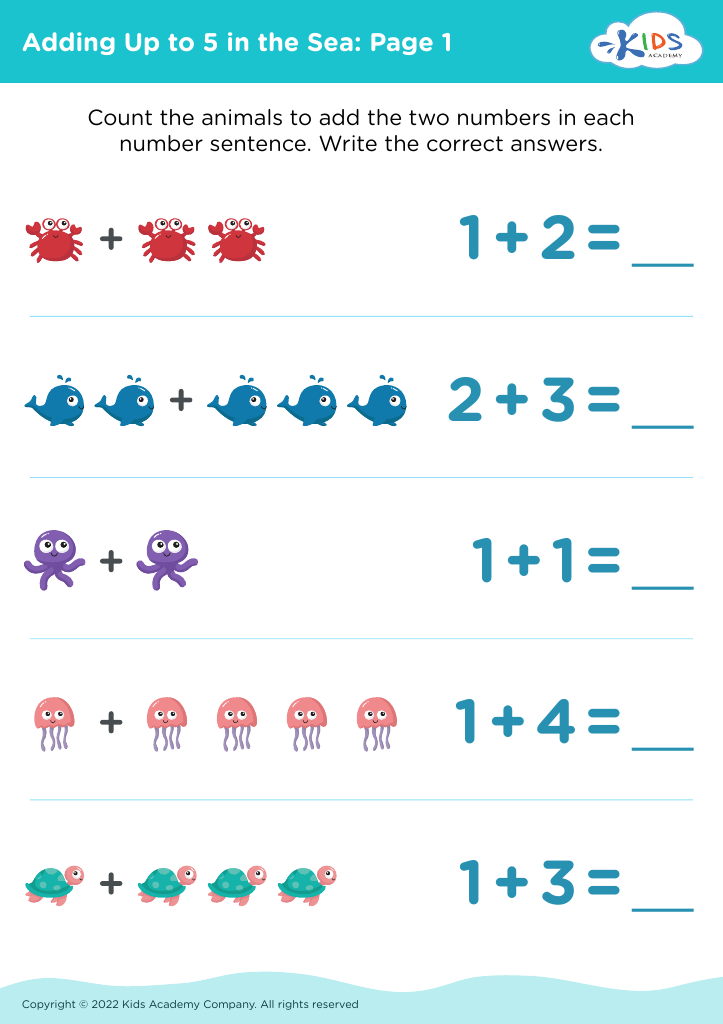
Adding Up to 5 in the Sea: Page 1

Adding Up to 5 in the Sea: Page 1

Adding Up to 5 in the Sea: Page 1
Worksheet
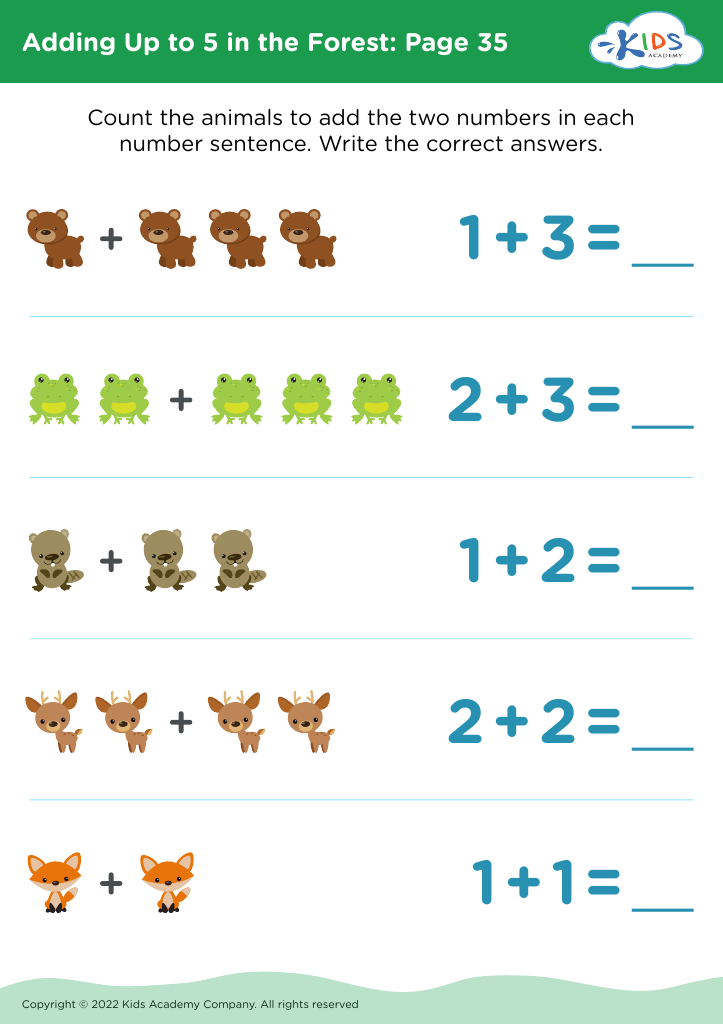
Adding Up to 5 in the Forest: Page 35
Worksheet
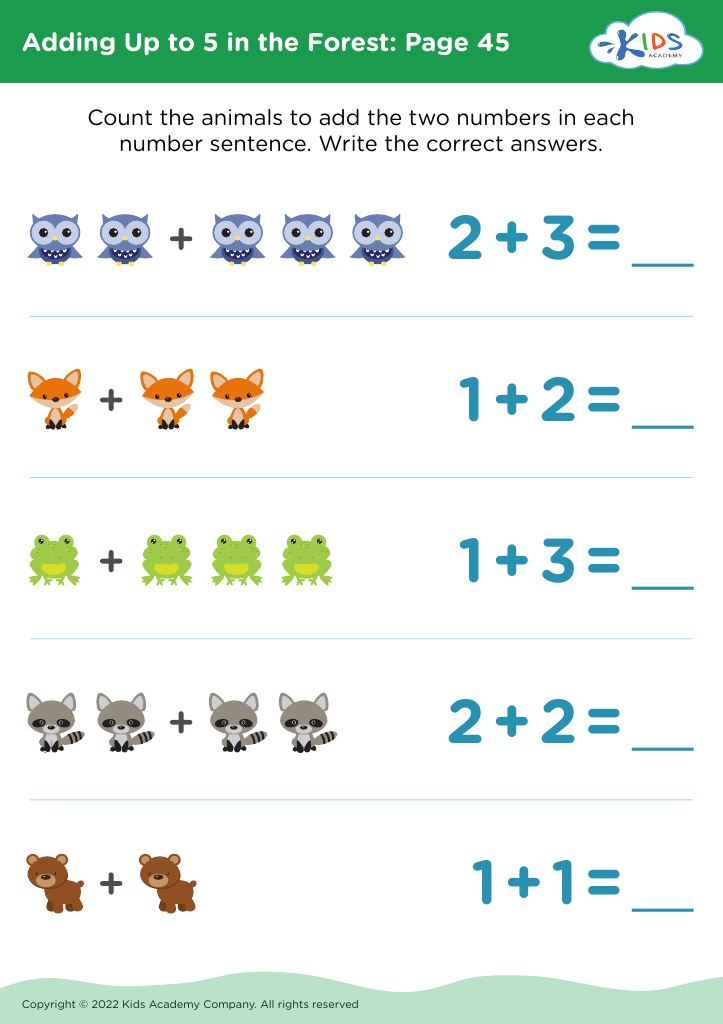
Adding Up to 5 in the Forest: Page 45
Worksheet
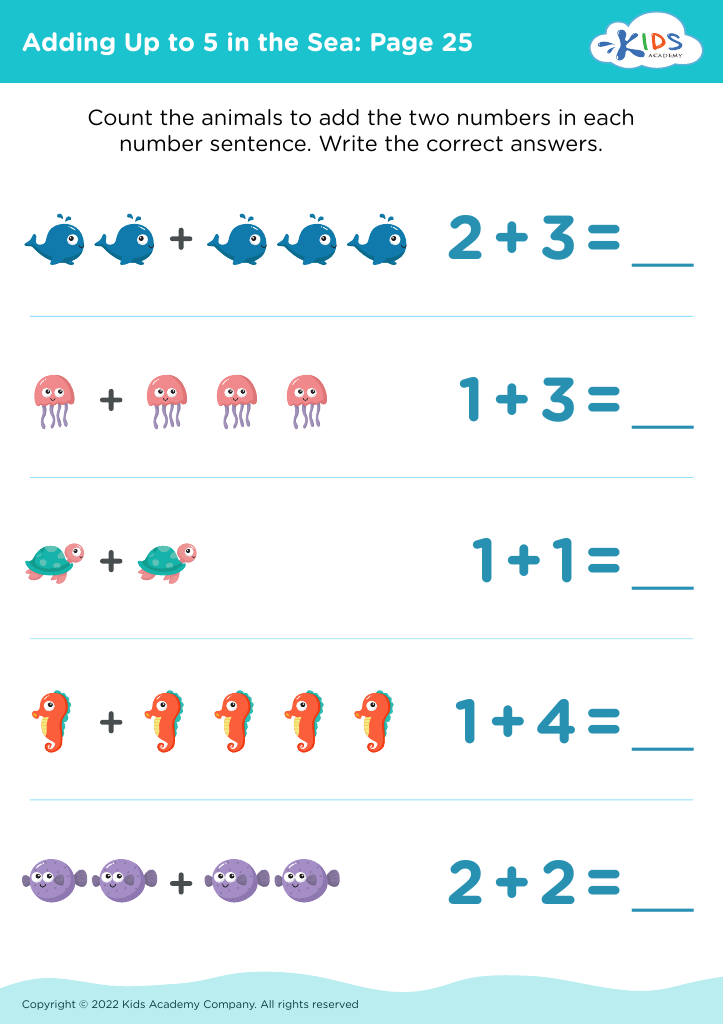
Adding Up to 5 in the Sea: Page 25
Worksheet
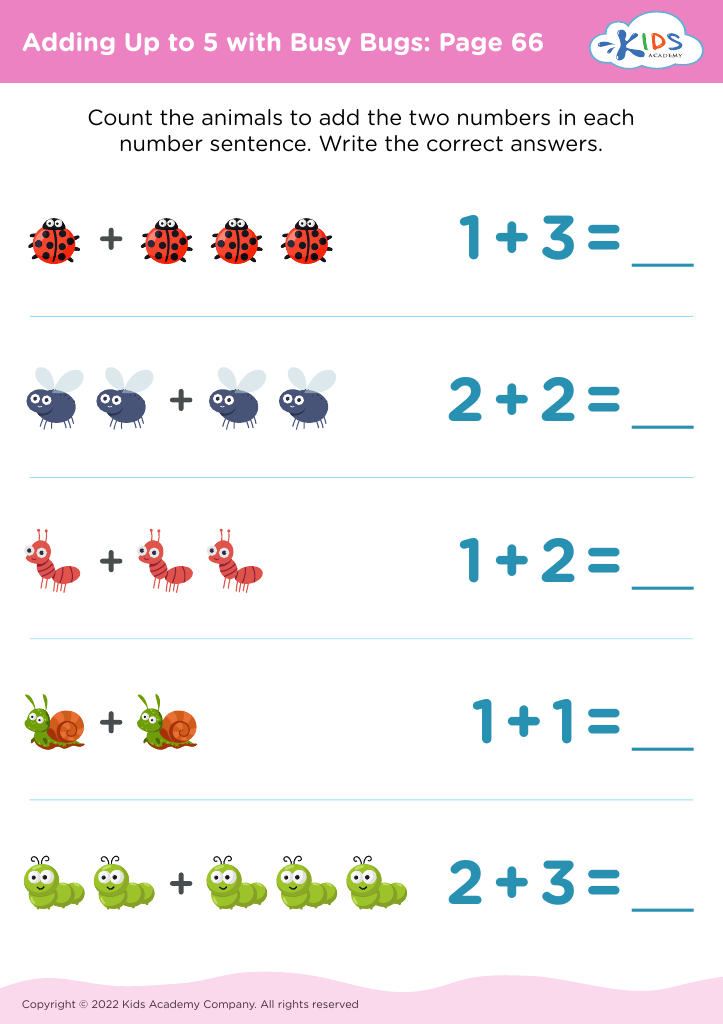
Adding Up to 5 with Busy Bugs: Page 66
Worksheet
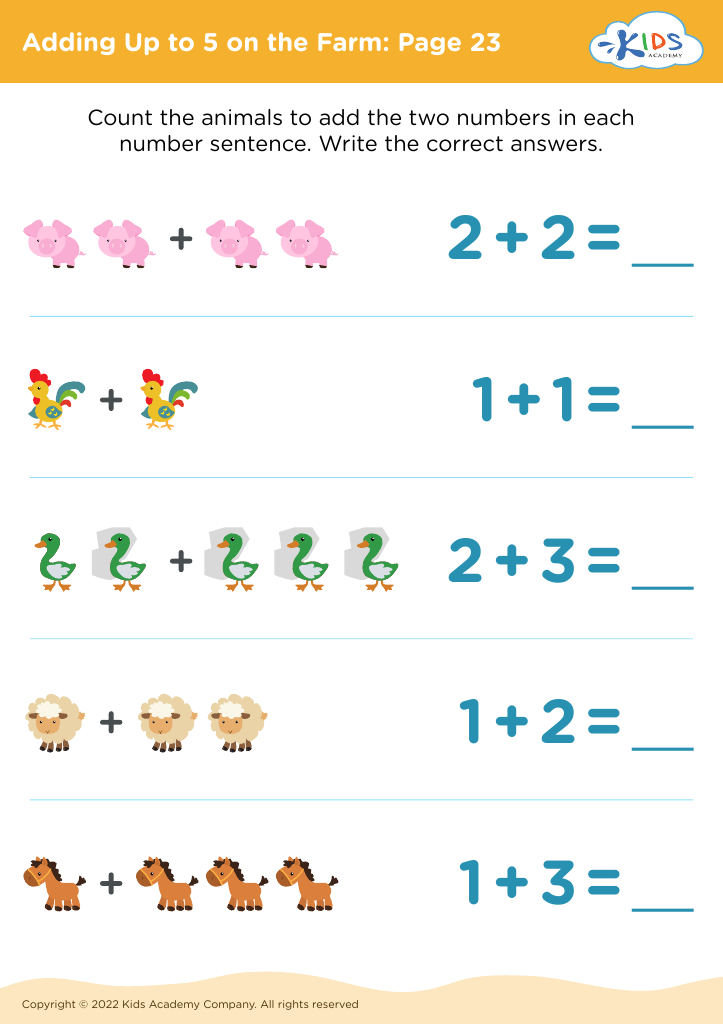
Adding Up to 5 on the Farm: Page 23
Worksheet
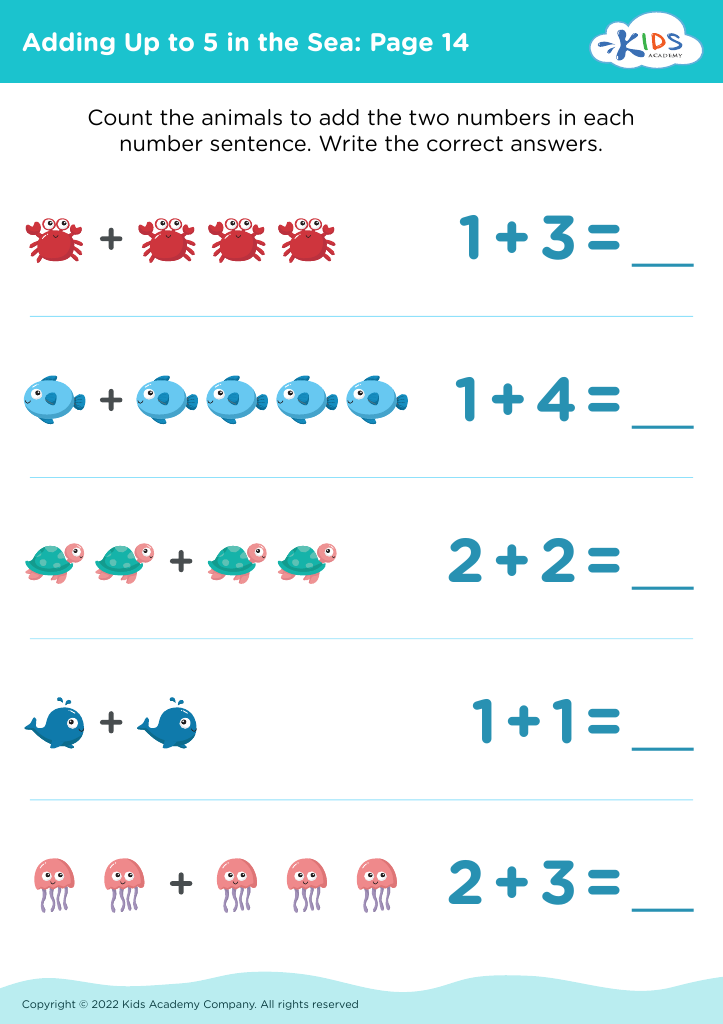
Adding Up to 5 in the Sea: Page 14
Worksheet
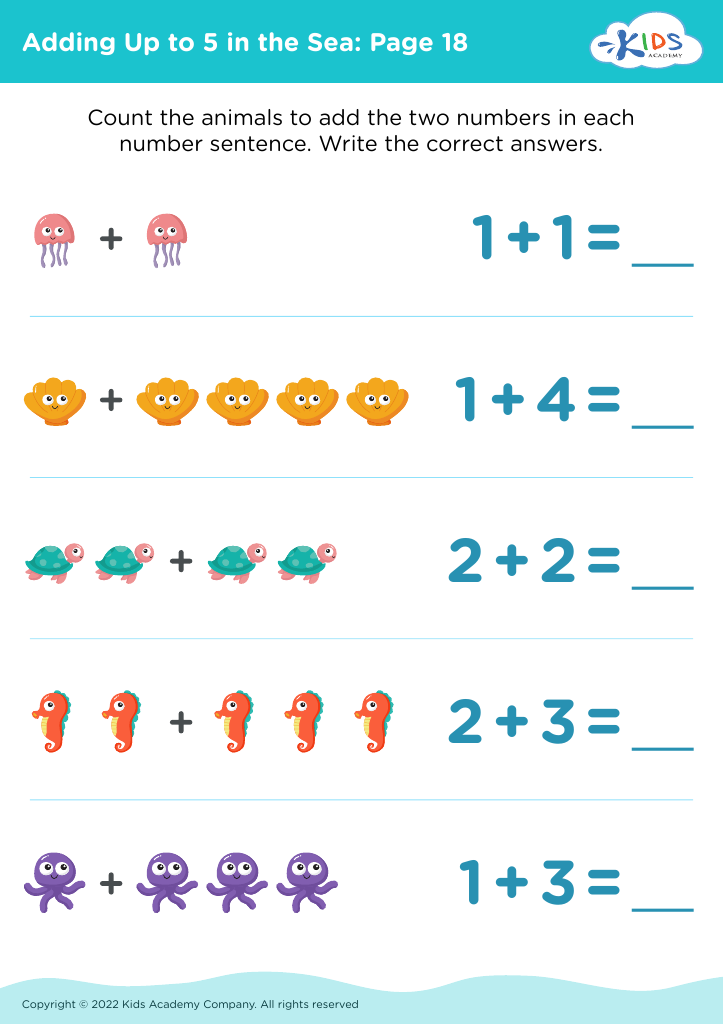
Adding Up to 5 in the Sea: Page 18
Worksheet
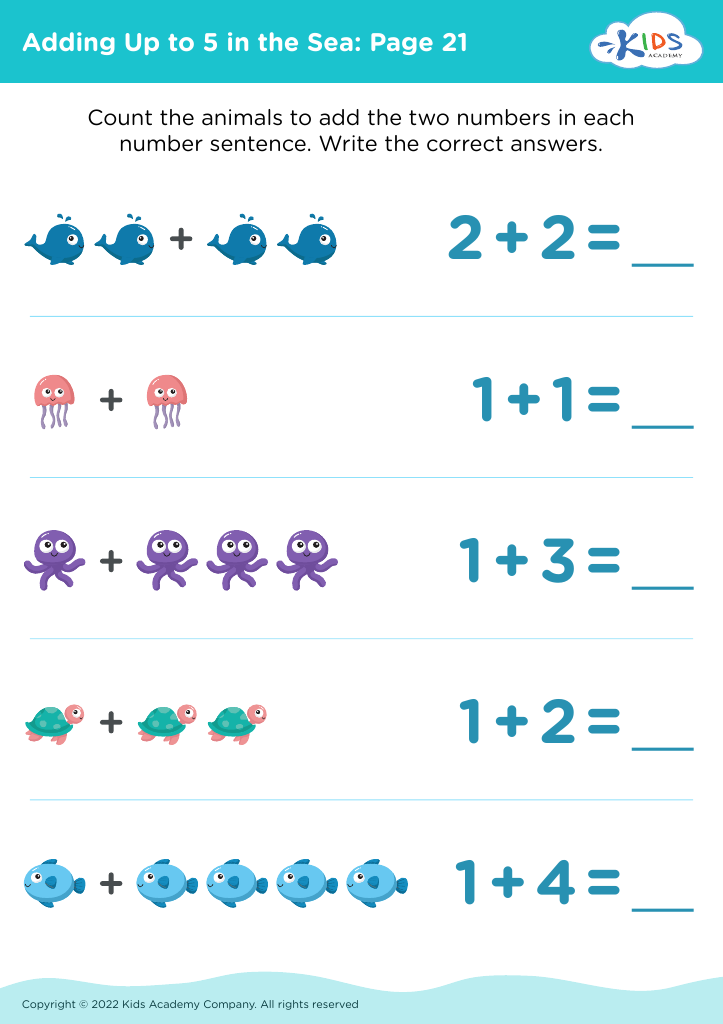
Adding Up to 5 in the Sea: Page 21
Worksheet
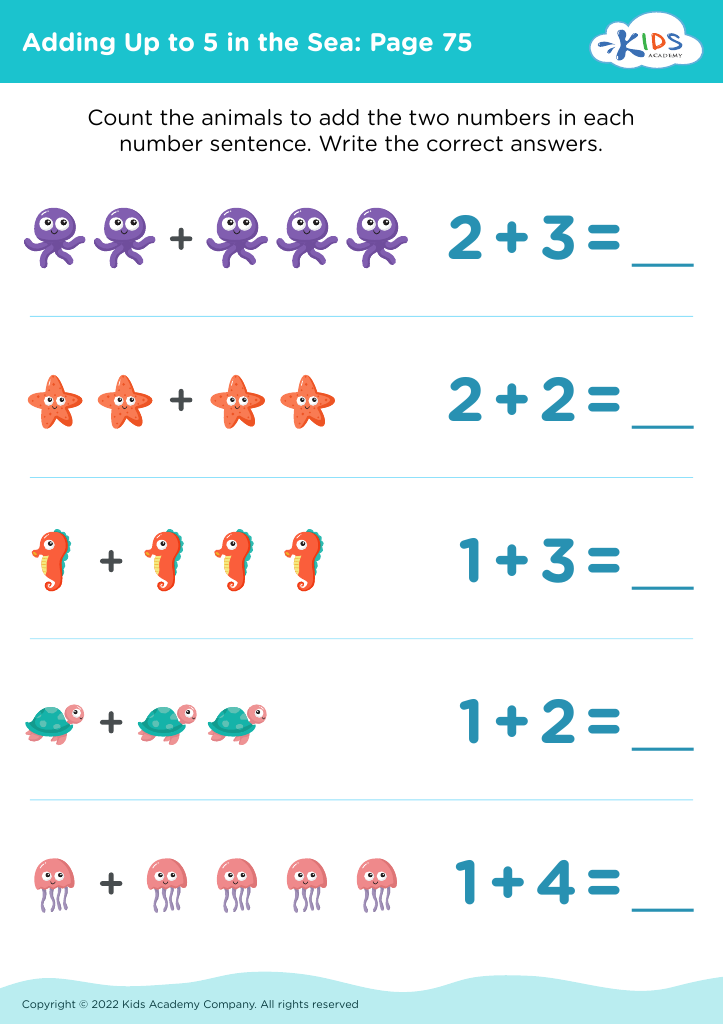
Adding Up to 5 in the Sea: Page 75
Worksheet
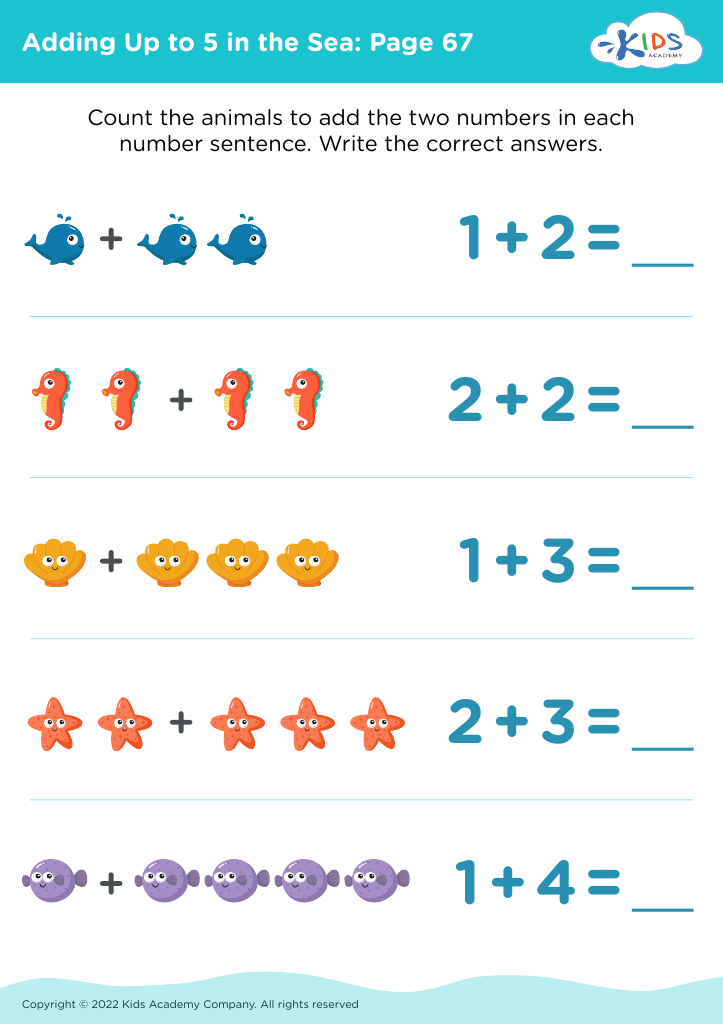
Adding Up to 5 in the Sea: Page 67
Worksheet
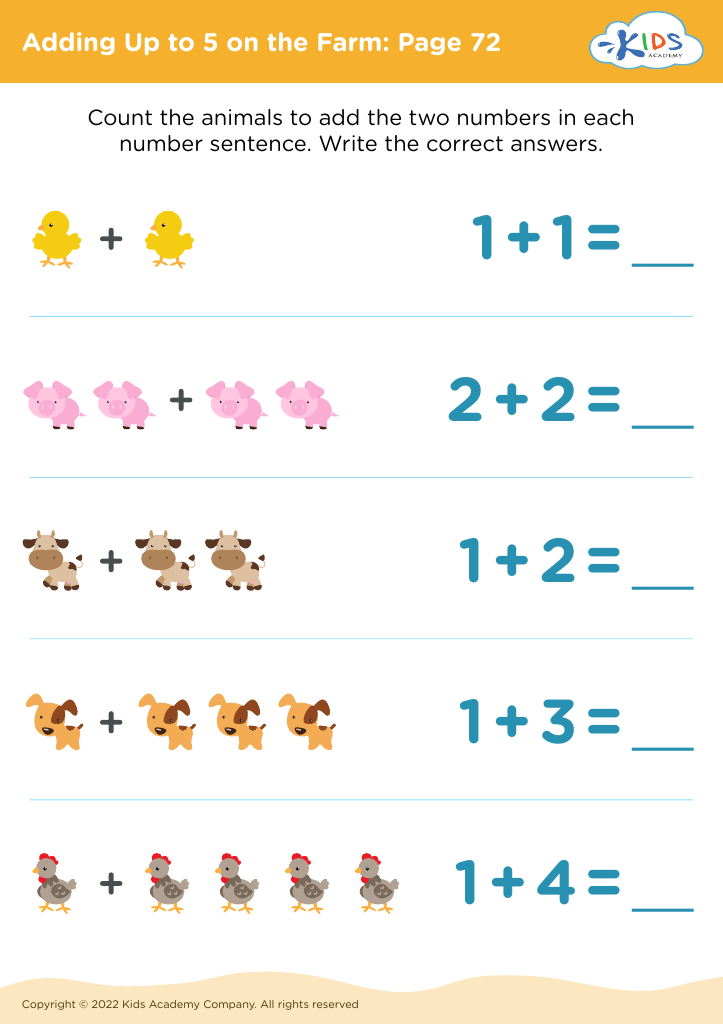
Adding Up to 5 on the Farm: Page 72
Worksheet
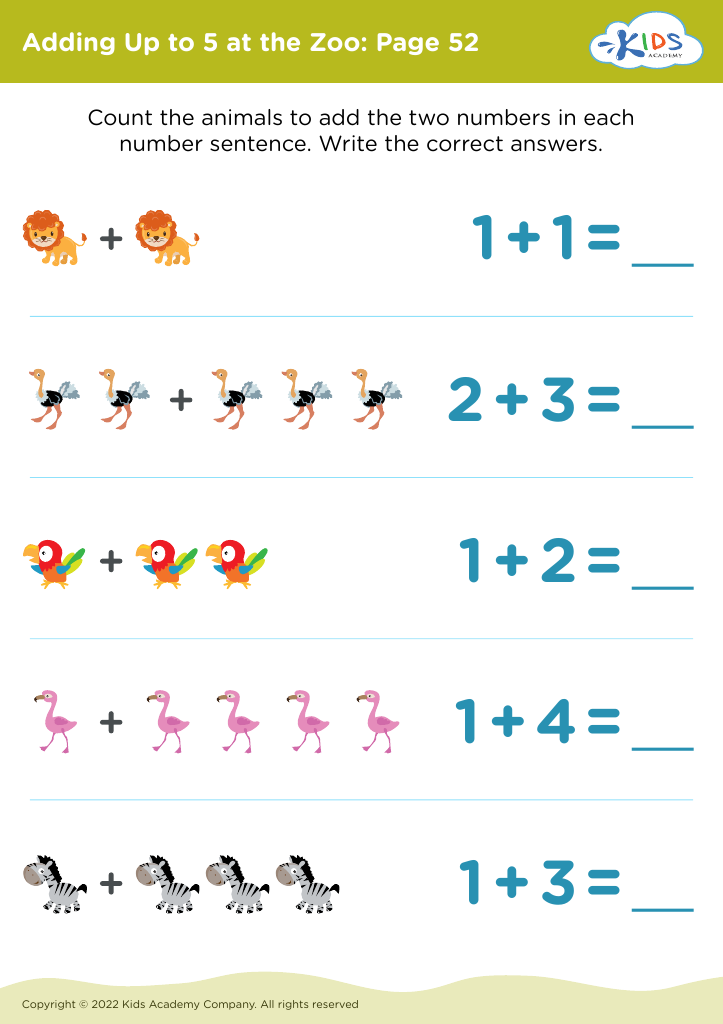
Adding Up to 5 at the Zoo: Page 52
Worksheet
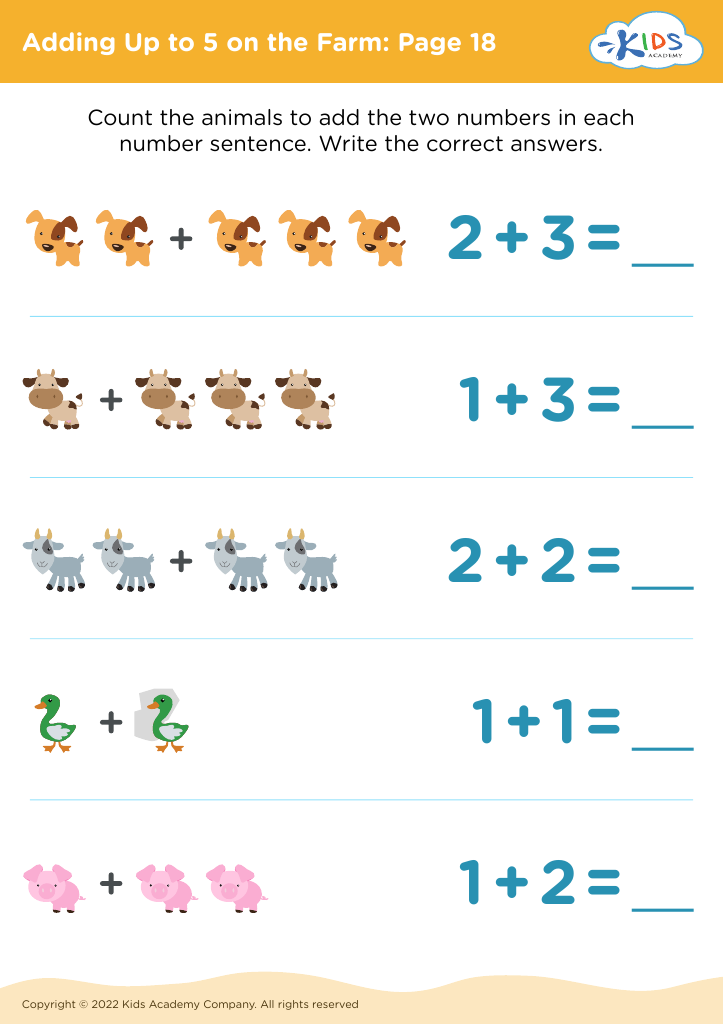
Adding Up to 5 on the Farm: Page 18
Worksheet
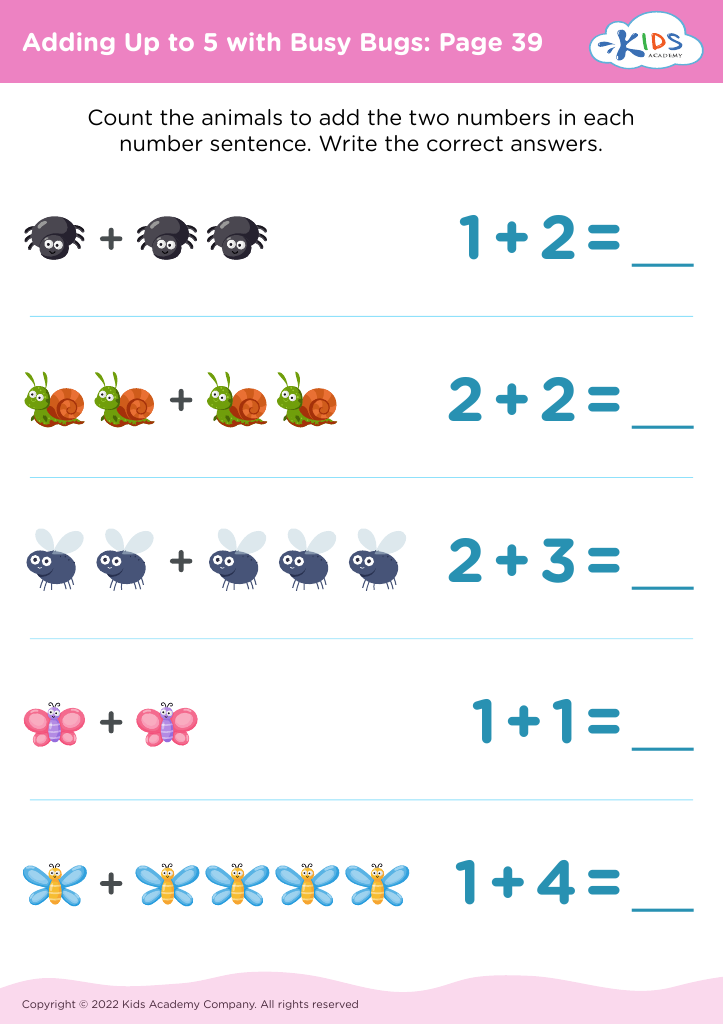
Adding Up to 5 with Busy Bugs: Page 39
Worksheet
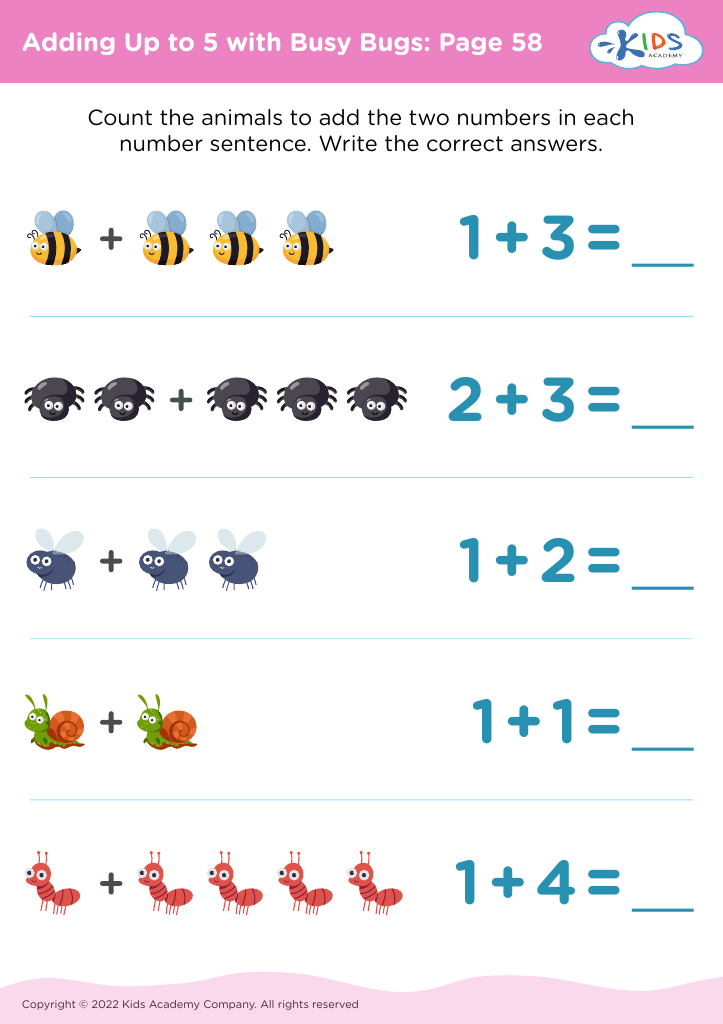
Adding Up to 5 with Busy Bugs: Page 58
Worksheet
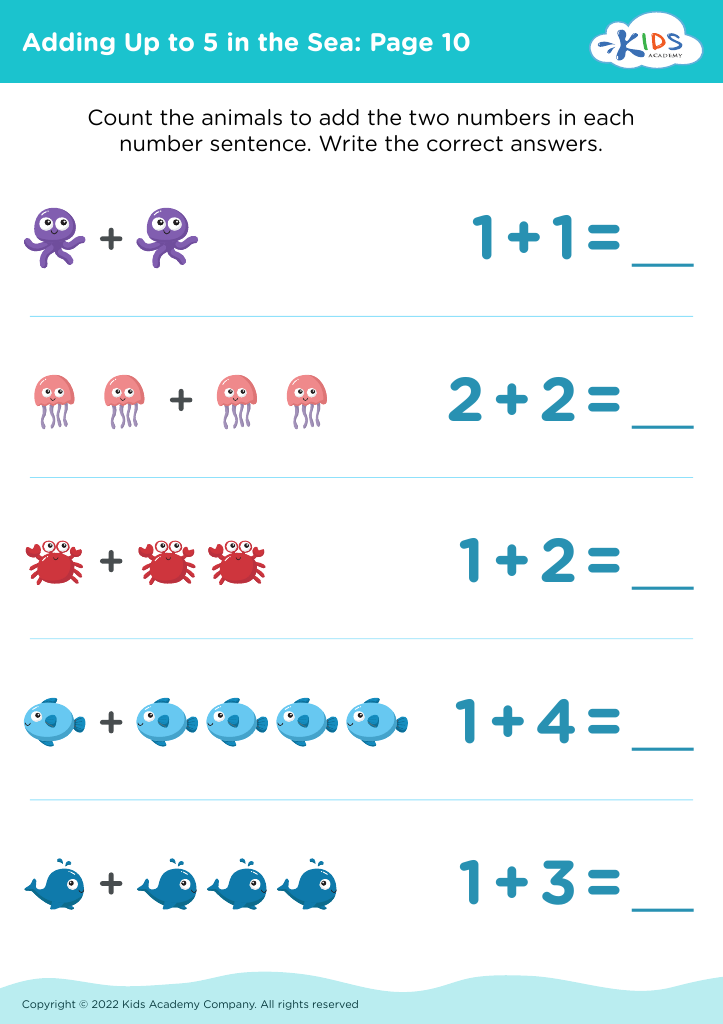
Adding Up to 5 in the Sea: Page 10
Worksheet
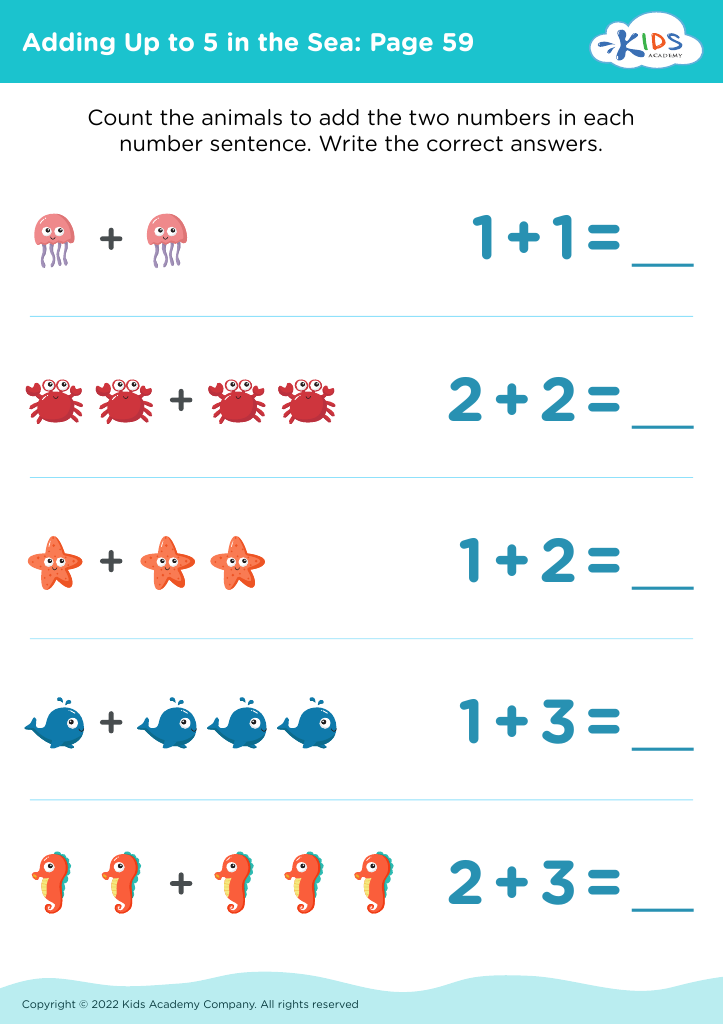
Adding Up to 5 in the Sea: Page 59
Worksheet


Visual learning in addition and subtraction is crucial for children aged 3-7 because it builds a strong foundation for mathematical understanding. At this young age, children are naturally curious and learn best through visuals and hands-on experiences. Incorporating visual aids, such as manipulatives, drawings, or number lines, helps children grasp the abstract concepts of addition and subtraction more easily.

Parents and teachers should care about this approach because it engages different learning styles, catering to visual and kinesthetic learners who thrive when they can see and touch objects. Visual learning not only demystifies math for young children but also fosters critical thinking and problem-solving skills. It encourages them to use reasoning skills rather than rote memorization, promoting deeper comprehension.

Moreover, understanding basic math concepts early on sets the stage for future academic success. By equipping kids with desirable tools, like visual strategies, we nurture a positive attitude towards mathematics, paving the way for lifelong learning and confidence. Ultimately, fostering an environment of understanding and enjoyment around math positively influences a child’s future education and engagement with the subject. Thus, prioritizing visual learning in elementary education is essential for nurturing well-rounded, competent learners.