Vocabulary enhancement Addition & Subtraction Worksheets for Ages 3-7
14 filtered results
-
From - To
Boost your child’s vocabulary while mastering addition and subtraction with our engaging worksheets designed for ages 3-7! Our Vocabulary Enhancement Addition & Subtraction Worksheets combine essential math skills with fun, age-appropriate activities that spark curiosity and learning. Each worksheet is packed with colorful illustrations and interactive phrases, helping children understand math concepts in context. As they solve problems, kids will also learn new words, improving their language skills alongside their math fluency. Perfect for classroom use or at-home practice, these worksheets create an enjoyable learning experience that fosters both confidence and competence in young learners. Start your child’s educational journey today!
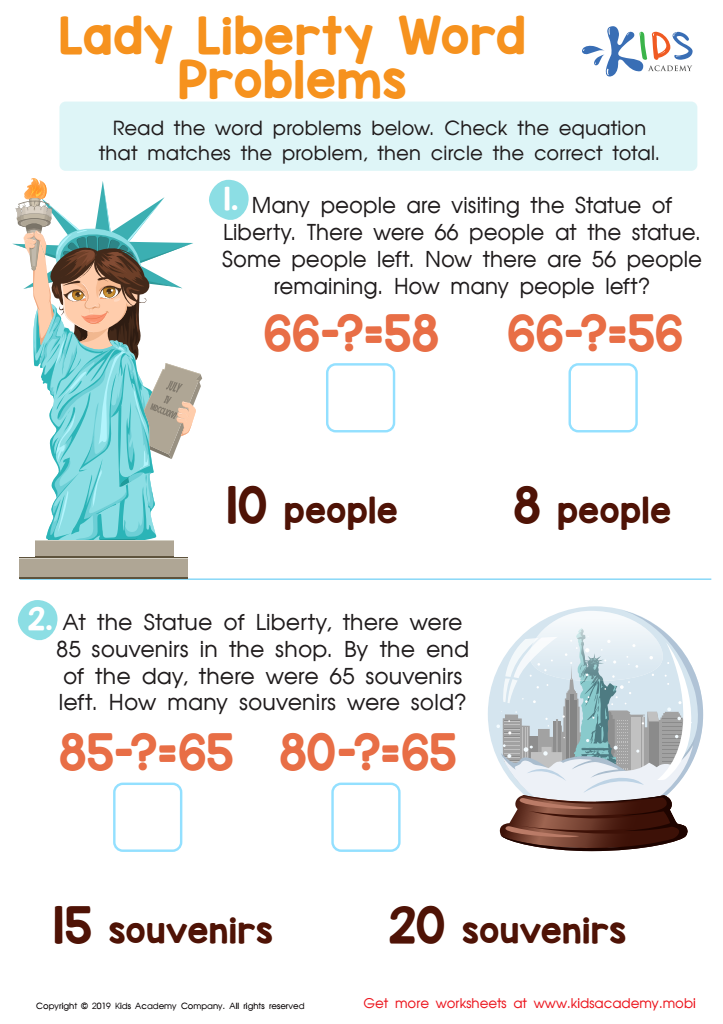
Lady Liberty Worksheet
 Assign to My Students
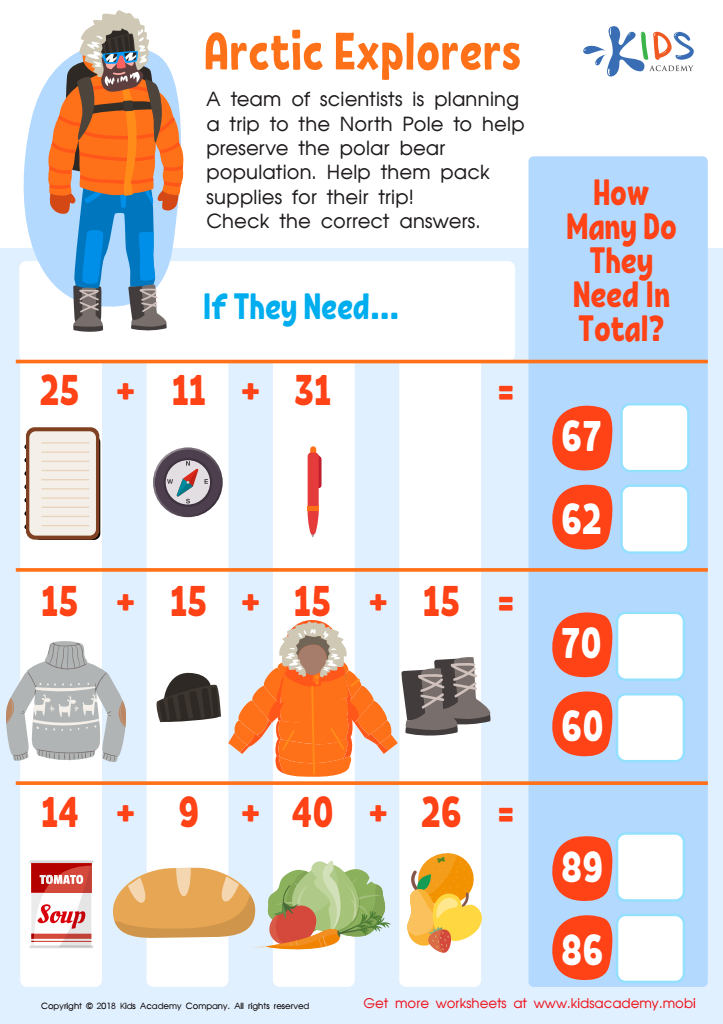
Arctic Explorers Worksheet
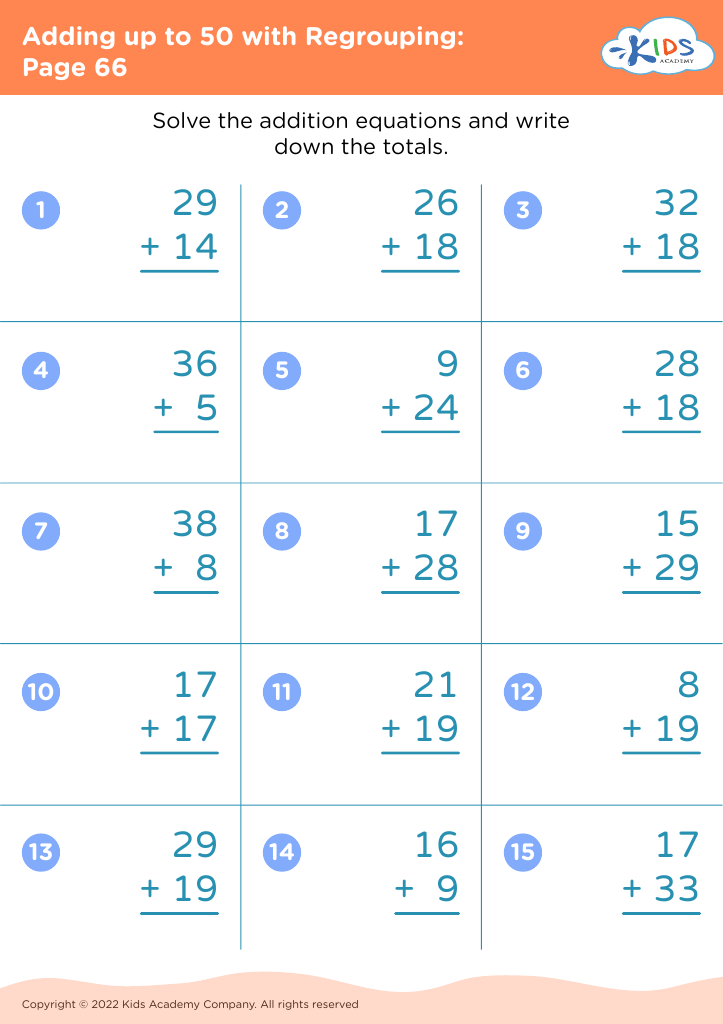
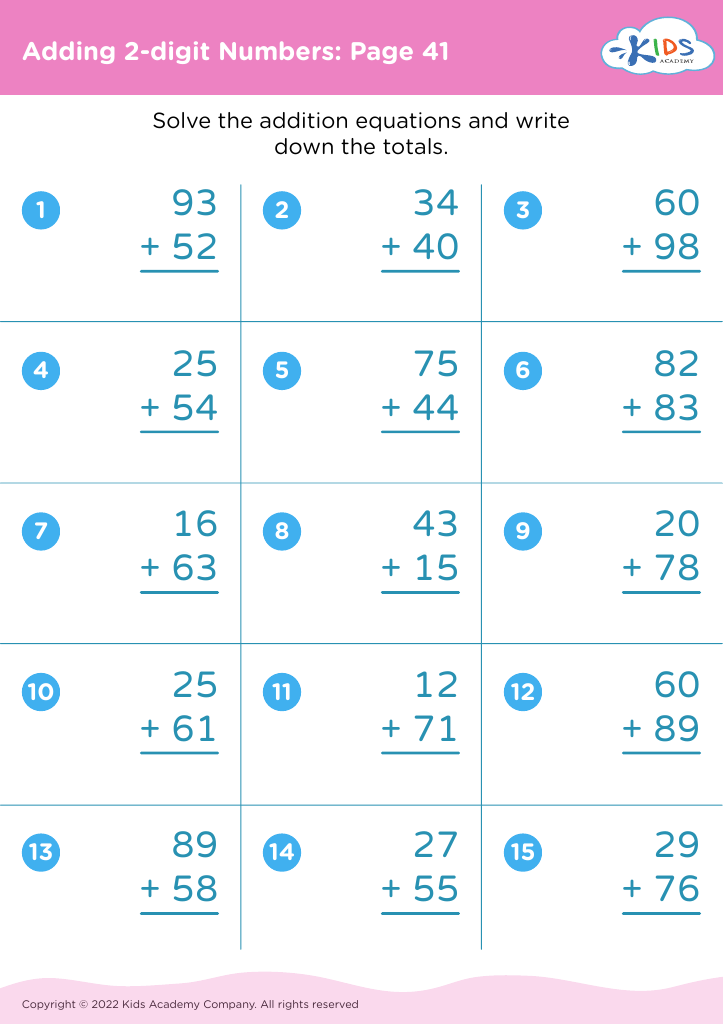
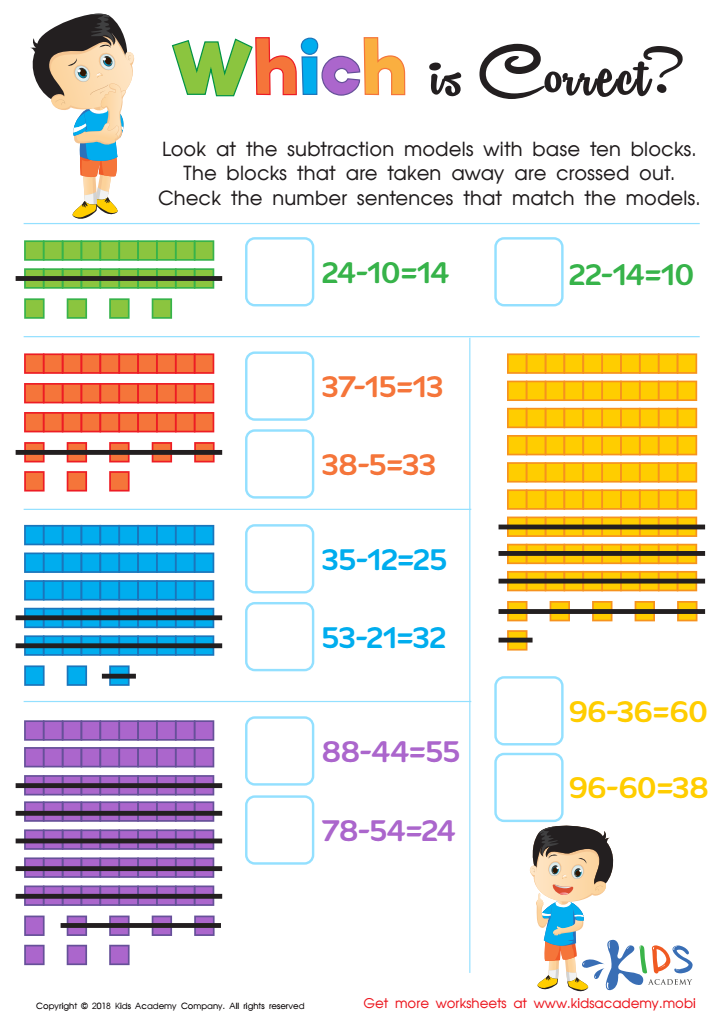
Which Is Correct? Math Worksheet
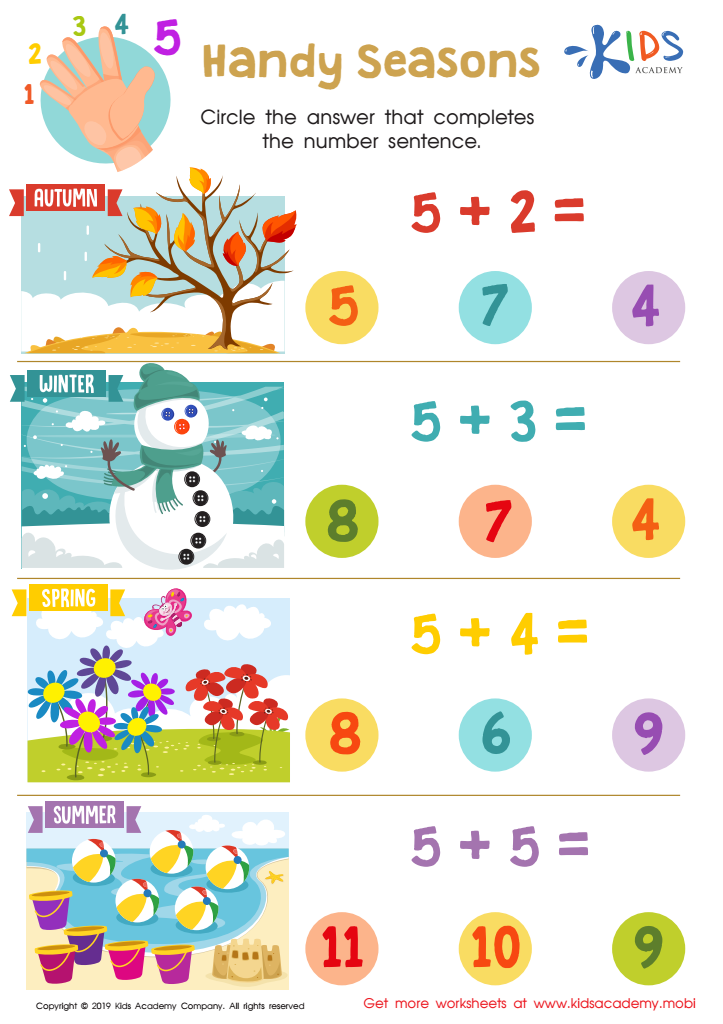
Handy Seasons Worksheet
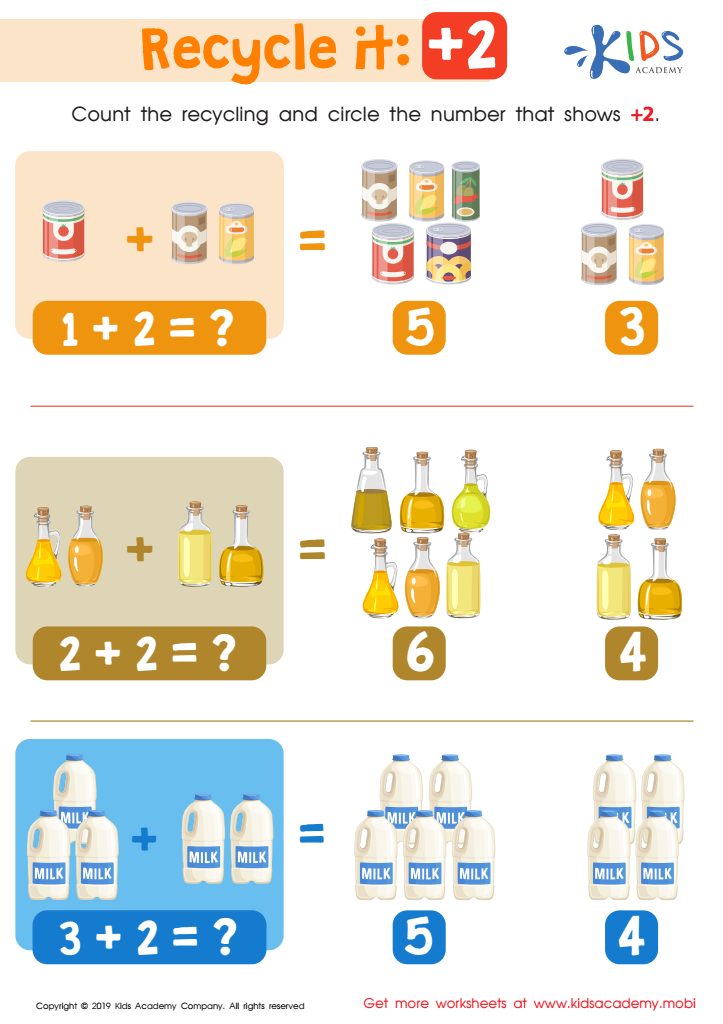
Recycle It: +2 Worksheet
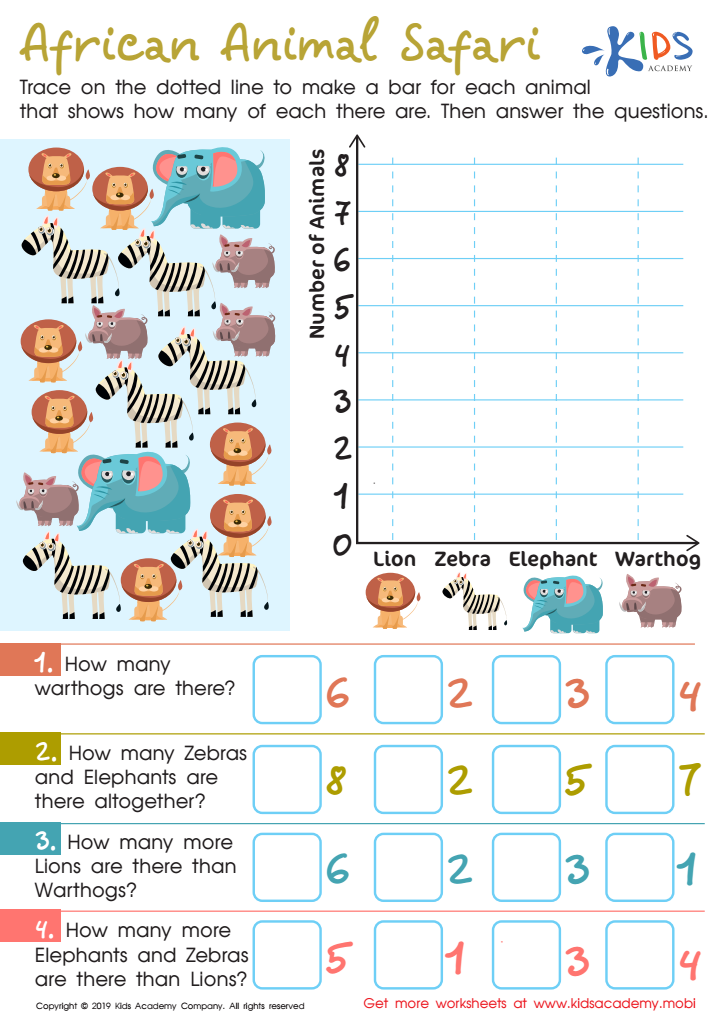
African Animal Safari Worksheet
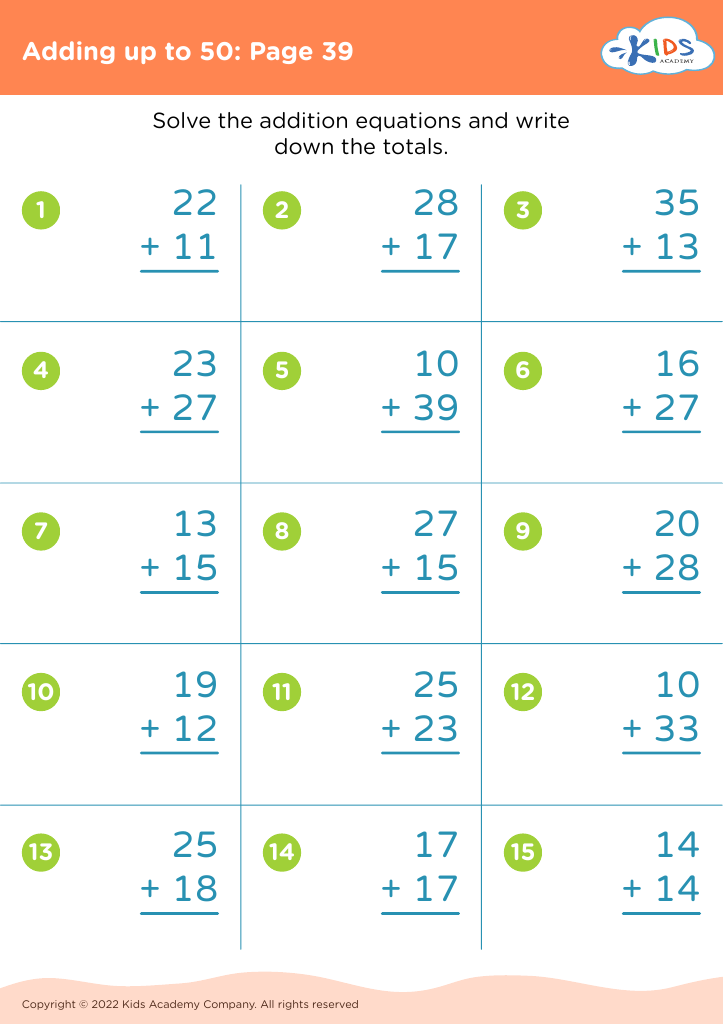








Vocabulary enhancement in addition and subtraction is essential for children ages 3-7, as it lays the foundation for their mathematical understanding and language skills. At this formative age, children are developing cognitive abilities that intertwine language and math. By introducing specific vocabulary related to addition and subtraction—such as "more," "less," "sum," "difference," and "plus"—parents and teachers can help children articulate their thought processes, thereby reinforcing their learning.
Understanding mathematical vocabulary enhances problem-solving skills, encouraging children to express their reasoning clearly. This communication is vital not only for academic success but also for building confidence in their abilities. Furthermore, enriching vocabulary helps children engage with math in real-world contexts, making learning relevant and enjoyable.
Moreover, fostering a robust vocabulary in early math can mitigate future learning difficulties, as students progress to more complex concepts. Parents and teachers play a pivotal role in this process, ensuring that children are not only familiar with numbers but can also describe their mathematical experiences effectively. By prioritizing vocabulary enhancement alongside addition and subtraction, adults can create a more comprehensive educational environment, setting the stage for lifelong learning and a positive attitude toward math.








