Filters

270 filtered results

Clear all filters
Favorites
With answer key
Interactive

270 filtered results

Difficulty Level

Grade


Check out this FREE Trial Lesson on Addition for age 3-7!

P

Favorites
With answer key
Interactive
  • 3-7
  • Basic Addition Skills
  • Addition
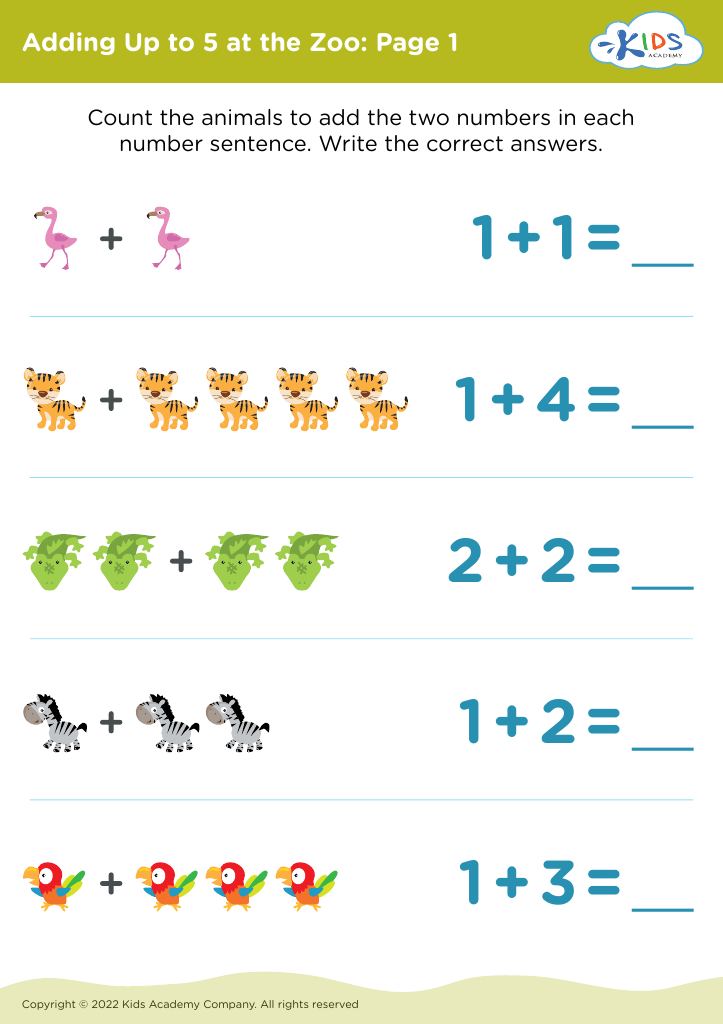
Adding Up to 5 at the Zoo: Page 1

Adding Up to 5 at the Zoo: Page 1

Adding Up to 5 at the Zoo: Page 1
Worksheet
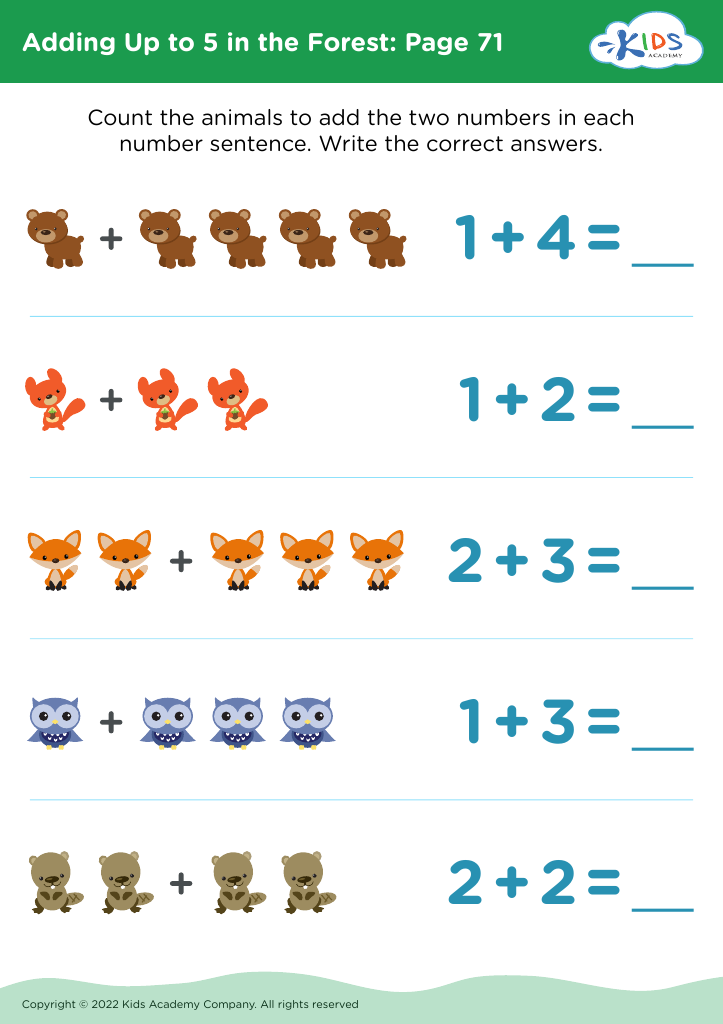
Adding Up to 5 in the Forest: Page 71
Worksheet
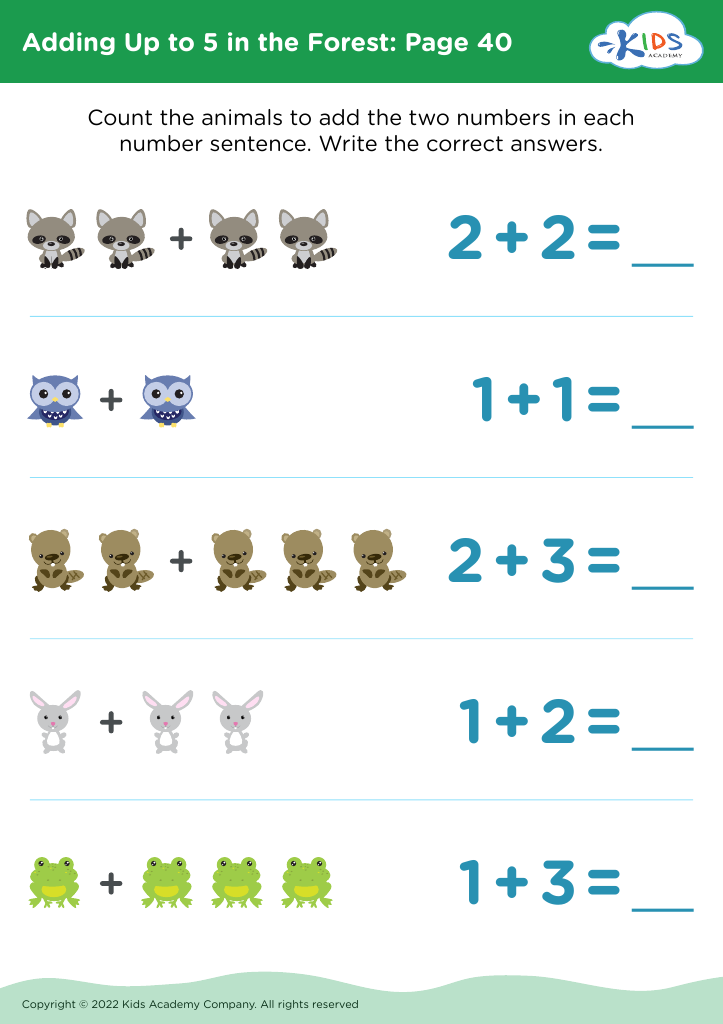
Adding Up to 5 in the Forest: Page 40
Worksheet
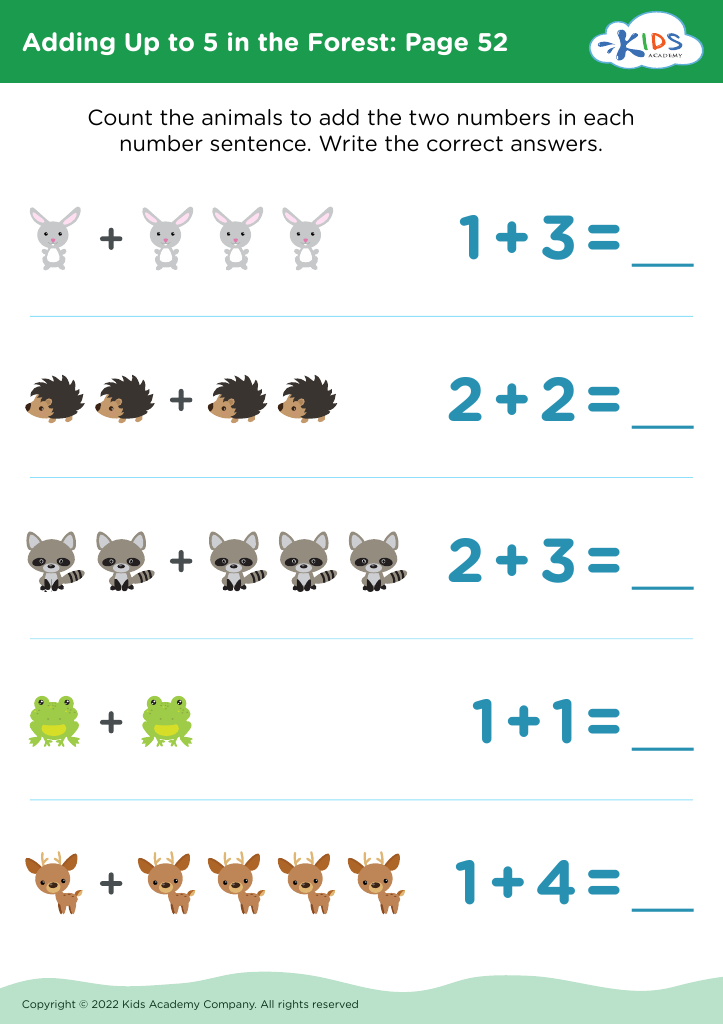
Adding Up to 5 in the Forest: Page 52
Worksheet
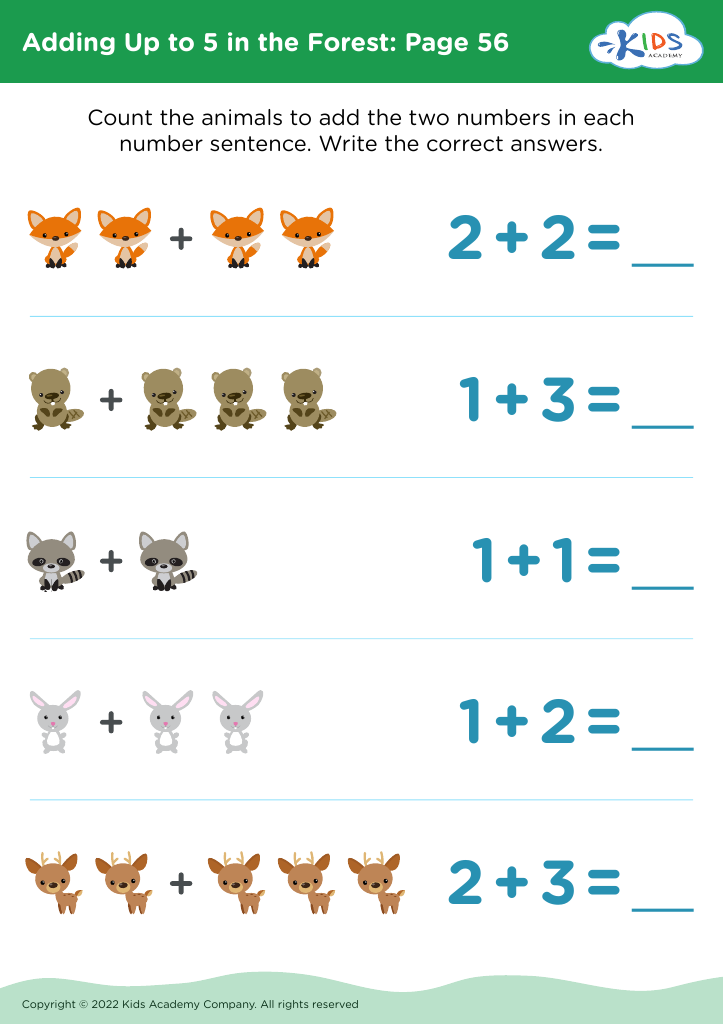
Adding Up to 5 in the Forest: Page 56
Worksheet
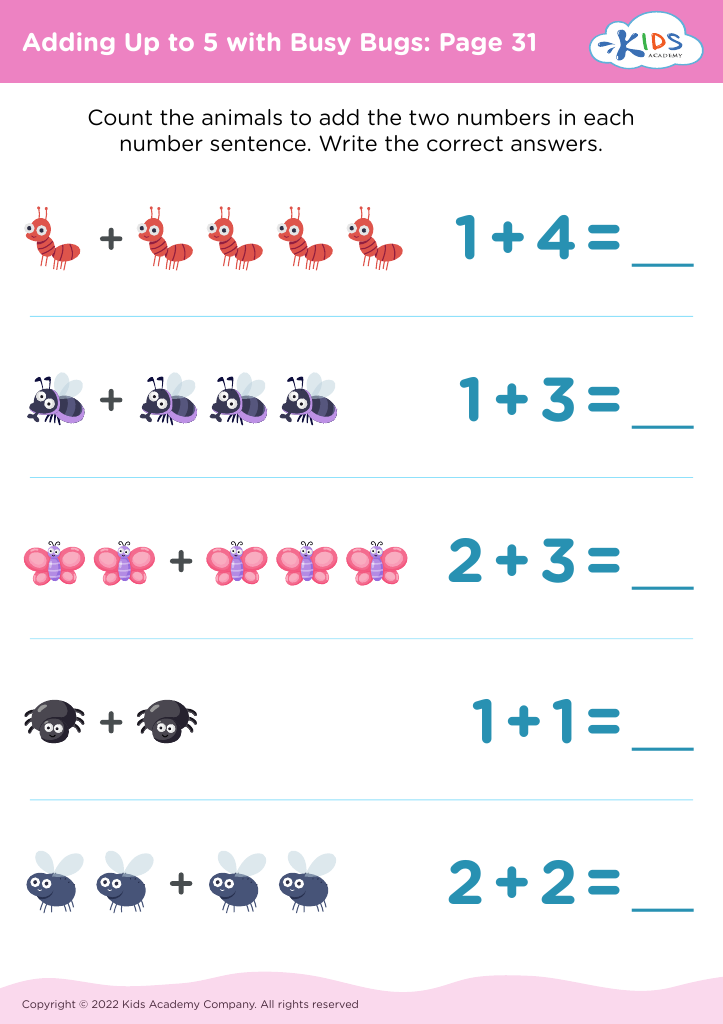
Adding Up to 5 with Busy Bugs: Page 31
Worksheet
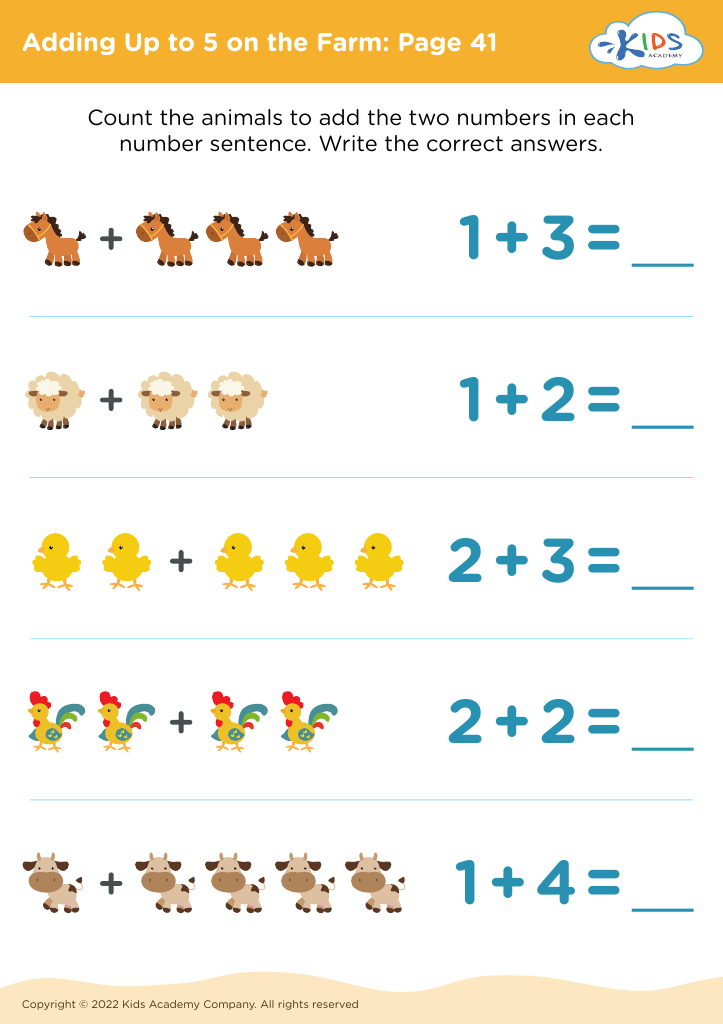
Adding Up to 5 on the Farm: Page 41
Worksheet
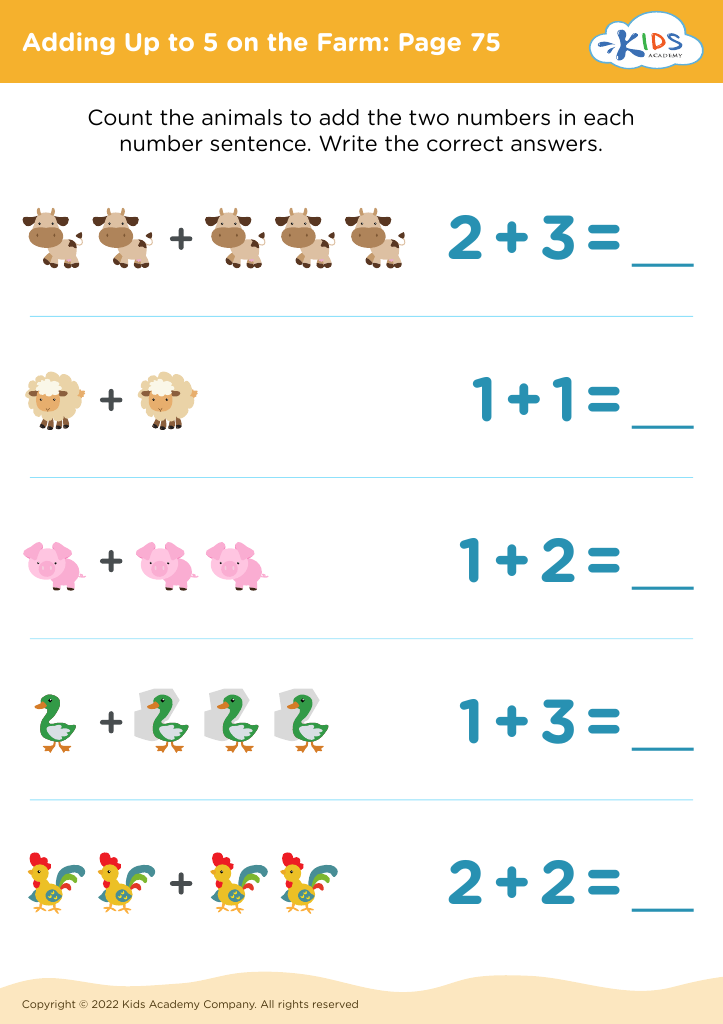
Adding Up to 5 on the Farm: Page 75
Worksheet
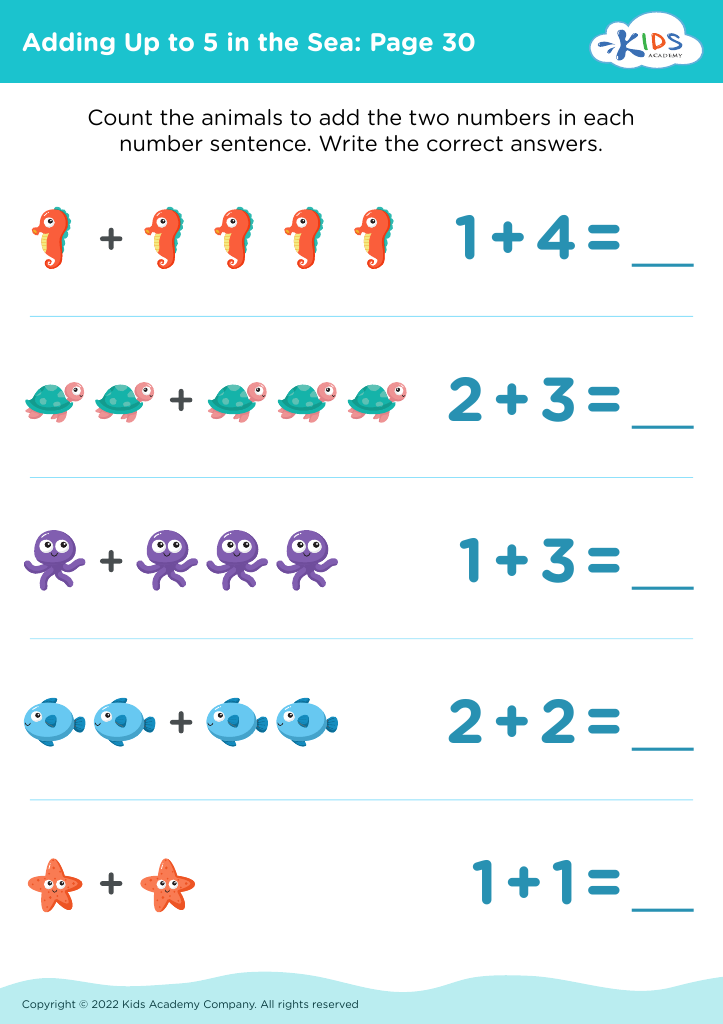
Adding Up to 5 in the Sea: Page 30
Worksheet
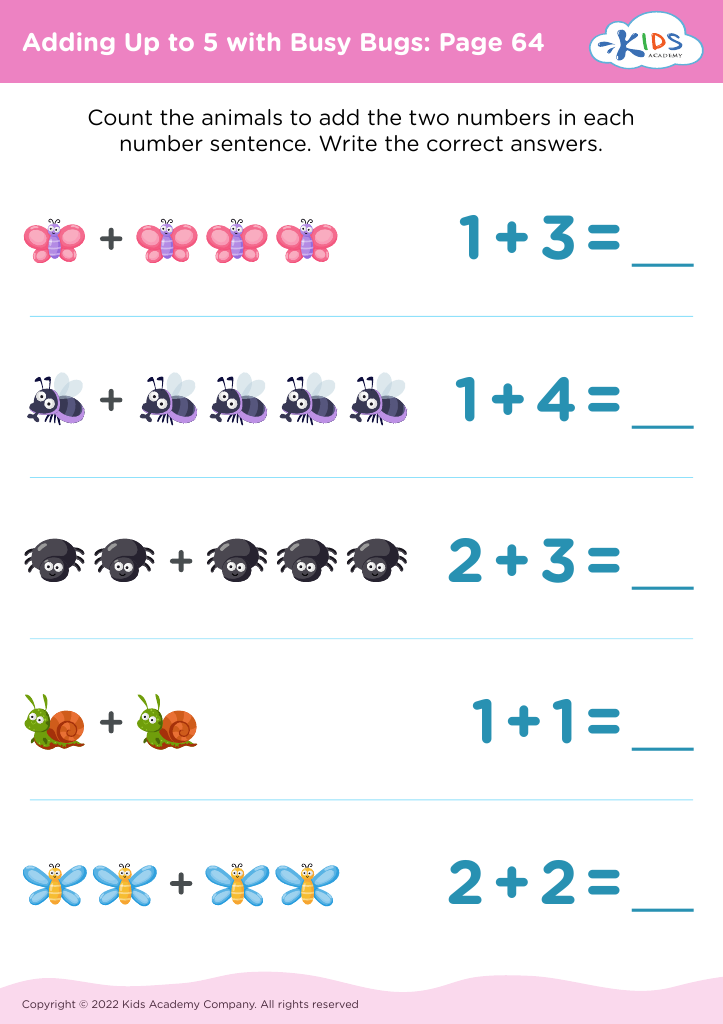
Adding Up to 5 with Busy Bugs: Page 64
Worksheet
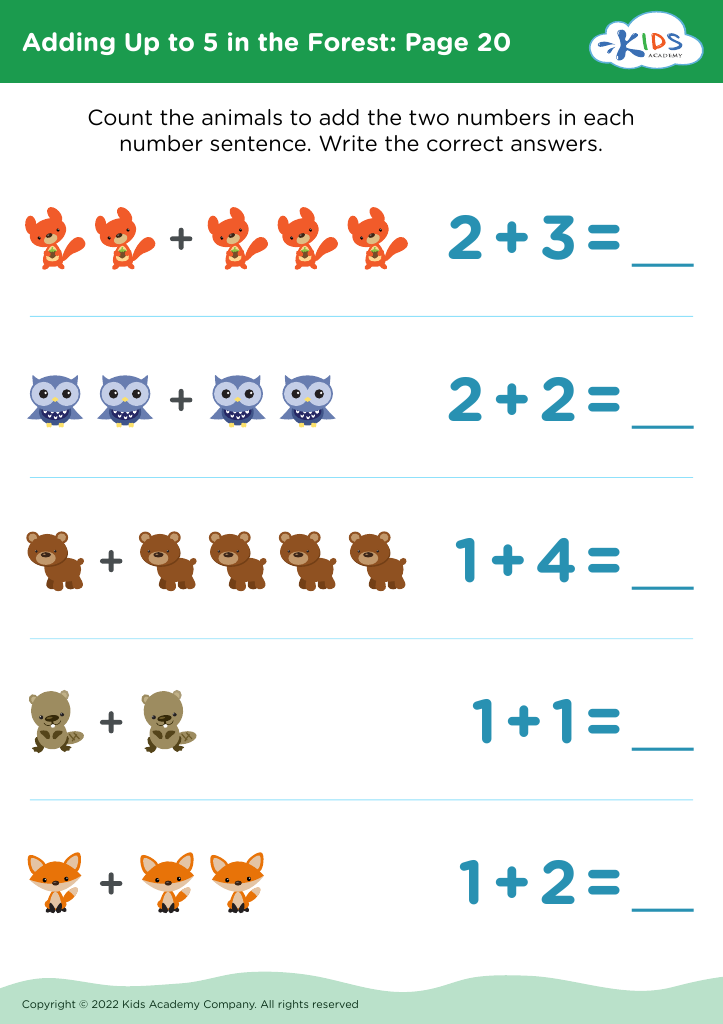
Adding Up to 5 in the Forest: Page 20
Worksheet
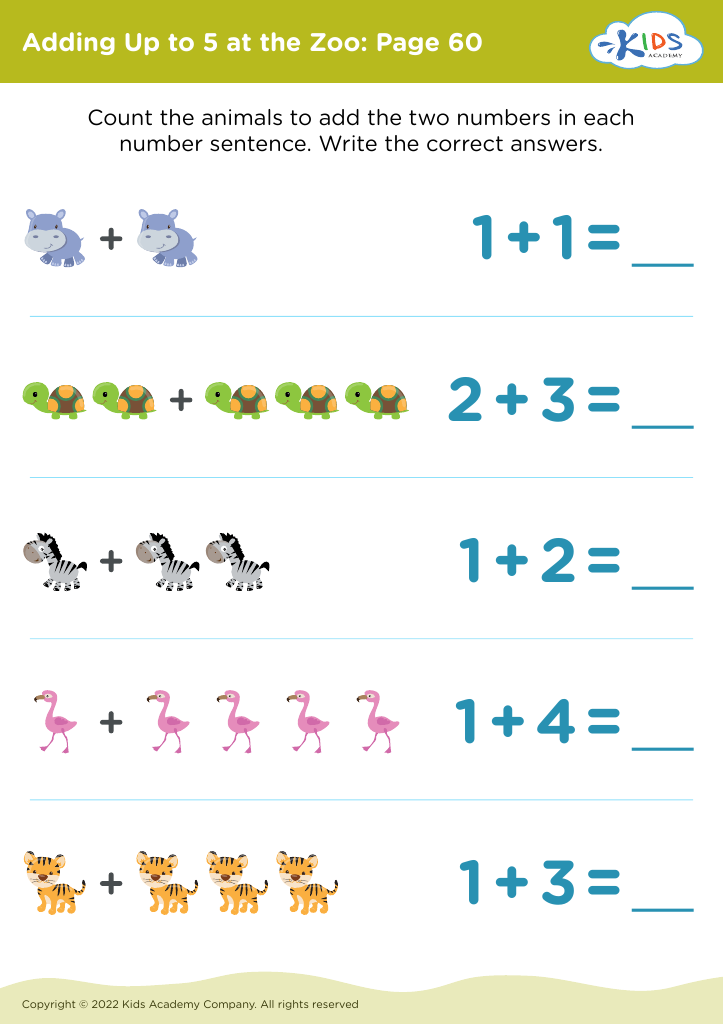
Adding Up to 5 at the Zoo: Page 60
Worksheet
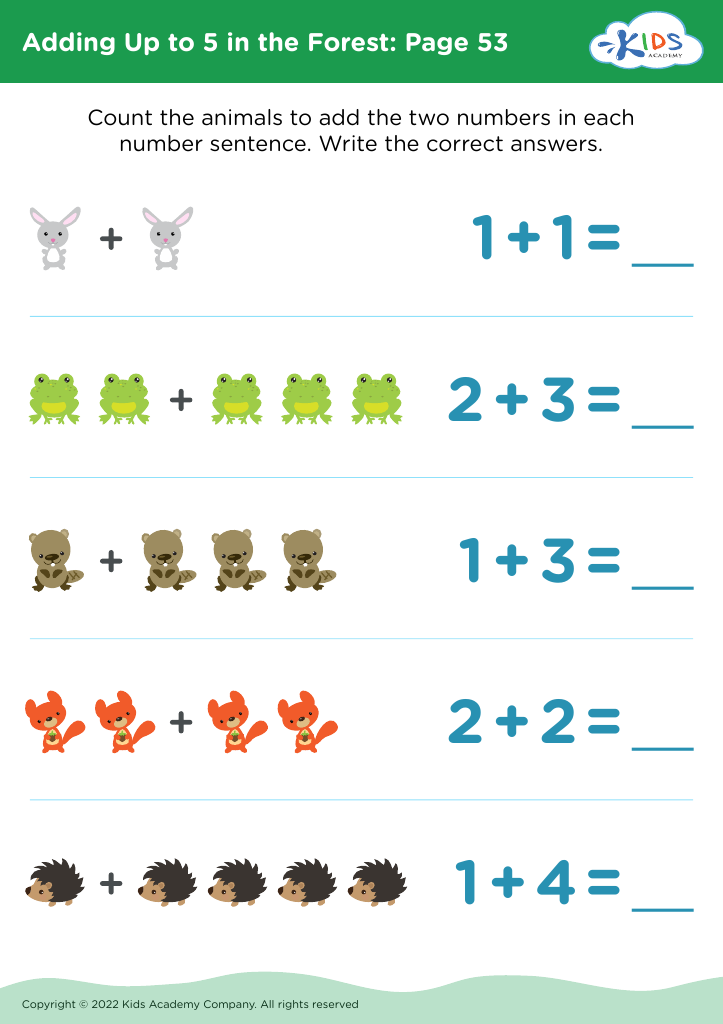
Adding Up to 5 in the Forest: Page 53
Worksheet
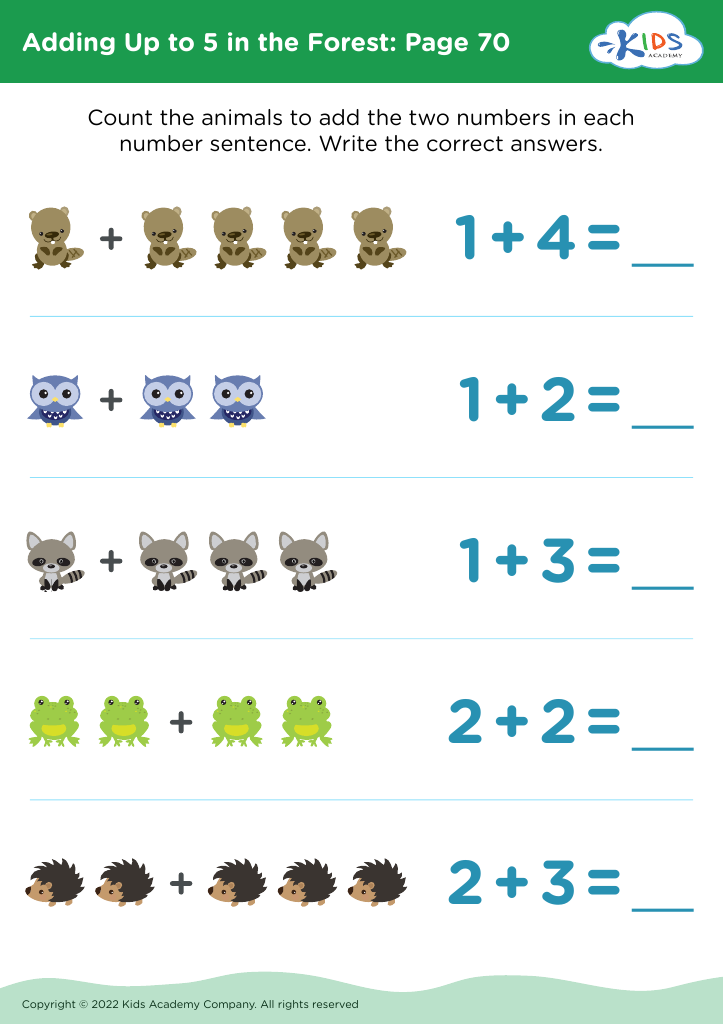
Adding Up to 5 in the Forest: Page 70
Worksheet
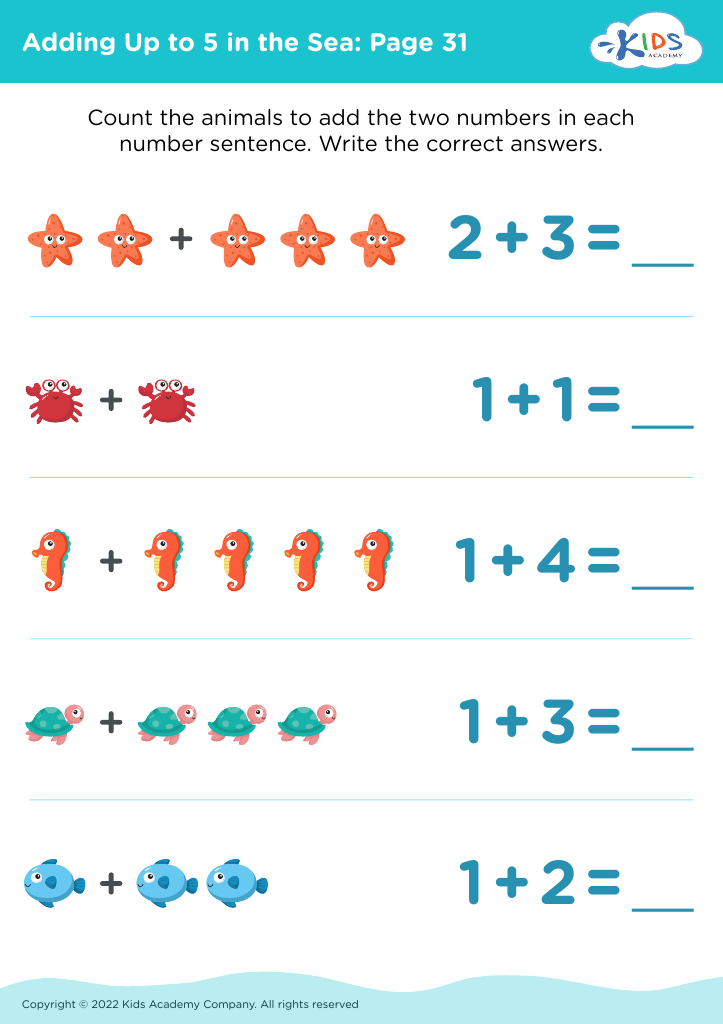
Adding Up to 5 in the Sea: Page 31
Worksheet
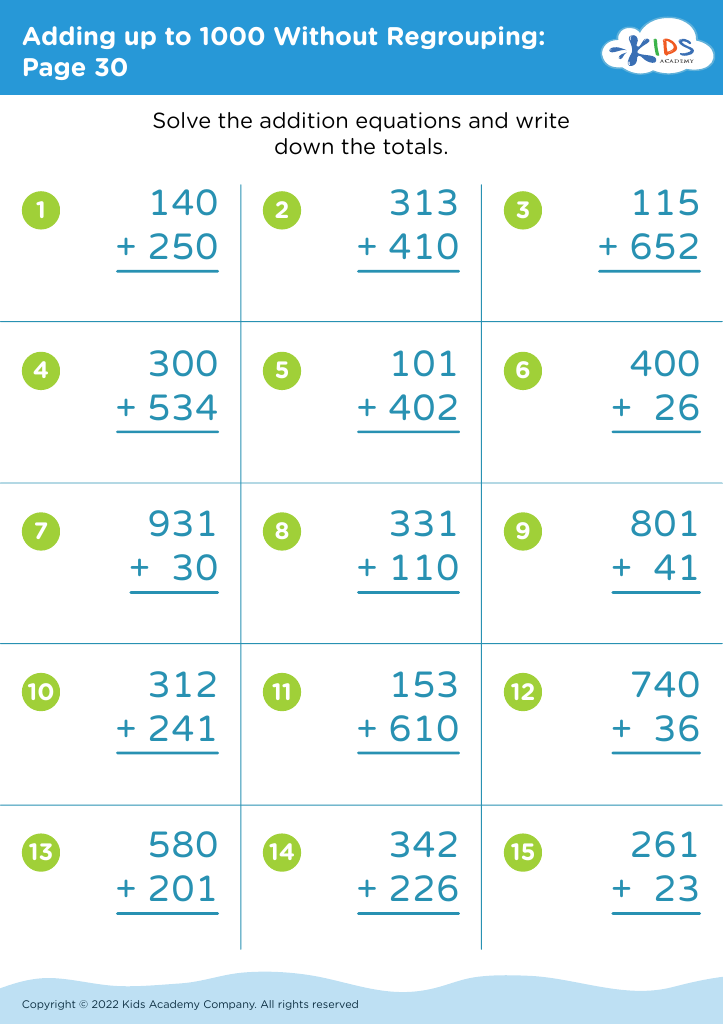
Adding up to 1000 Without Regrouping: Page 30
Worksheet
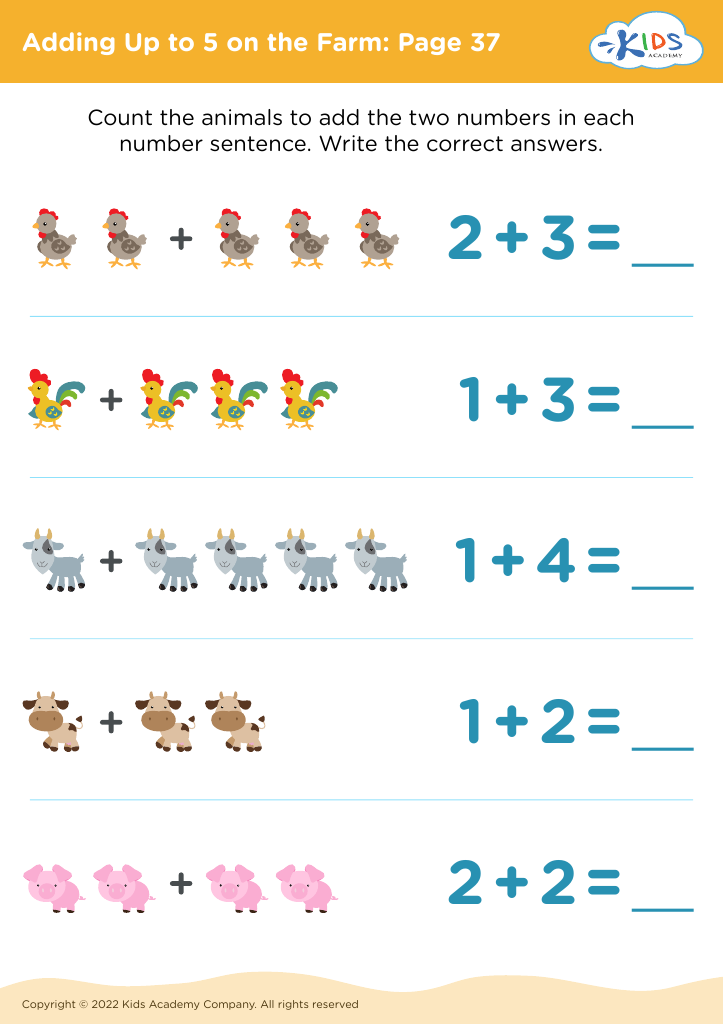
Adding Up to 5 on the Farm: Page 37
Worksheet
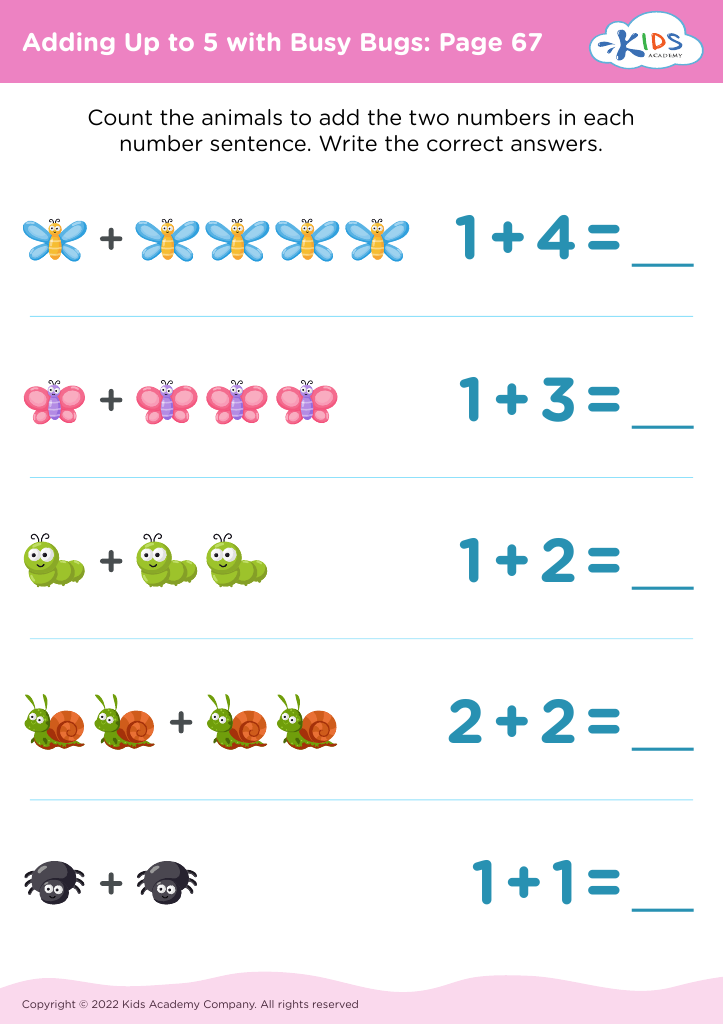
Adding Up to 5 with Busy Bugs: Page 67
Worksheet
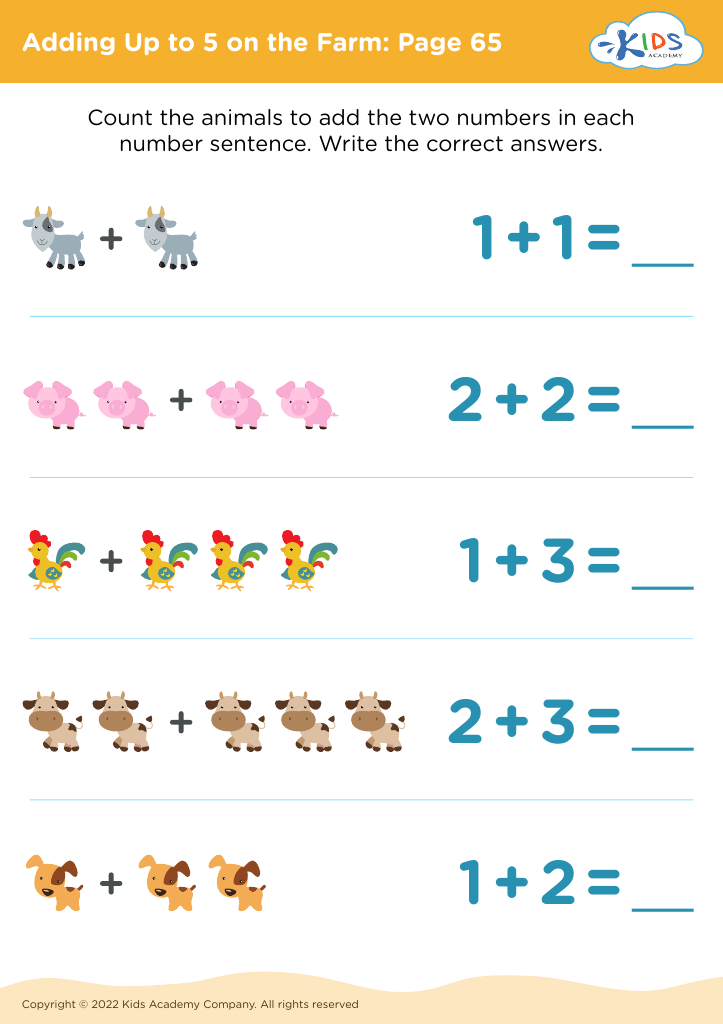
Adding Up to 5 on the Farm: Page 65
Worksheet
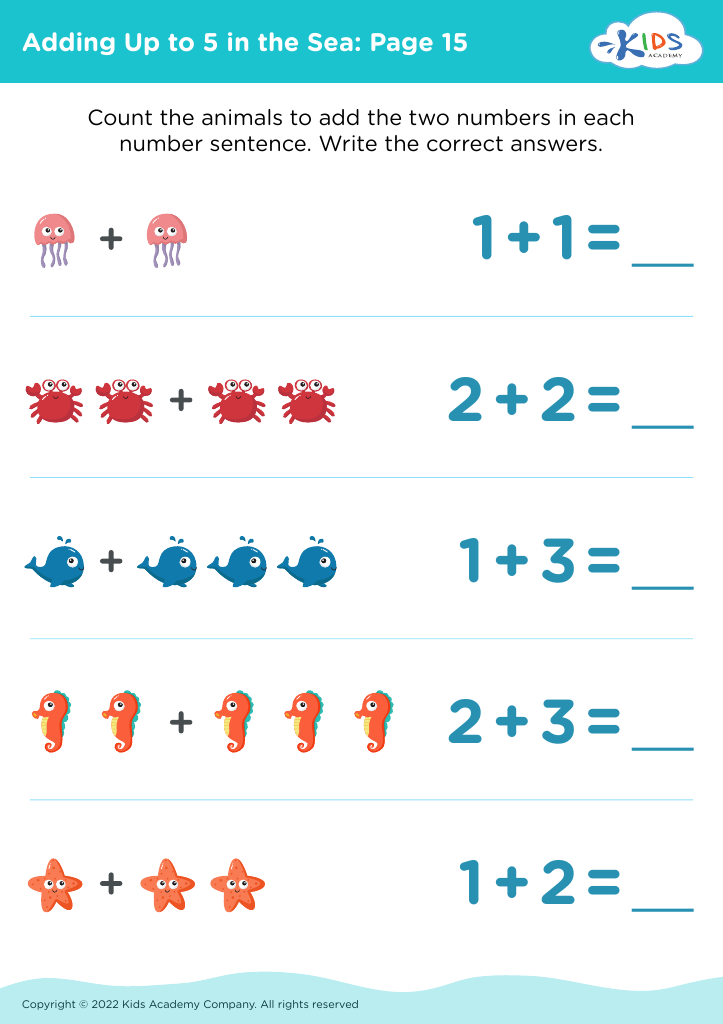
Adding Up to 5 in the Sea: Page 15
Worksheet
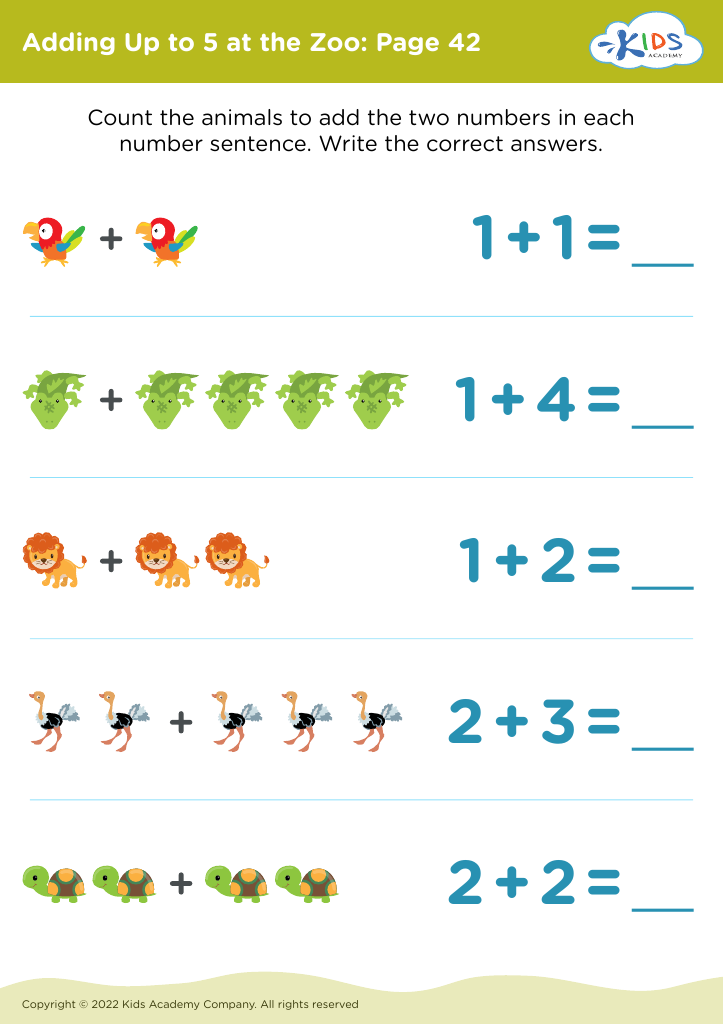
Adding Up to 5 at the Zoo: Page 42
Worksheet
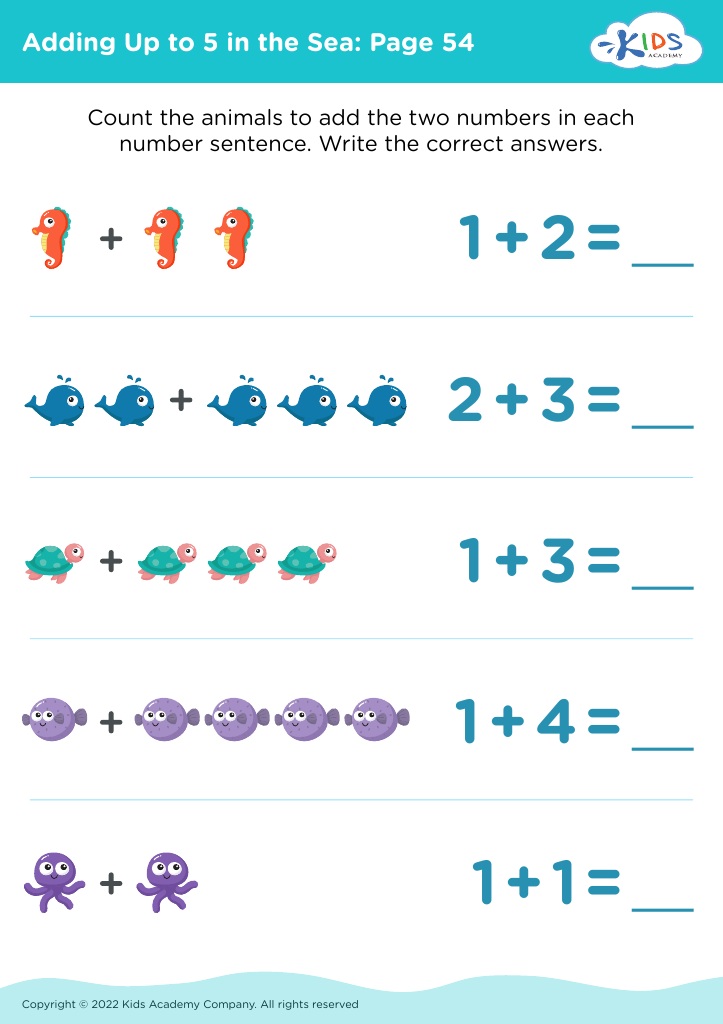
Adding Up to 5 in the Sea: Page 54
Worksheet
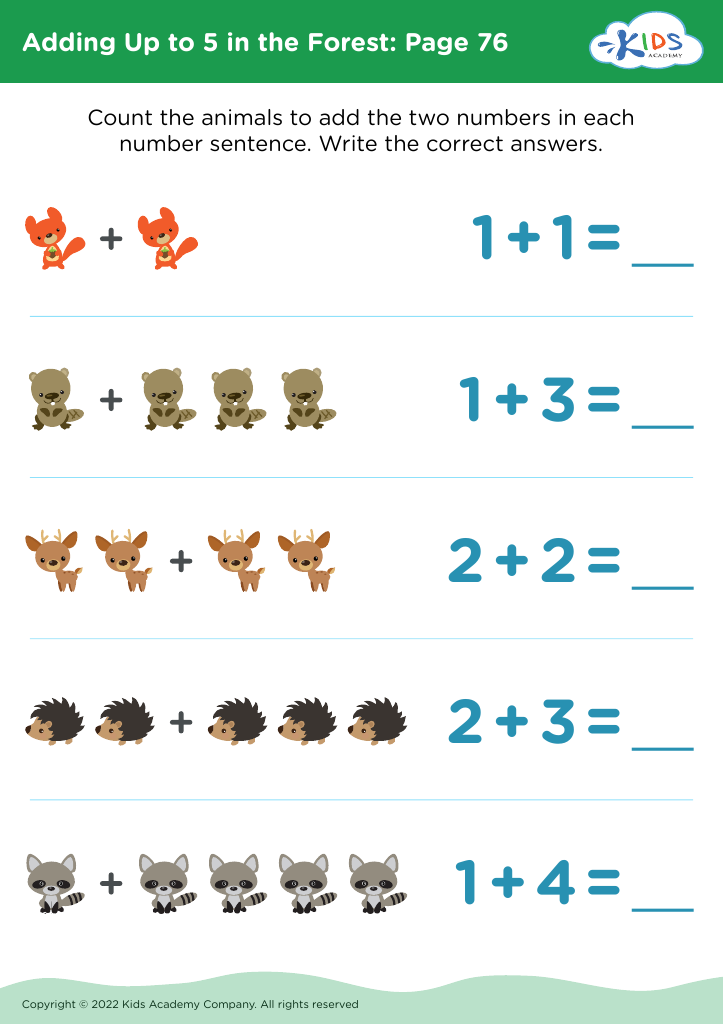
Adding Up to 5 in the Forest: Page 76
Worksheet
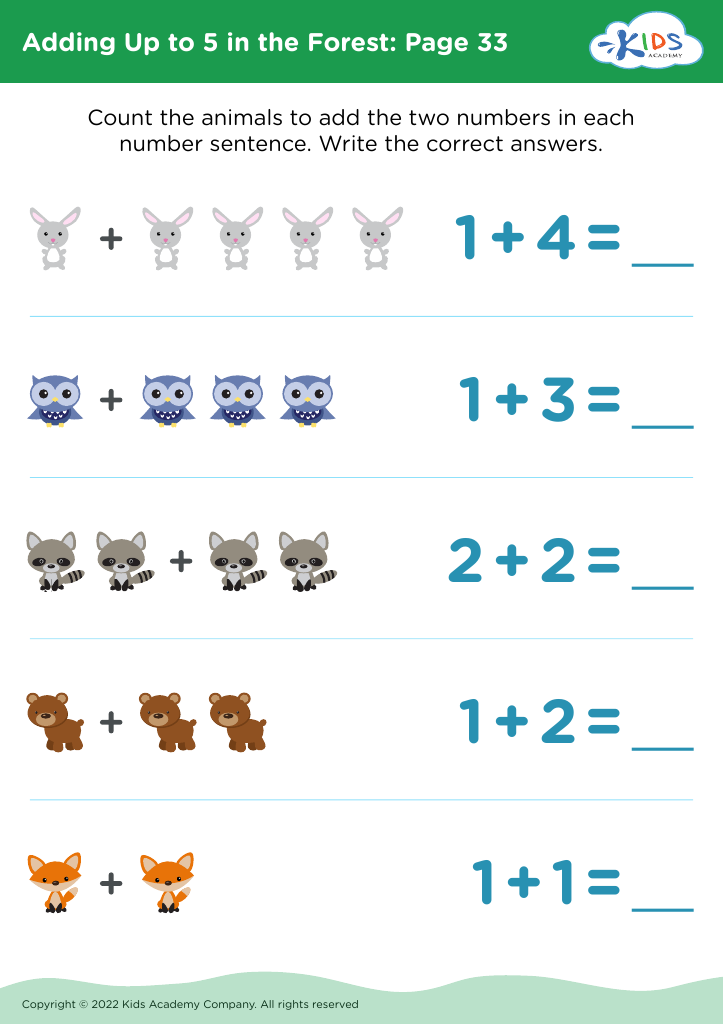
Adding Up to 5 in the Forest: Page 33
Worksheet


Understanding basic addition skills from ages 3 to 7 is crucial for several reasons. Early childhood is a formative period where children develop foundational skills that will influence their future learning and confidence in mathematics. Mastering addition helps boost cognitive development and critical thinking abilities, as children learn to recognize patterns, relationships, and quantities.

For parents and teachers, fostering these skills lays the groundwork for more complex mathematical concepts. Engaging children in fun and interactive activities can make learning enjoyable, helping to build a positive attitude towards math at an early stage. When children grasp addition concepts early on, they gain a sense of accomplishment, which can lead to increased motivation and curiosity about math.

Furthermore, addition is not only foundational in math but also reinforces skills like problem-solving and logical reasoning, integral for overall academic success. Early math skills are linked with later proficiency in mathematics, significantly affecting a child’s educational trajectory. By nurturing an understanding of addition through games, stories, and hands-on activities, parents and teachers can equip children with the tools they need to succeed both in school and in everyday life. Creating a solid math foundation early on fosters resilience, critical thinking, and a lifelong love for learning.