Color Identification Addition Worksheets for Ages 3-7
24 filtered results
-
From - To
Discover our engaging Color Identification Addition Worksheets designed specifically for children aged 3-7! These fun and interactive worksheets help young learners explore basic addition while honing their color recognition skills. Easy-to-follow activities combine bright colors with fundamental math concepts, making learning enjoyable and effective. Perfect for parents and educators alike, our resources encourage children to practice addition in a vibrant and stimulating environment. With a variety of exercises tailored to different skill levels, these worksheets will help build a strong foundation for early math understanding. Encourage your child’s curiosity and watch them thrive with our colorful learning adventures!
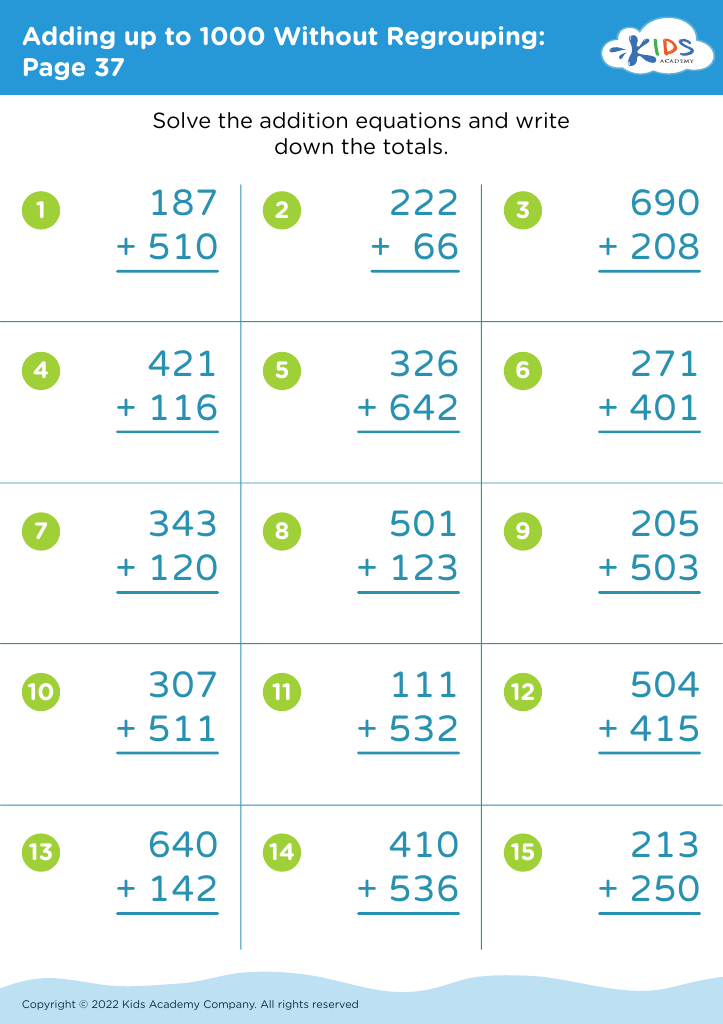
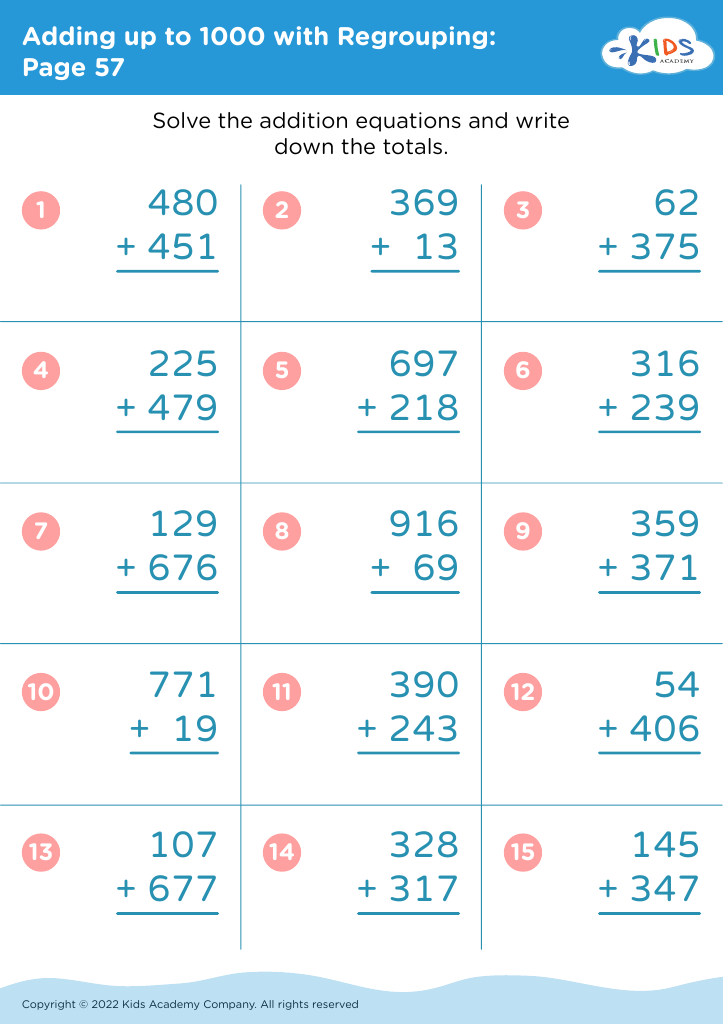
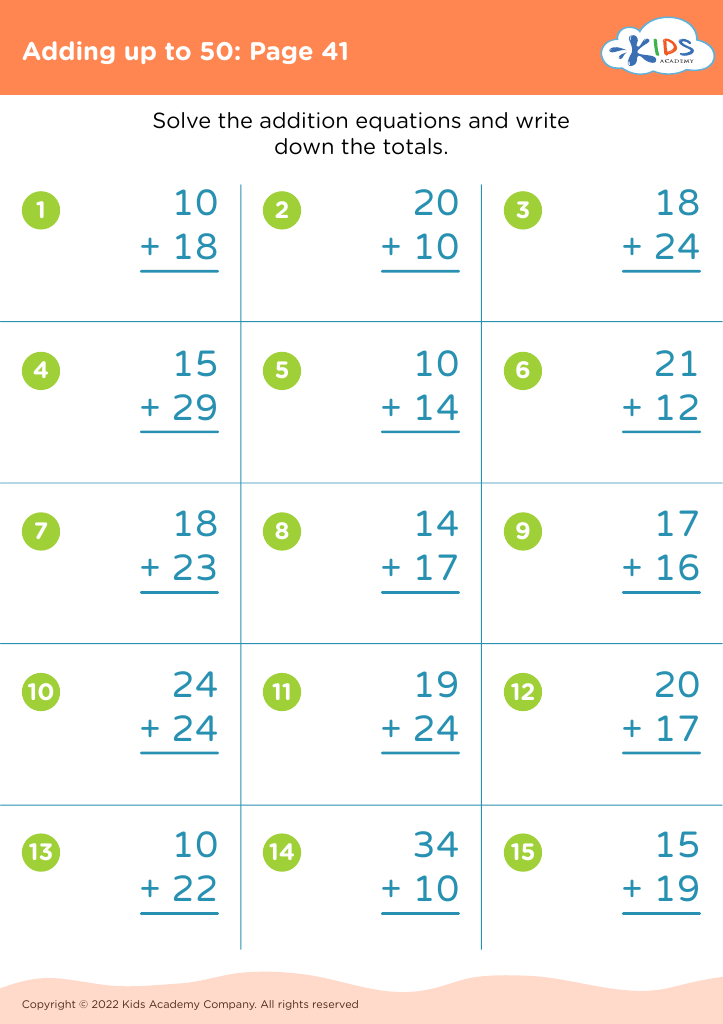
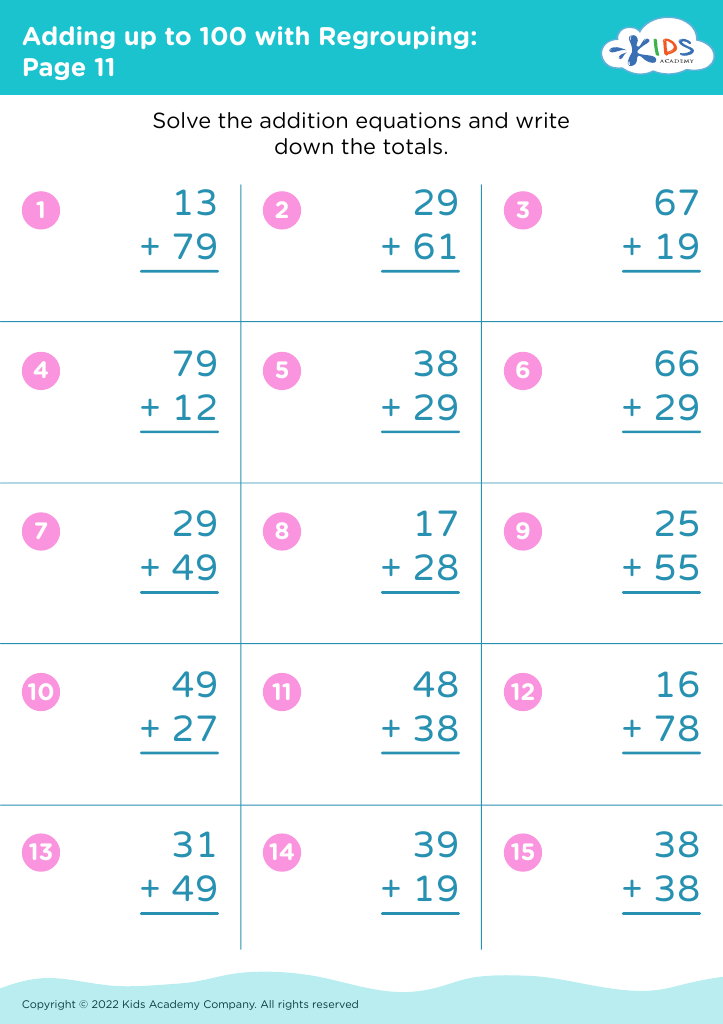
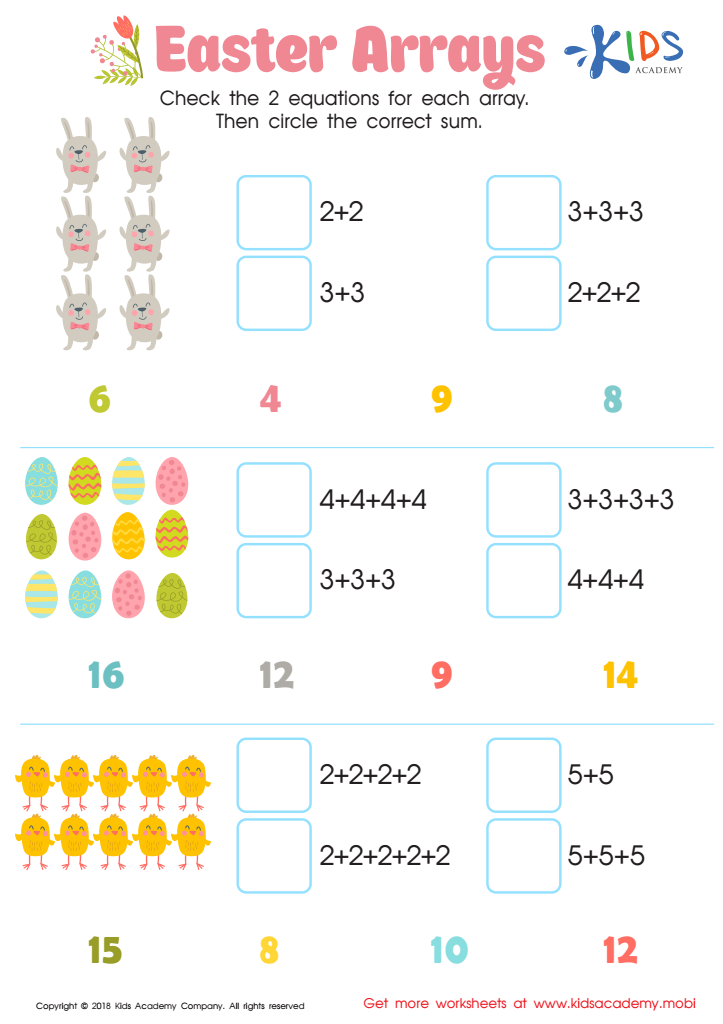
Easter Arrays Worksheet
 Assign to My Students
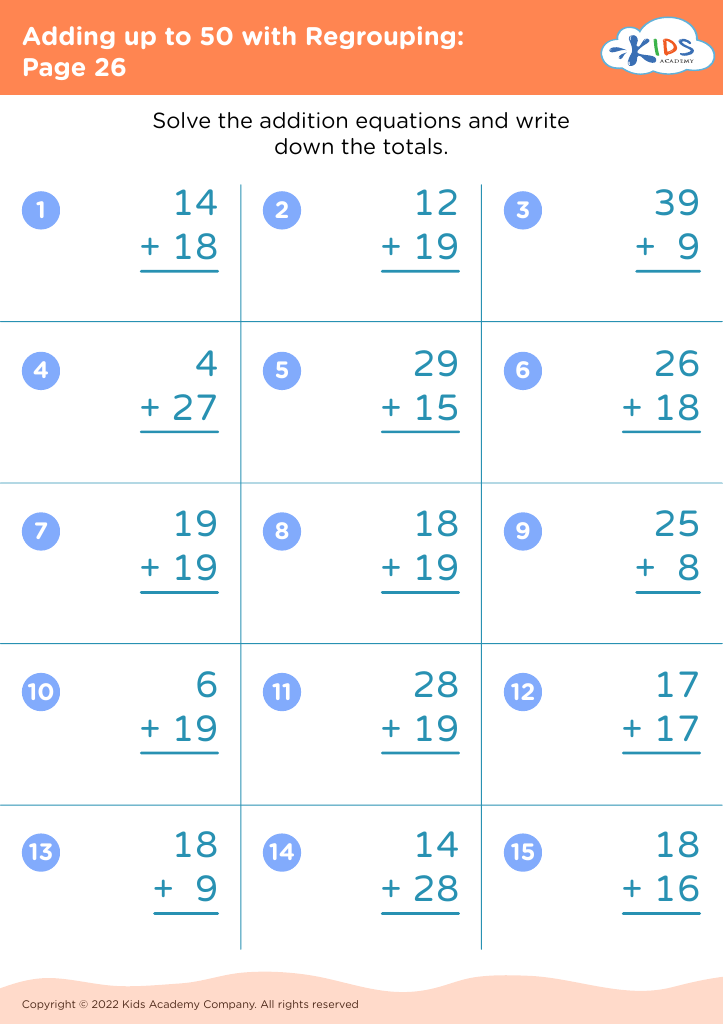
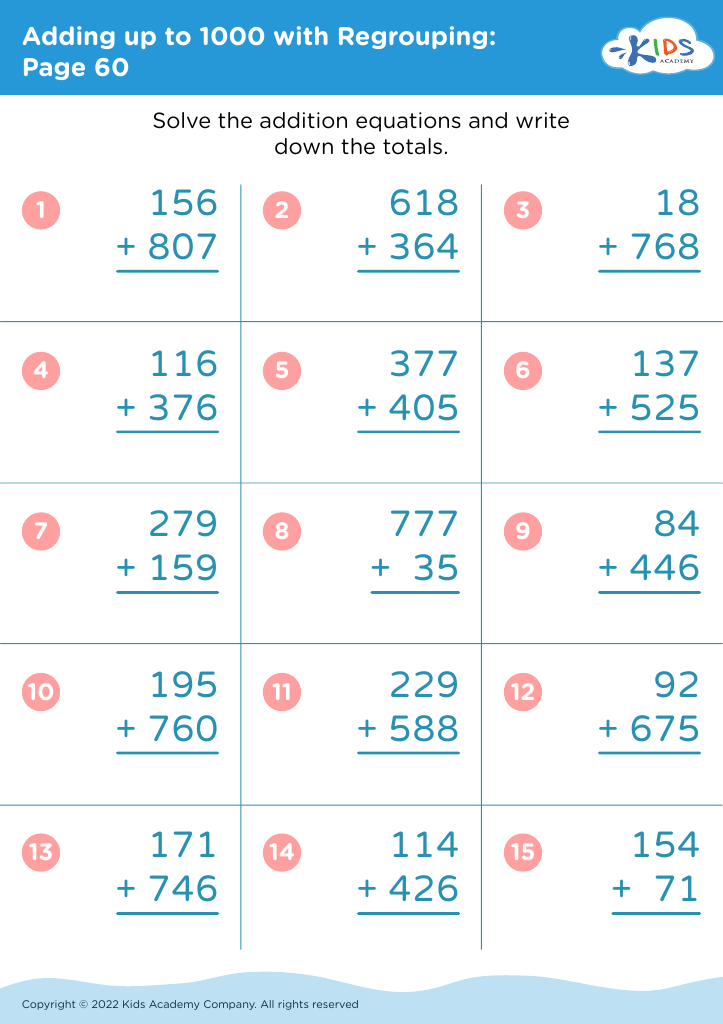
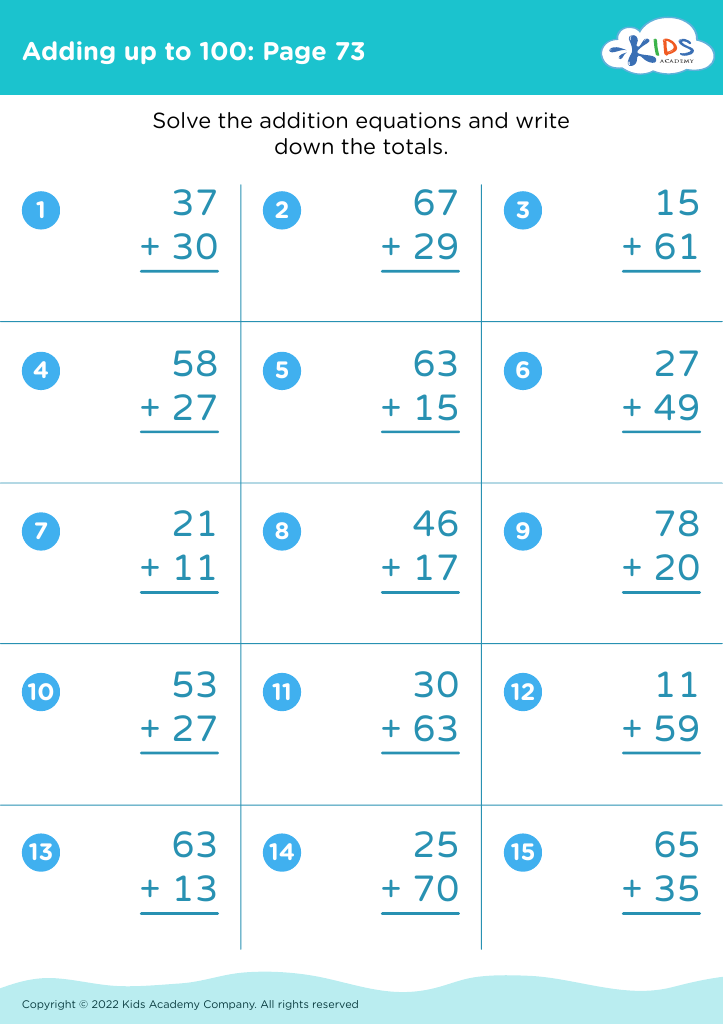
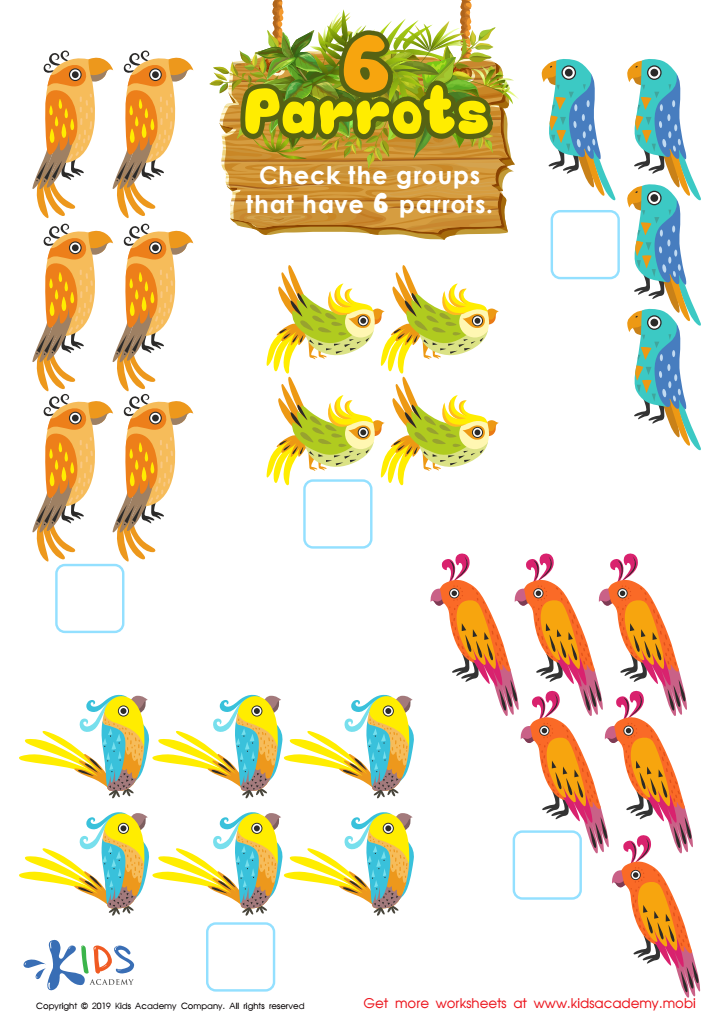
6 Parrots Worksheet
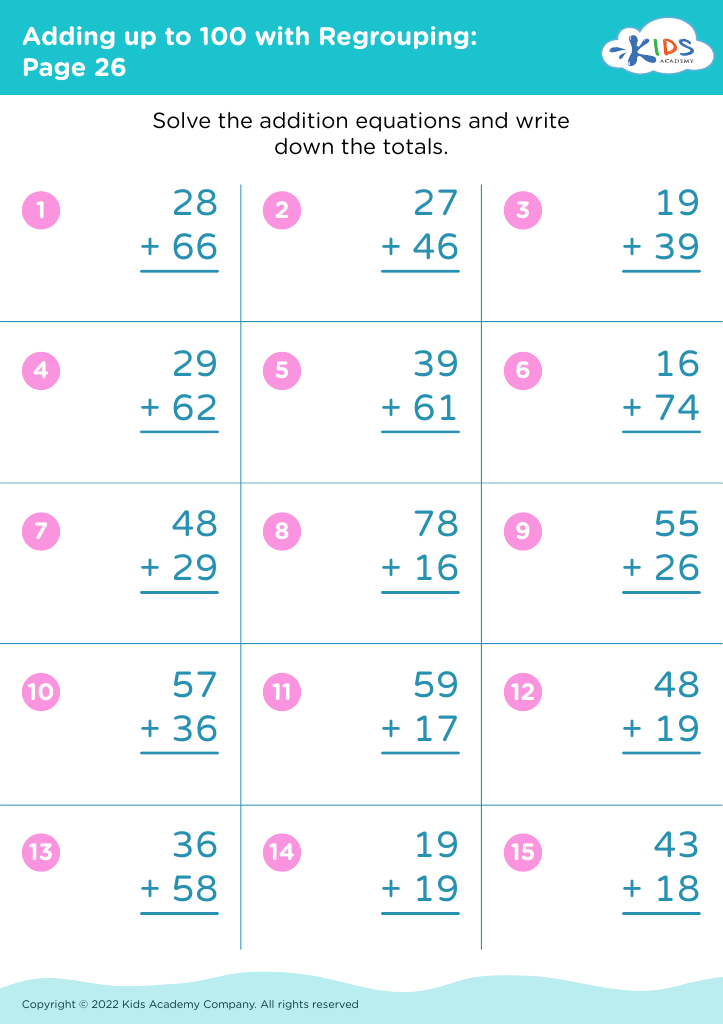
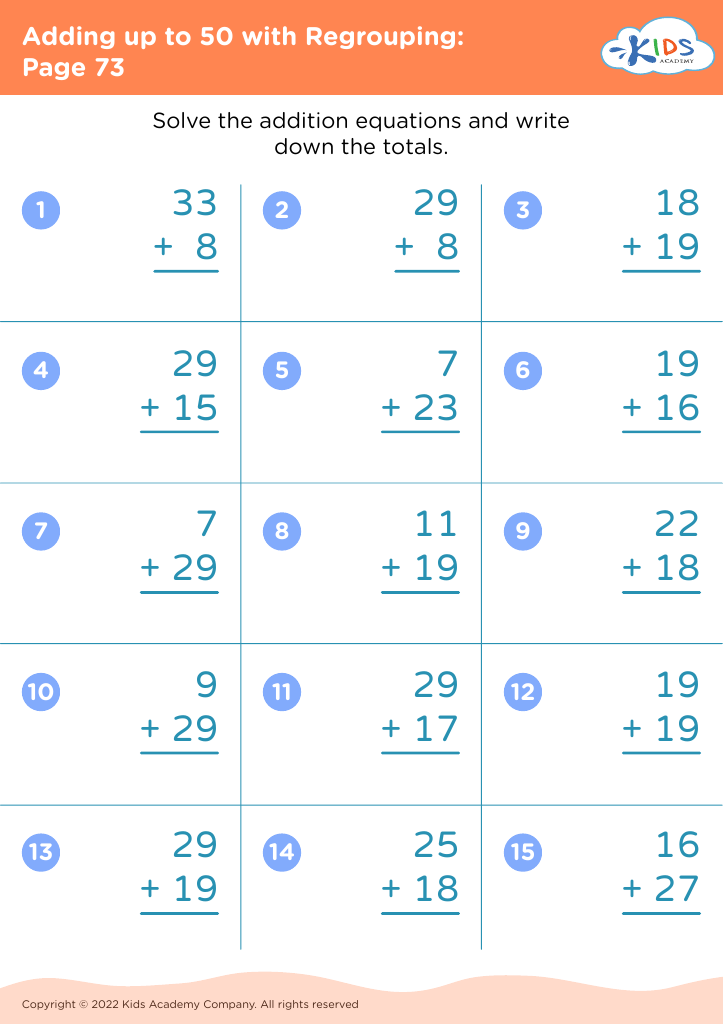
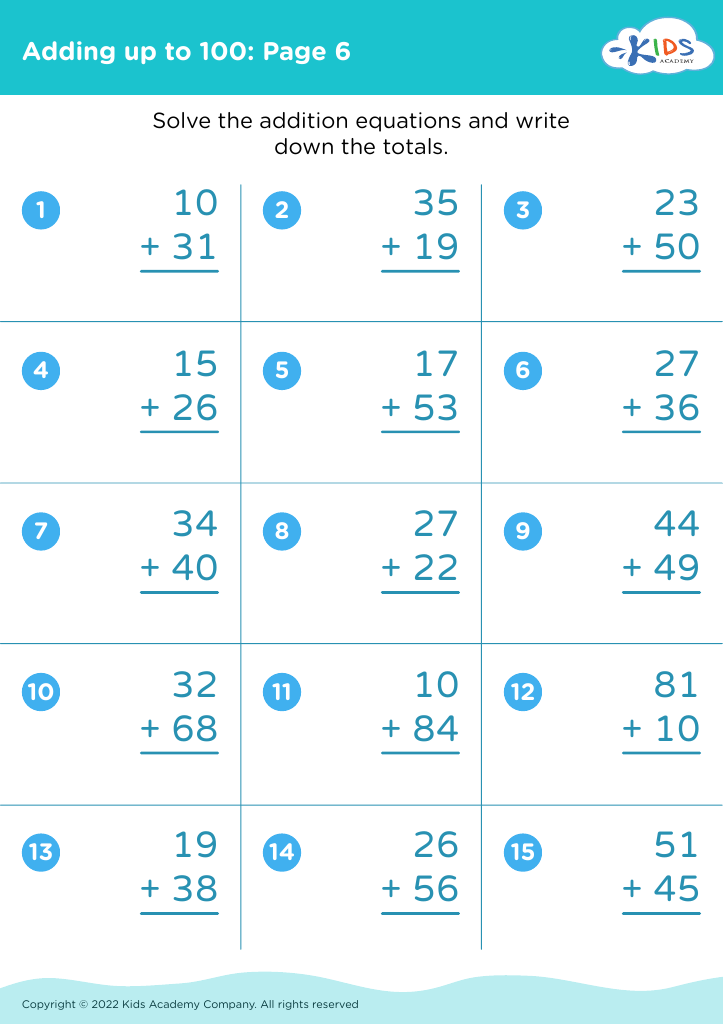
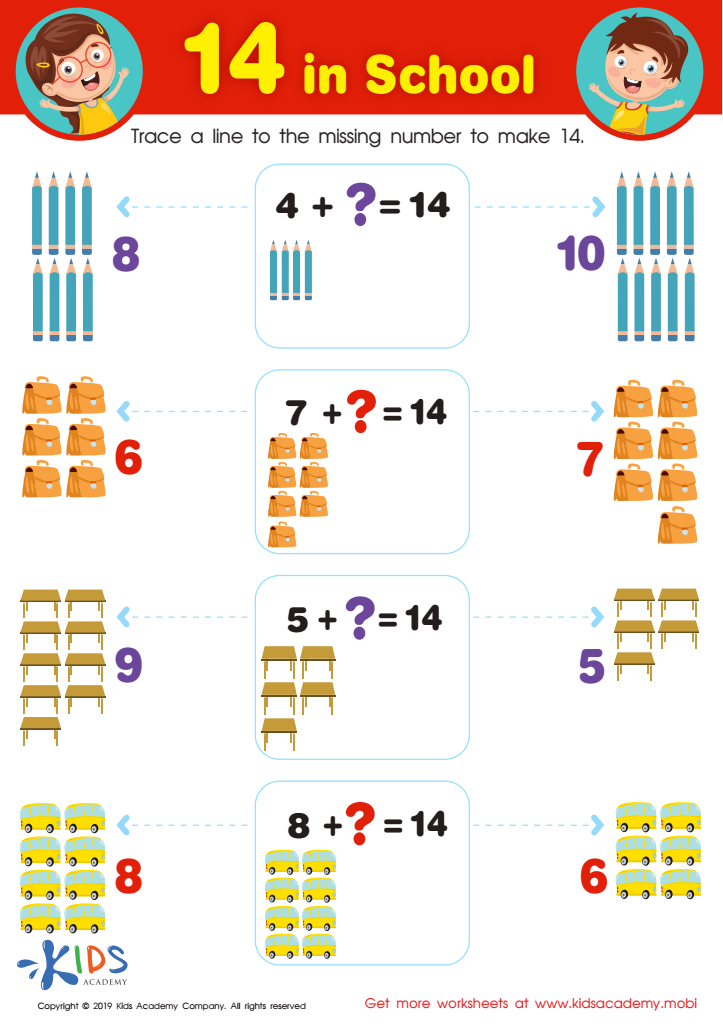
14 in School Worksheet








Color identification is a foundational skill for children aged 3-7, playing a significant role in their overall cognitive, social, and emotional development. At this age, children are naturally keen to explore their environment, and recognizing colors helps them make sense of the world around them.
Parents and teachers should prioritize color identification because it enhances a child's observational skills and fosters early mathematical understanding; for instance, children can learn to associate colors with the concept of groups and quantities—important early addition skills. This can easily be integrated with fun activities, such as sorting colored objects or engaging in arts and crafts, promoting both creativity and logic.
Additionally, mastering color identification can boost a child's confidence and communication skills as they learn to express their preferences and identify objects. Social interactions during these activities can help them form friendships and enhance language development.
Lastly, this foundational skill supports academic readiness. Many early learning curricula utilize color-based themes, making familiarity with colors essential for classroom engagement. By emphasizing color identification, parents and teachers are equipping children with critical skills that will aid them not only in mathematics but across various domains of learning and social interaction.








