Identify shapes Addition Worksheets for Ages 3-7
10 filtered results
-
From - To
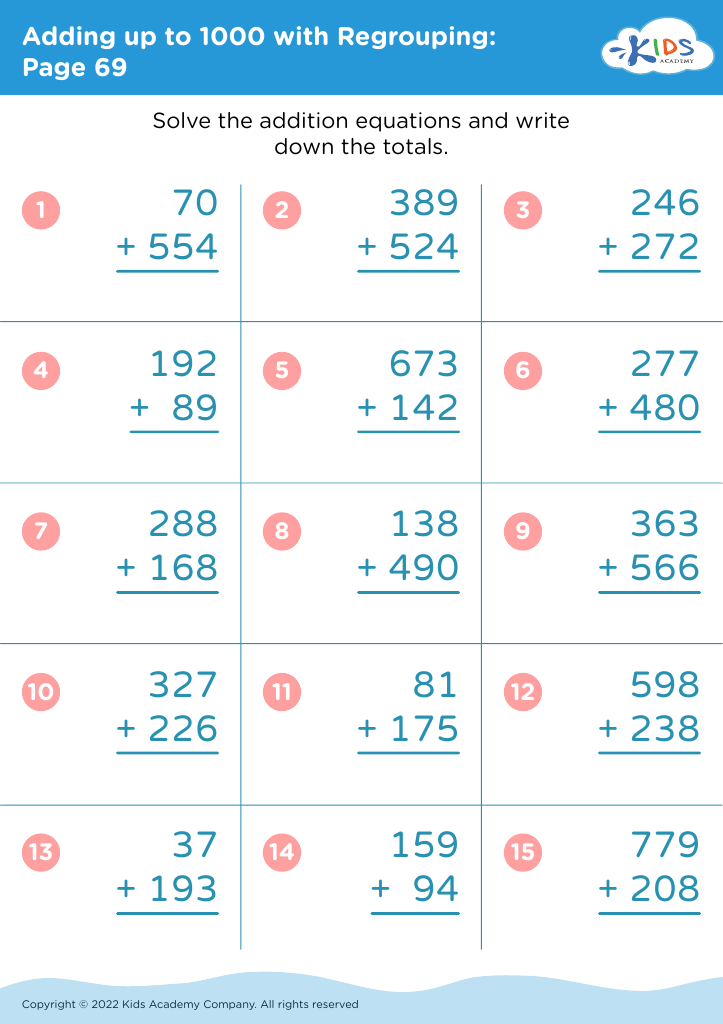
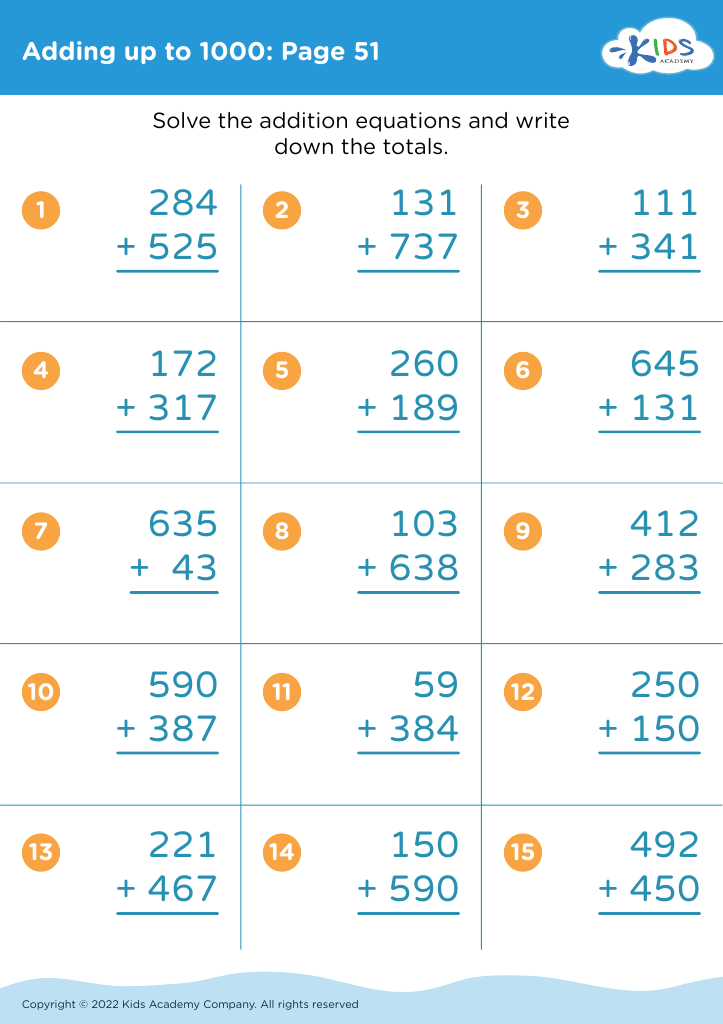
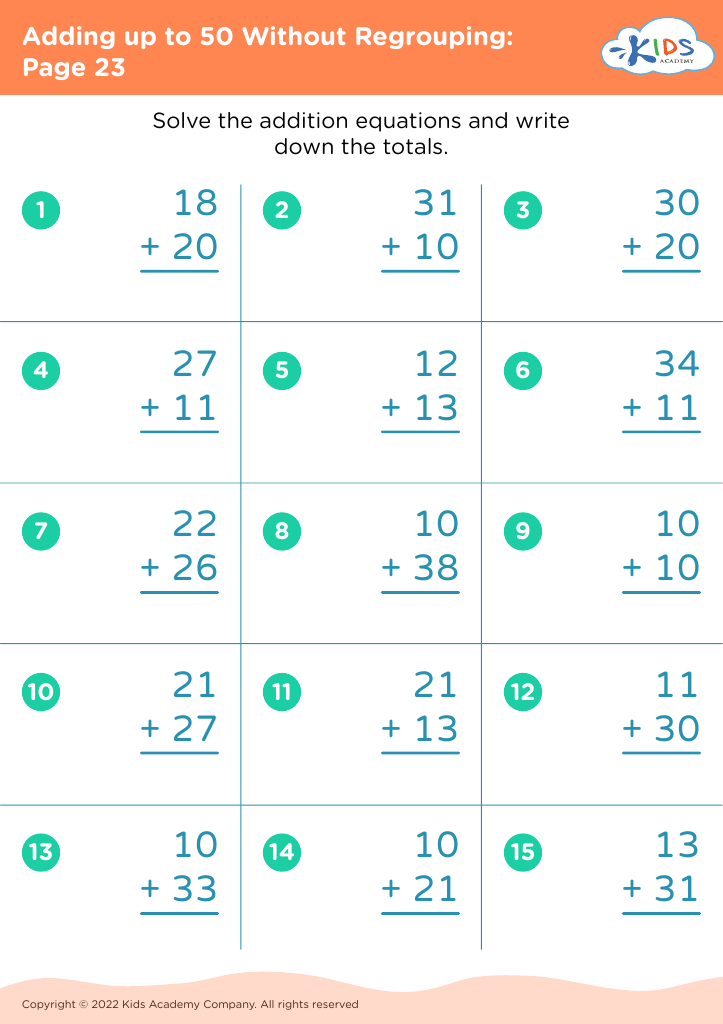
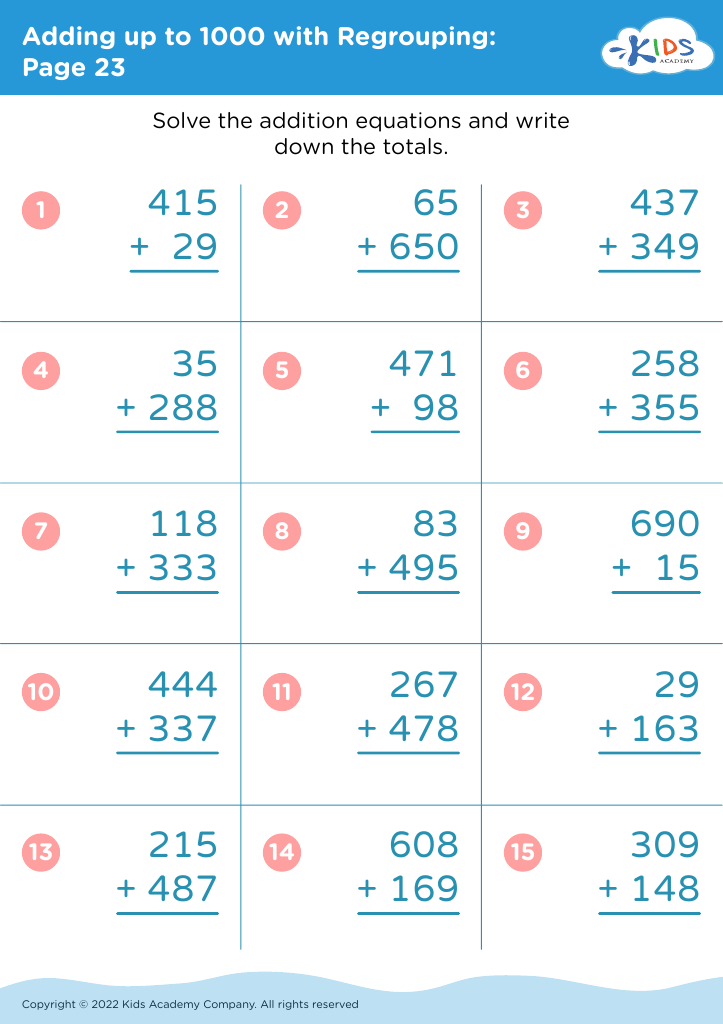
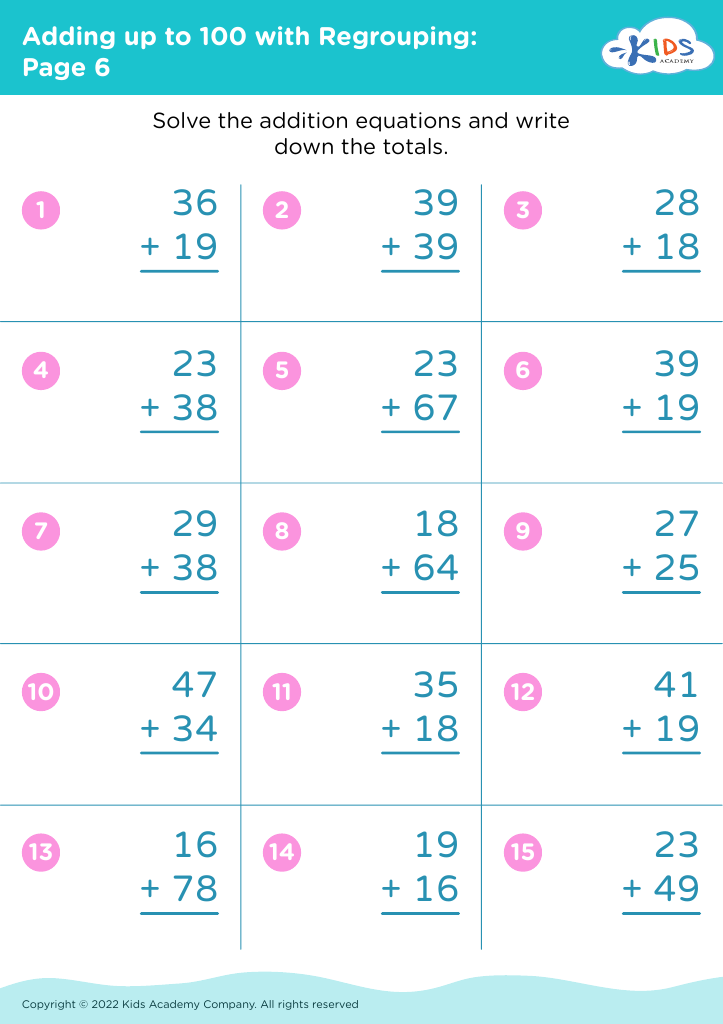
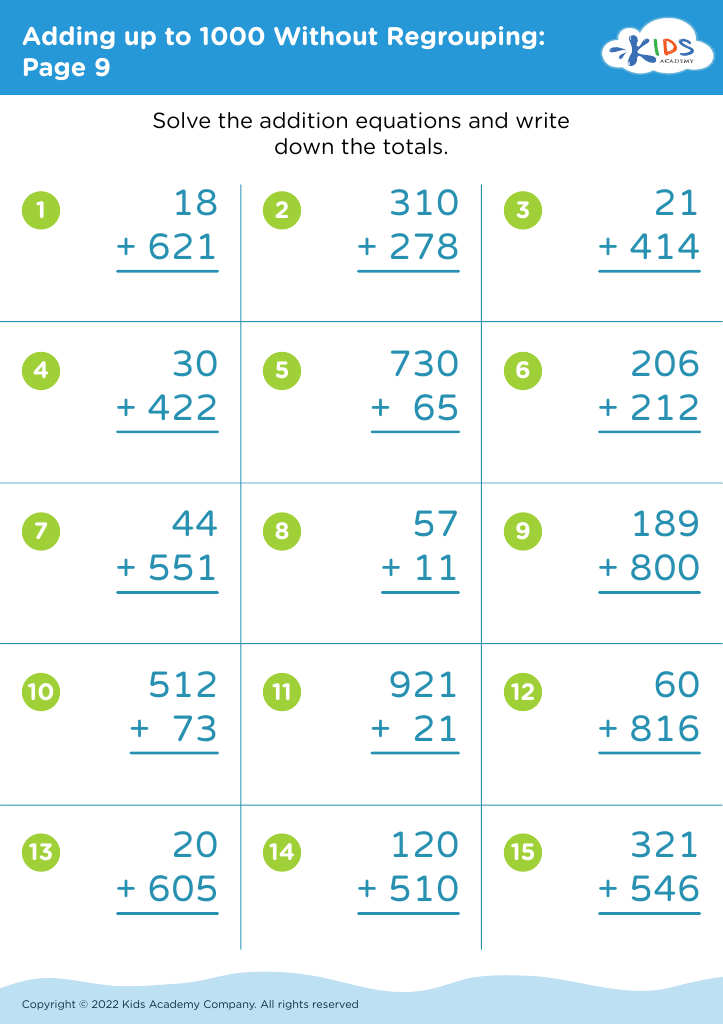
Discover our "Identify Shapes Addition Worksheets" tailored for children ages 3-7, designed to combine essential math skills with fun shape recognition activities. These printable worksheets provide engaging exercises to help young learners practice addition while identifying various shapes such as circles, squares, and triangles. Perfect for preschool and early elementary students, our interactive resources enhance cognitive development and promote foundational math skills. Bright, colorful graphics will keep your child motivated and enthusiastic about learning. Download today and watch your little one’s confidence and abilities grow through play-focused education. Start their path to academic success with Kids Academy!
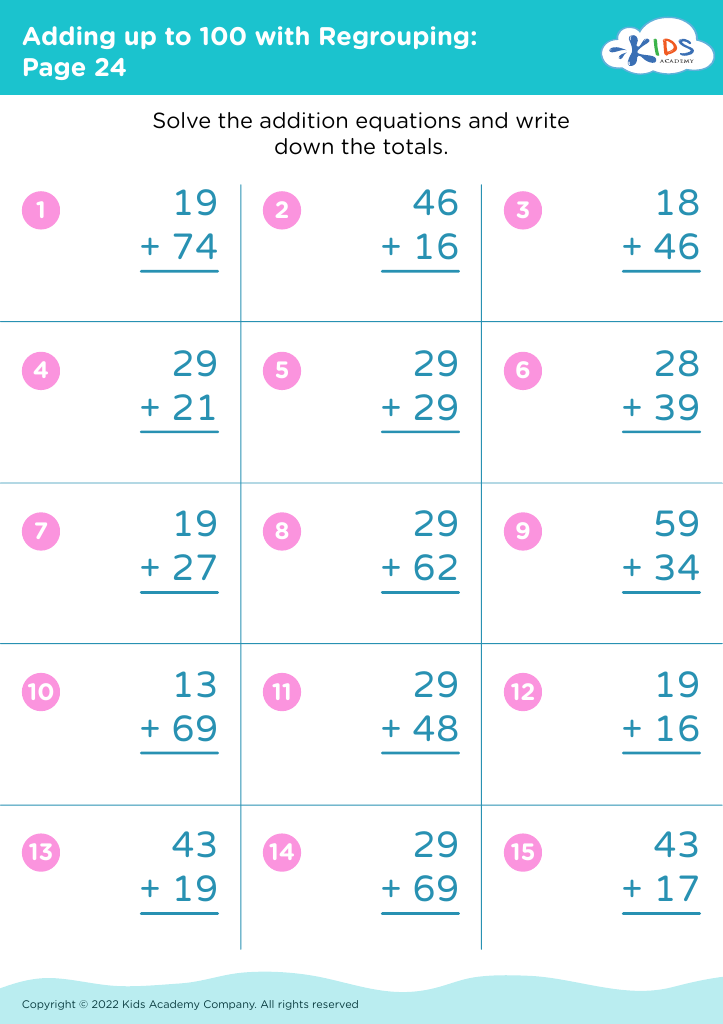
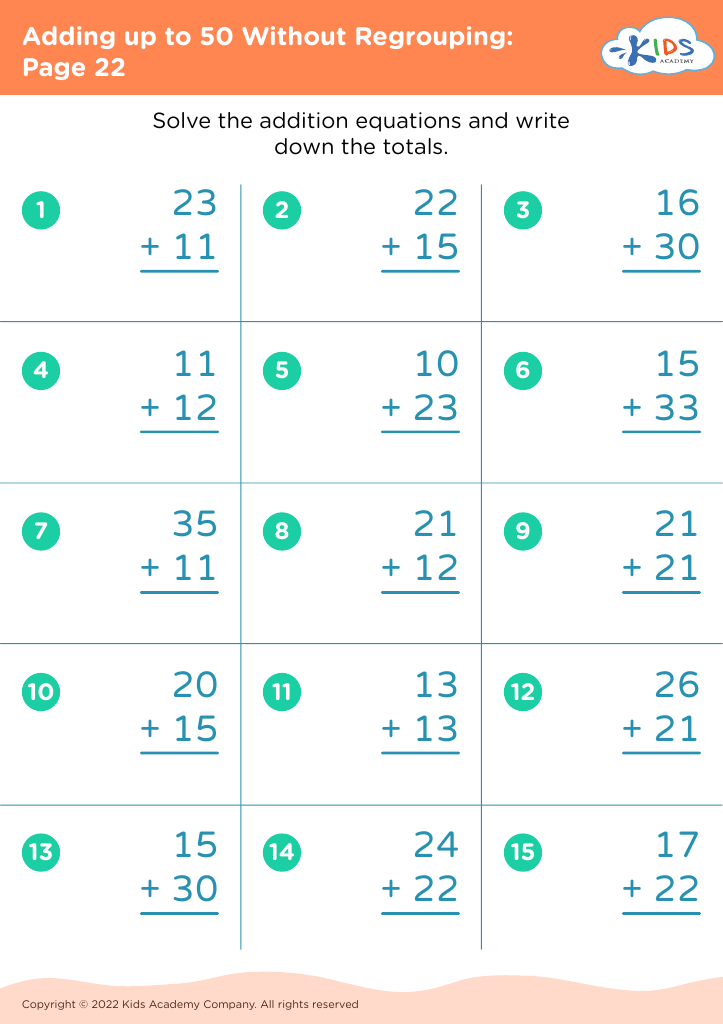
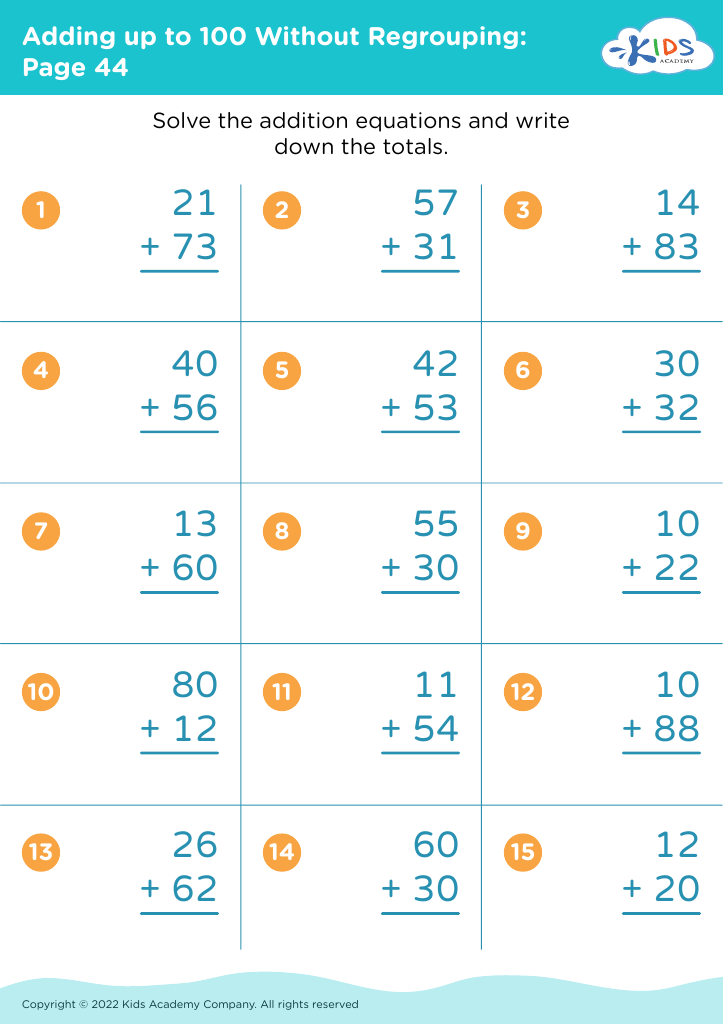
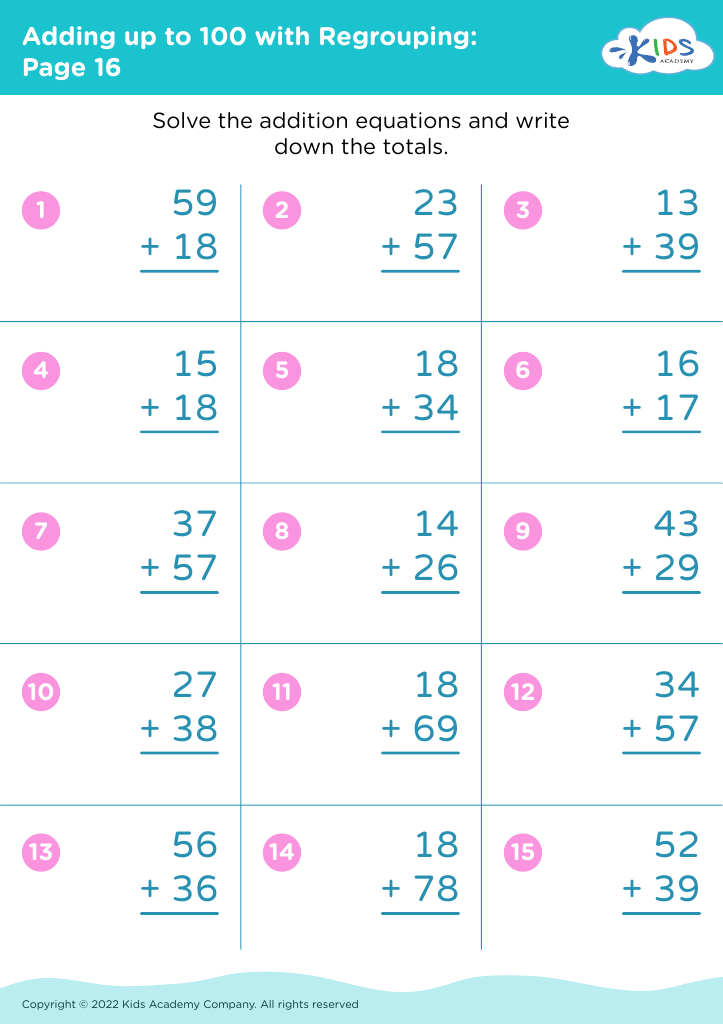








Identifying shapes and understanding addition are foundational skills crucial for the cognitive development of children aged 3-7. When children learn to identify shapes, they enhance their spatial awareness and visual discrimination abilities, which are essential for reading and writing. Recognizing shapes also fosters logical thinking and problem-solving skills, which are vital for early math and science learning. Shapes form the basic building blocks for geometry, and introducing these concepts early sets the groundwork for more complex topics they will encounter later in school.
Addition is another critical skill that plays a pivotal role in mathematics. Early exposure to addition helps children develop number sense, which is the ability to understand and work with numbers fluently. It teaches them the concepts of combining quantities, the idea that bigger numbers can be broken down into smaller parts, and the understanding of simple mathematical operations’ effects on groups of items. These basics are expanded upon in more complex arithmetic and algebra as they advance in school.
By integrating activities that involve identifying shapes and practicing addition, parents and teachers can create a stimulating learning environment. This not only makes learning fun but also ignites a curiosity for math and enhances cognitive abilities supporting overall academic success. Investing time and effort in these foundational skills prepares children for a smoother educational journey ahead.








