Identifying Animals Addition Worksheets for Ages 3-7
5 filtered results
-
From - To
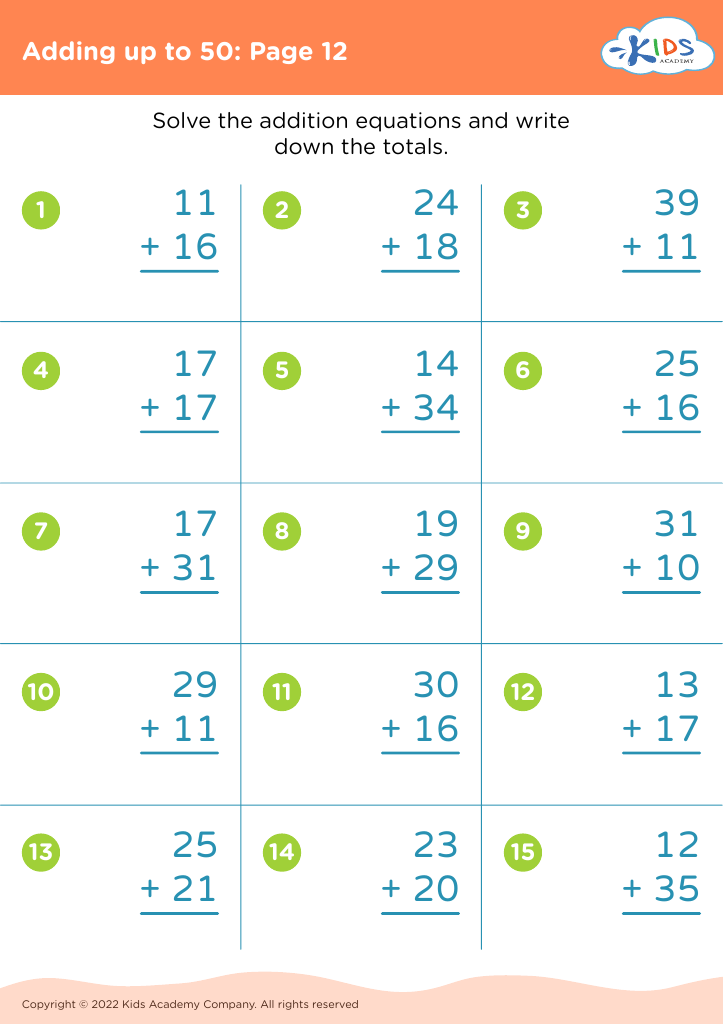
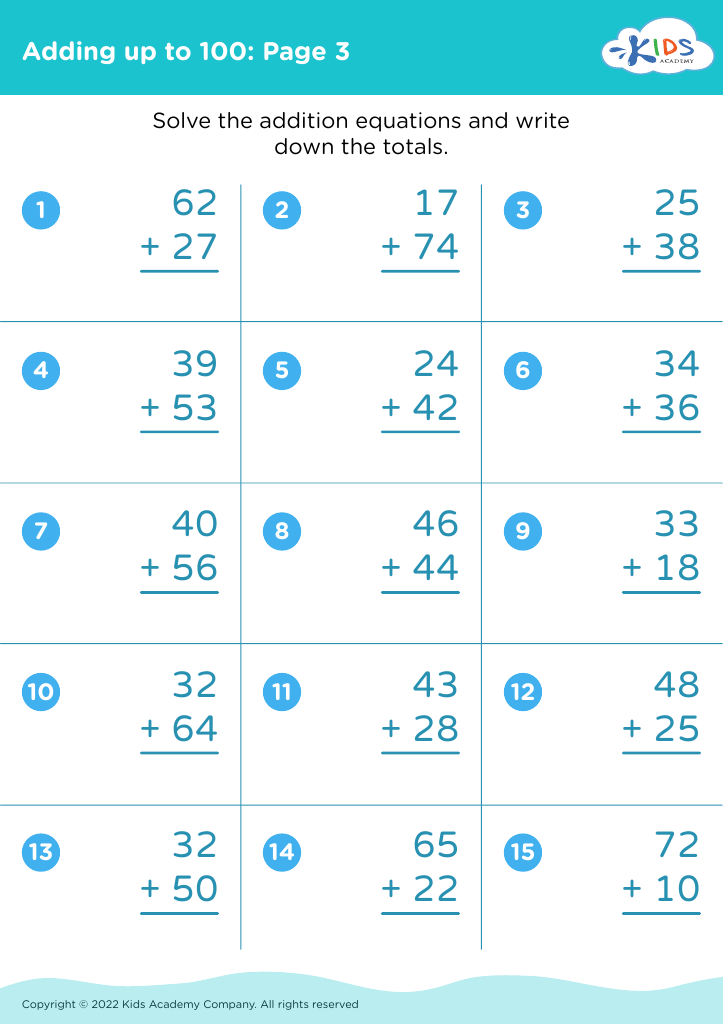
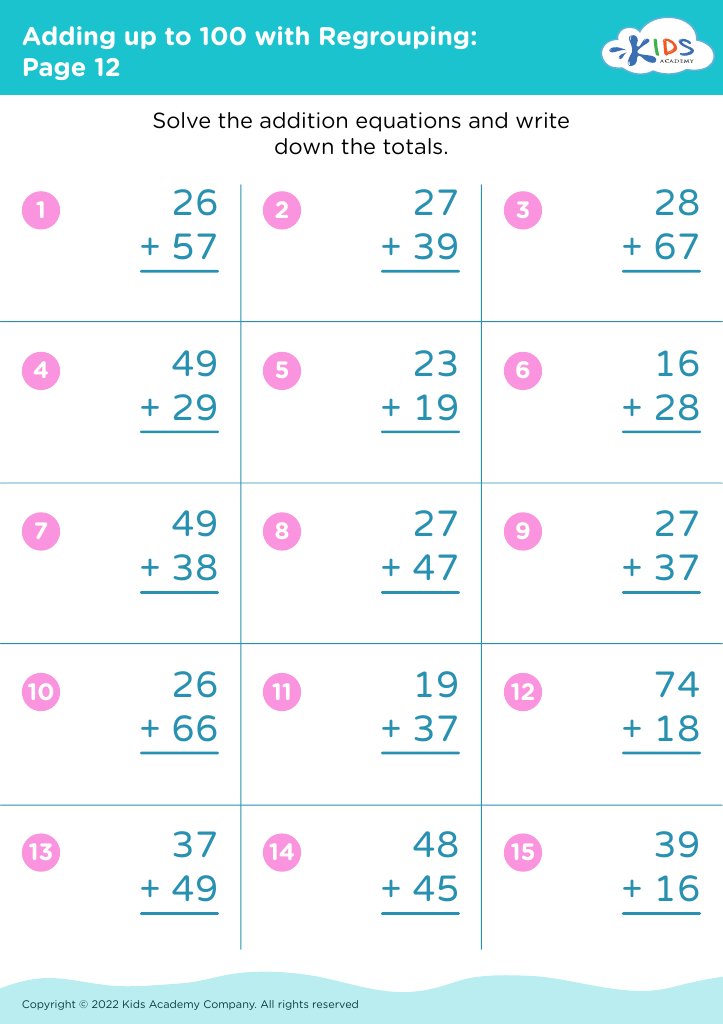
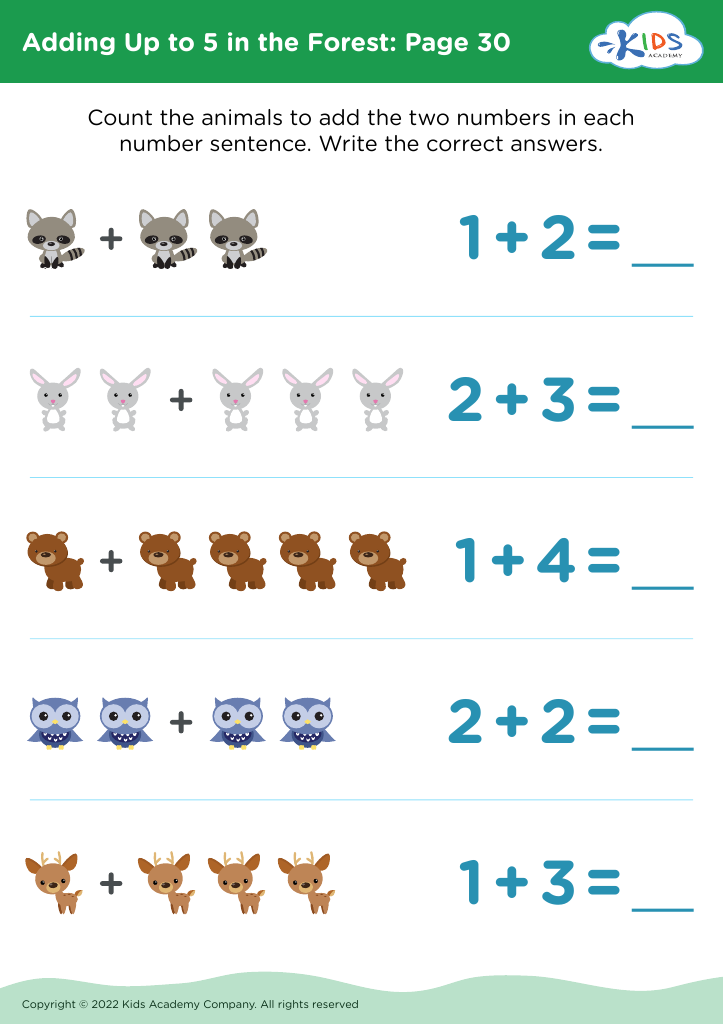
Introducing our "Identifying Animals Addition Worksheets" for ages 3-7! These engaging and educational worksheets combine fun animal identification activities with essential addition practice to captivate young learners. Perfect for early grade students, these worksheets help children develop basic math skills while also expanding their knowledge of animal names and characteristics. Featuring colorful illustrations and easy-to-follow exercises, our worksheets are designed to make learning enjoyable and interactive. Ideal for parents and educators seeking creative and effective teaching tools, the "Identifying Animals Addition Worksheets" provide a delightful way to boost your child's arithmetic and observation skills.
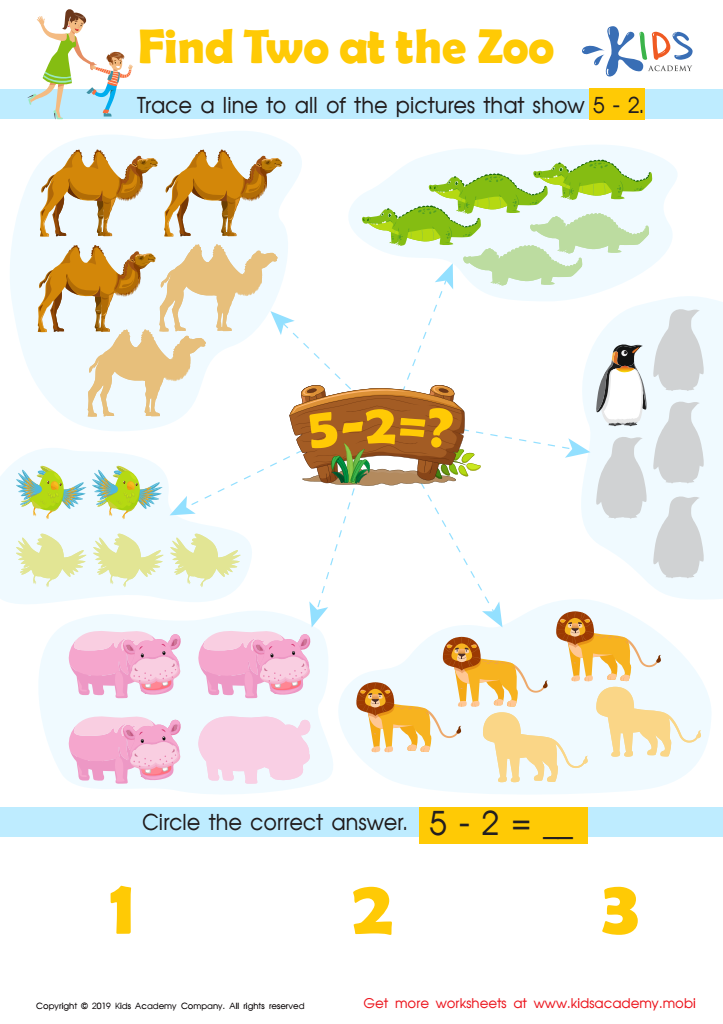
Find Two at the Zoo Worksheet
 Assign to My Students




.jpg)



Identifying animals and engaging in addition exercises for children aged 3-7 provides a dual benefit of cognitive and developmental growth. At this formative stage, children's brains are highly receptive to new information and skills. By focusing on animals, parents and teachers introduce children to the diversity of the natural world, fostering curiosity and an early appreciation for biology and ecology. Recognizing different animals helps enhance a child’s vocabulary and understanding of the world, building essential descriptive and categorical skills.
Incorporating addition exercises brings a vital numeracy aspect to their learning. Basic arithmetic is a cornerstone of early education, supporting logical thinking, problem-solving, and the ability to handle daily tasks that involve numbers. When addition is combined with animal identification, such as asking children how many legs three birds have, learning becomes interactive and enjoyable, which aids memory retention and strengthens both counting and critical thinking skills.
Overall, embedding these two learning aspects together ensures a balanced development, preparing children for more advanced educational concepts while maintaining an engaging and stimulating learning environment. Parents and teachers supporting these activities are crucial in laying a solid foundation that influence positive attitudes towards both math and science in their formative years.








