Numeracy skills Addition Worksheets for Ages 3-7
10 filtered results
-
From - To
Our Numeracy Skills Addition Worksheets are specially crafted for young learners aged 3-7, designed to make mastering addition fun and engaging. Each worksheet features visually appealing illustrations and step-by-step instructions that help kids understand basic arithmetic concepts effortlessly. Tailored games and exercises facilitate interactive learning, nurturing mathematical confidence and foundational skills. Perfect for both classroom and at-home practice, our printable resources promote critical thinking and problem-solving abilities. Make math an exciting adventure for your child with our expertly designed addition worksheets, ideal for enhancing numeracy proficiency at an early age.
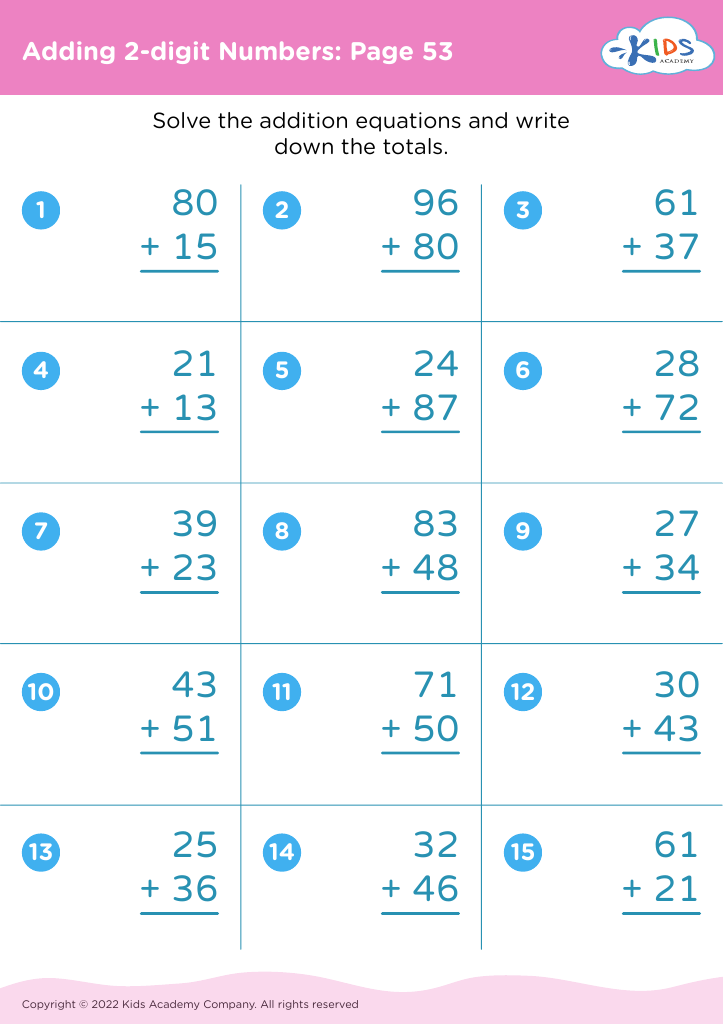
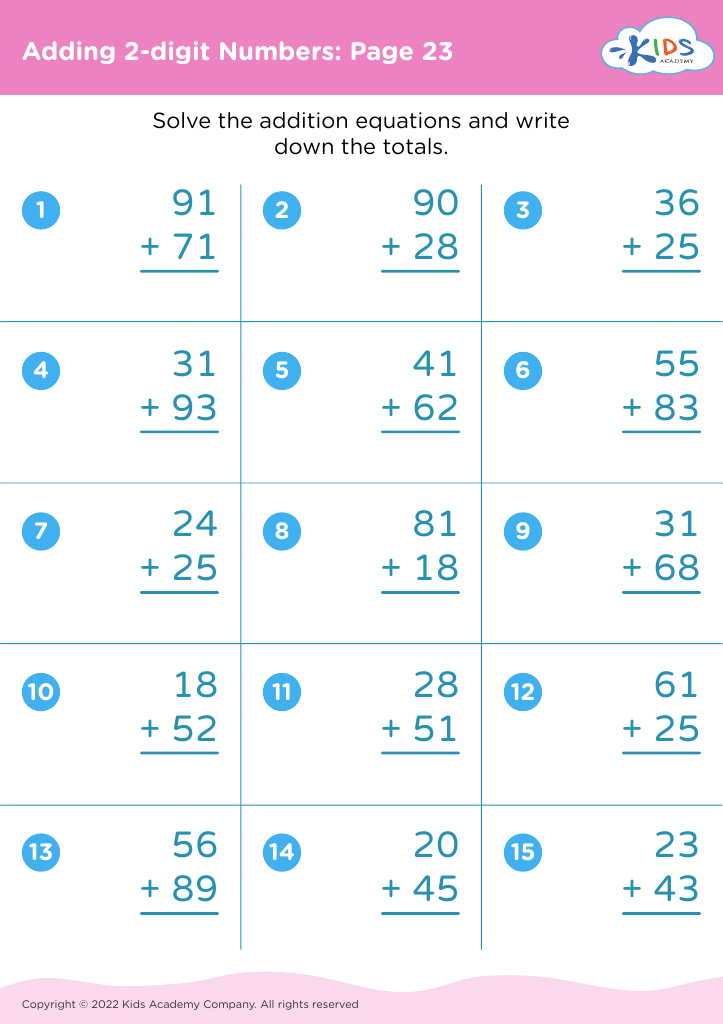
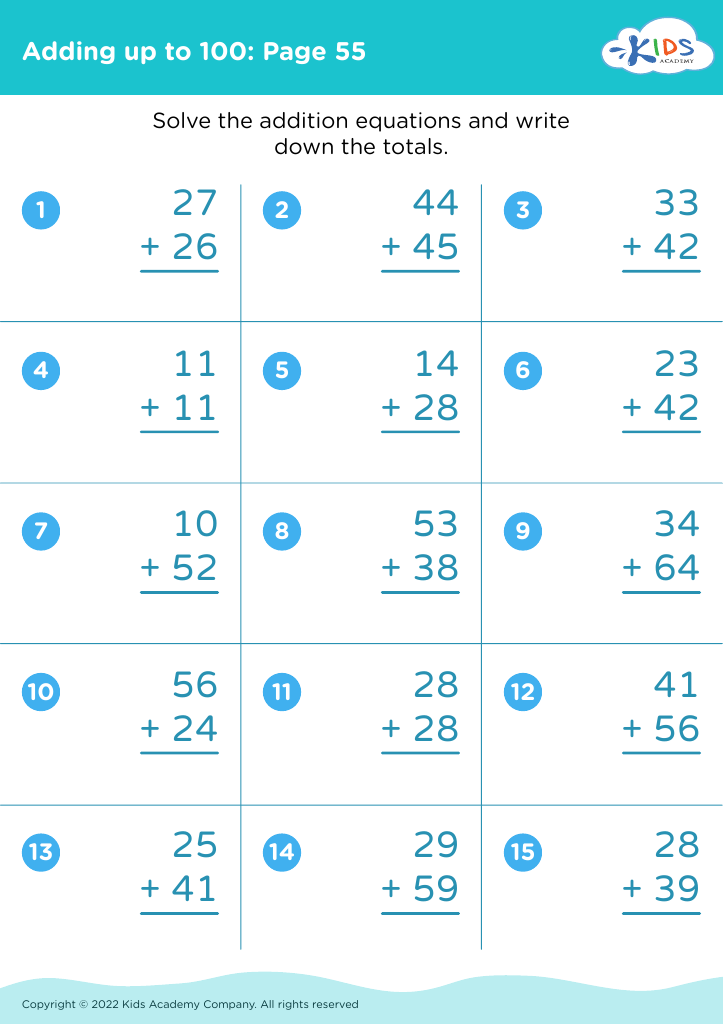
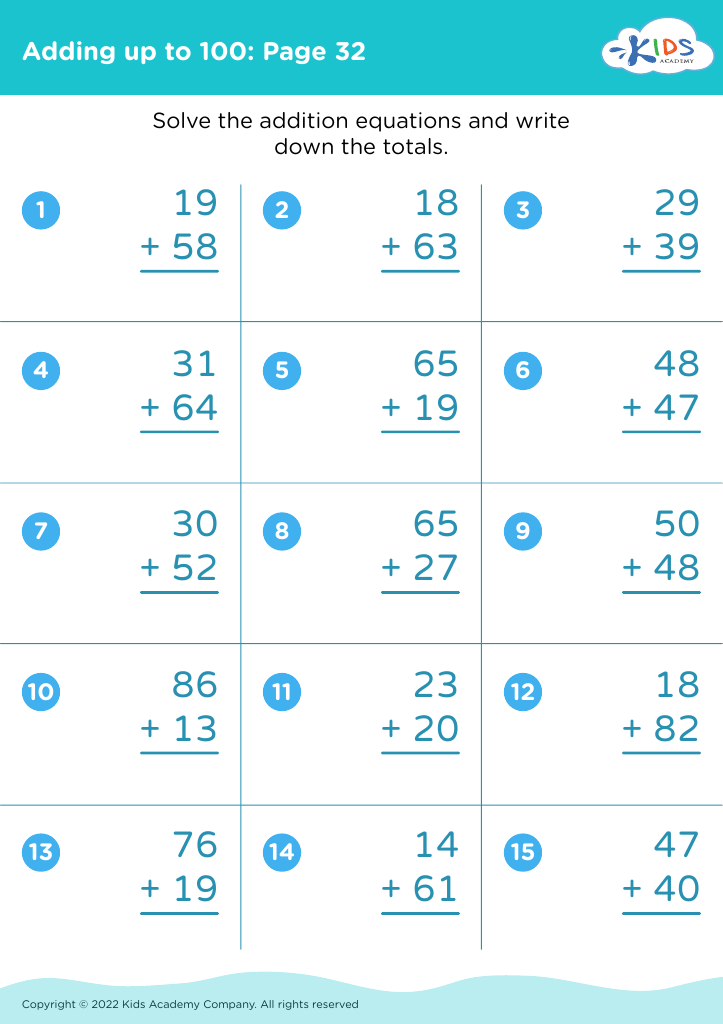
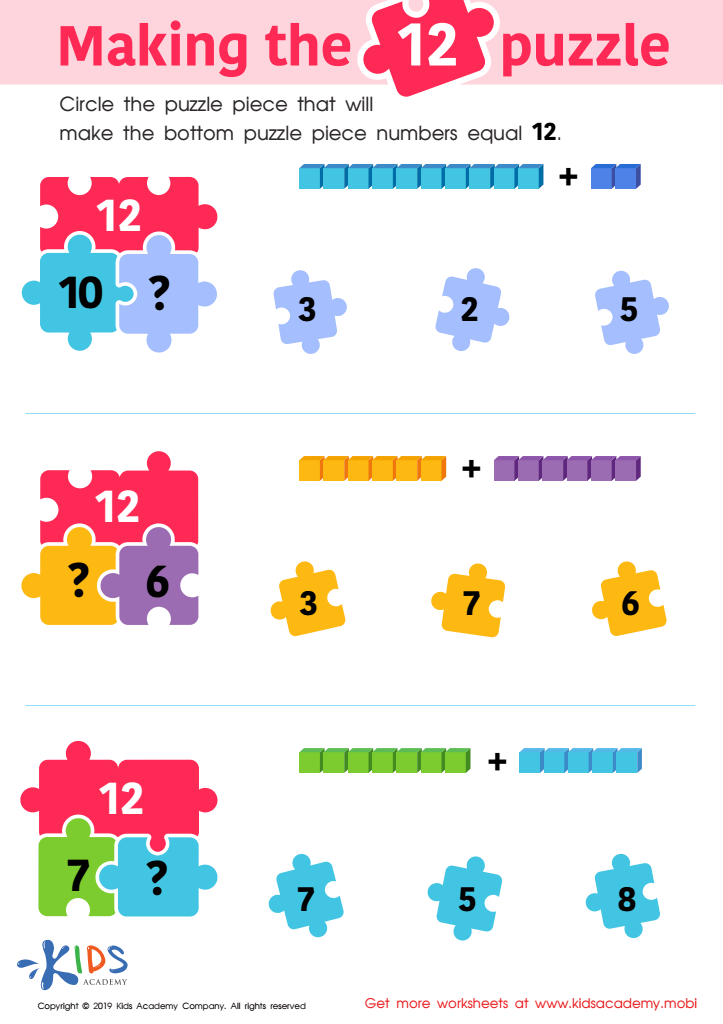
Making the 12 Puzzle Worksheet
 Assign to My Students
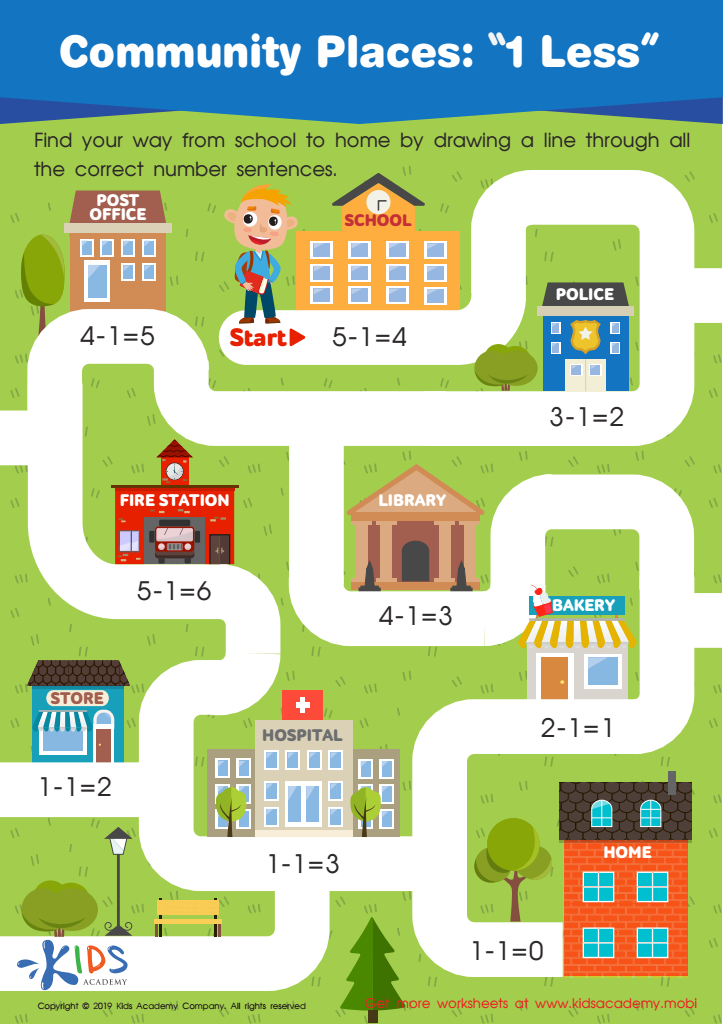
Community Places: 1 Less Worksheet
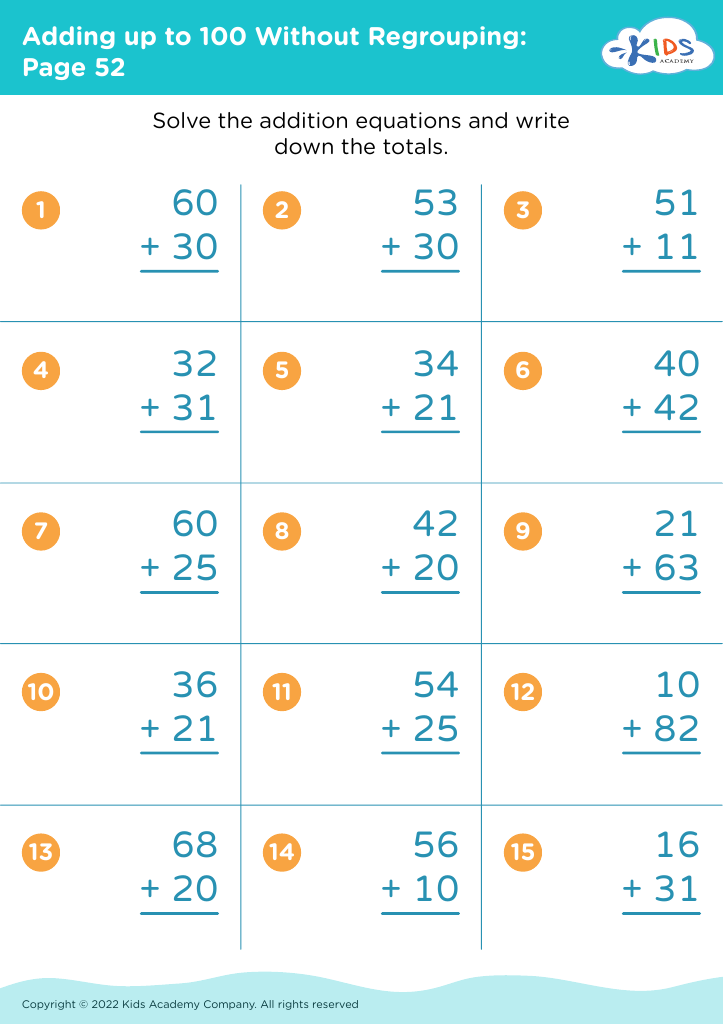



.jpg)


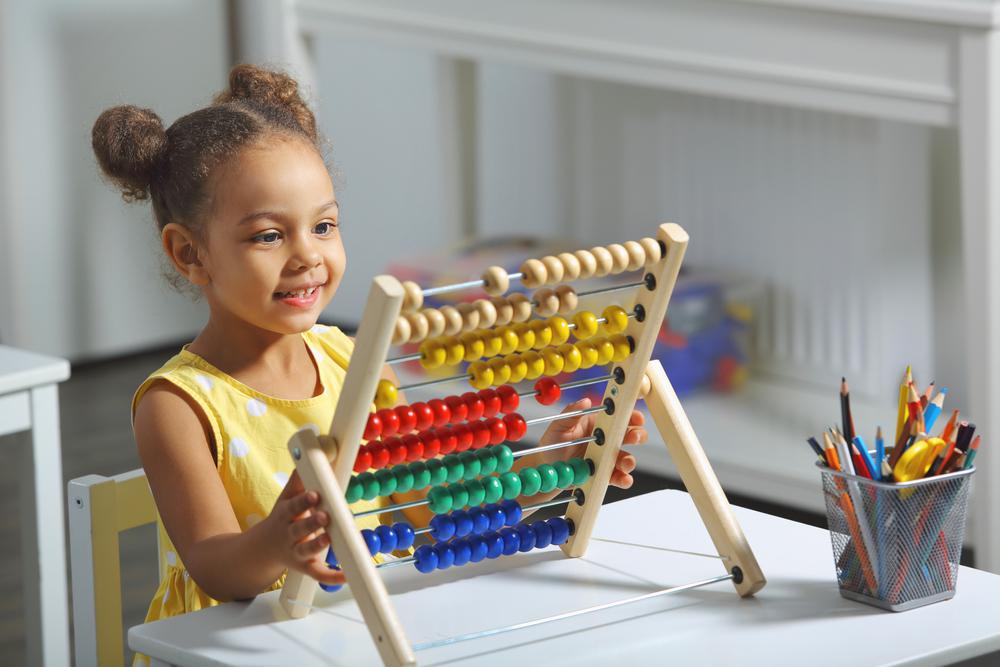

Numeracy skills, particularly addition, are foundational for young children's overall cognitive development and academic success. For ages 3-7, honing these skills can significantly influence future learning and everyday problem-solving abilities. At this formative stage, children are like sponges, eager and able to absorb basic numerical concepts. When parents and teachers prioritize teaching addition, they lay the groundwork for more complex math learning in the future.
First and foremost, addition helps young children develop logical thinking and pattern recognition. These are not just mathematical skills but are applicable to reading, science, and even social studies, fostering well-rounded intellectual development. Addition also teaches simple problem-solving strategies and reinforces concentration, both essential for future academic tasks.
Moreover, mastering addition helps build confidence and reduces math anxiety, a common issue as children progress in school. Positive early experiences with math enable children to approach future challenges with a more positive mindset.
Introducing addition within real-world contexts, like counting toys or sharing snacks, helps children see the practical relevance of math in everyday life. This connection not only makes learning fun but also enhances engagement and retention. Therefore, investing time in teaching addition to 3-7-year-olds is an investment in their lifelong learning journey.








