
Practice multiplication Addition Worksheets for Ages 3-7
8 filtered results
Difficulty Level
Grade
Age
-
From - To
Subject
Activity
Standards
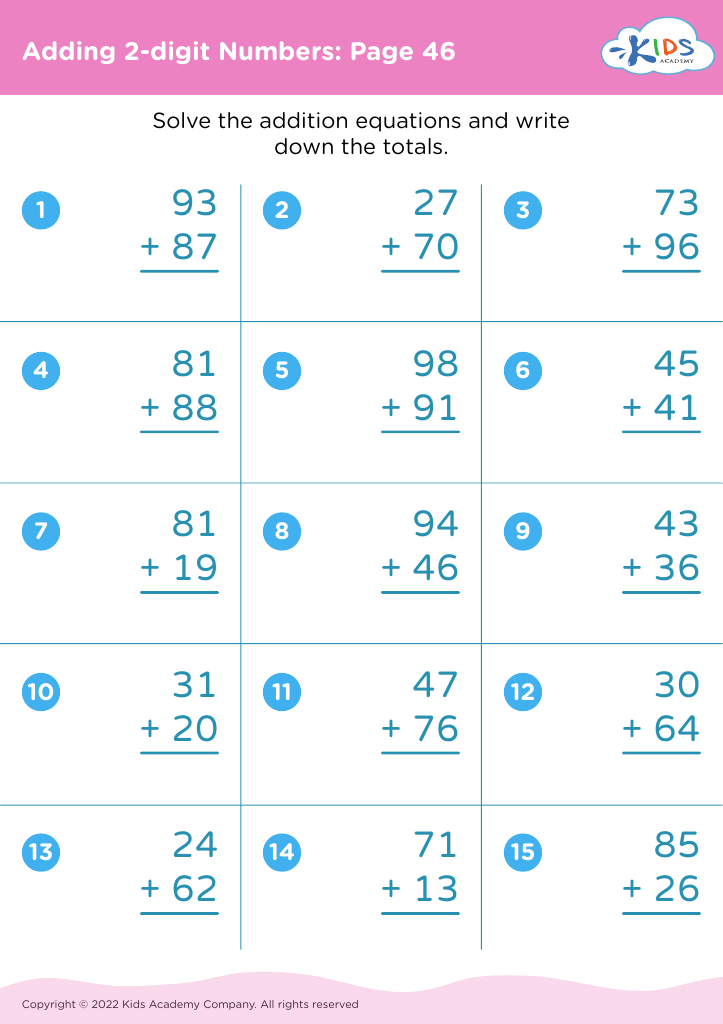
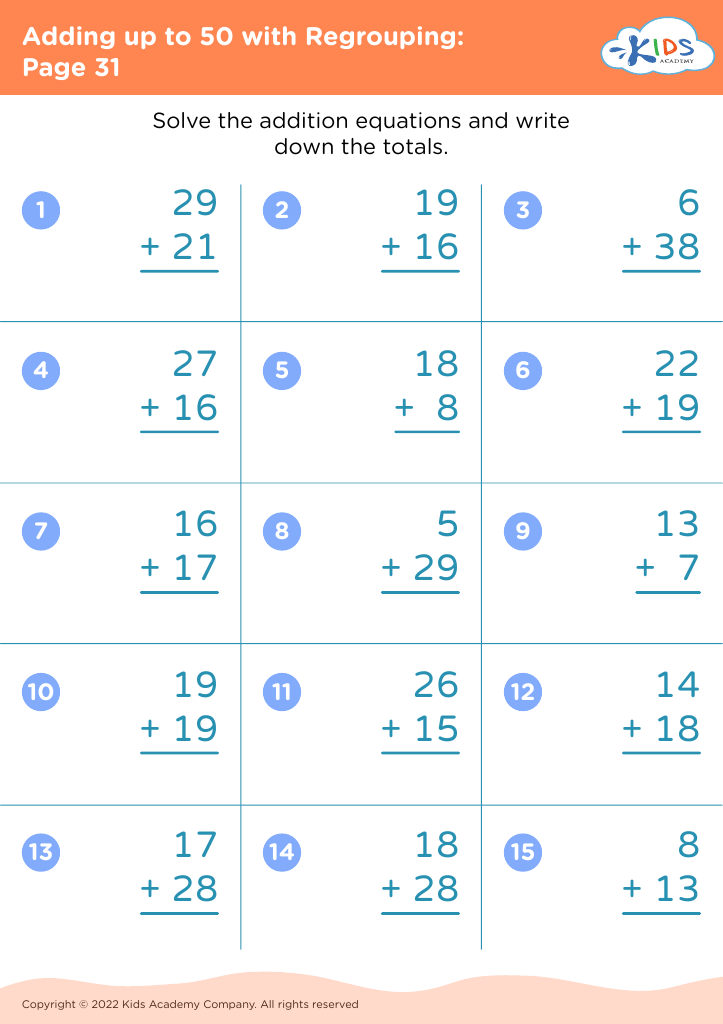
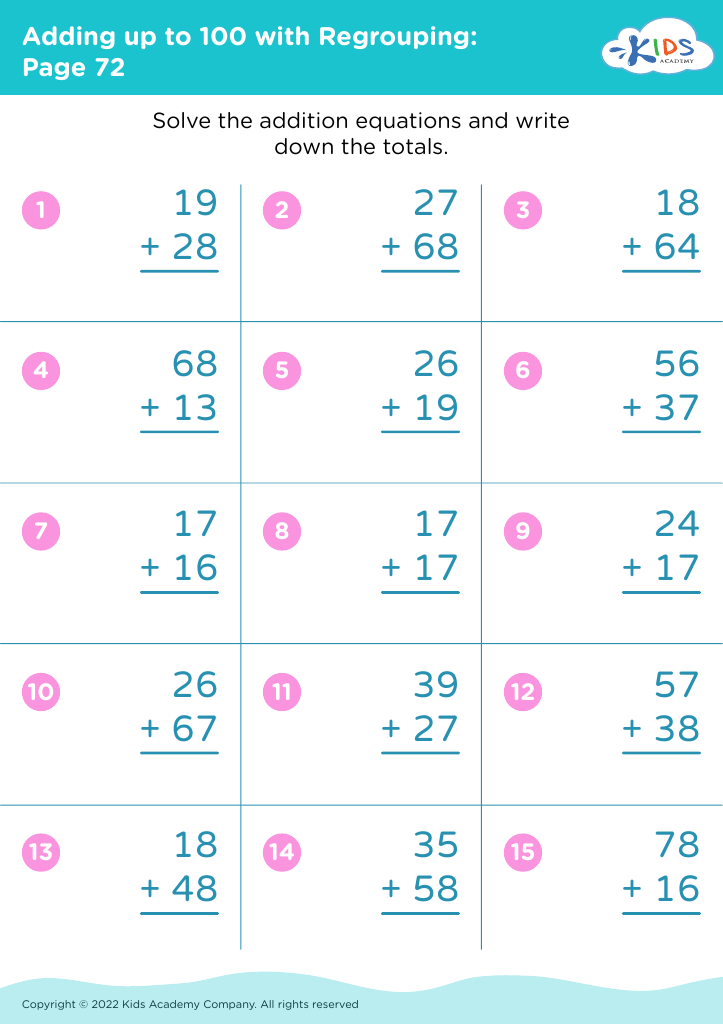
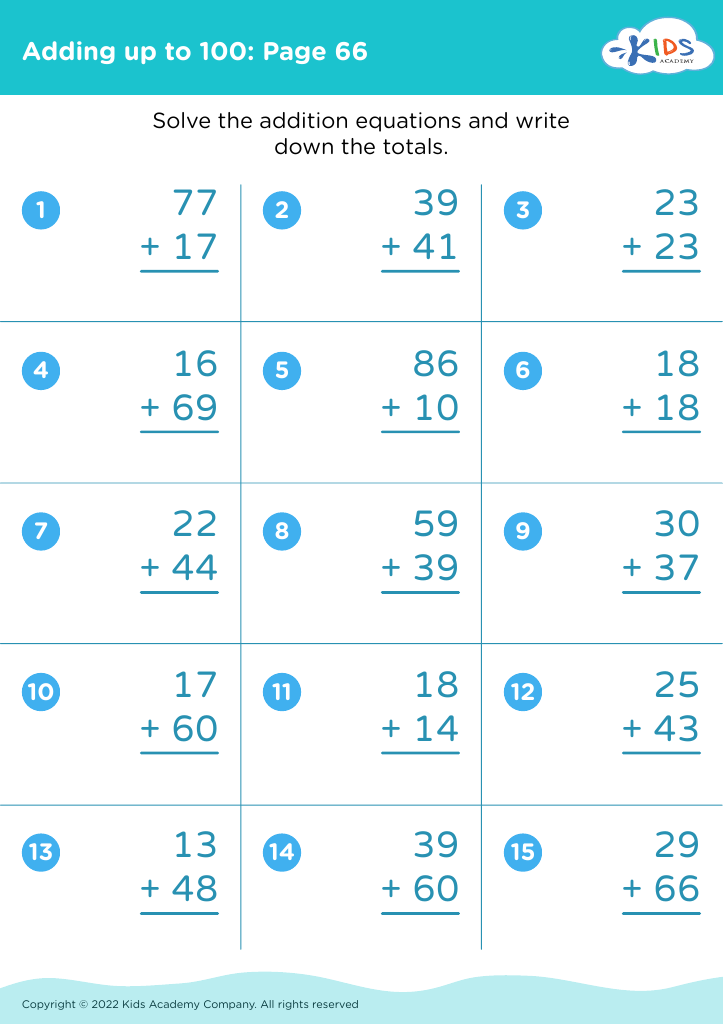
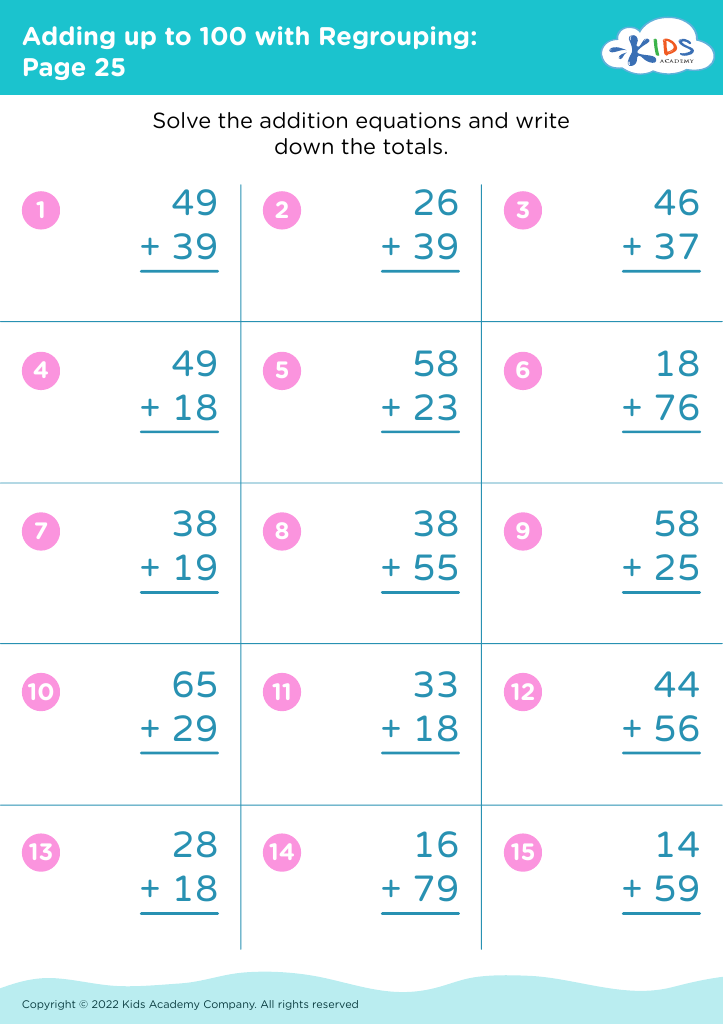
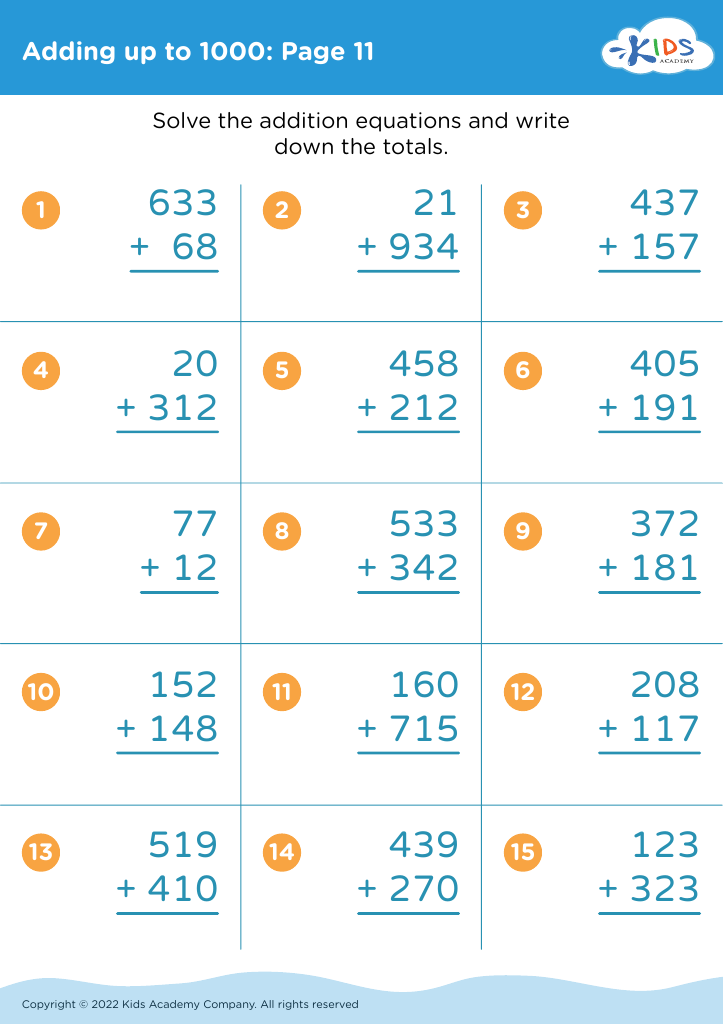
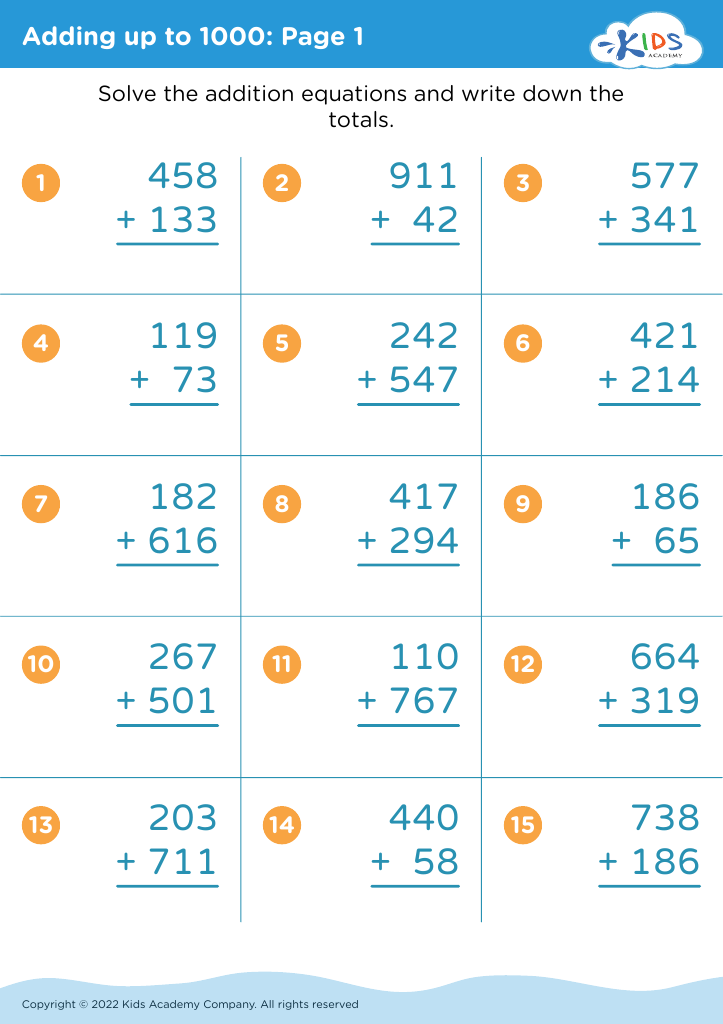
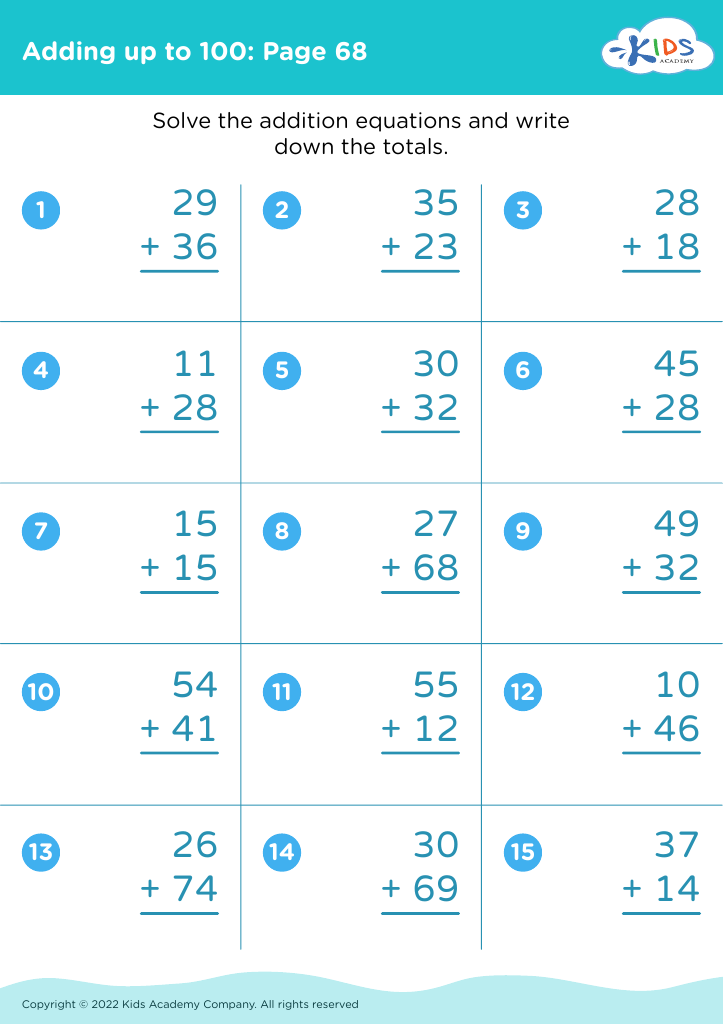
Enhance your child's math skills with our engaging multiplication and addition worksheets designed for ages 3-7! Perfect for young learners, these printable resources make mastering basic math concepts fun and interactive. Each worksheet is tailored to gradually introduce multiplication, reinforcing addition as a foundational skill. Our colorful and playful designs captivate children's attention while they practice critical problem-solving and number recognition. With suitable challenges that grow in difficulty, these worksheets are great for classroom use or at-home learning. Help your child build confidence in their math abilities and lay the groundwork for future success with our expertly crafted worksheets today!
Favorites
With answer key
Interactive
Join Kids Academy for Free
Who is primarily going to use this learning content?








Parents and teachers should emphasize the practice of multiplication and addition for children aged 3-7 because early math skills lay the foundation for future learning. During these formative years, children are naturally curious and eager to explore concepts, making them a prime time for introducing basic arithmetic.
Practicing addition and multiplication helps young learners develop crucial cognitive skills, such as problem-solving and logical reasoning. It enhances their ability to understand patterns, sequences, and relationships between numbers, which are essential for everyday tasks and more advanced mathematical operations later on. Furthermore, incorporating fun and interactive methods during practice—such as games, songs, and hands-on activities—engages children actively, fostering a positive attitude toward math.
These foundational skills also play a critical role in building confidence. Mastery of basic arithmetic allows children to feel successful in their abilities, encouraging them to tackle harder mathematical concepts in the future. Additionally, these skills are essential for real-world applications, from budgeting with allowances to understanding time and measurements.
In essence, prioritizing multiplication and addition practice in early education not only supports academic achievement but also promotes lifelong skills and fosters a love for learning in children.








