Understand fractions Addition Worksheets for Ages 3-7
19 filtered results
-
From - To
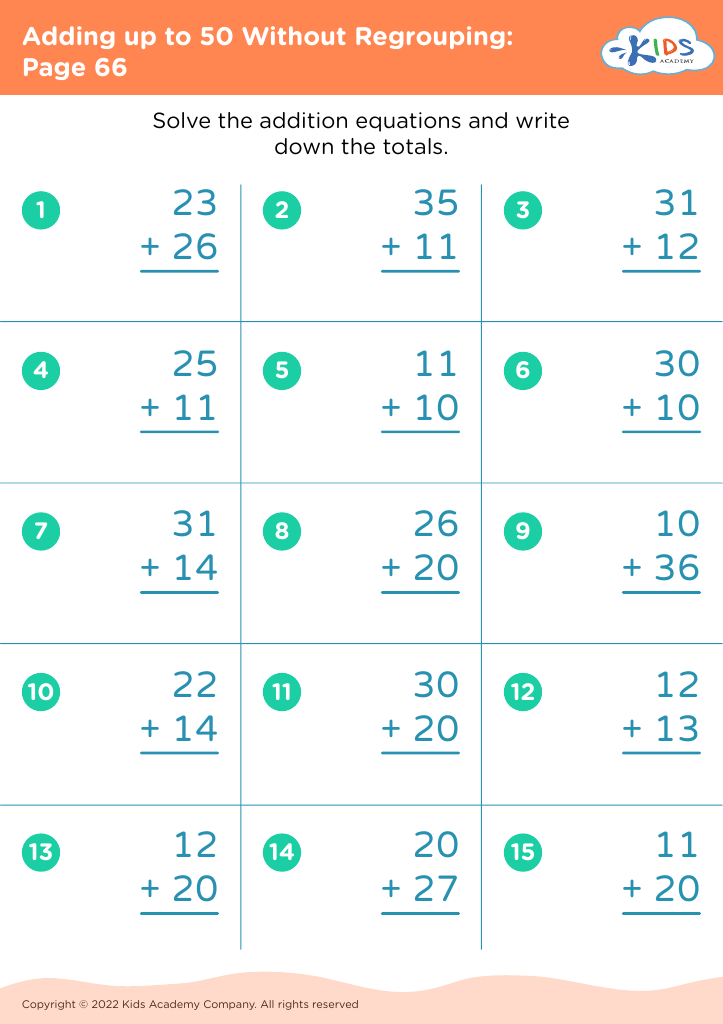
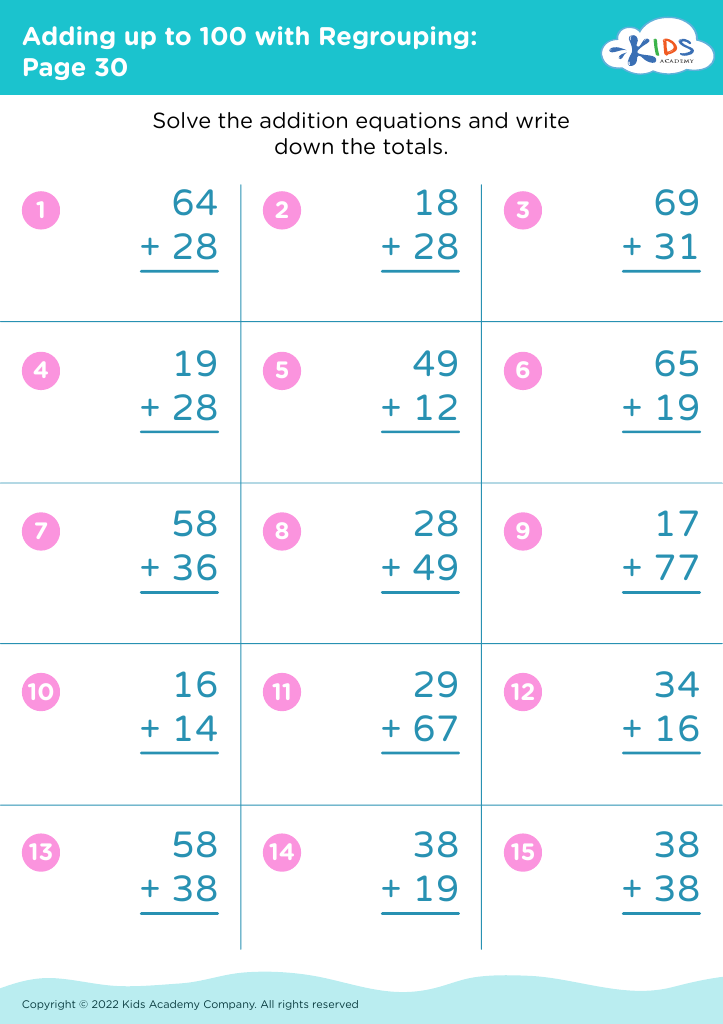
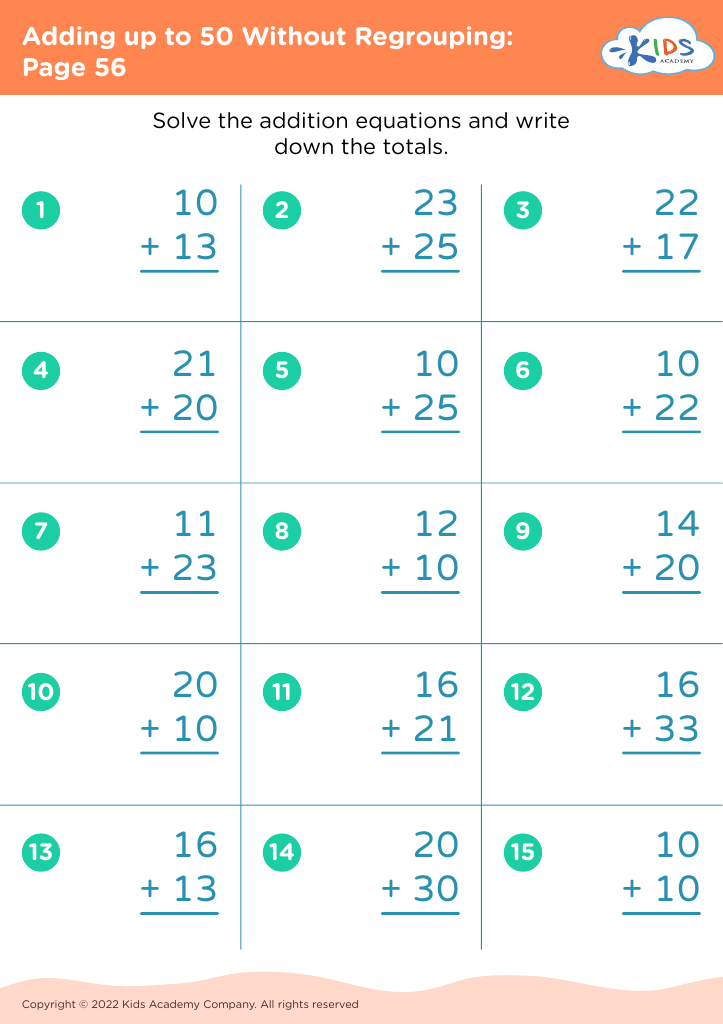
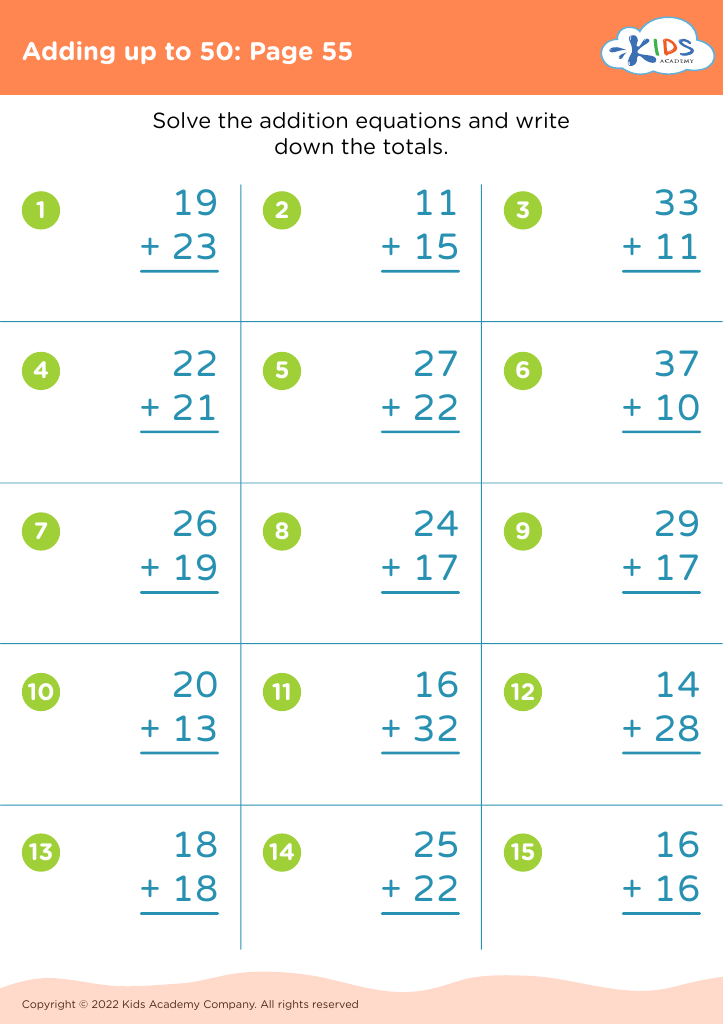
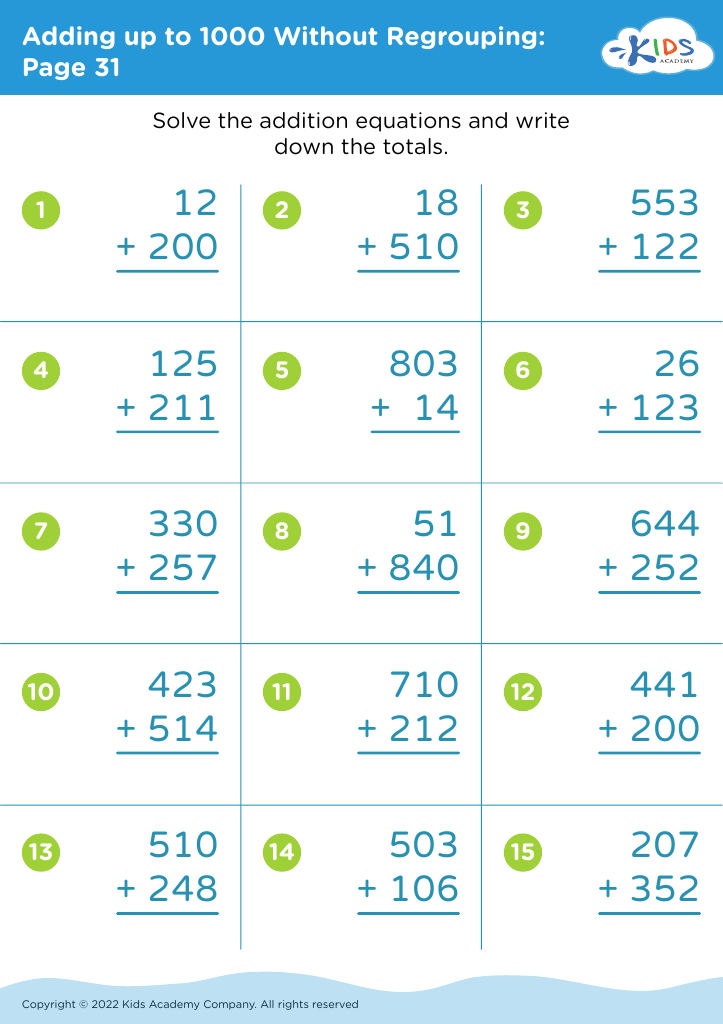
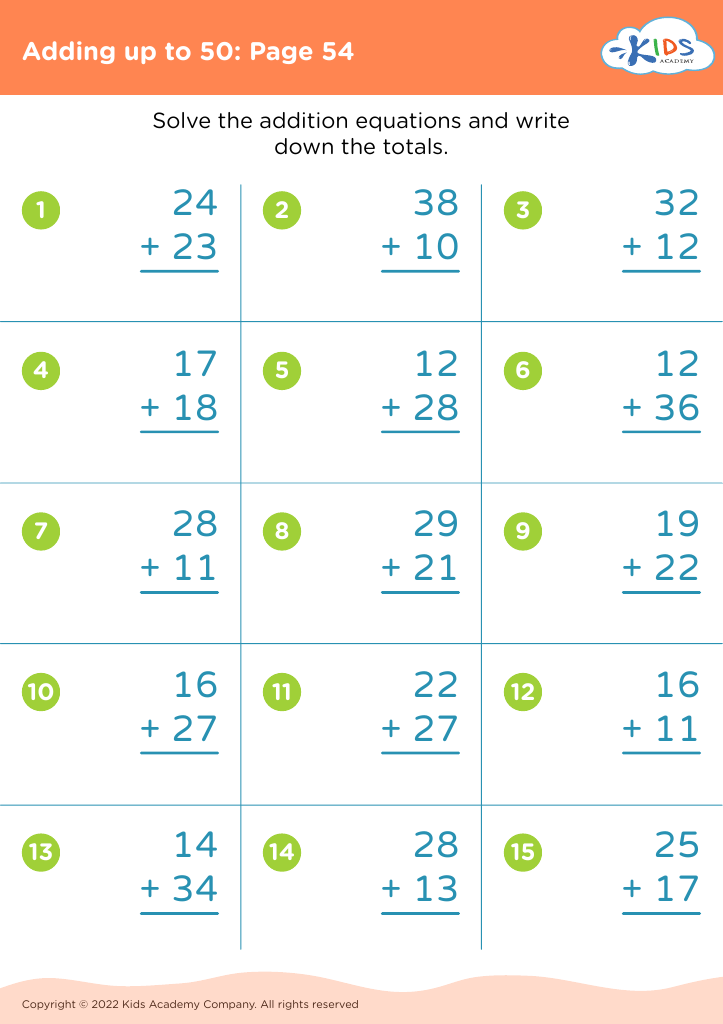
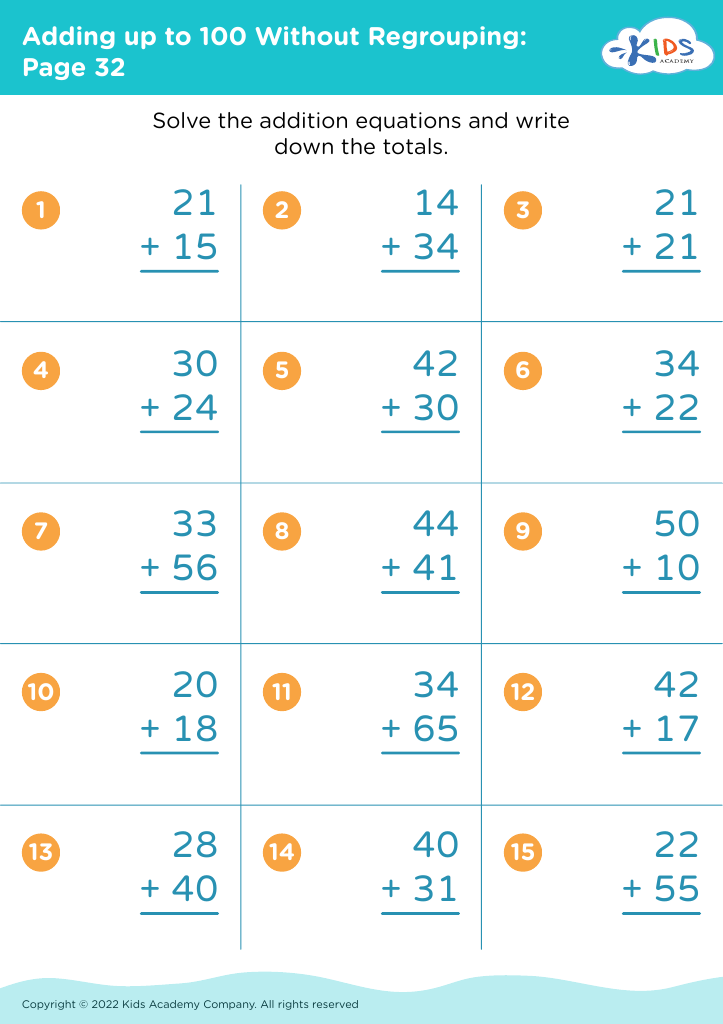
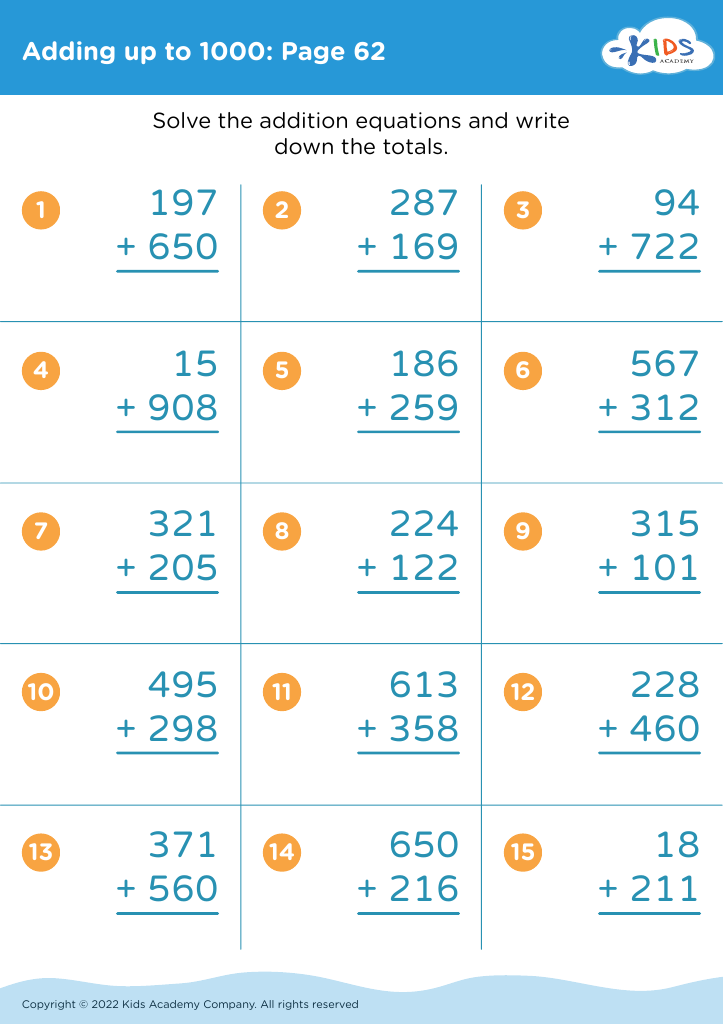
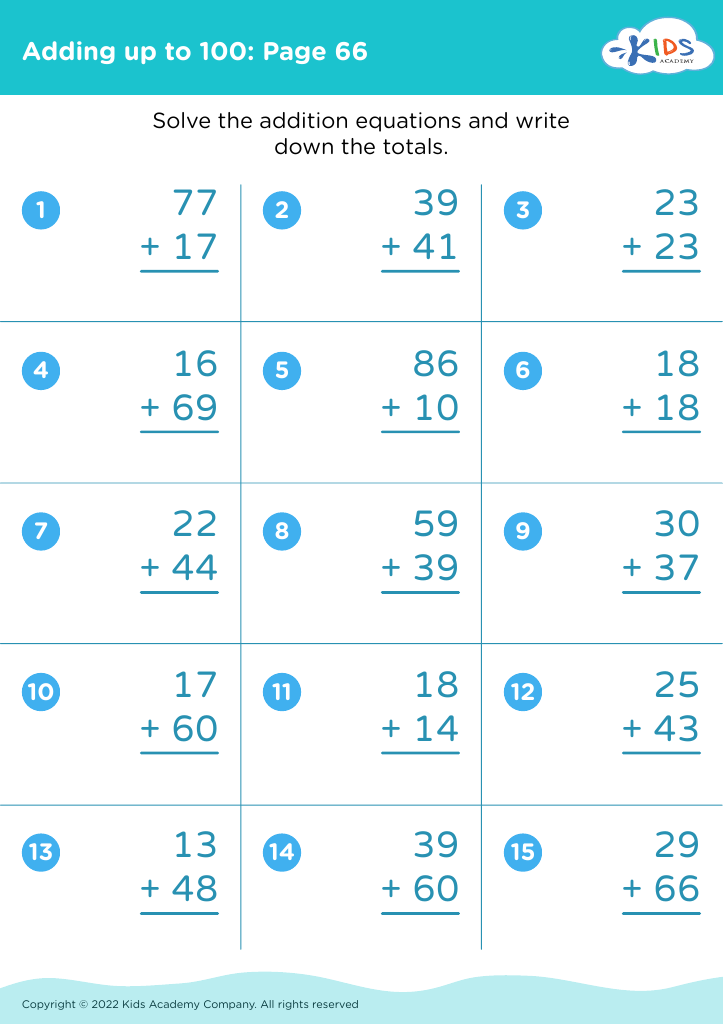
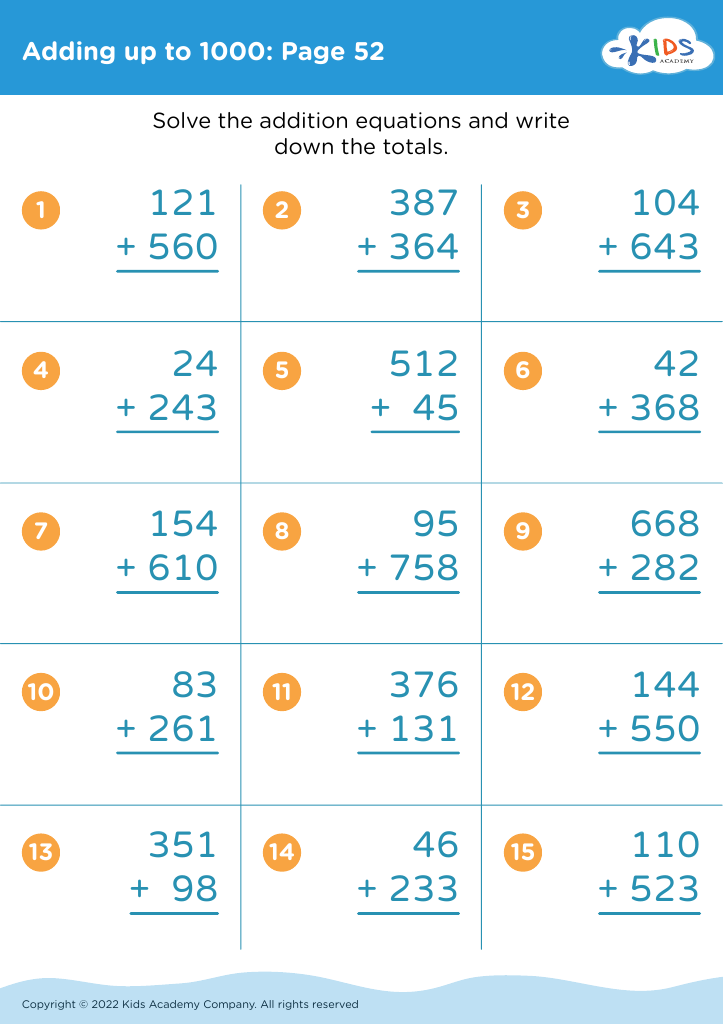
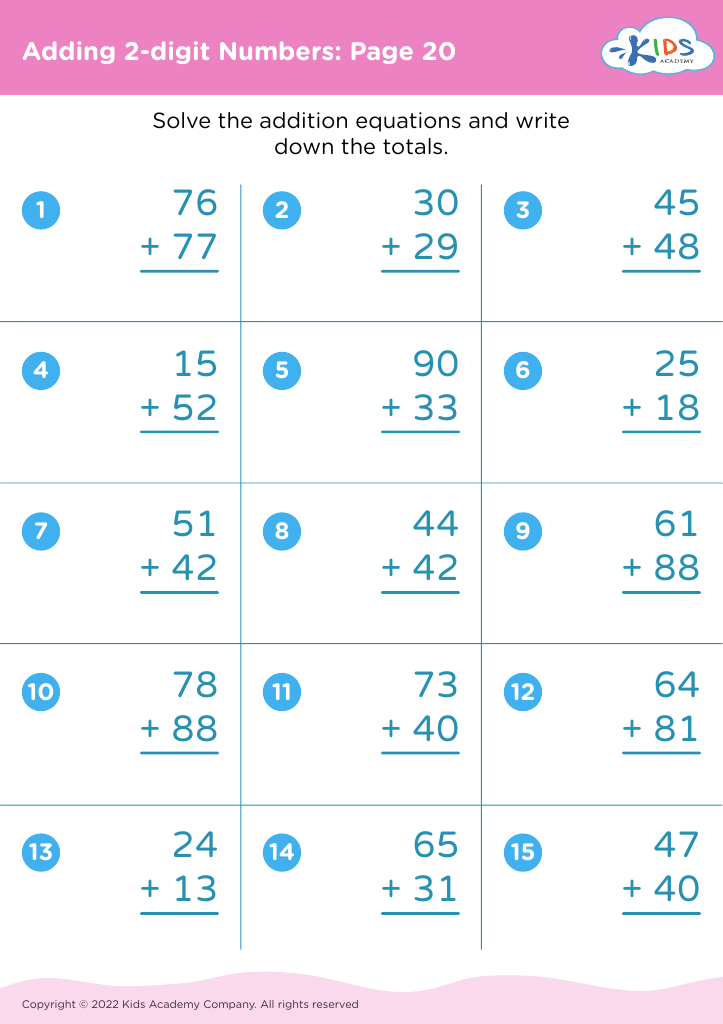
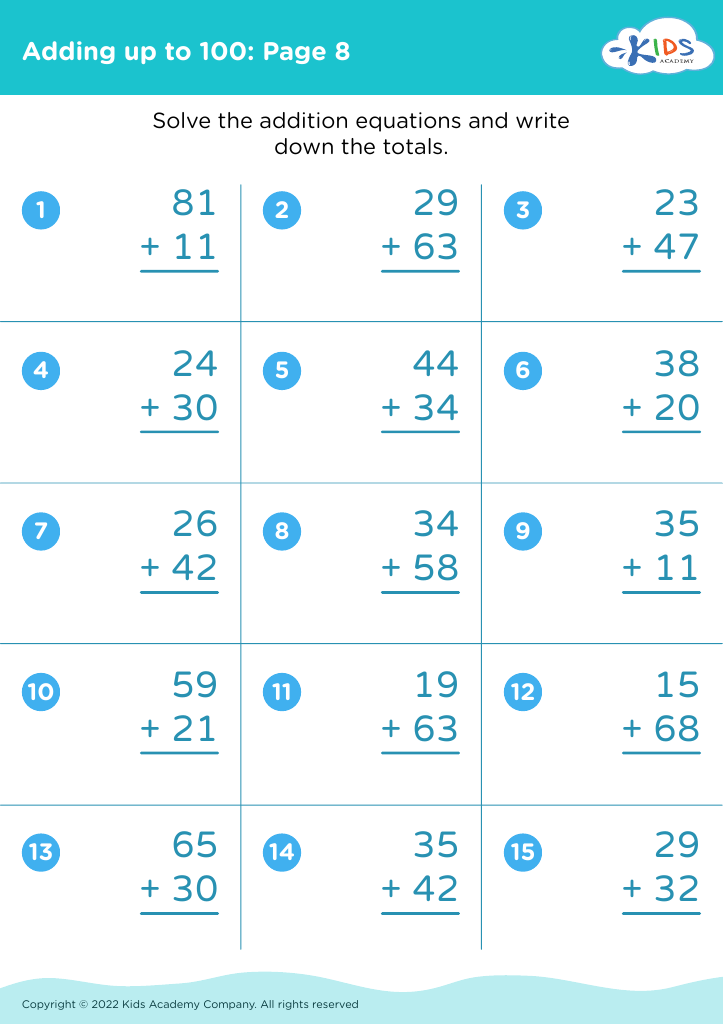
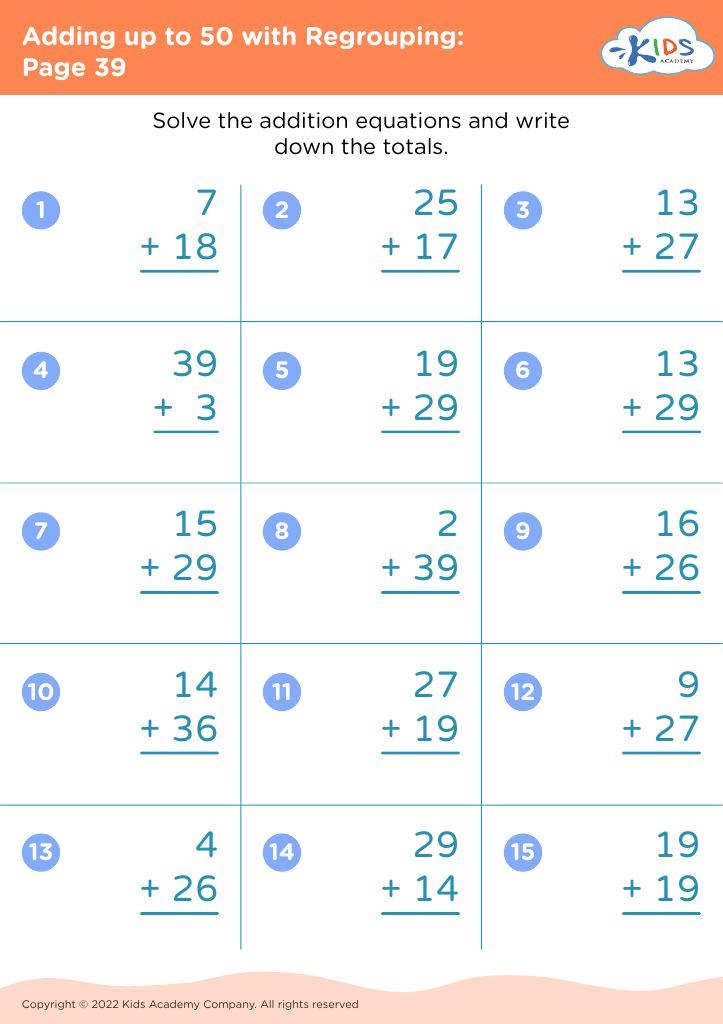
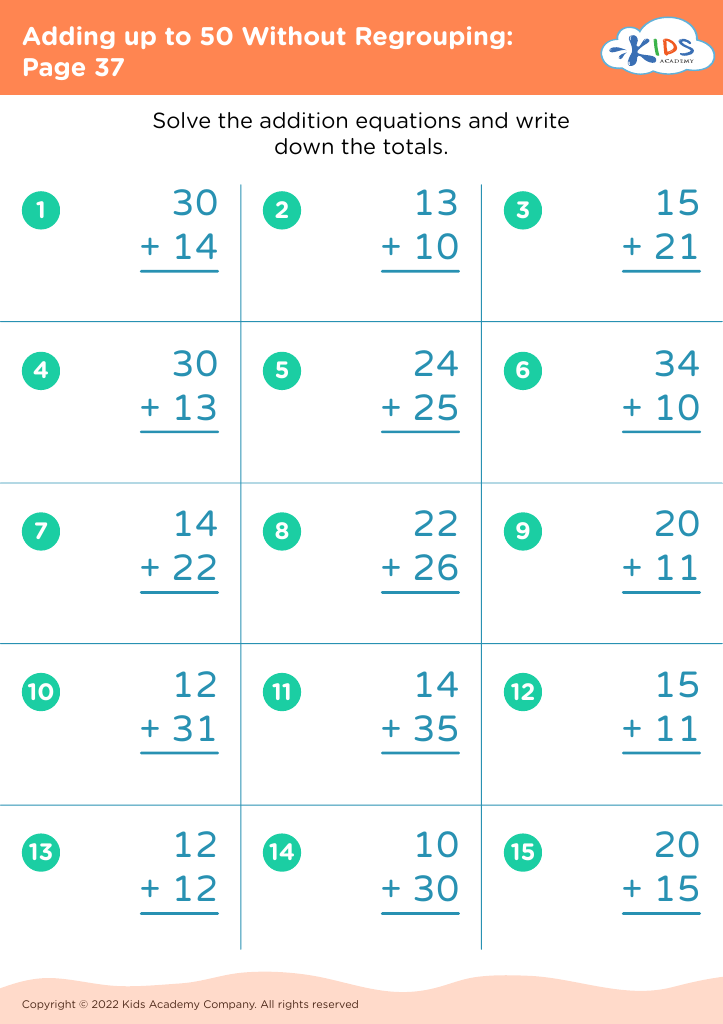
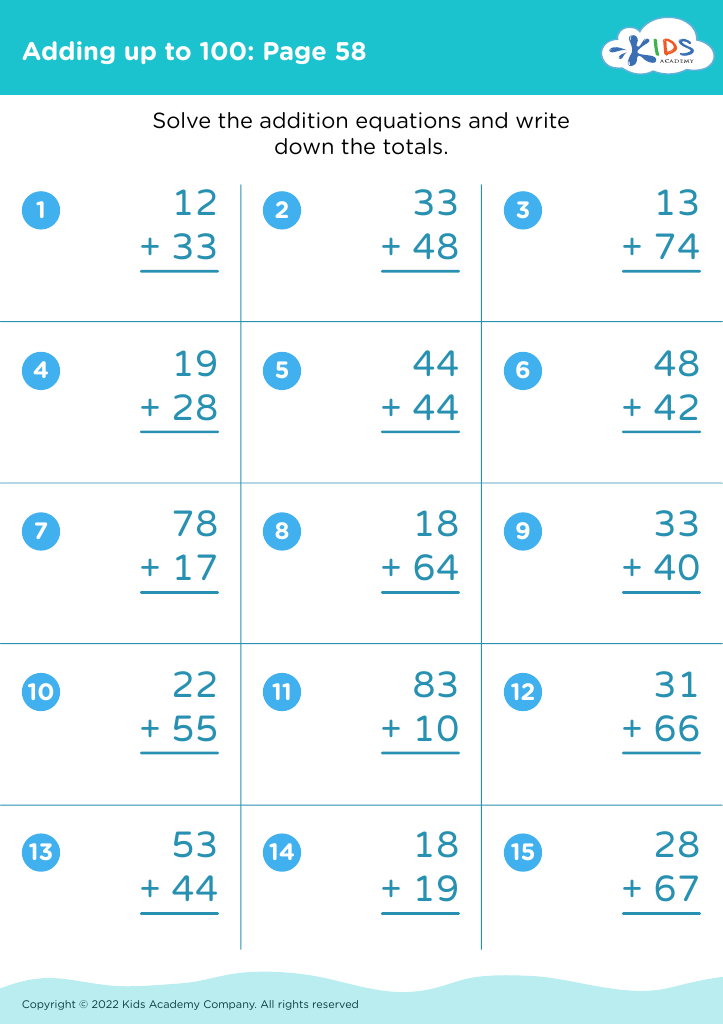
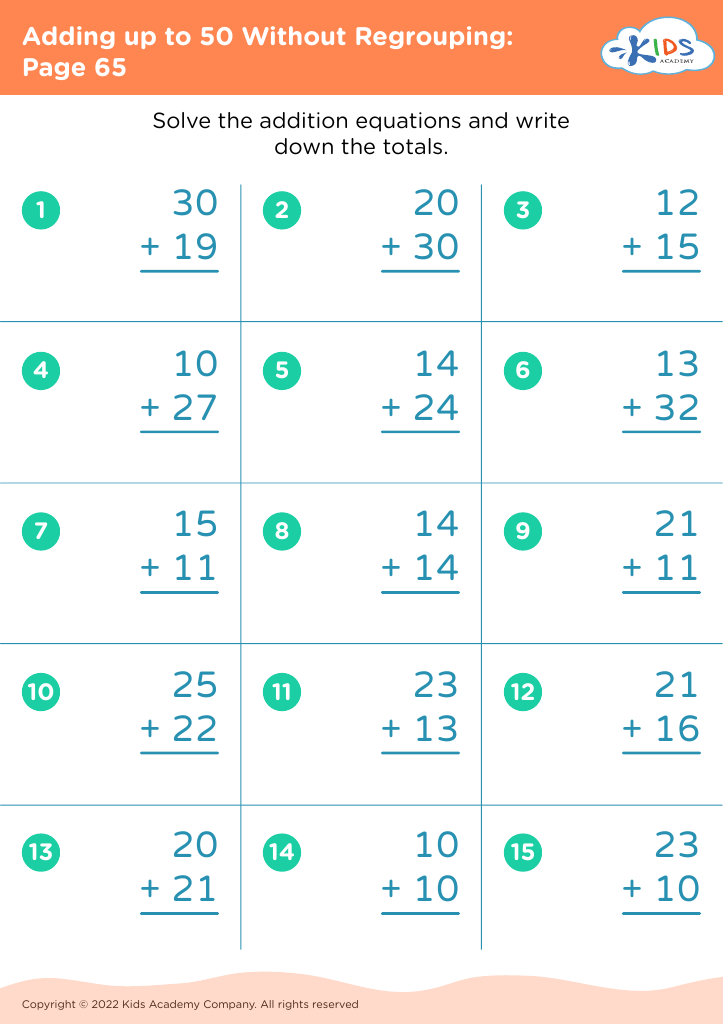
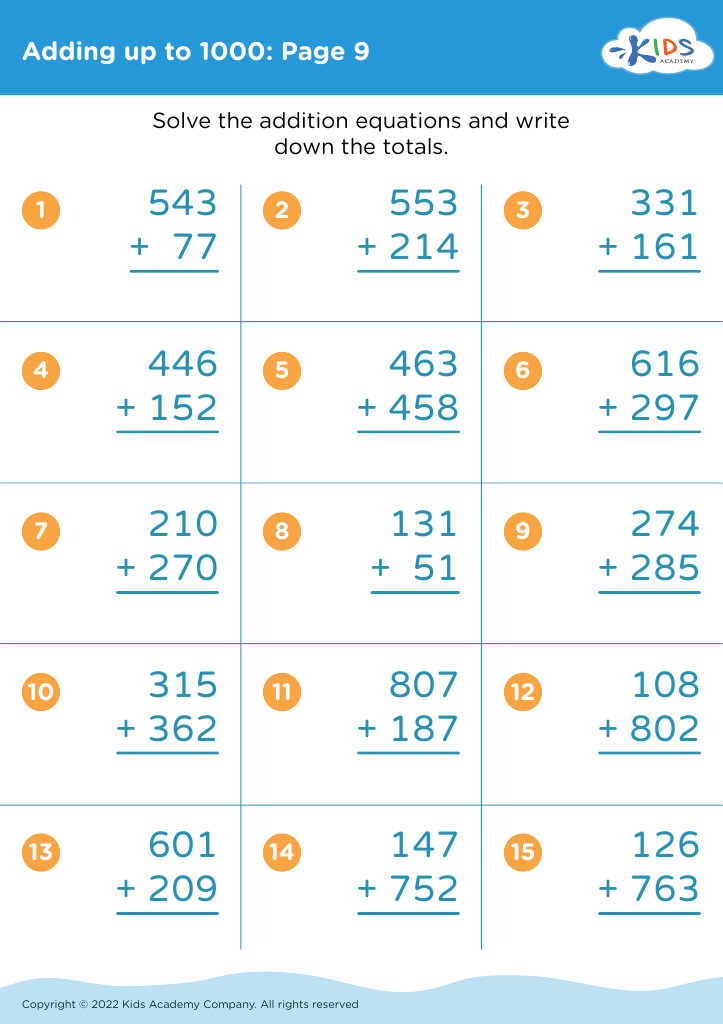
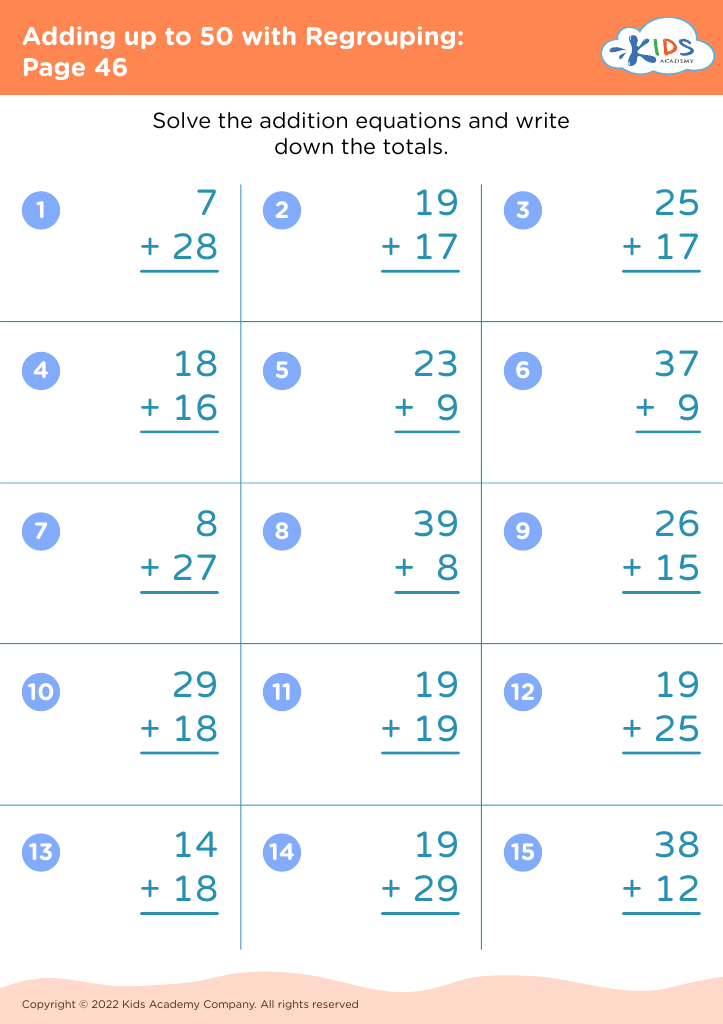
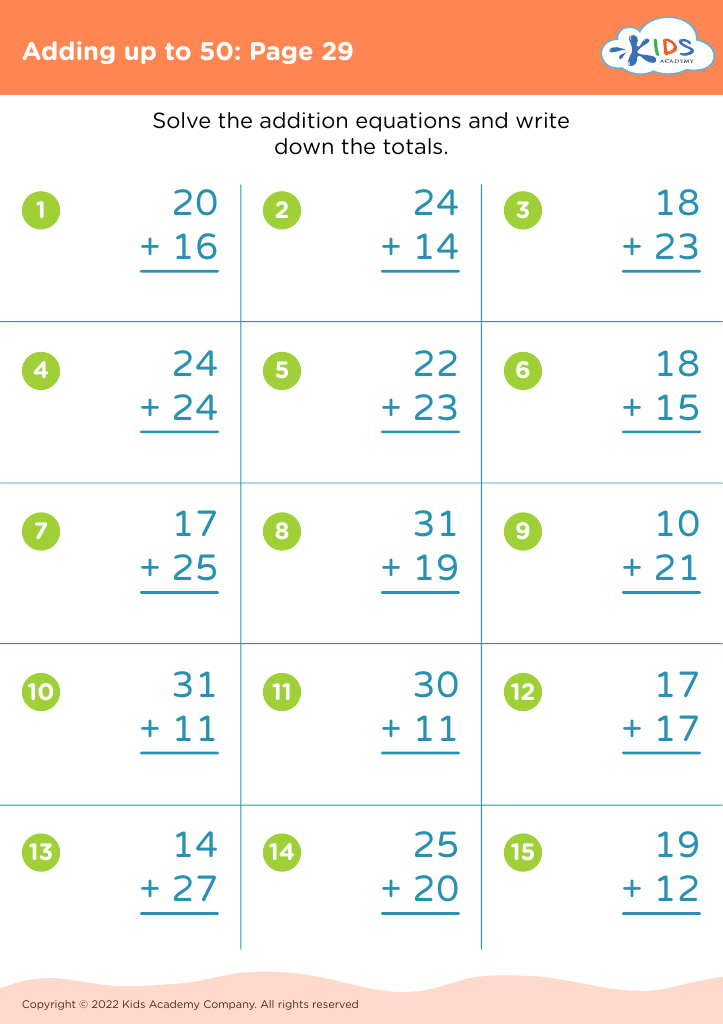
Introduce your young learner to the world of fractions with our "Understand Fractions Addition Worksheets for Ages 3-7". Tailored specifically for early education, these engaging worksheets help children grasp foundational math skills through fun and interactive activities. Our expertly designed printable sheets simplify fraction addition, using colorful visuals and easy-to-follow instructions to foster understanding. Ideal for preschoolers and early graders, these exercises provide a solid mathematical foundation, equipping kids with the confidence to tackle more complex concepts. Enhance your child's math journey and watch them excel with our comprehensive fractions addition worksheets. Available now for free at Kids Academy!






.jpg)

Understanding fraction addition is a fundamental mathematical skill that lays the groundwork for many other math concepts. For children ages 3-7, grasping this early on can be incredibly beneficial. Parents and teachers should care about this because it nurtures numerical literacy and sets a strong, supportive foundation for future learning.
Introducing fractions and their addition at a young age helps demystify the concepts and makes them less intimidating when encountered later. At these early ages, children are naturally curious and more capable of absorbing new ideas, particularly through play and practical activities. By including fraction addition in their learning, parents and teachers take advantage of this critical developmental window, facilitating easier and more intuitive understanding.
Additionally, practicing fractions prepares kids for complex problem-solving tasks and develops their logical reasoning. Activities involving fractions can improve their skills in estimation, division, and recognizing parts of a whole. Furthermore, understanding fractions is not limited to mathematics; it's applicable in day-to-day life, like cooking, sharing, and playing.
Early competence in such foundational concepts not only benefits academic performance across subjects but also fosters confidence and a positive attitude towards learning complex material later on. It ensures that children are not just memorizing rules but genuinely comprehending the principles underpinning numerical concepts.








