
Addition Practice Counting Worksheets for Ages 3-7
4 filtered results
Difficulty Level
Grade
Age
-
From - To
Subject
Activity
Standards
Our "Addition Practice Counting Worksheets for Ages 3-7" provide fun and engaging exercises designed to build foundational math skills. Suitable for preschoolers and early elementary students, these worksheets use colorful graphics and easy-to-follow problems to introduce basic addition concepts. Children will delight in counting objects and solving simple equations, strengthening their number recognition and arithmetic abilities. Perfect for both classroom and home use, these worksheets aim to make learning math enjoyable and accessible. Foster your child's confidence and love for numbers with our expertly crafted addition practice worksheets!
Favorites
With answer key
Interactive
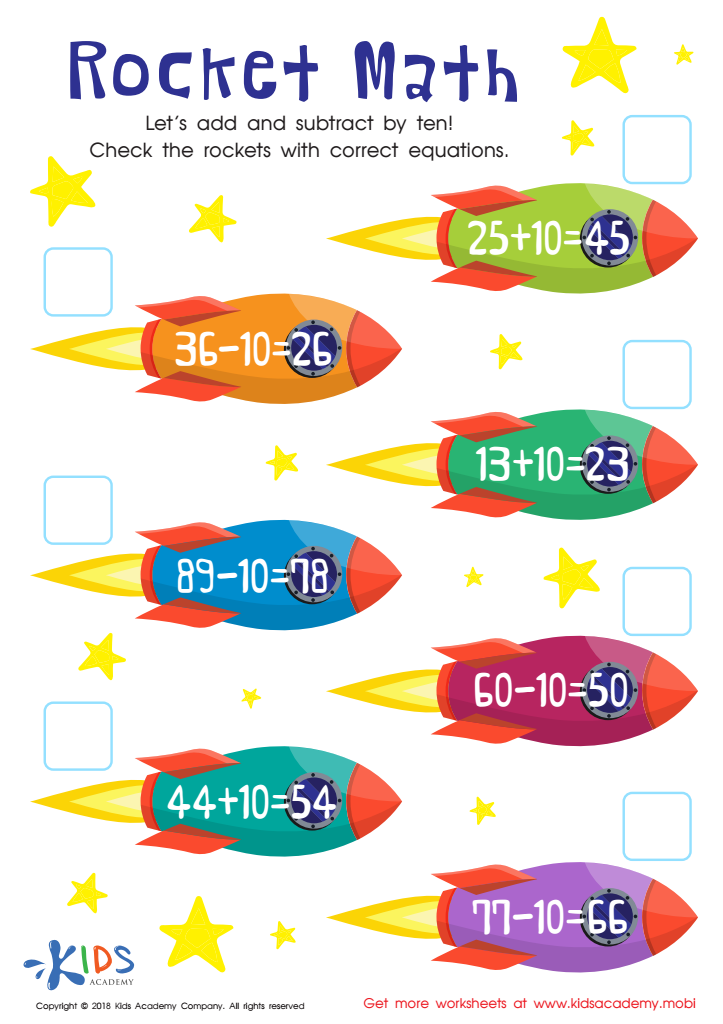
Rocket Math Worksheet
Your students will be math wizards in no time as they blast off on this exciting and colorful PDF worksheet. They'll use the 10s strategy to practice addition and subtraction, and they'll learn to skip count forwards and backwards. Keep them engaged and make learning fun!
 Assign to My Students
Rocket Math Worksheet
Worksheet


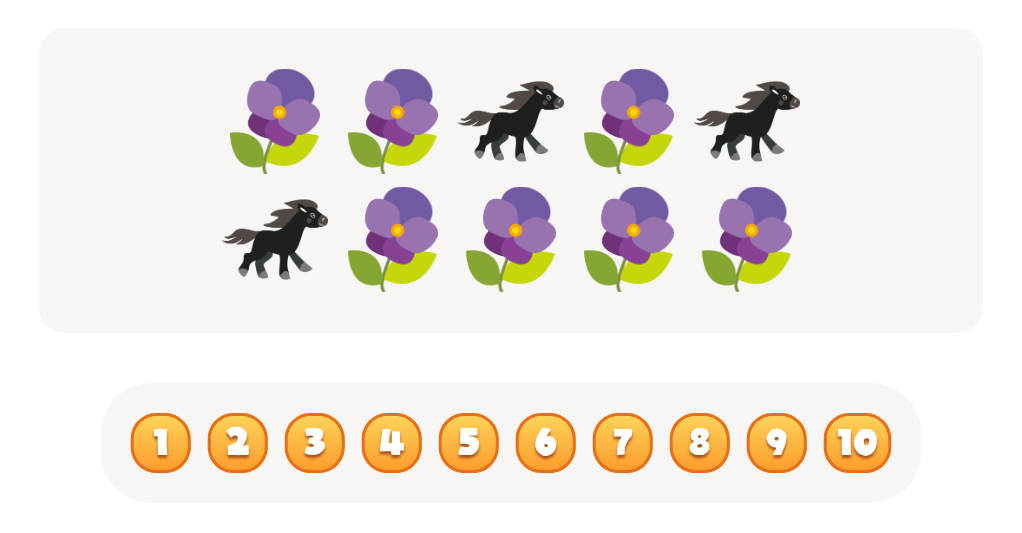
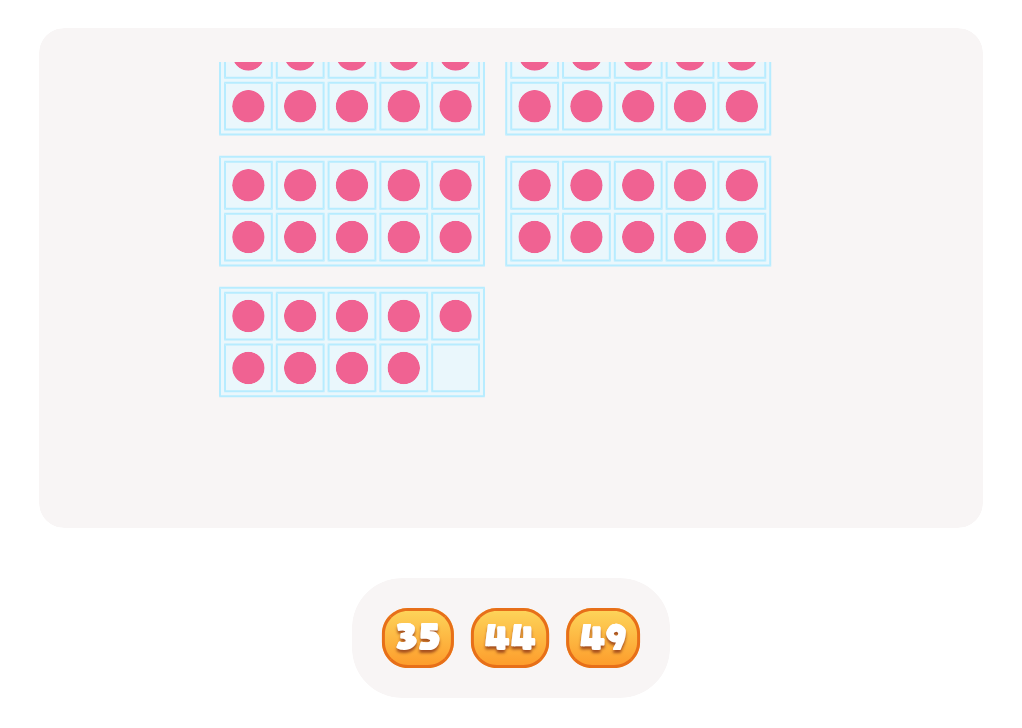
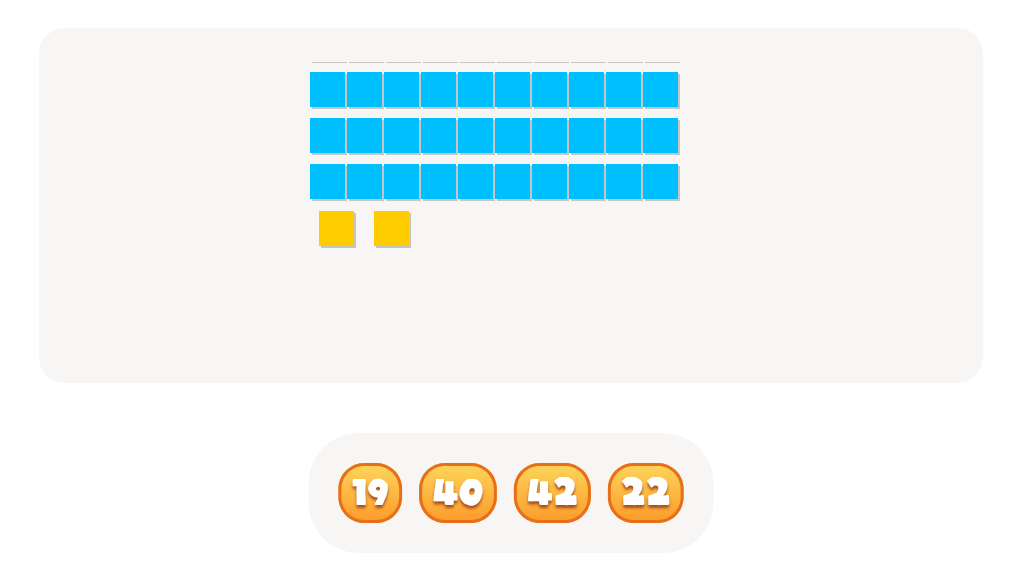
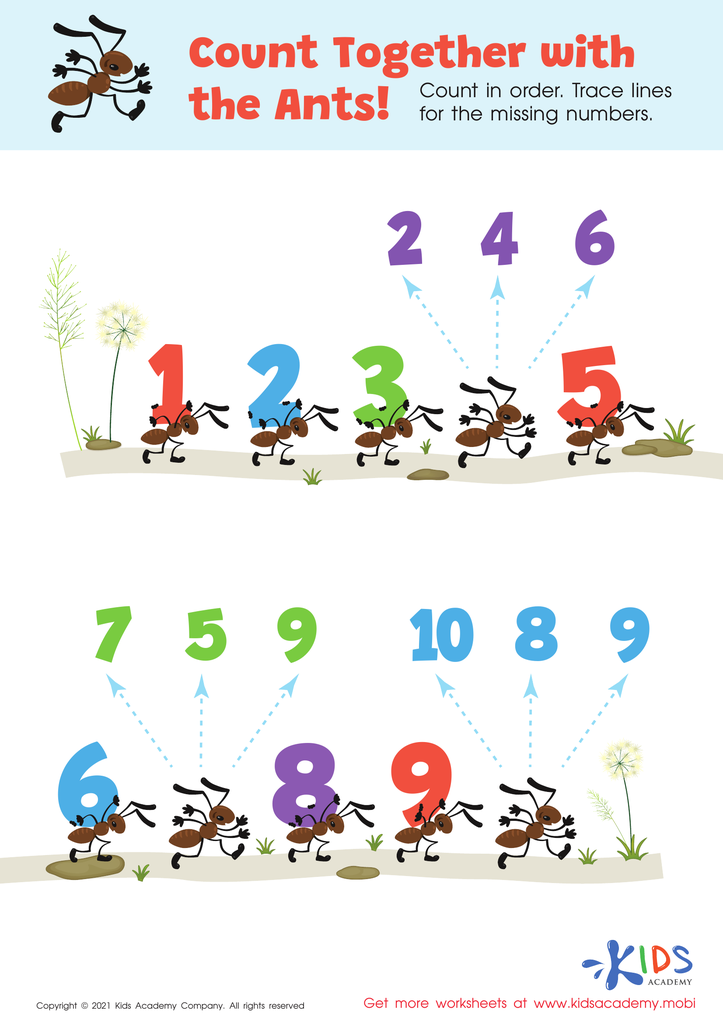
Count Together with the Ants Worksheet
Rather than letting kids get too deep in online games, keep them engaged with learning worksheets. Ask them to identify the insect in the picture, then count the ants. Help them trace lines to the missing numbers. It's simple and straightforward for young children to comprehend.
Count Together with the Ants Worksheet
Worksheet
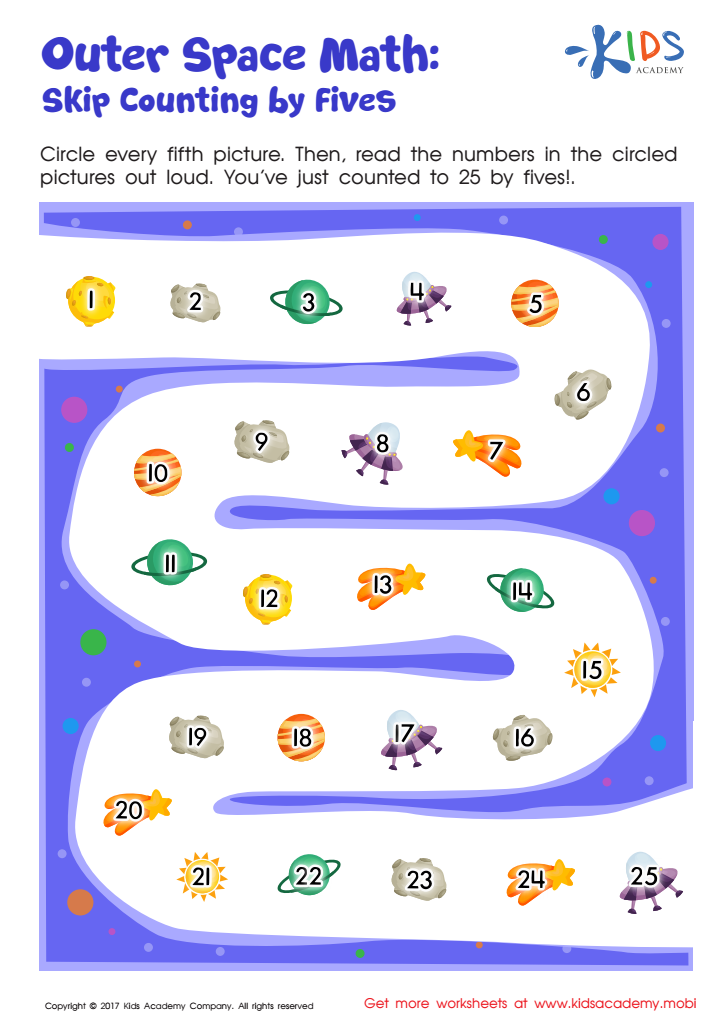
Skip Counting by 5s: Outer Space Math Printable
Let your kid learn skip counting by fives with this fun space-themed worksheet! With simple instructions, cute graphics, and an independent approach, your child will have a blast and gain a key skill for math success. Counting answers and learning numeracy, they'll sharpen cognitive and problem solving skills while having fun! A great way to introduce skip counting, they'll discover the concept through minimal assistance. Blast off!
Skip Counting by 5s: Outer Space Math Printable
Worksheet
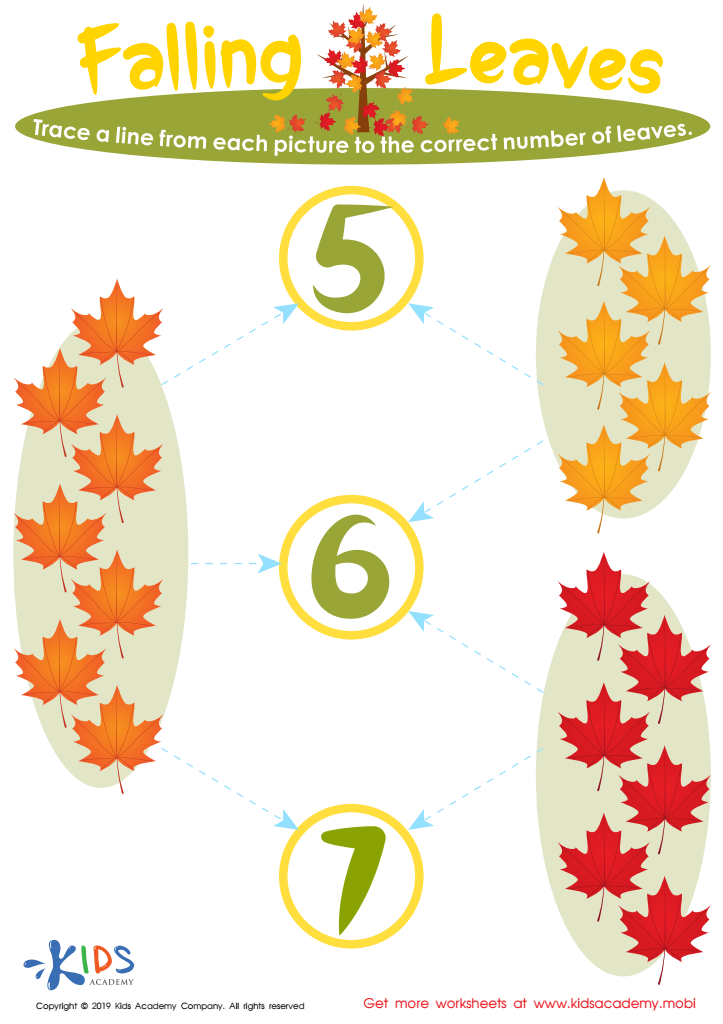
Falling Leaves Worksheet
Do your kids know the seasons? Ask them to name each one, then test their counting skills with a fun worksheet. Have them count from 1 to 10, then trace a line from each picture to the corresponding number of leaves. It's a great way to check their counting ability!
Falling Leaves Worksheet
Worksheet
Join Kids Academy for Free
Who is primarily going to use this learning content?



.jpg)



Addition practice counting for children aged 3-7 is crucial in establishing a strong mathematical foundation. Early childhood is a period of rapid cognitive development, making it the perfect time to introduce fundamental math concepts. Engaging in addition practice helps children develop essential numeracy skills, such as number recognition, understanding numerical relationships, and problem-solving abilities.
For parents and teachers, fostering these skills can translate into lifelong benefits. Early exposure to math can enhance children's confidence in the subject, setting a positive tone for future learning. Consistent practice supports cognitive functions like memory, attention, and logical thinking, which are valuable across various domains.
Additionally, hands-on addition counting activities offer numerous opportunities for interactive and experiential learning. Using tangible objects, visual aids, or educational games makes learning enjoyable, thereby increasing motivation and engagement. This method bridges abstract concepts and real-world applications, reinforcing learning through everyday experiences.
Furthermore, early mastery of fundamental addition ensures that children are prepared for more complex mathematics later on. Supporting math skills in early childhood contributes to academic success, which correlates with better career opportunities and critical decision-making skills in adulthood. Ultimately, a strong foundation in basic arithmetic nurtures a child's overall intellectual development and fosters a lifelong love for learning.








