Comparing quantities Numbers Worksheets for Ages 3-7
4 filtered results
-
From - To
Enhance your child's math skills with our "Comparing Quantities Numbers Worksheets" designed for ages 3-7! These engaging, colorful activities are perfect for young learners to grasp the concepts of more, less, and equal. Children will develop essential math foundations through fun exercises like counting objects, identifying larger and smaller groups, and simple addition/subtraction. Our worksheets offer a structured, kid-friendly approach to comparing quantities, ensuring both comprehension and enjoyment. Perfect for home or classroom use, these printable resources make learning math an interactive and rewarding experience. Foster early numeracy skills and confidence with our expertly crafted activities!
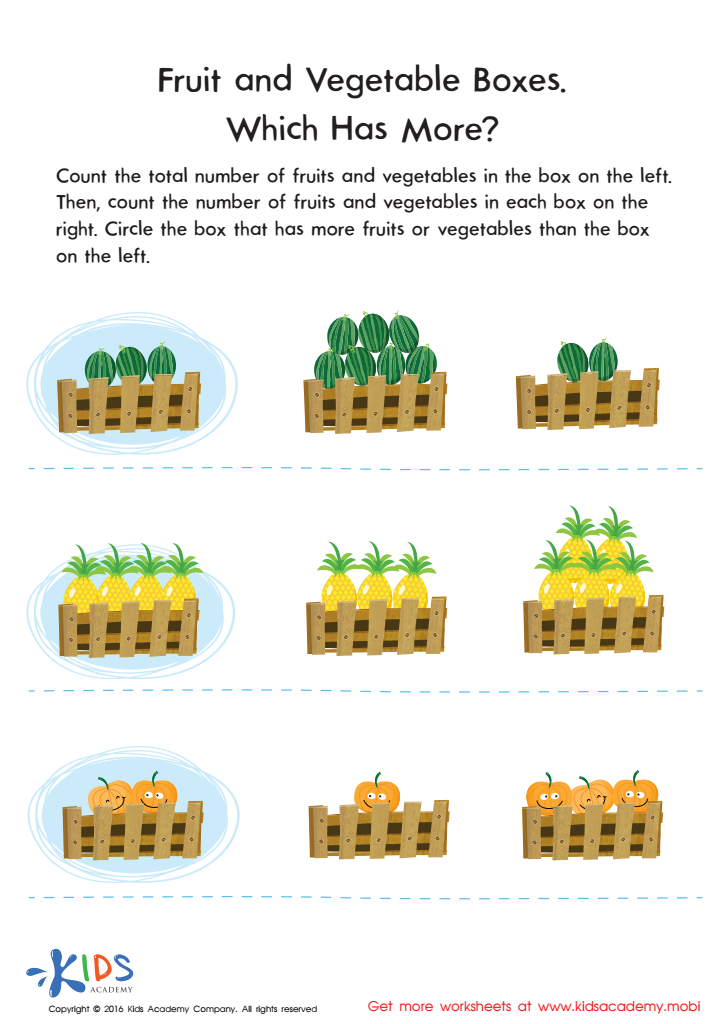
Which Has More? Size Worksheet
 Assign to My Students
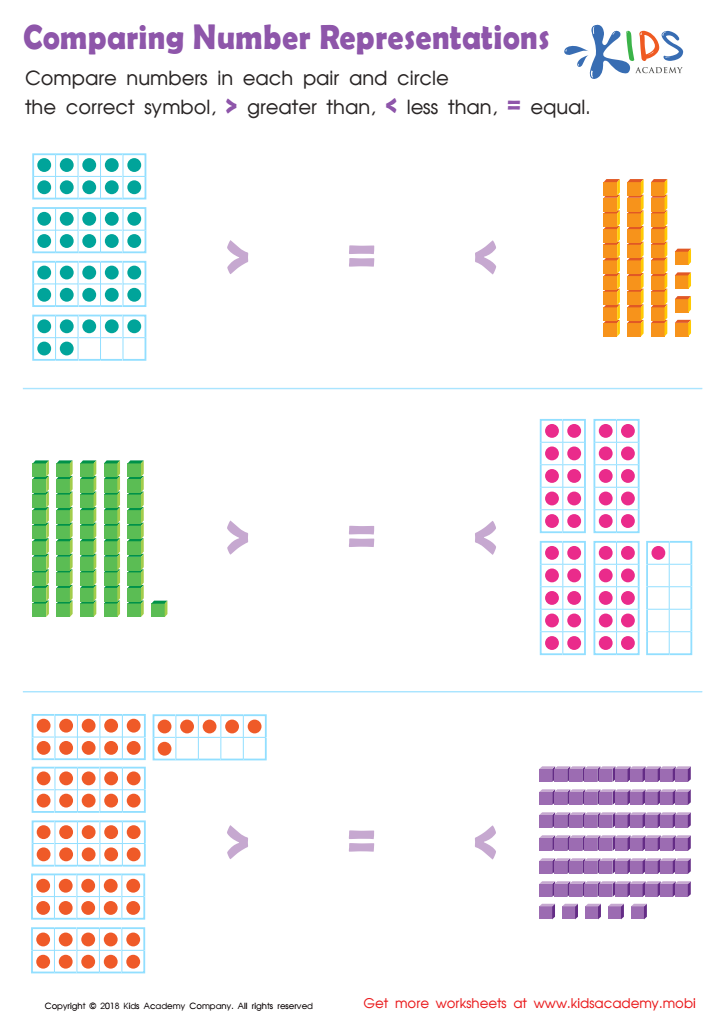
Comparing Number Representations Worksheet
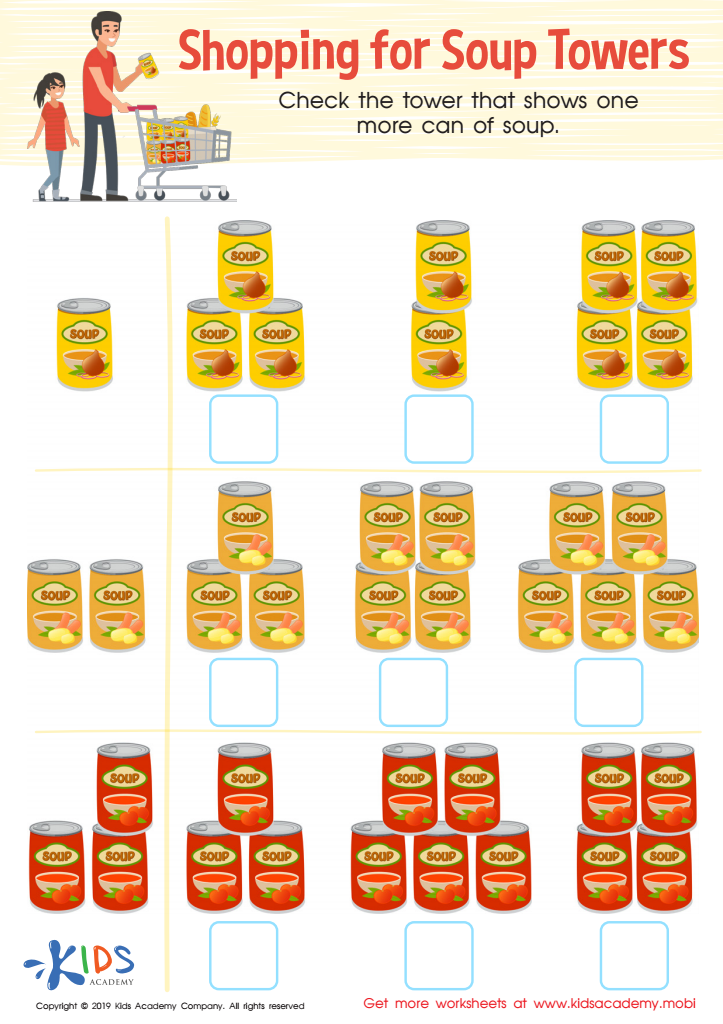
Soup Towers Worksheet
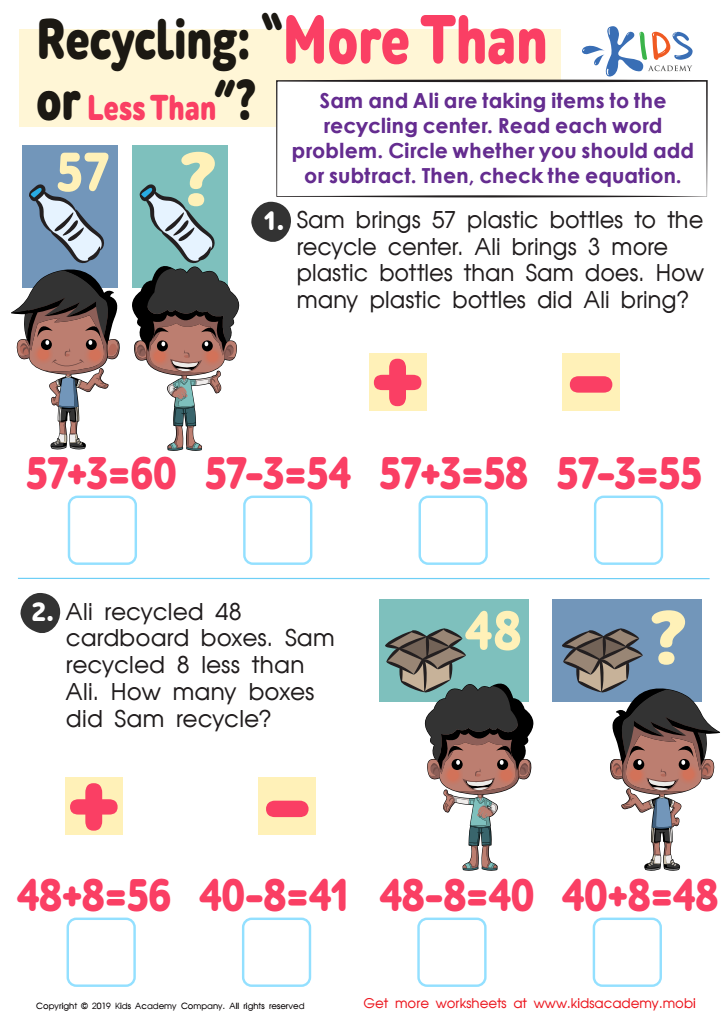
Recycling - More or Less Worksheet







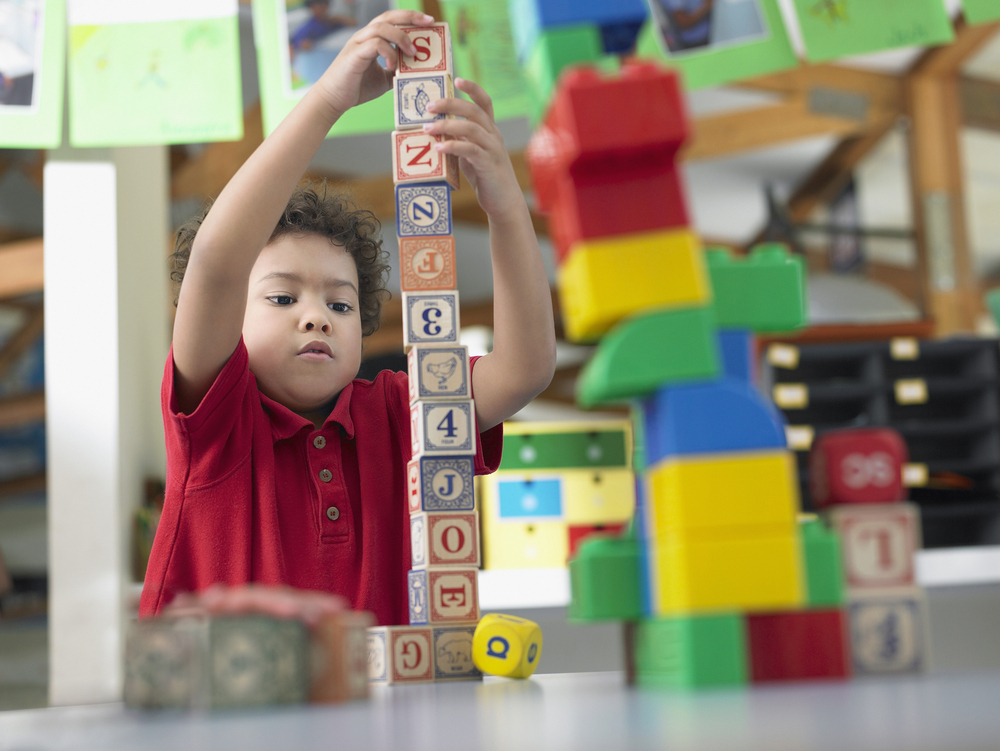
Comparing quantities and numbers is fundamental for the cognitive and mathematical development of young children ages 3-7. At this stage, children are developing their number sense, which includes understanding numbers, counting, and recognizing quantity relationships. These foundational skills are crucial for more advanced mathematical concepts they will encounter later in their educational journey, such as addition, subtraction, multiplication, and division.
Parents and teachers play vital roles in nurturing these skills through everyday activities and structured learning. Comparing quantities helps children to better understand the concepts of more, less, and equal, which are important for problem-solving and critical thinking. It also sharpens their ability to make comparisons, recognize patterns, and develop logical reasoning skills.
Moreover, early math skills are strong predictors of later academic success. Children who grasp basic mathematical concepts early on are more likely to excel in other subjects. Engaging young learners in fun and interactive activities, such as sorting objects, playing counting games, and using visual aids, not only fosters a positive attitude towards math but also ensures that they are well-equipped for future learning. Therefore, emphasizing these concepts in early education is essential for children's overall academic growth and confidence.








