Counting skills Numbers Worksheets for Ages 3-7 - Page 8
170 filtered results
-
From - To
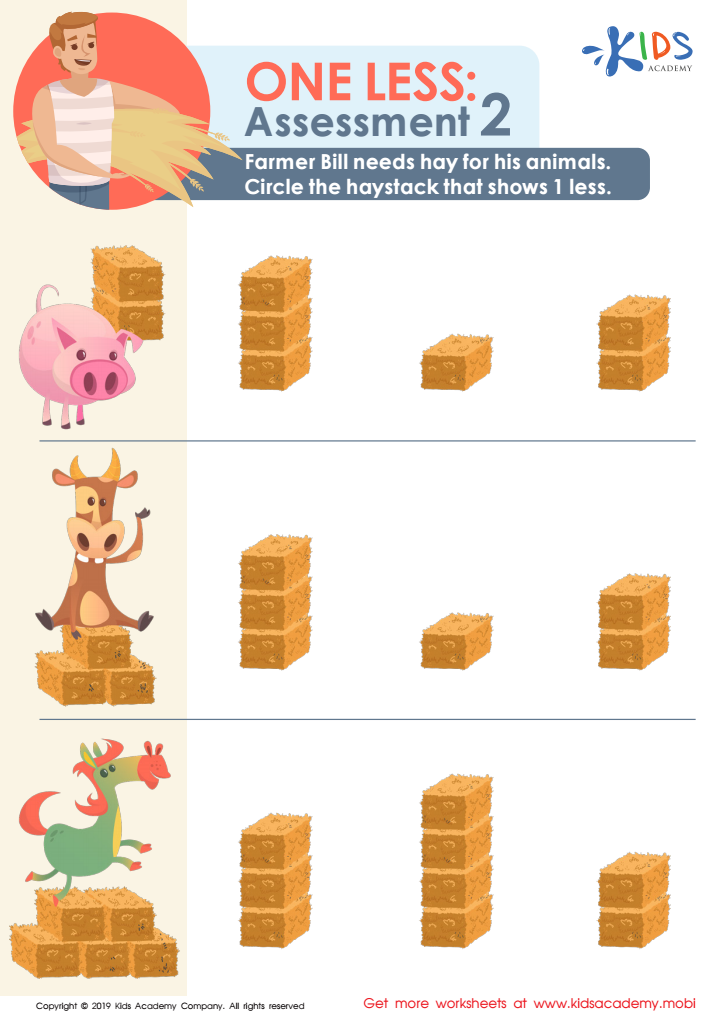
One Less: Assessment 2 Worksheet
 Assign to My Students

Night Sky Numbers Worksheet




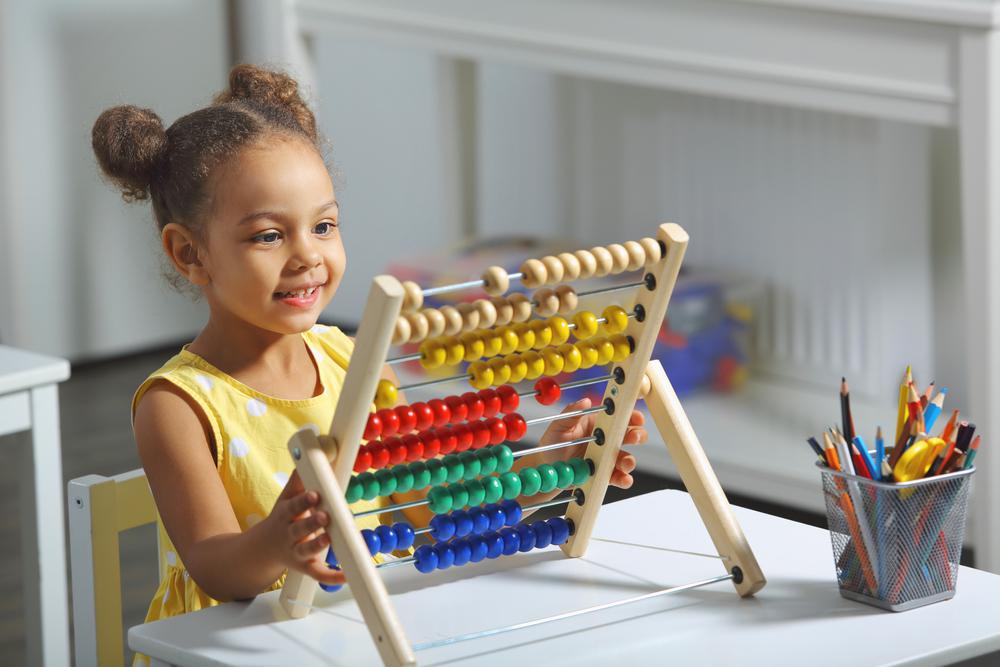



Counting skills are fundamental for children aged 3-7 as they form the cornerstone of early mathematics development and cognitive growth. During these critical years, children begin to understand numerical concepts, patterns, and the relationships between quantities, shaping their future academic success. Parents and teachers play an essential role in fostering these skills, laying the groundwork for more complex mathematical understanding.
First, counting aids in enhancing children’s cognitive abilities, including problem-solving, critical thinking, and logical reasoning. As children practice counting, they learn to recognize numbers, where they fit into sequences, and how to solve basic arithmetic problems. This early exposure fosters number fluency, a skill vital for later academic challenges.
Moreover, strong counting skills boost children's confidence and motivation in learning math. When children can count objects accurately, they feel empowered and more willing to engage with numbers in their everyday lives.
Lastly, counting can be seamlessly integrated into play and daily activities. Parents and teachers can reinforce these skills through games, songs, and hands-on activities, making learning enjoyable. Overall, nurturing counting abilities not only builds a foundation for mathematics but also promotes a positive attitude towards learning and exploration in young children.








