Critical Thinking Numbers Worksheets for Ages 3-7
8 filtered results
-
From - To
Introduce your child to the world of numbers with our engaging "Critical Thinking Numbers Worksheets for Ages 3-7". These printables go beyond simple counting exercises to develop essential math and problem-solving skills. Designed specifically for early learners, the worksheets include puzzles, sequencing tasks, and pattern recognition activities that make learning numbers both fun and challenging. Tailored to stimulate young minds, our worksheets promote logical thinking, enhance concentration, and build a strong foundation for future mathematical success. Encourage your child to think critically and develop a love for learning numbers through these hands-on, interactive activities.
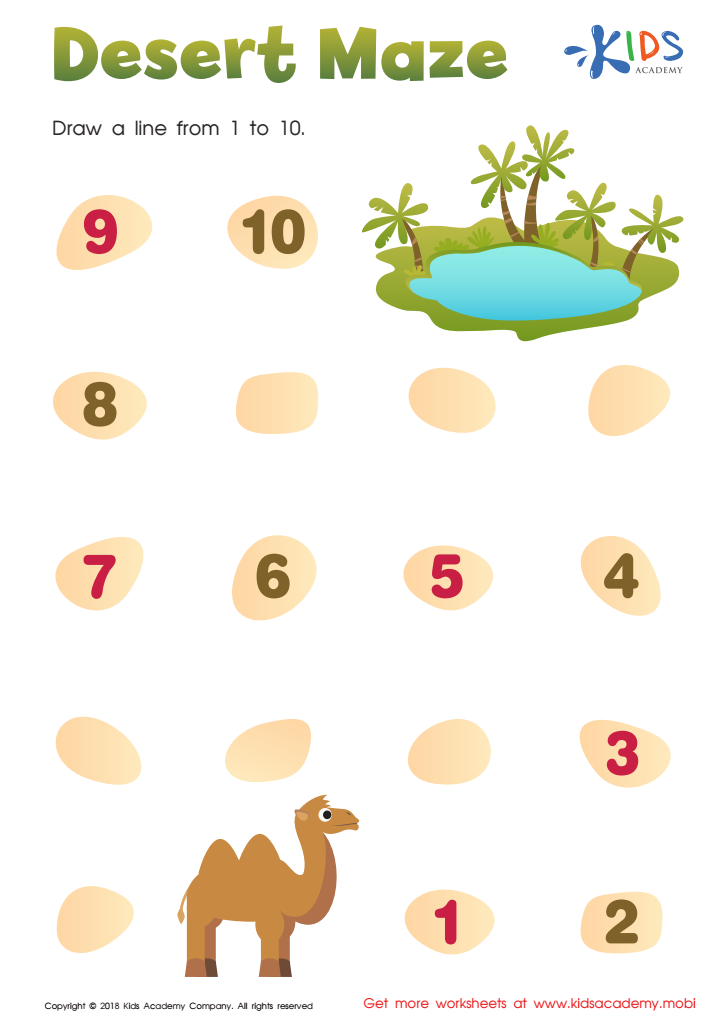
Desert Maze Worksheet
 Assign to My Students
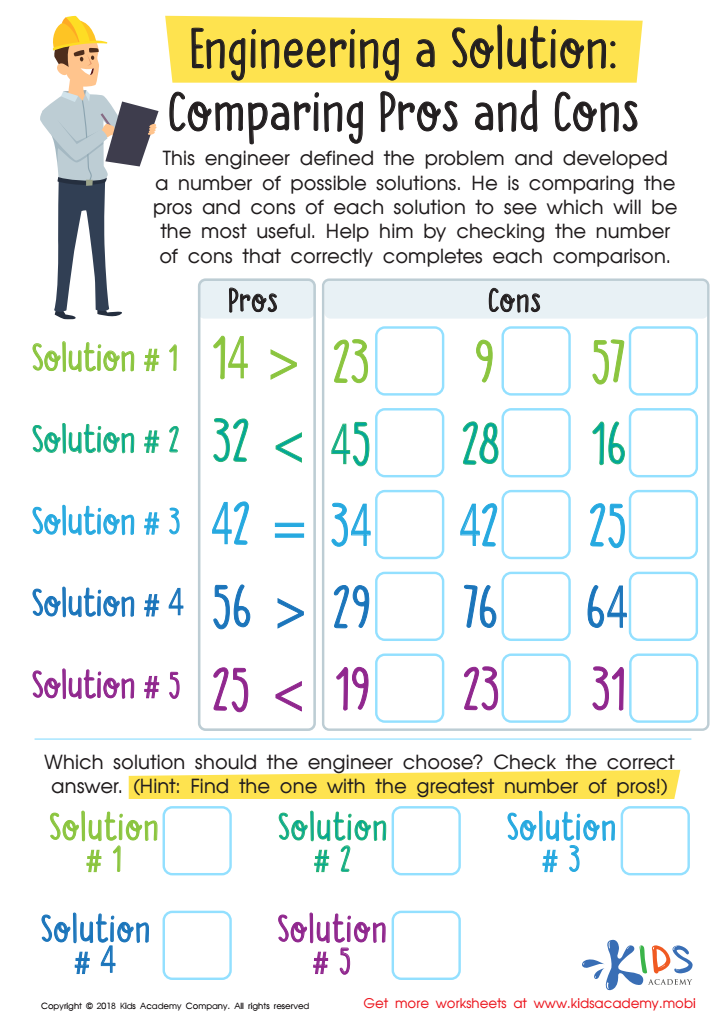
Engineering a Solution: Comparing Pros and Cons Worksheet
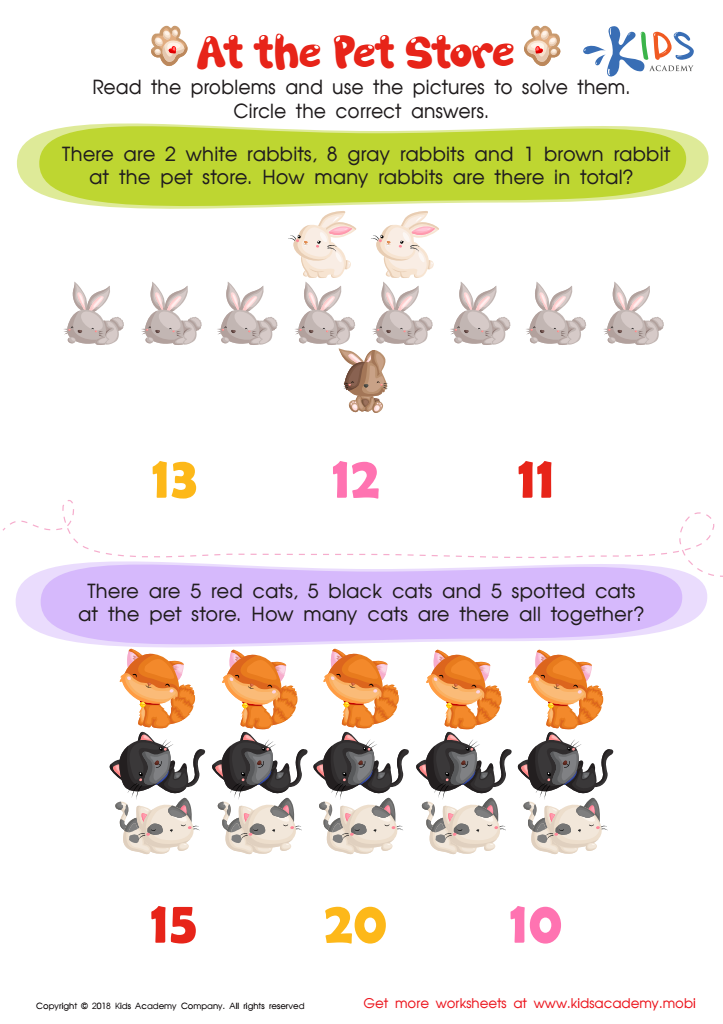
At the Pet Store Word Problems Worksheet
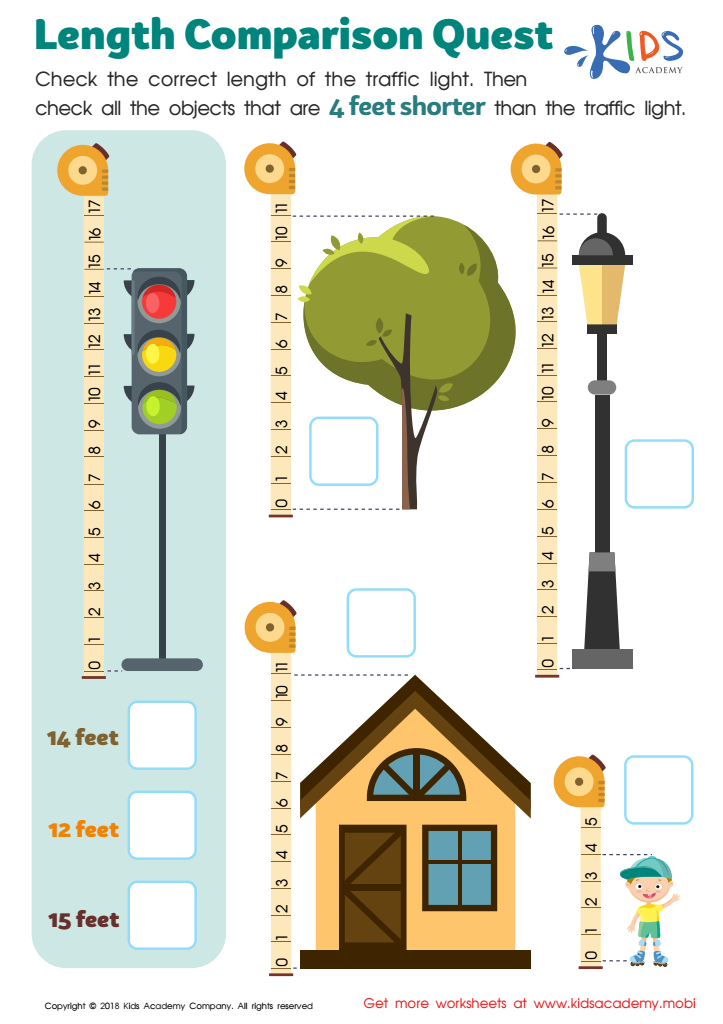
Length Comparison Quest Worksheet
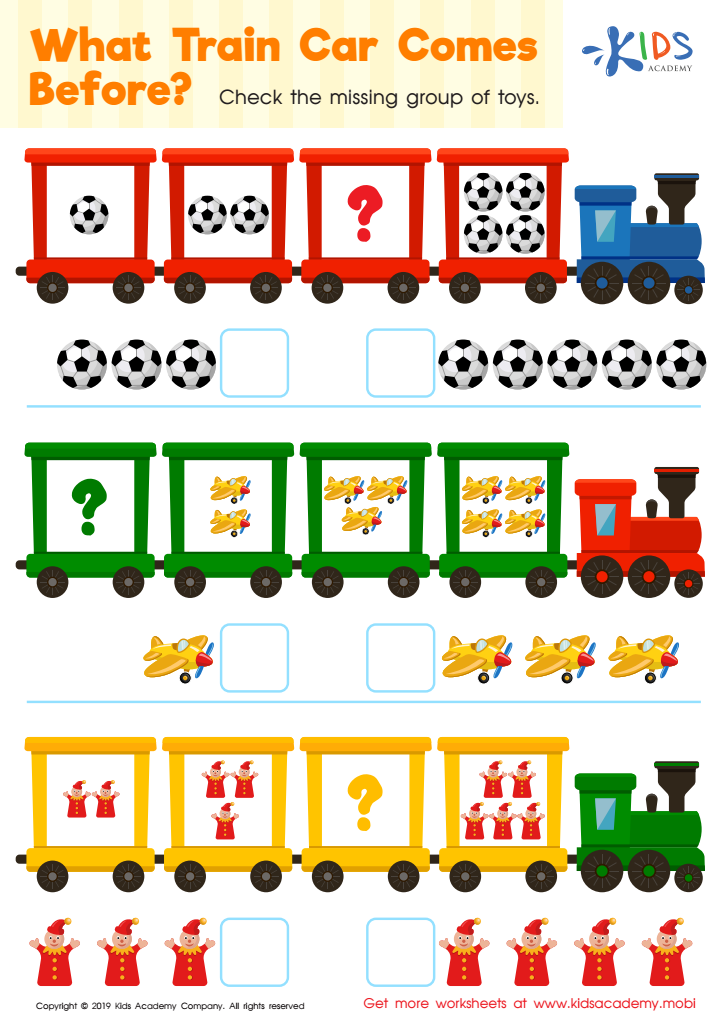
What Train Car Comes Before? Worksheet
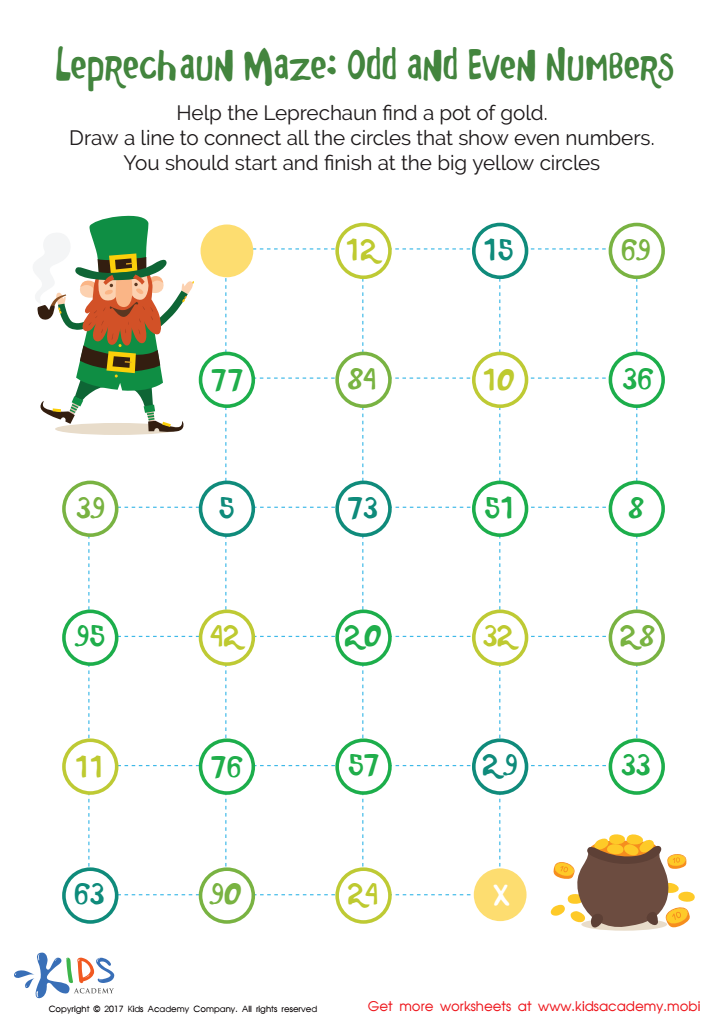
Leprechaun Maze Printable
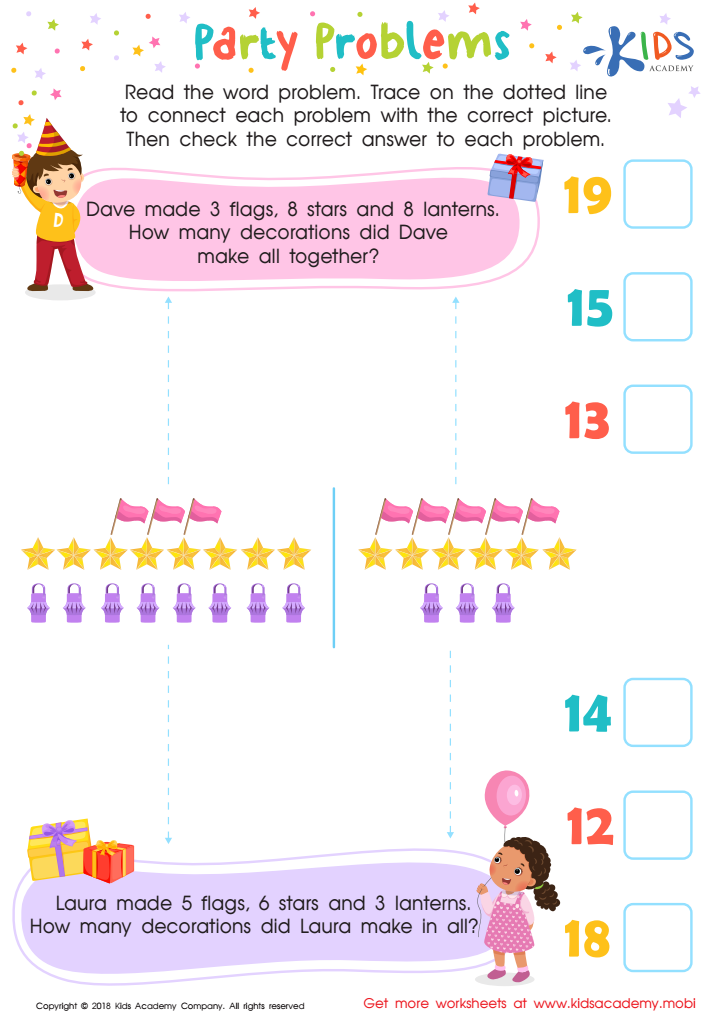
Party Problems Worksheet
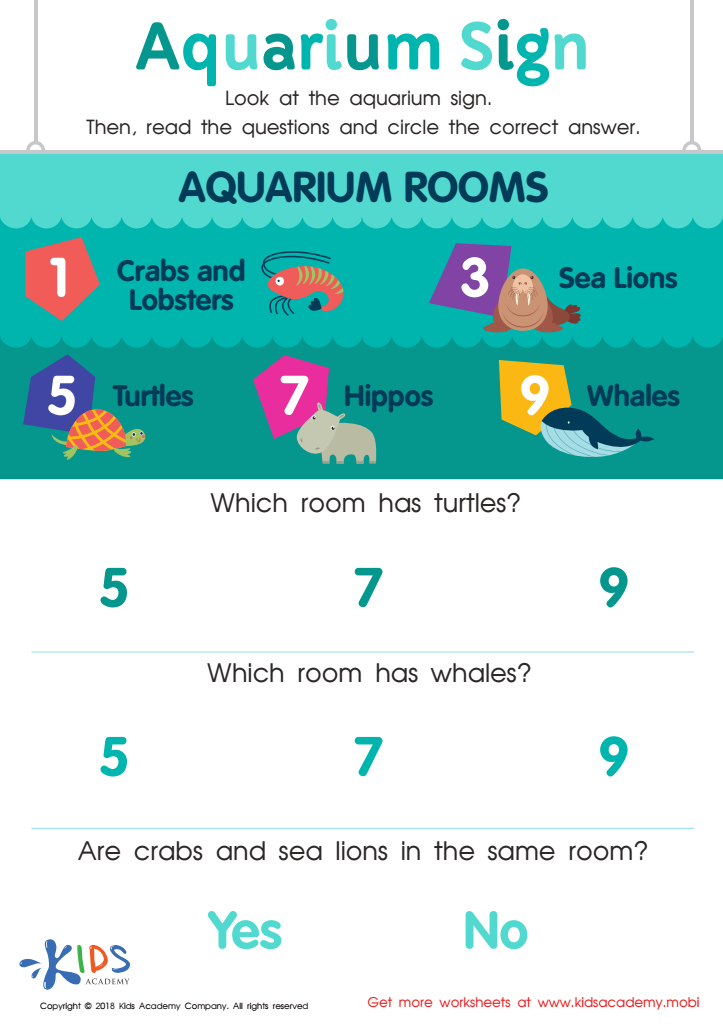
Assessment: Aquarium Sign Worksheet






%20(1).jpg)

Critical Thinking Numbers for Ages 3-7 is a transformative tool that parents and teachers should deeply value because it intertwines foundational numerical skills with cognitive development. During these early years, children’s brains are incredibly adaptable and primed for learning. Introducing critical thinking within numerical contexts stimulates neural pathways that underlie future learning and problem-solving abilities.
By engaging with Critical Thinking Numbers, children don’t just learn to count or recognize digits; they begin to understand the ‘why’ and ‘how’ behind numbers. This not only bolsters their mathematical capabilities but also enhances their ability to think analytically, make connections, and approach problems with a solution-oriented mindset.
For parents, this means laying a robust educational foundation that will support their child's academic success across subjects. For teachers, sharpening students' critical thinking within mathematics translates to more insightful, engaged learners who participate actively and grasp higher-order concepts more readily in future lessons.
Moreover, fostering these skills early steepens the curve of lifelong learning and adaptability, critical assets in our rapidly evolving world. Therefore, integrating Critical Thinking Numbers into early education fulfills more than academic requirements; it gives children the intellectual tools needed for broader, enduring success.








