Data interpretation Numbers Worksheets for Ages 3-7
5 filtered results
-
From - To
Explore our engaging Data Interpretation Numbers Worksheets designed for children aged 3-7! These interactive resources introduce young learners to essential mathematical concepts, helping them develop crucial skills in analyzing and interpreting data. Through colorful visuals and fun activities, children will work with graphs, charts, and tables, transforming numbers into meaningful insights. Perfect for home or classroom use, our worksheets foster critical thinking, promote number recognition, and enhance problem-solving abilities. Each worksheet is thoughtfully crafted to align with early learning standards, making math both enjoyable and educational. Empower your little ones with the confidence to navigate data with our delightful worksheets today!
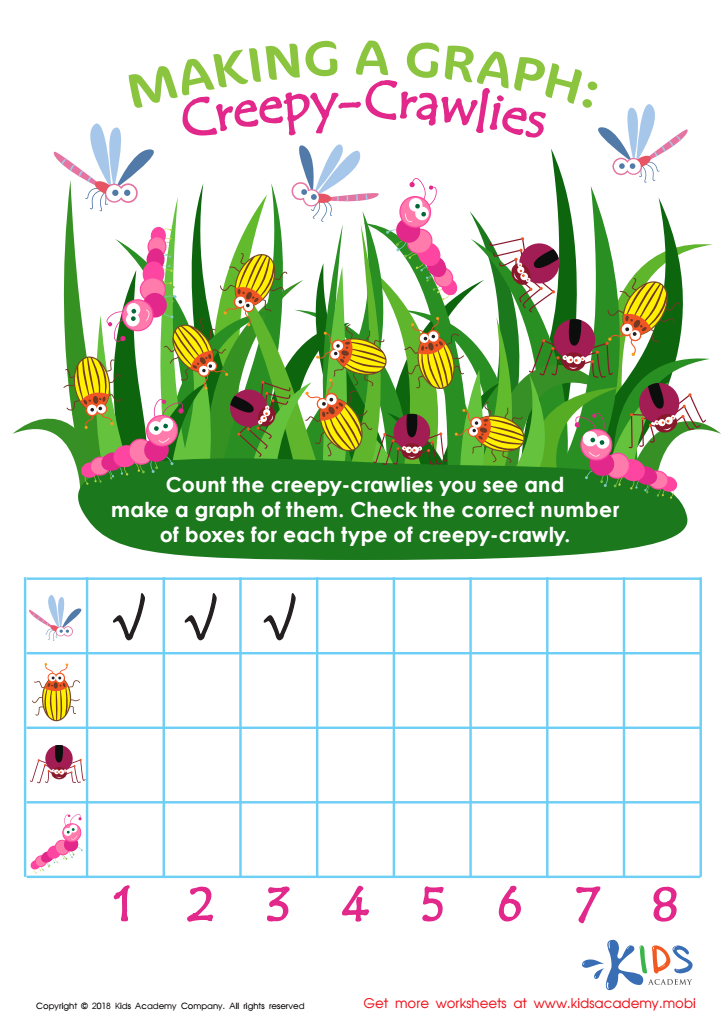
Making a Graph: Creepy Crawlies Worksheet
 Assign to My Students
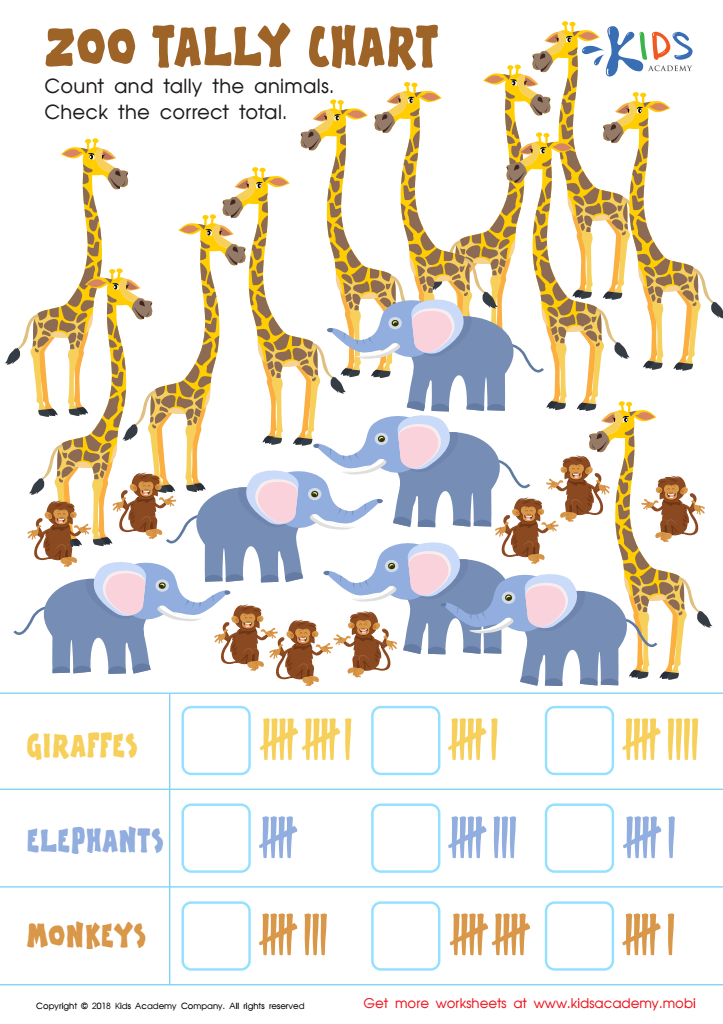
Zoo Tally Chart Worksheet
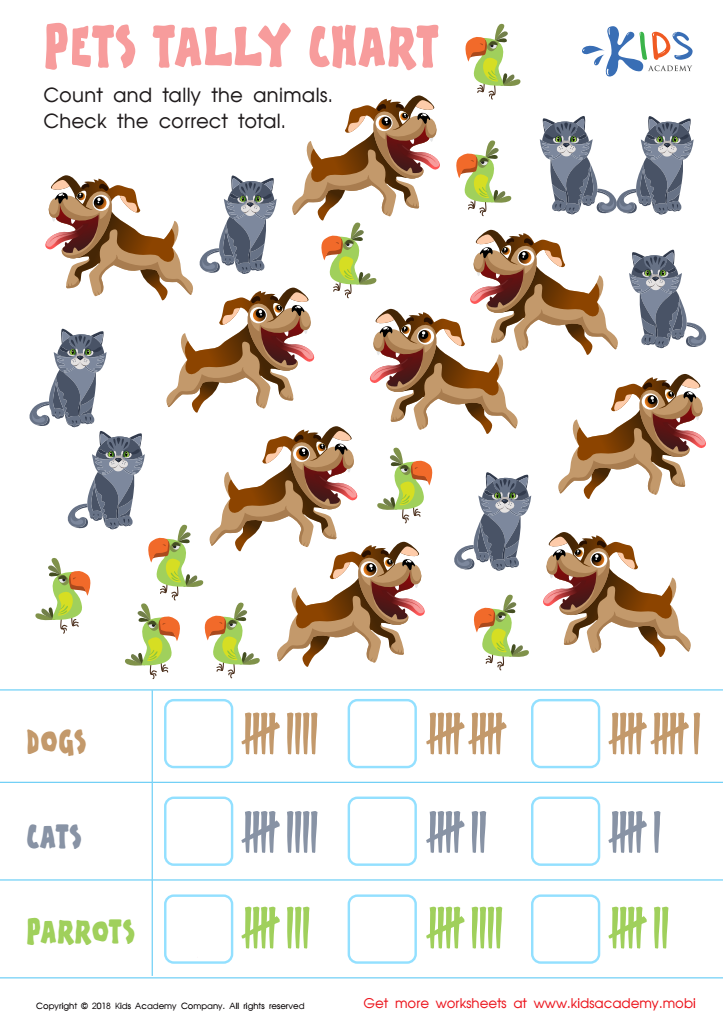
Pets Tally Chart Worksheet
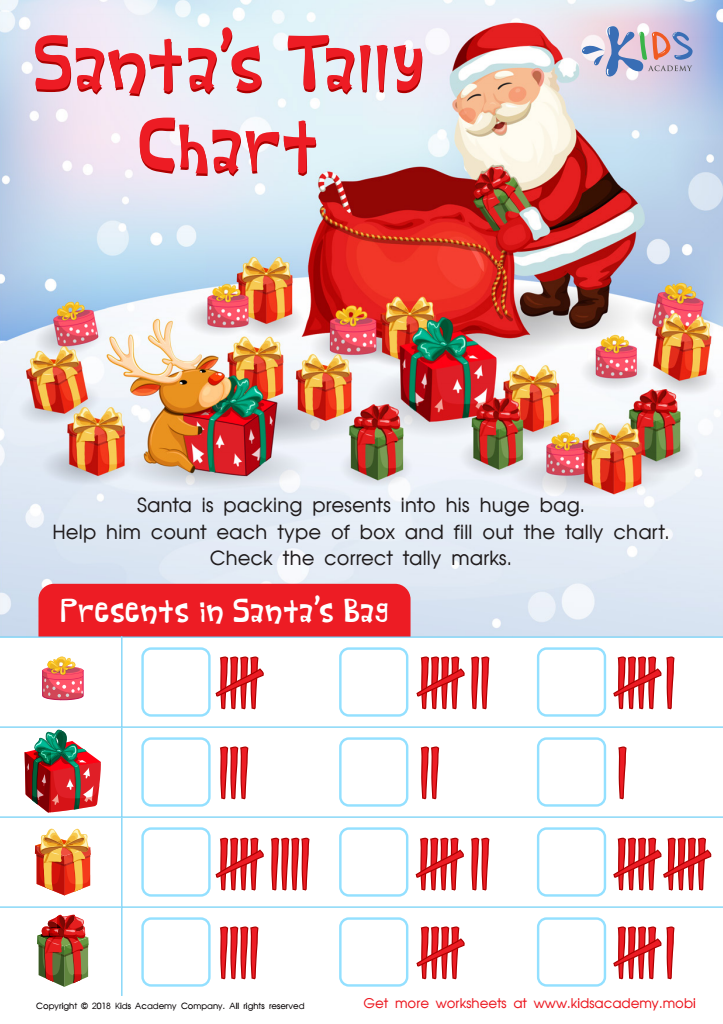
Santa Tally Chart Worksheet
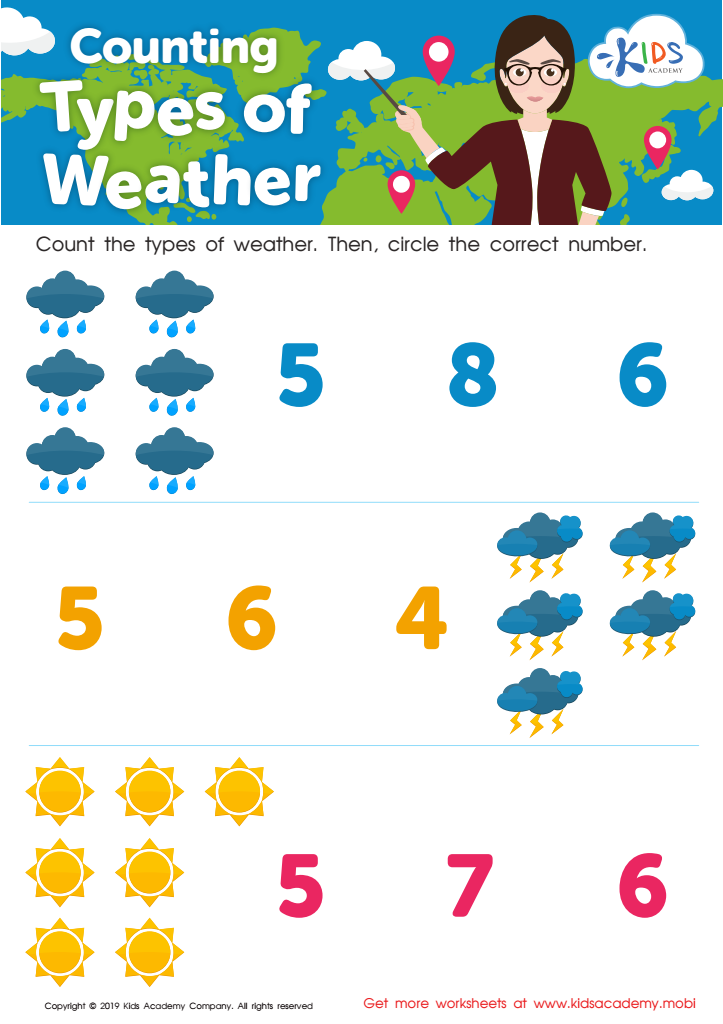
Counting Types of Weather Worksheet








Data interpretation and understanding numbers are crucial skills for children aged 3-7, and parents and teachers play a significant role in fostering these abilities. At this early age, children start to develop foundational mathematical skills that are essential for their future education. Engaging with data helps them make sense of their experiences and the world around them.
Learning to interpret numbers enhances critical thinking and problem-solving skills. By presenting information visually, such as through charts or graphs, children learn to analyze and draw conclusions, which are vital skills in today’s data-driven society. This understanding supports effective communication as children begin to express their findings and ideas clearly.
Moreover, early exposure to data literacy can build a positive attitude toward mathematics, encouraging a lifelong interest and reducing anxiety associated with math-related subjects in later years. Parents and teachers can create interactive activities—like counting games, simple surveys, or graphing favorite fruits—to make learning enjoyable.
In summary, emphasizing data interpretation in the formative years helps cultivate not just mathematical skills but also enhances reasoning, communication, and an inquisitive mindset, preparing children for future academic challenges and everyday decision-making.








