Improving math skills Numbers Worksheets for Ages 3-7
4 filtered results
-
From - To
Discover engaging "Improving Math Skills Numbers Worksheets" designed for children ages 3-7! Our comprehensive collection of printable worksheets helps young learners build a strong foundation in number recognition, counting, and basic math concepts. Each worksheet features fun, age-appropriate activities that stimulate creativity while reinforcing essential math skills. Perfect for homeschooling, classroom use, or extra practice at home, these worksheets equip kids with the tools they need to succeed. With colorful visuals and interactive exercises, your child will enjoy mastering numbers in a playful way. Start today and watch their confidence and skills flourish in mathematics!
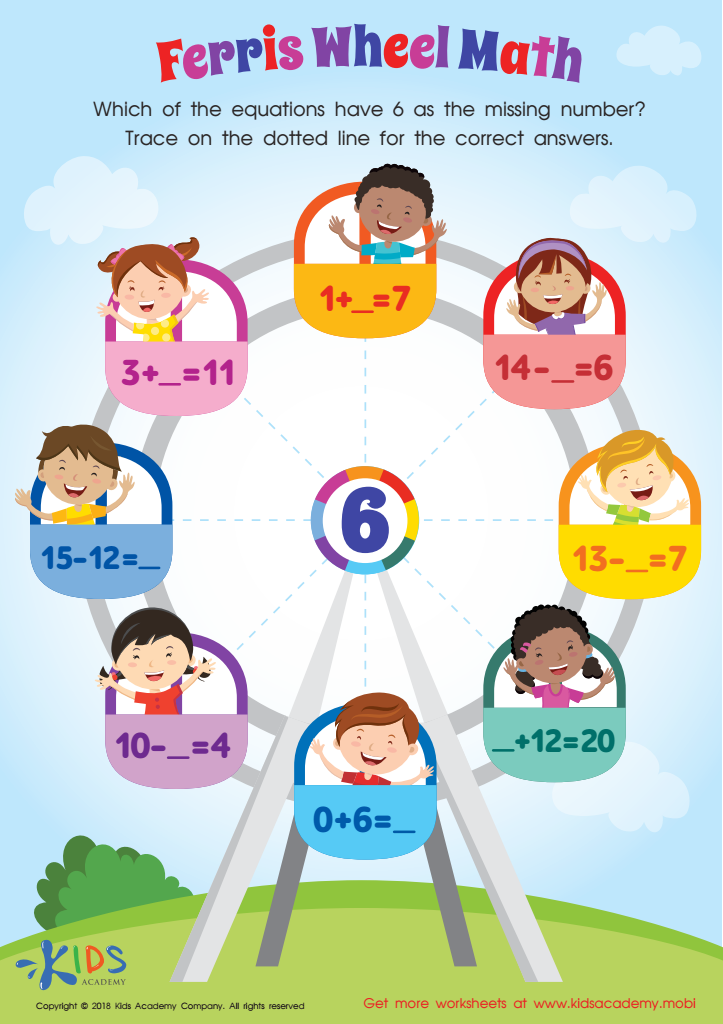
Missing Number: Ferris Wheel Math Worksheet
 Assign to My Students
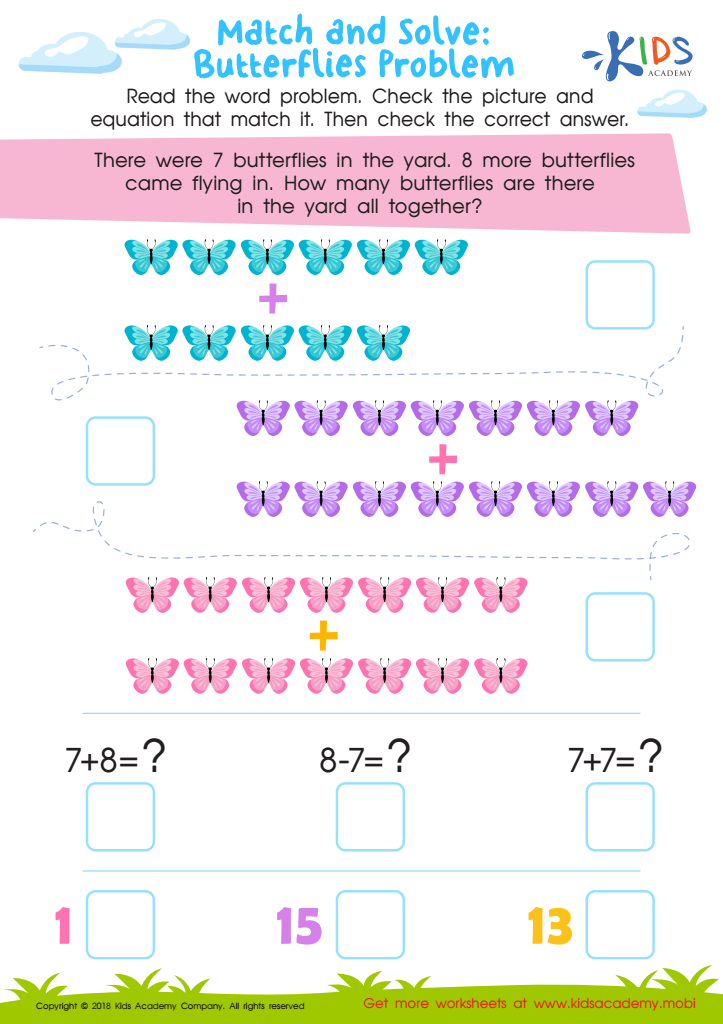
Match and Solve: Butterfly Problem Worksheet
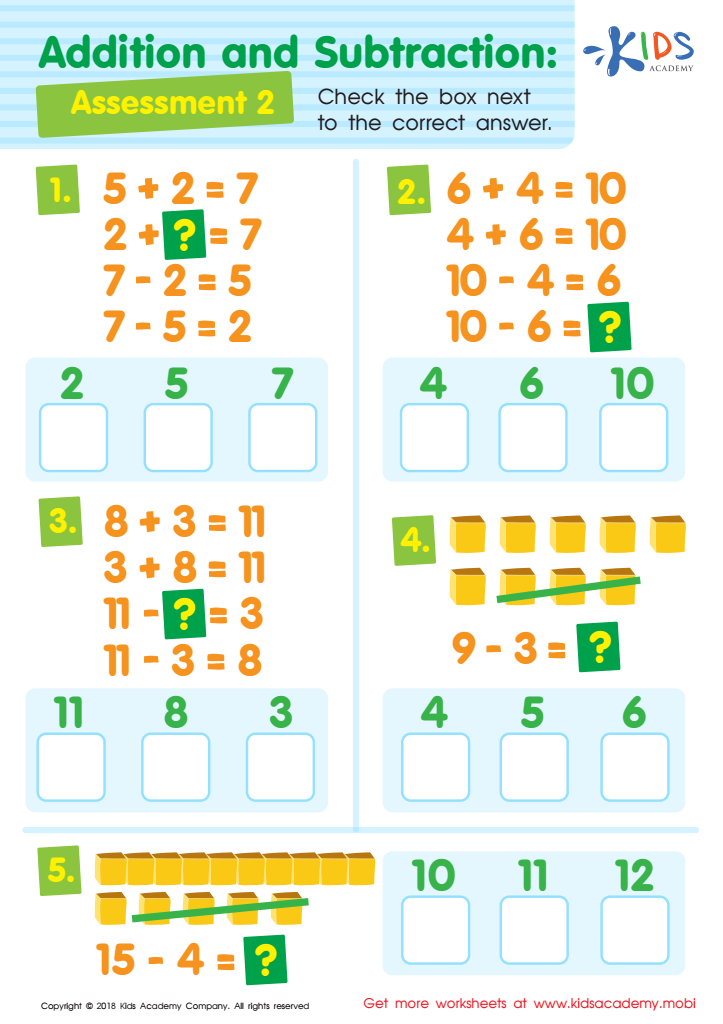
Addition and Subtraction Assessment 2 Worksheet
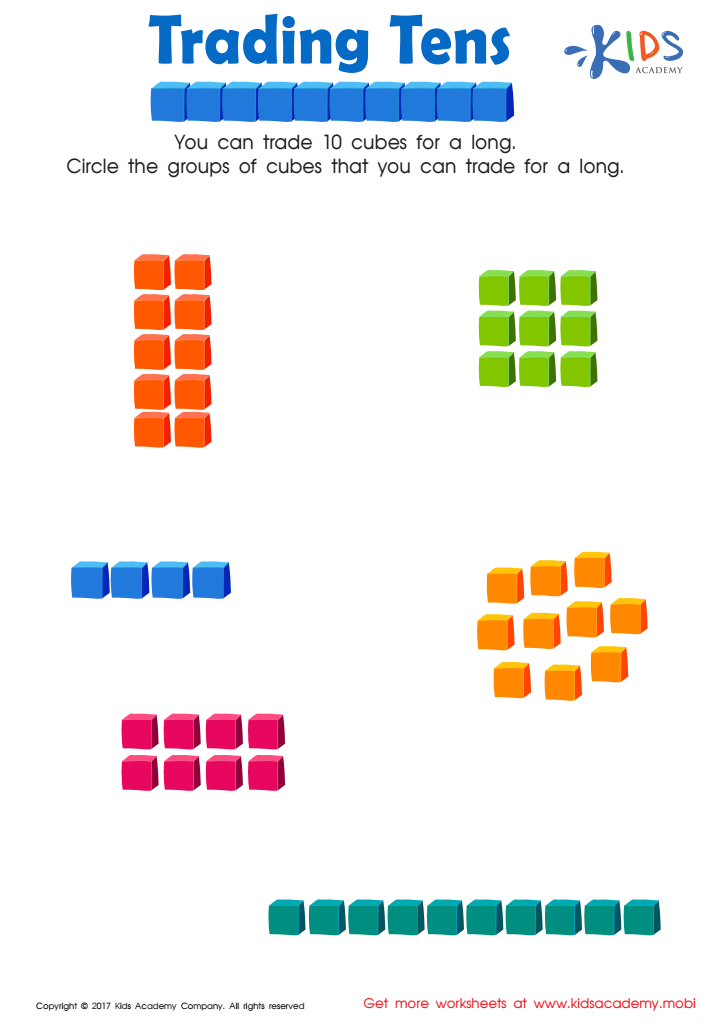
Trading Tens Worksheet








Improving math skills in children aged 3-7 is crucial for their cognitive and social development and lays a strong foundation for future academic success. During these formative years, children are particularly receptive to learning, making it an ideal time to introduce mathematical concepts. Engaging with numbers enhances critical thinking, problem-solving abilities, and logical reasoning skills alongside fostering a positive attitude towards learning.
Parents and teachers should care about enhancing math skills because these skills are not limited to the classroom; they are essential in everyday life. From counting items while shopping to understanding basic time concepts, early math proficiency builds confidence and independence in children as they navigate their environments. Moreover, strong math skills are often linked to better performance in not just mathematics but also in other subjects like science and technology.
Furthermore, introducing math through playful and meaningful activities can make learning enjoyable, strengthening the bond between parents, teachers, and children. Engaging in math-based games and conversations helps children develop crucial language skills and an understanding of social interactions. By prioritizing math skills during early childhood, parents and educators can contribute to creating well-rounded, confident learners equipped to face future challenges.








