Number Recognition Numbers Worksheets for Ages 3-7 - Page 10
218 filtered results
-
From - To
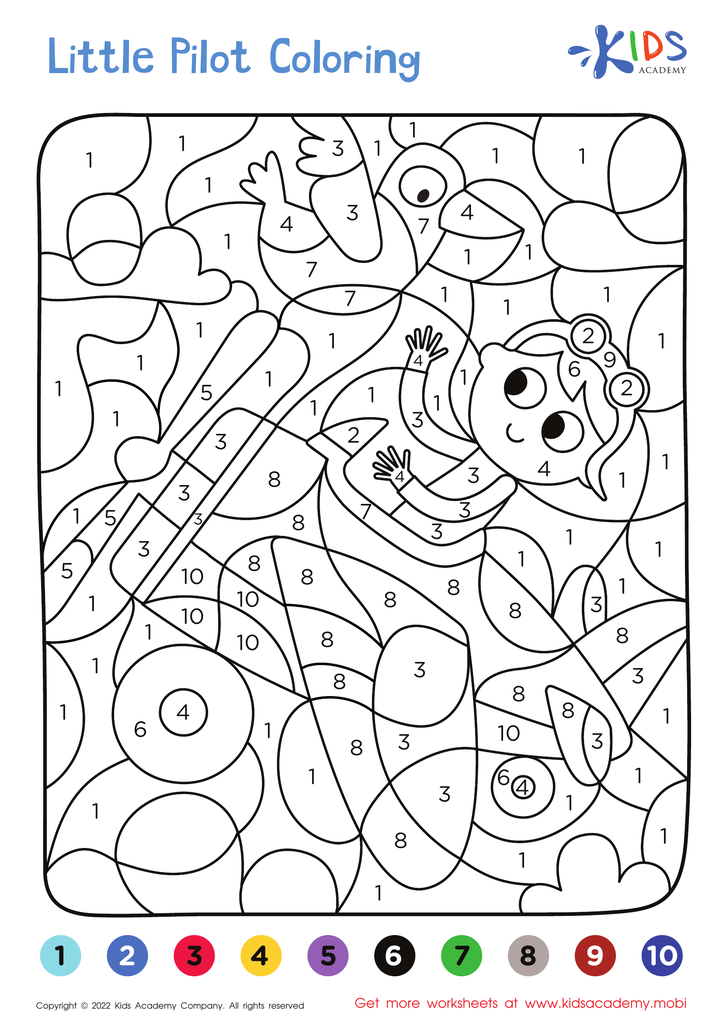
Little Pilot – Coloring by Numbers
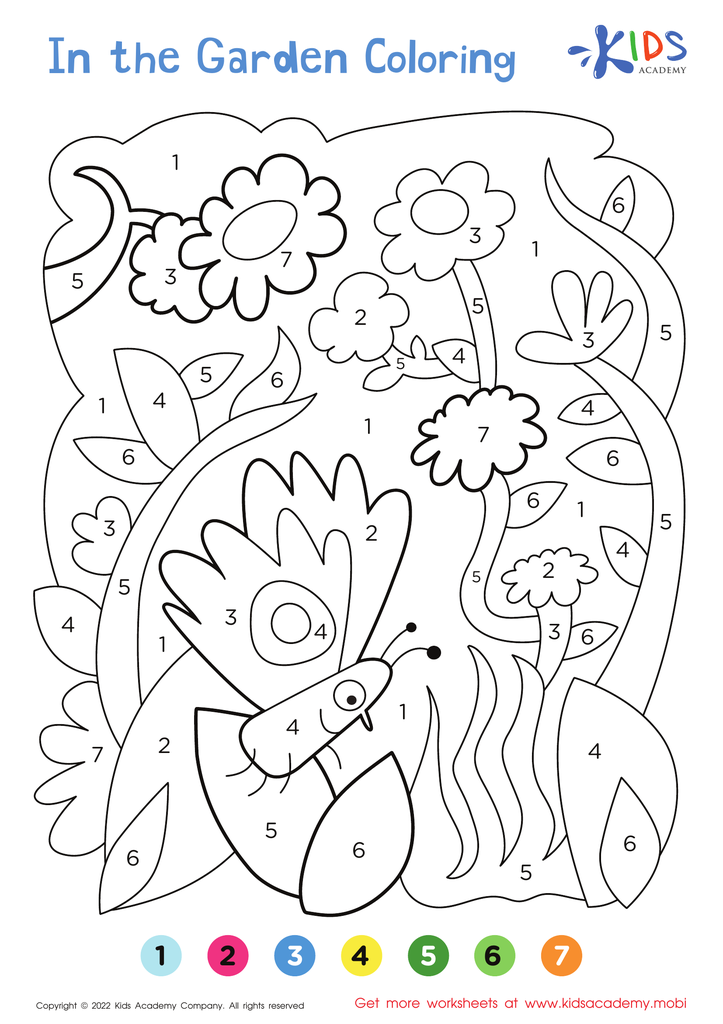
In the Garden – Coloring by Numbers




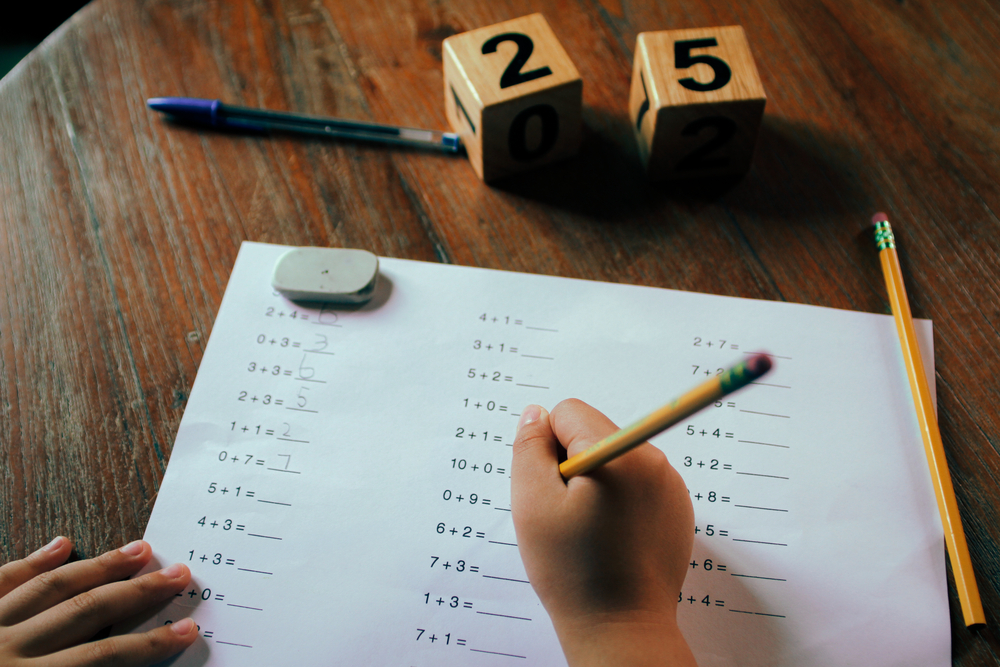



Number recognition is a fundamental skill for children aged 3-7 as it forms the cornerstone of early math learning. When parents and teachers prioritize number recognition, they are equipping kids with the ability to identify and name numbers, which is critical for understanding more complex mathematical concepts later on. Recognizing numbers aids in performing basic arithmetic like addition and subtraction, essential for a wide variety of daily activities and future academic success.
Furthermore, early familiarity with numbers helps develop cognitive abilities, including memory, attention to detail, and logical thinking. It also fosters self-confidence in young learners. When children can recognize and count numbers, they experience a sense of achievement that encourages a positive attitude toward math-related tasks.
Beyond academic advantages, number recognition plays a vital role in everyday life. Children learn to recognize numerals on clocks, phone dials, and price tags, fostering practical life skills early on. Additionally, engaging with numbers through play and real-life scenarios can make learning enjoyable and relevant for young children, paving the way for a lifelong appreciation and understanding of mathematics. For these reasons, parents and teachers should invest time and resources in developing number recognition skills in early childhood.








