Understanding Sequences Numbers Worksheets for Ages 3-7
5 filtered results
-
From - To
Welcome to our "Understanding Sequences Numbers Worksheets" designed for children ages 3-7! These engaging and interactive worksheets help young learners develop essential skills in number sequences through fun activities. Kids will explore patterns, counting, and order while enhancing their recognition of numbers and improving their cognitive abilities. Our resources include colorful visuals and step-by-step instructions to ensure an enjoyable learning experience. By introducing sequences in a playful manner, we foster curiosity and confidence in math from an early age. Perfect for parents and educators, these worksheets are an effective way to support your child's math journey. Start today and watch them thrive!
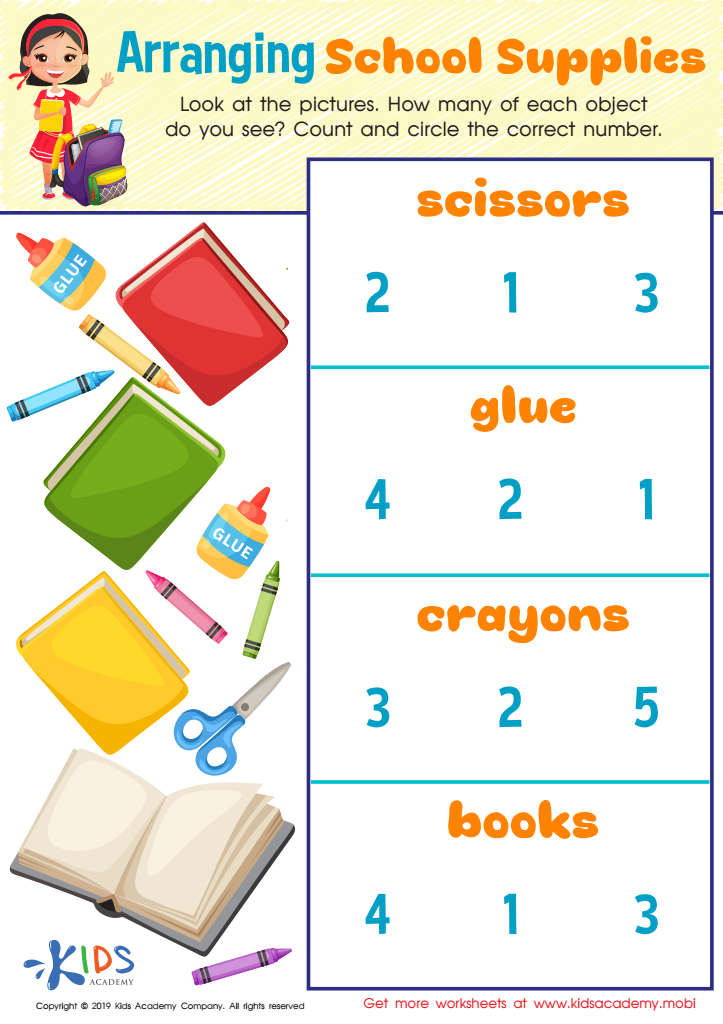
Arranging School Supplies Worksheet
 Assign to My Students
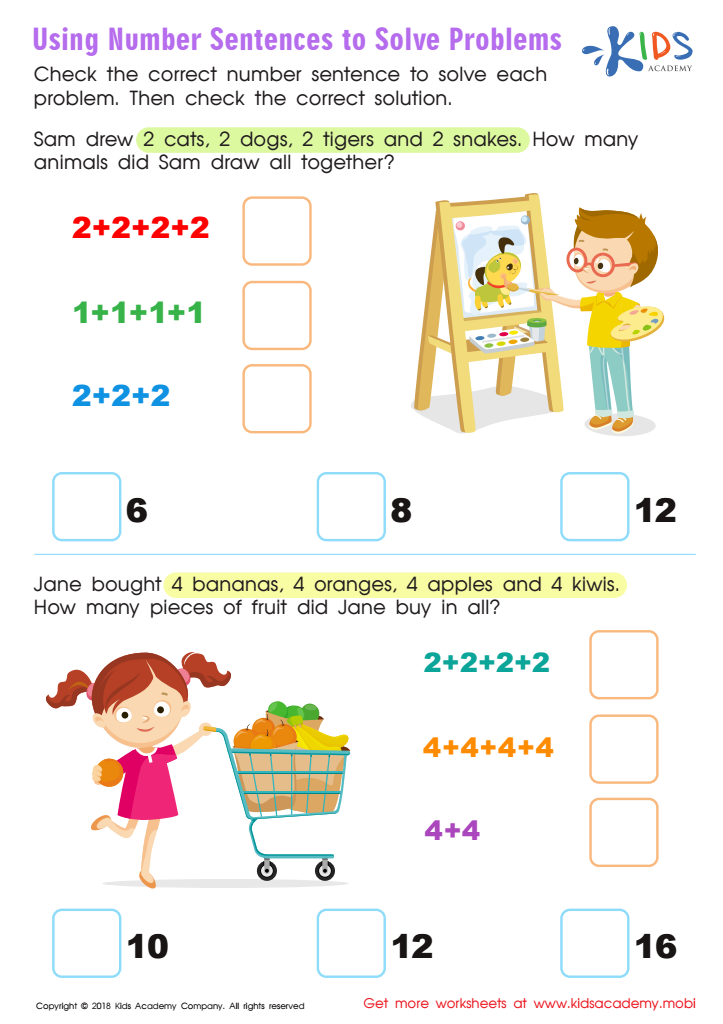
Using Number Sentences to Solve Problems Worksheet
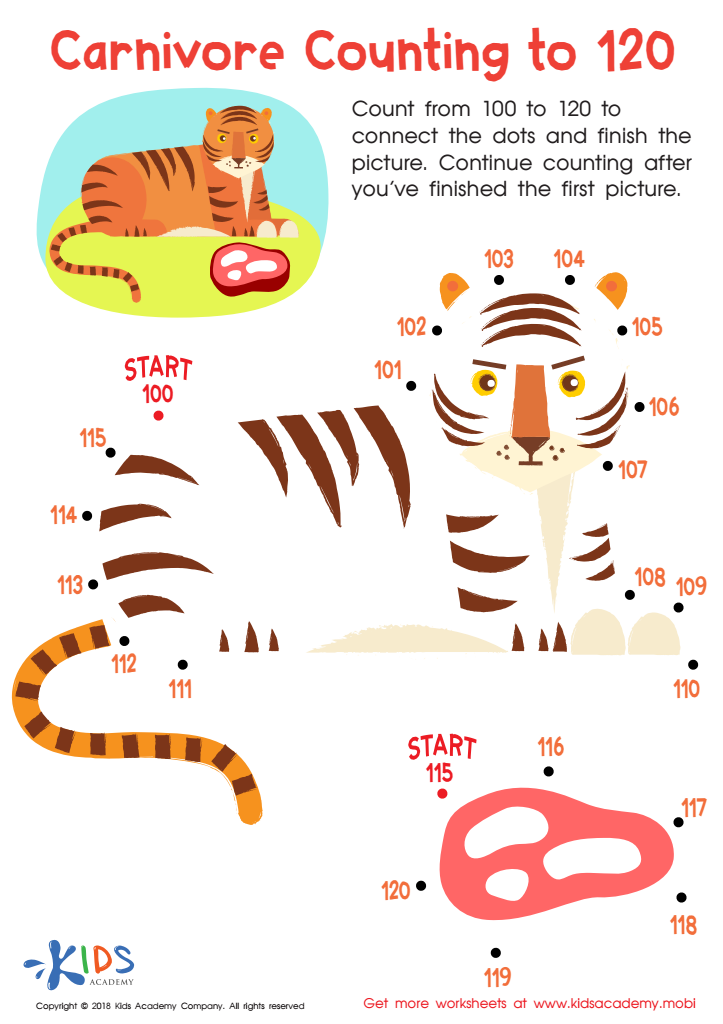
Carnivore Counting to 120 Worksheet
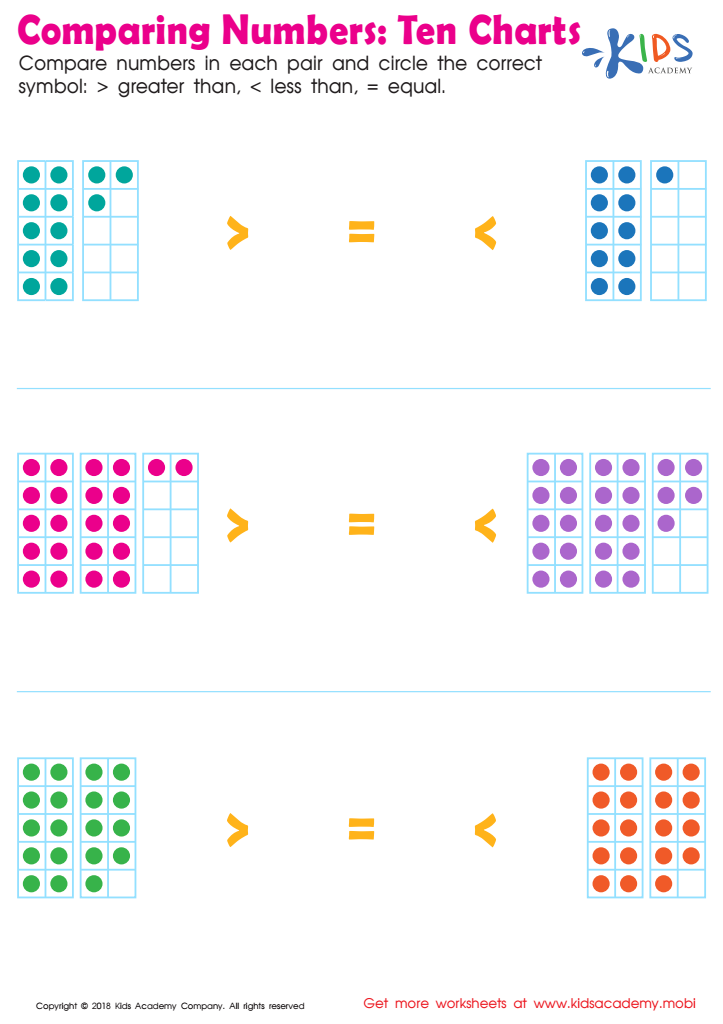
Ten Charts Worksheet
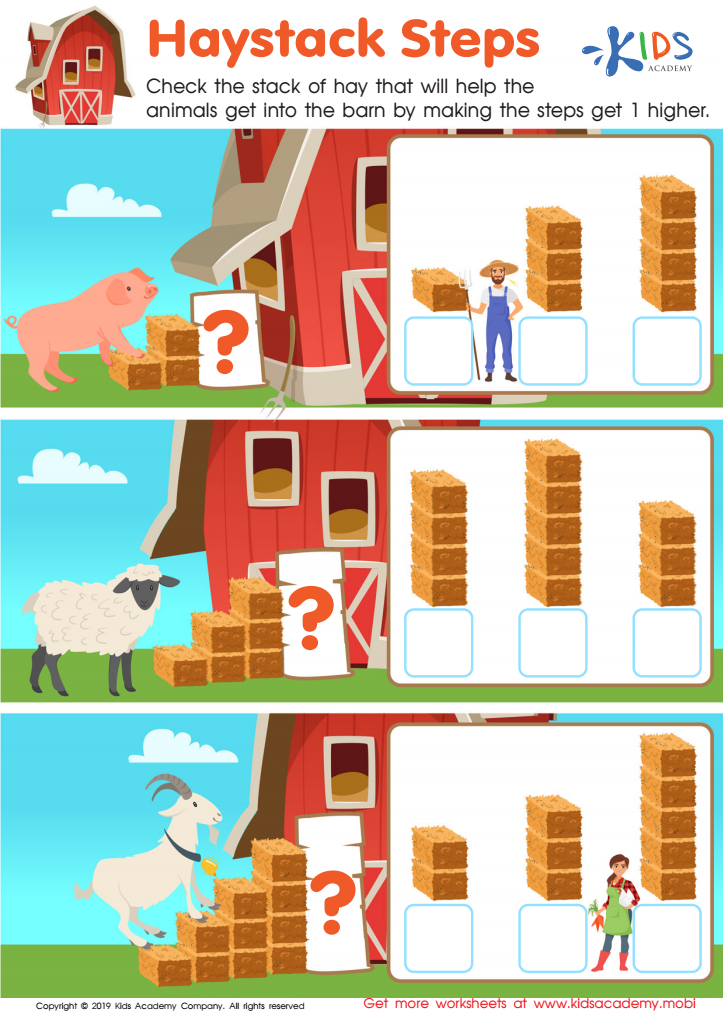
Haystack Steps Worksheet








Understanding sequence numbers is foundational for young learners aged 3-7, and it is crucial for both parents and teachers to prioritize this concept. First and foremost, sequence numbers help children develop logical reasoning and critical thinking skills. By recognizing and creating patterns, children not only enhance their cognitive abilities but also prepare for more complex mathematical concepts in later grades.
Additionally, mastering sequences lays the groundwork for essential life skills. For example, understanding sequences can improve a child’s ability to follow instructions, such as those needed in daily routines or during school activities, fostering independence and confidence.
Moreover, sequence numbers are often tied to various subjects beyond math, including reading, music, and science. Being able to identify sequences helps children in literacy by allowing them to understand story structures and predict outcomes.
Engaging with sequences can also be fun through games and activities, making learning enjoyable and enhancing family bonds during shared experiences.
Ultimately, by focusing on sequence numbers, parents and teachers are equipping children with vital skills that will serve as a building block for future learning, setting a solid foundation for their overall academic growth and success.








