Visual perception Numbers Worksheets for Ages 3-7 - Page 2
29 filtered results
-
From - To
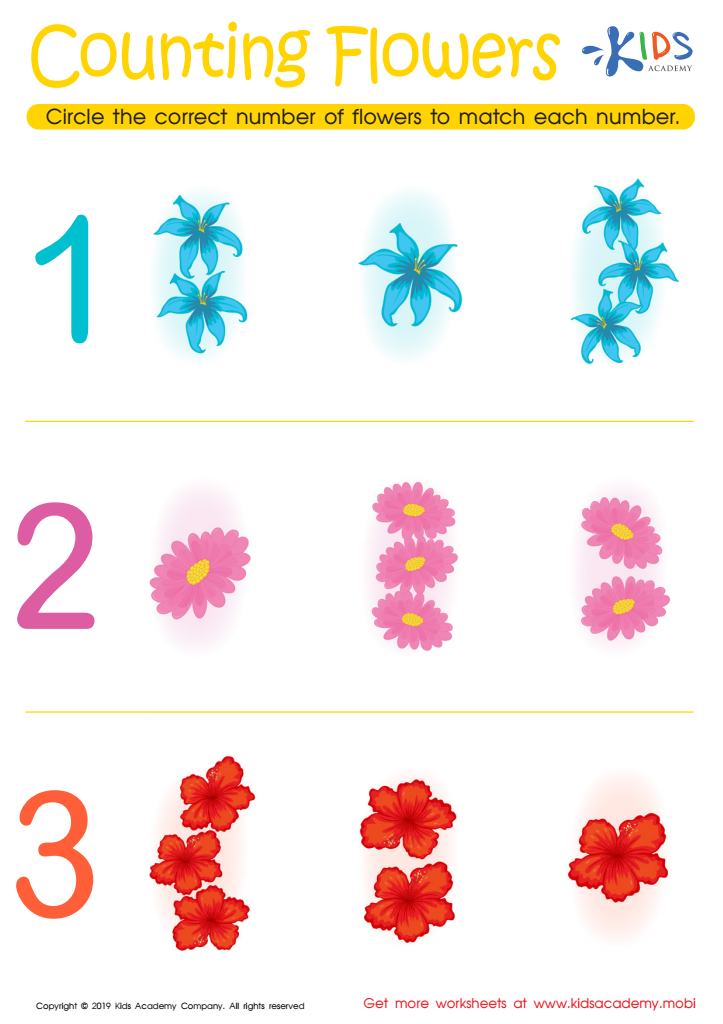
Counting Flowers Worksheet
 Assign to My Students
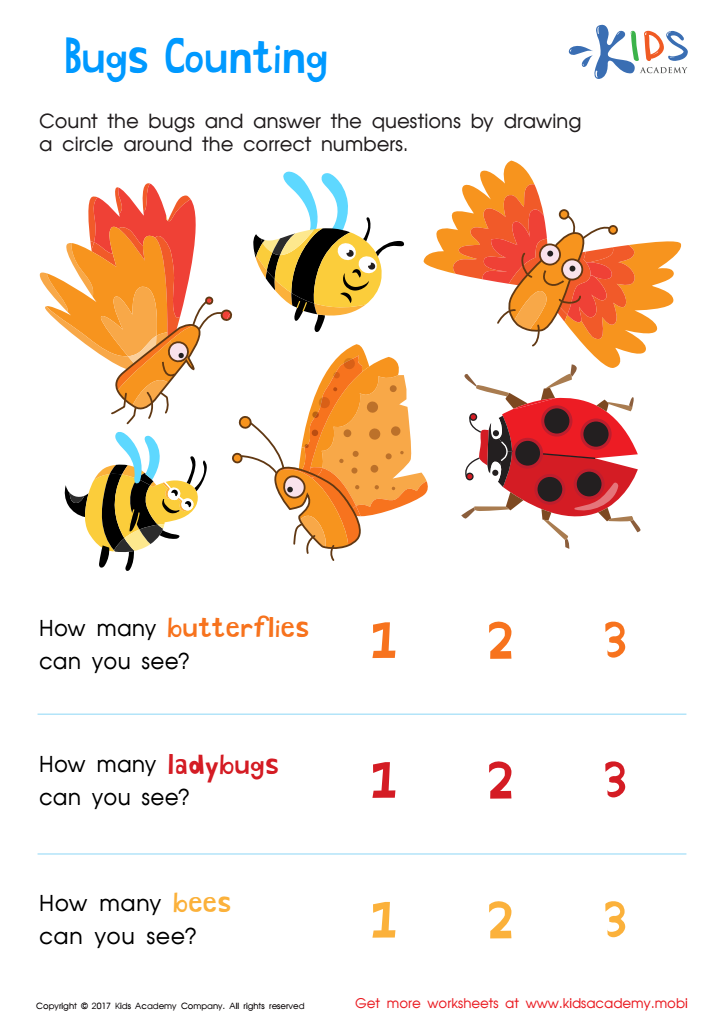
Bugs Counting Worksheet
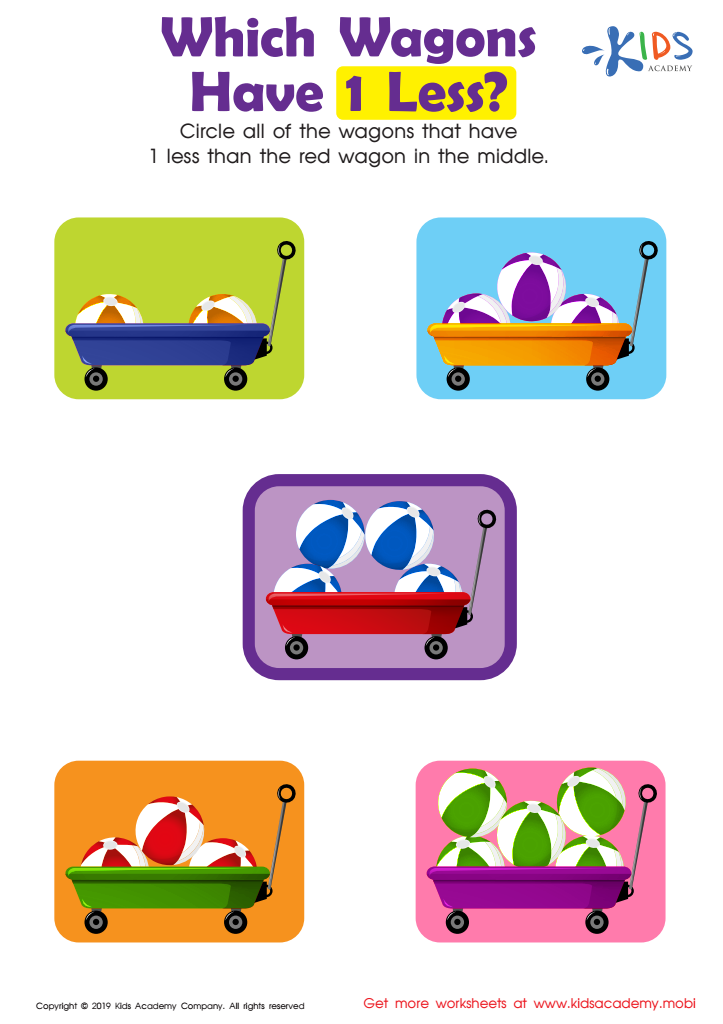
Which Wagons Have 1 Less? Worksheet
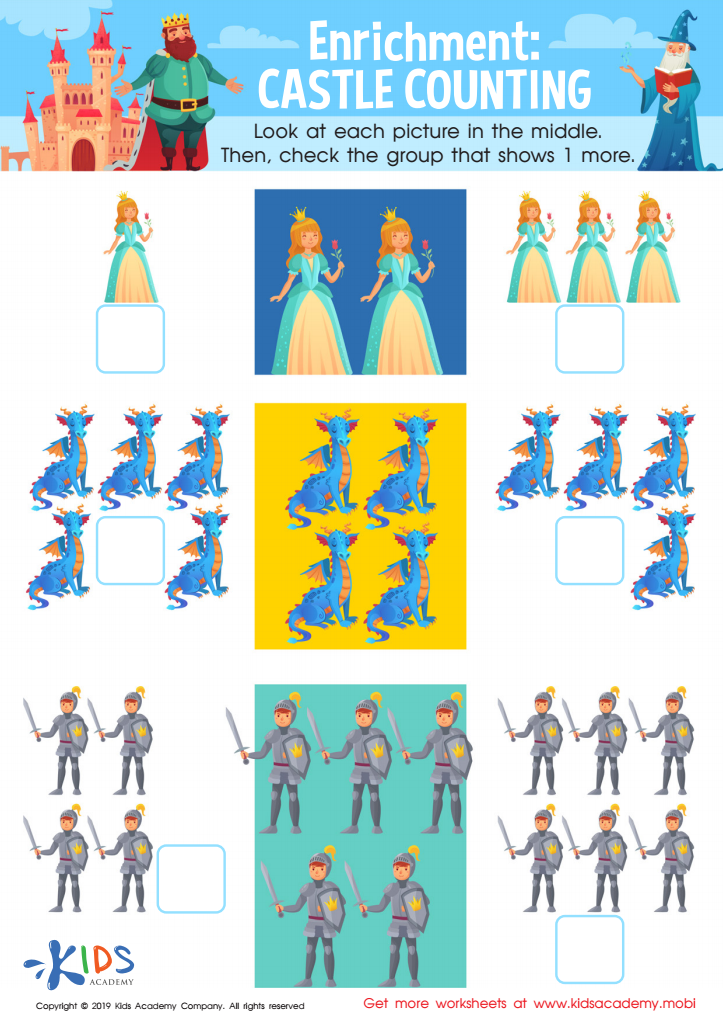
Enrichment: Castle Counting Worksheet

Count and Match Vegetables 1 – 5 Math Worksheet







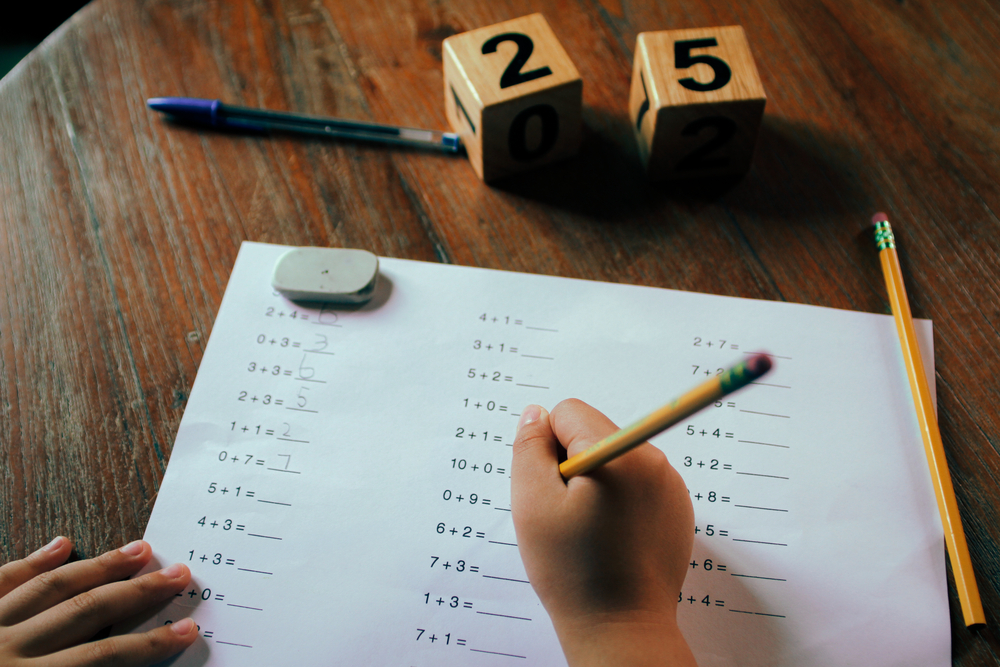
Visual perception is crucial for children aged 3-7 as it forms the foundation for essential skills in learning and development. This ability allows children to interpret and process visual information, which is vital for activities such as reading, writing, and mathematics.
For parents and teachers, understanding visual perception, especially concerning numbers, is important because it directly impacts a child's ability to recognize, count, and manipulate numbers. Children with strong visual perception skills are better equipped to differentiate between shapes, sizes, and spatial relationships, leading to improved math competence and problem-solving abilities.
Furthermore, developing these skills at a young age can significantly influence a child’s academic trajectory. Early struggles with visual perception may manifest as difficulties in school tasks that involve numerical understanding, such as addition or subtraction.
By recognizing the significance of visual perception in early childhood, parents and teachers can support targeted activities, such as number games, puzzles, and hands-on learning experiences, to enhance these skills. Fostering visual perception not only builds confidence and independence but also lays a strong foundation for future learning, ultimately contributing to overall academic success and a lifelong love of learning.








