Alphabet Recognition Math Worksheets for Ages 3-7
6 filtered results
-
From - To
Discover our engaging Alphabet Recognition Math Worksheets designed for children aged 3-7! These worksheets combine fun and learning, helping young learners recognize letters while developing essential math skills. Each activity promotes basic letter identification, pairing letters with numbers and objects, fostering an intuitive understanding of both the alphabet and early math concepts. Perfect for parents and educators alike, our printable resources encourage interactive learning at home or in the classroom. Support your child's cognitive development with colorful, age-appropriate exercises that make learning enjoyable. Unlock their potential as they gain confidence in recognizing letters and numbers through creative practice!
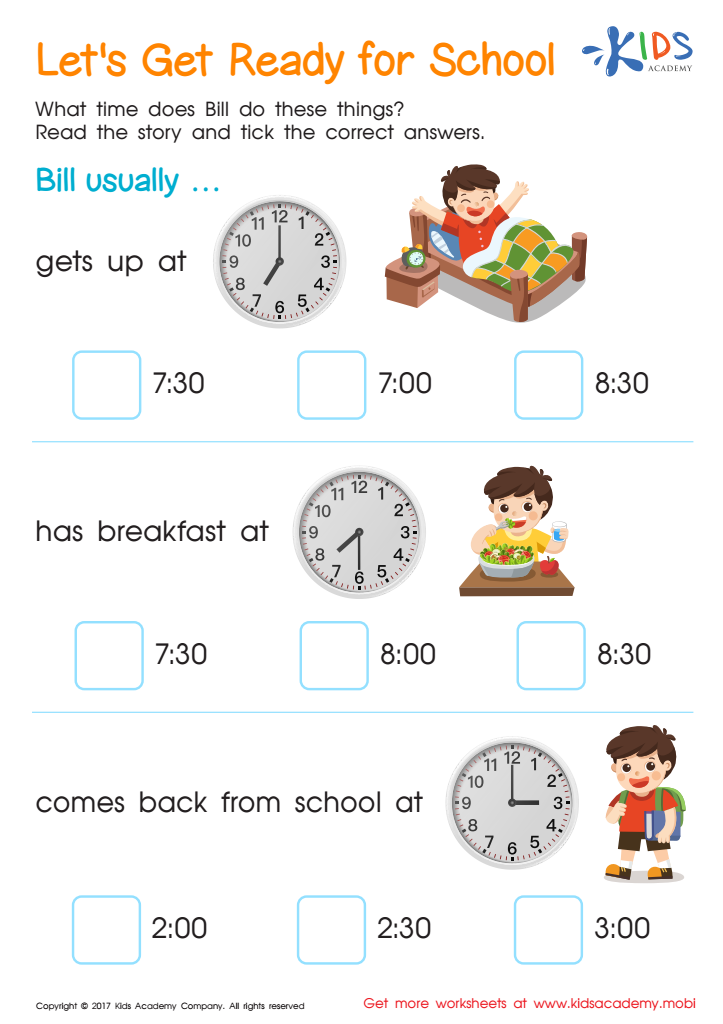
Lets Get Ready For School Time Printable
 Assign to My Students
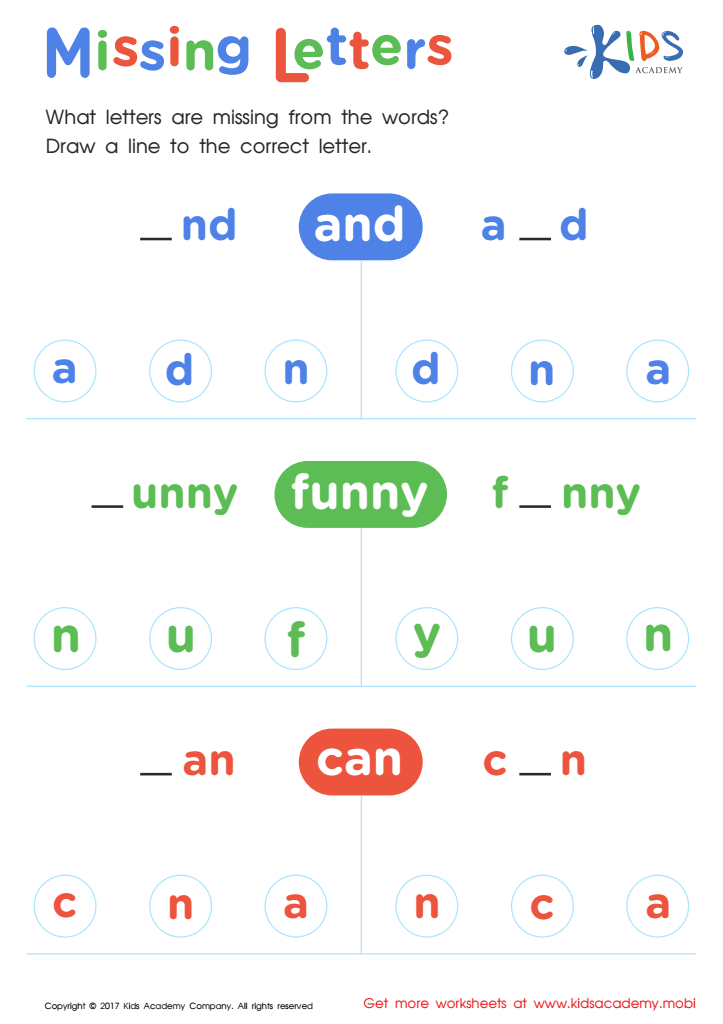
Missing Letters Worksheet







Alphabet recognition is a foundational skill that plays a pivotal role in early childhood education, particularly for children aged 3-7. Parents and teachers should prioritize this skill because it serves as the cornerstone for literacy development. Recognizing letters enables children to start decoding words, which is essential for reading and writing.
Additionally, alphabet recognition is closely linked to early math skills, as children learn to identify patterns, sequences, and even basic shapes that share similarities with letter formation. For example, the concept of symmetry can be introduced through the recognition of letters like ‘A’ and ‘M’.
Moreover, mastering letter recognition enhances a child’s ability to follow instructions, solve problems, and communicate effectively. Engaging with letters through games, songs, and hands-on activities promotes cognitive development and supports language acquisition.
Early identification of struggling readers can also facilitate timely intervention, ensuring that children receive the help they need to thrive.
Ultimately, fostering alphabet recognition during these formative years nurtures a lifelong love for learning, paves the way for academic success, and instills confidence as children embark on their educational journey. Thus, investing in this aspect of learning is crucial for holistic development.








