Check out this FREE Trial Lesson on Math for age 3-7!

L

Favorites
With answer key
Interactive
  • 3-7
  • Comparing Fractions
  • Math
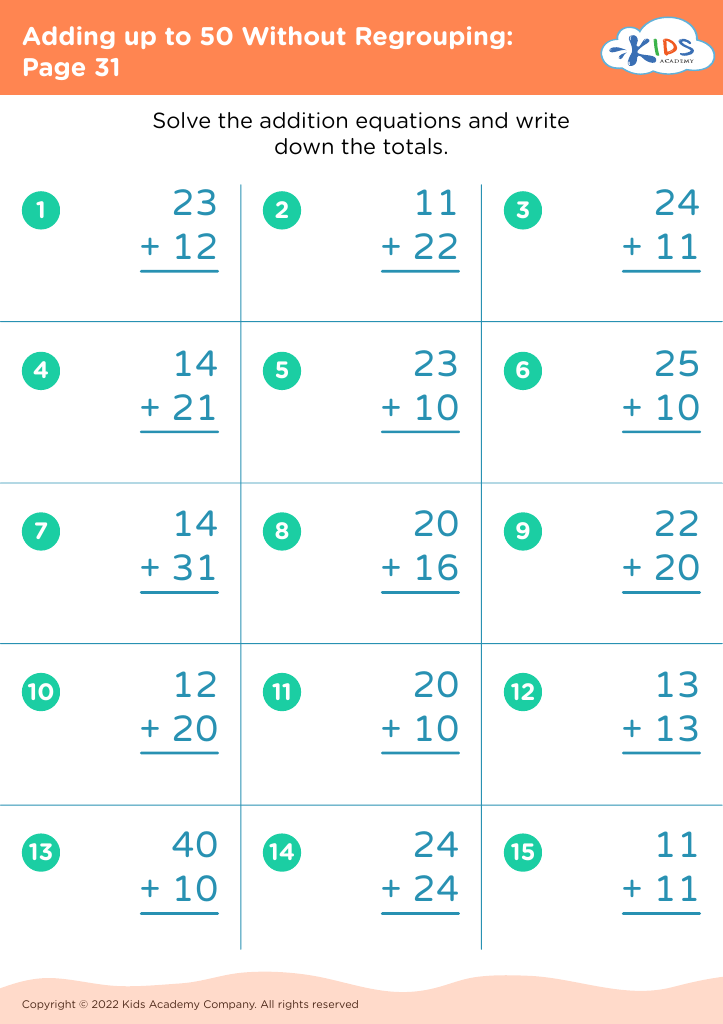
Adding up to 50 Without Regrouping: Page 31
Worksheet
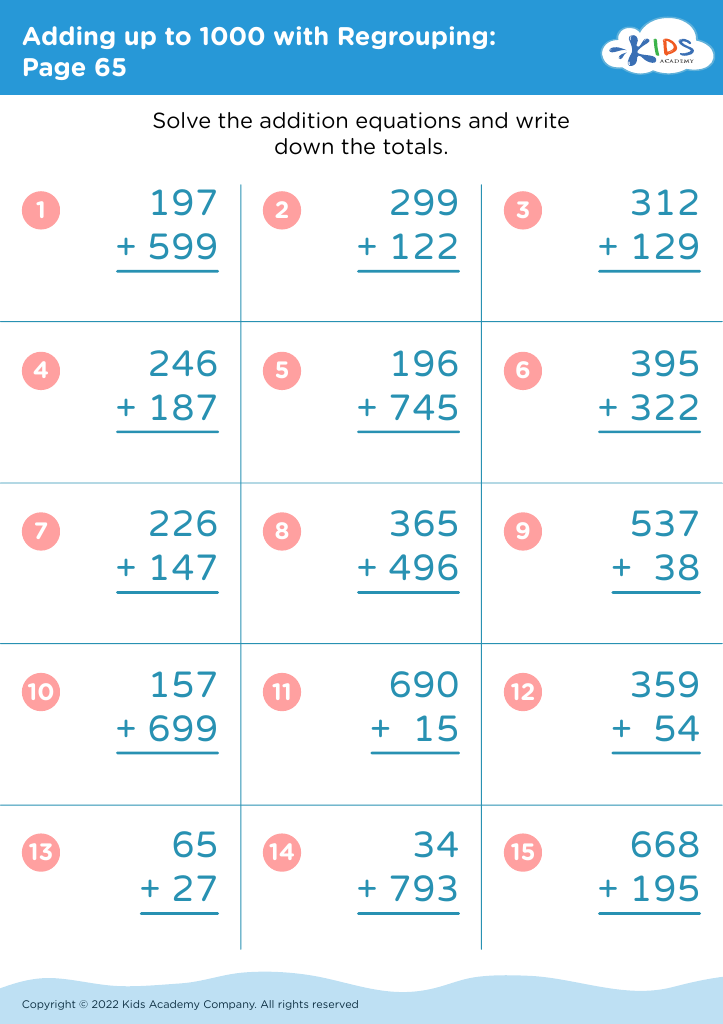
Adding up to 1000 with Regrouping: Page 65
Worksheet
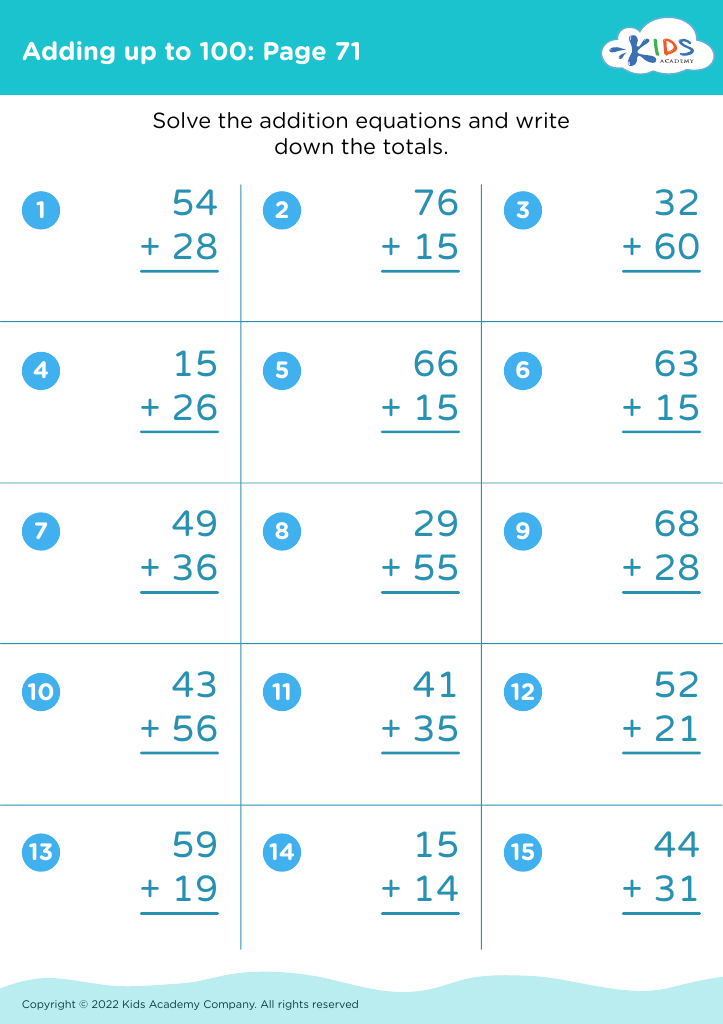
Adding up to 100: Page 71

Adding up to 100: Page 71

Adding up to 100: Page 71
Worksheet
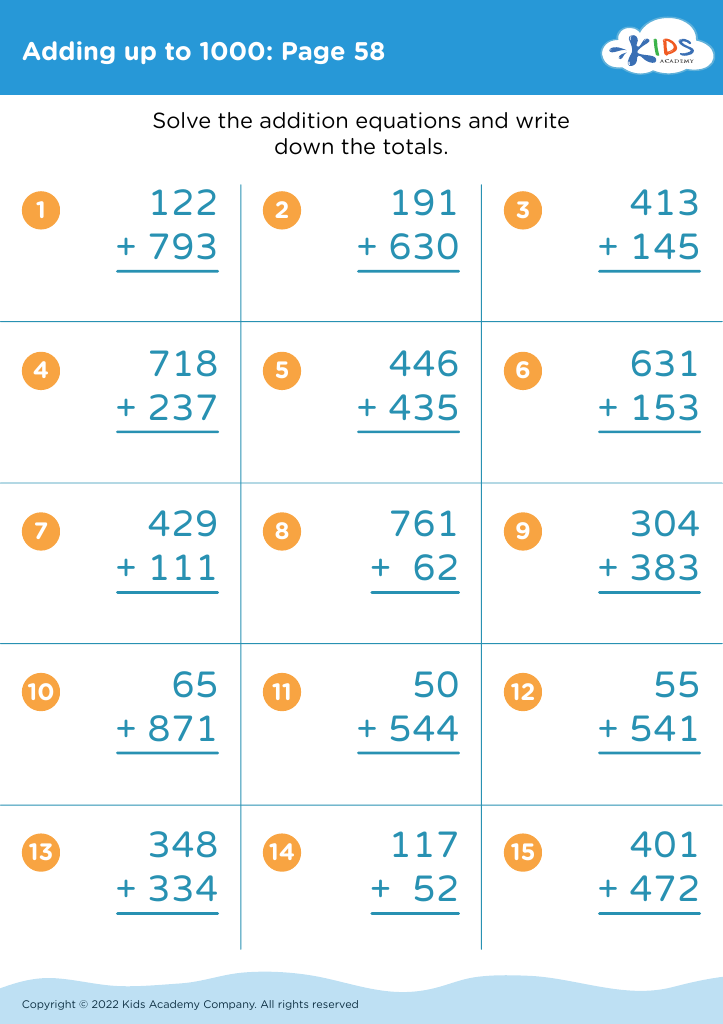
Adding up to 1000: Page 58

Adding up to 1000: Page 58

Adding up to 1000: Page 58
Worksheet
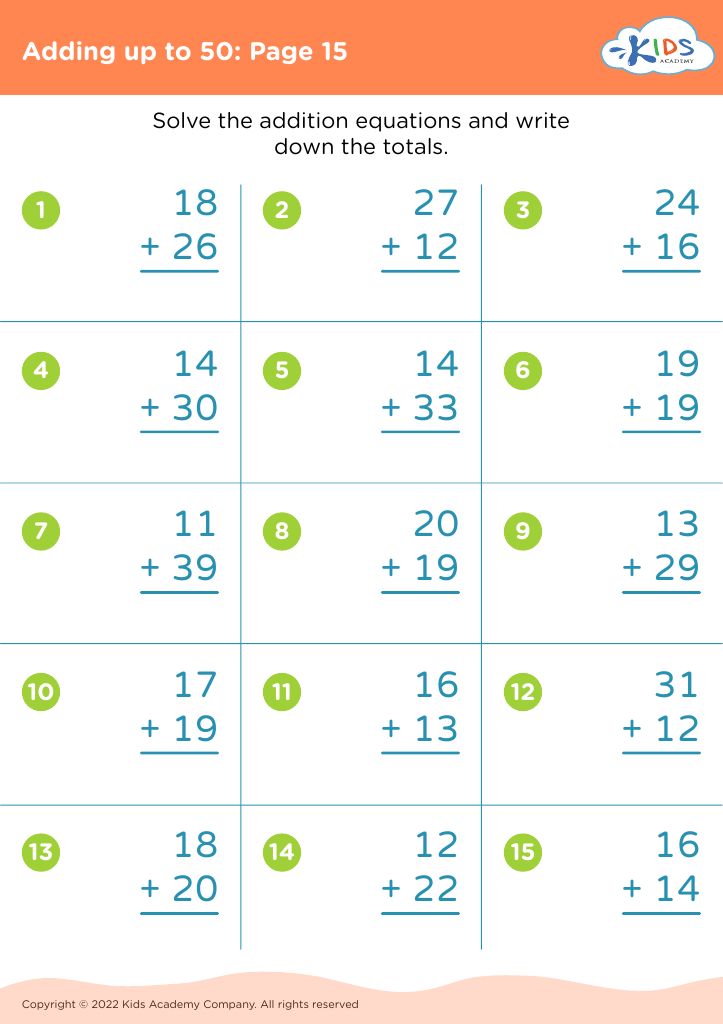
Adding up to 50: Page 15

Adding up to 50: Page 15

Adding up to 50: Page 15
Worksheet
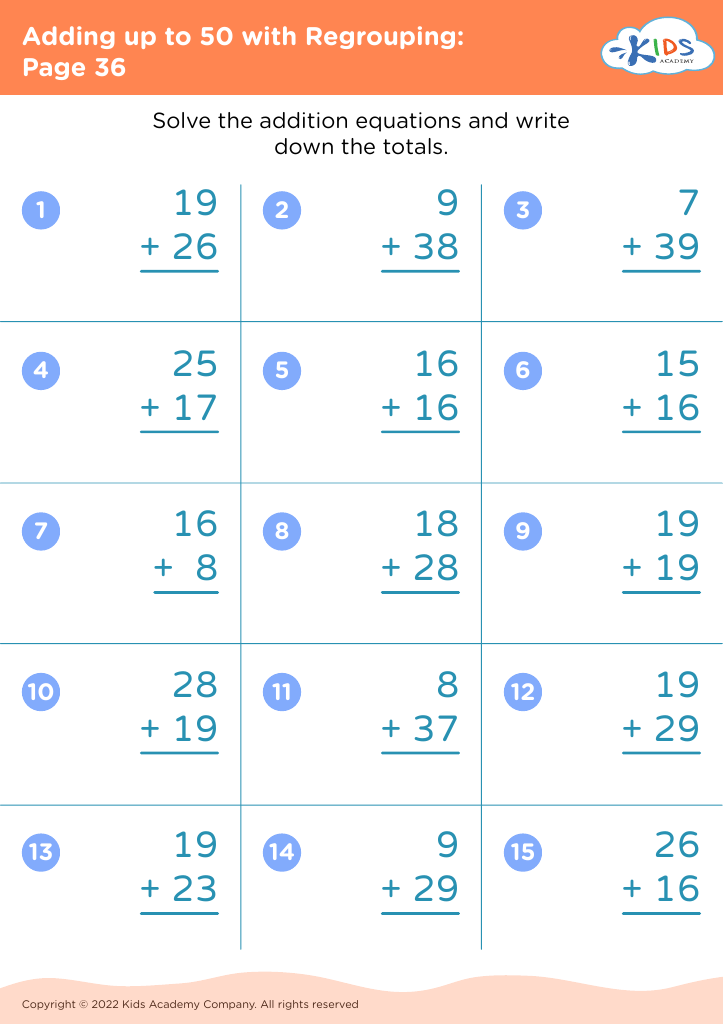
Adding up to 50 with Regrouping: Page 36
Worksheet
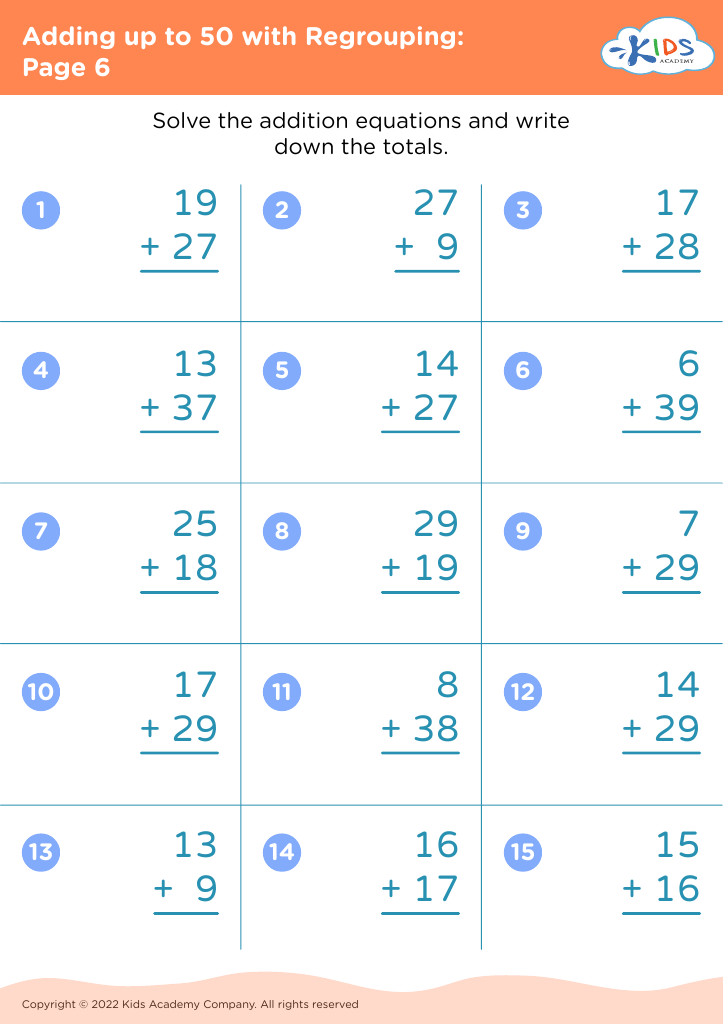
Adding up to 50 with Regrouping: Page 6
Worksheet
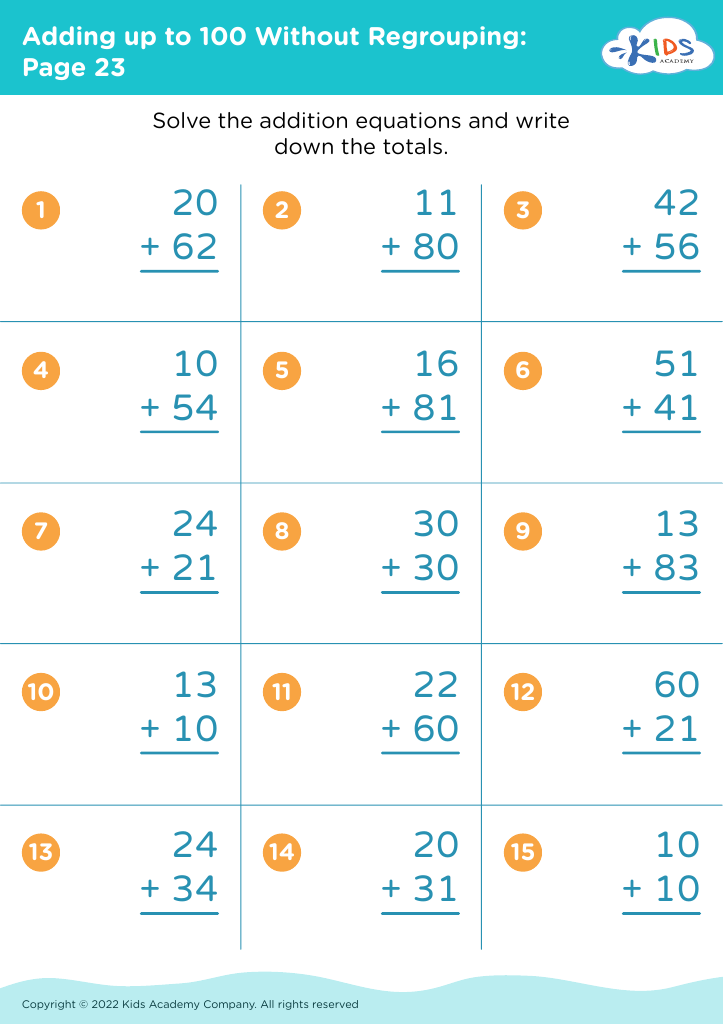
Adding up to 100 Without Regrouping: Page 23
Worksheet
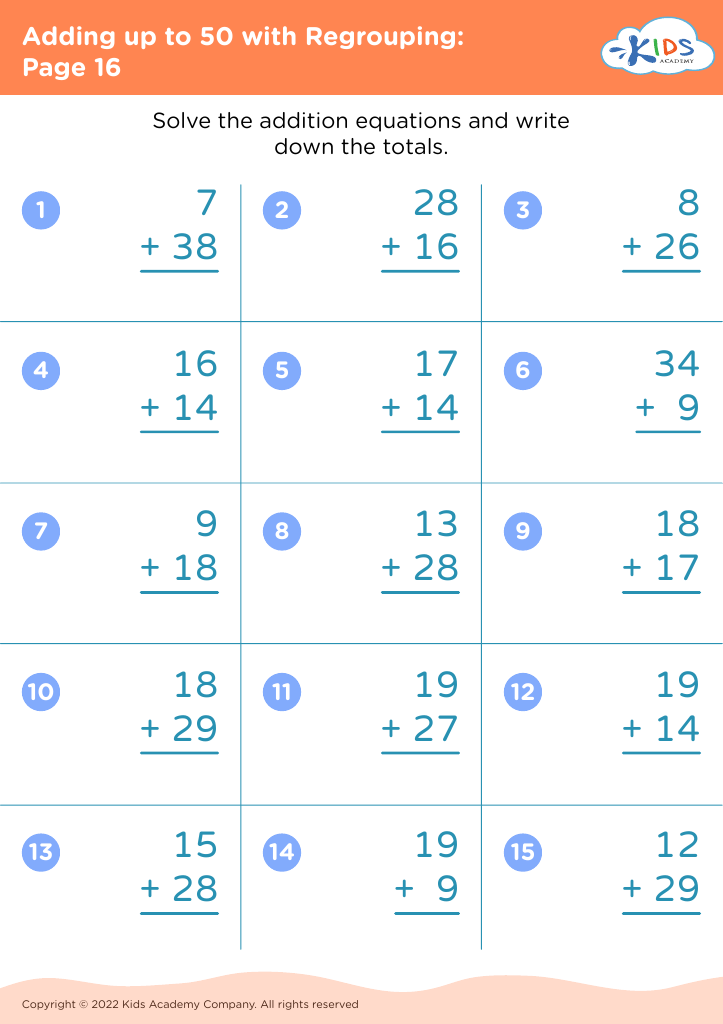
Adding up to 50 with Regrouping: Page 16
Worksheet
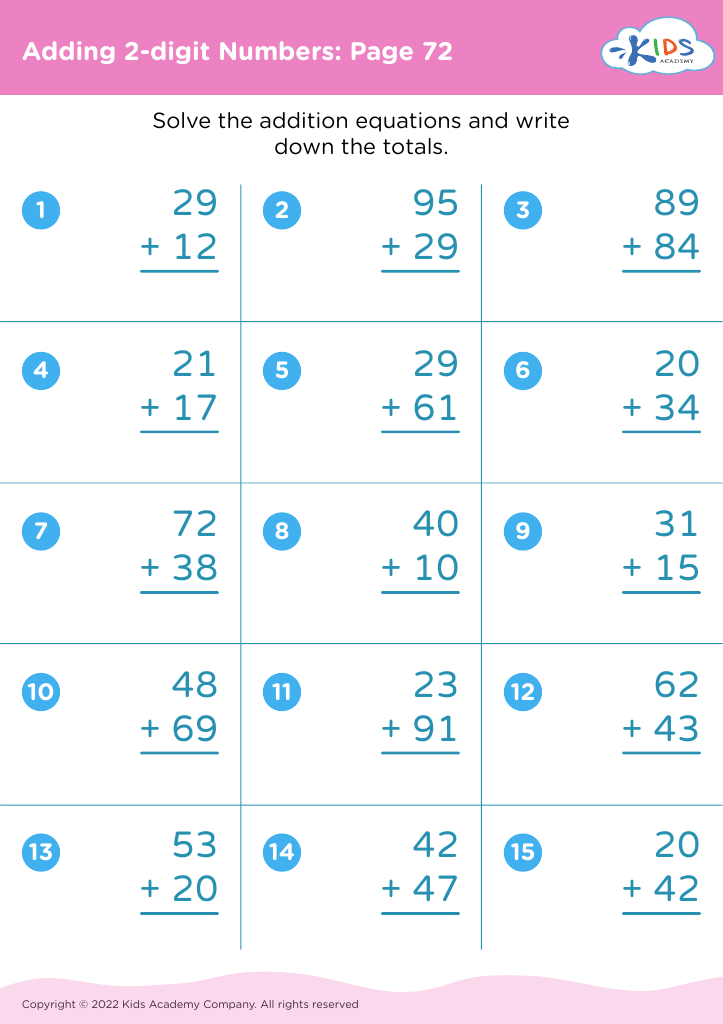
Adding 2-digit Numbers: Page 72

Adding 2-digit Numbers: Page 72

Adding 2-digit Numbers: Page 72
Worksheet
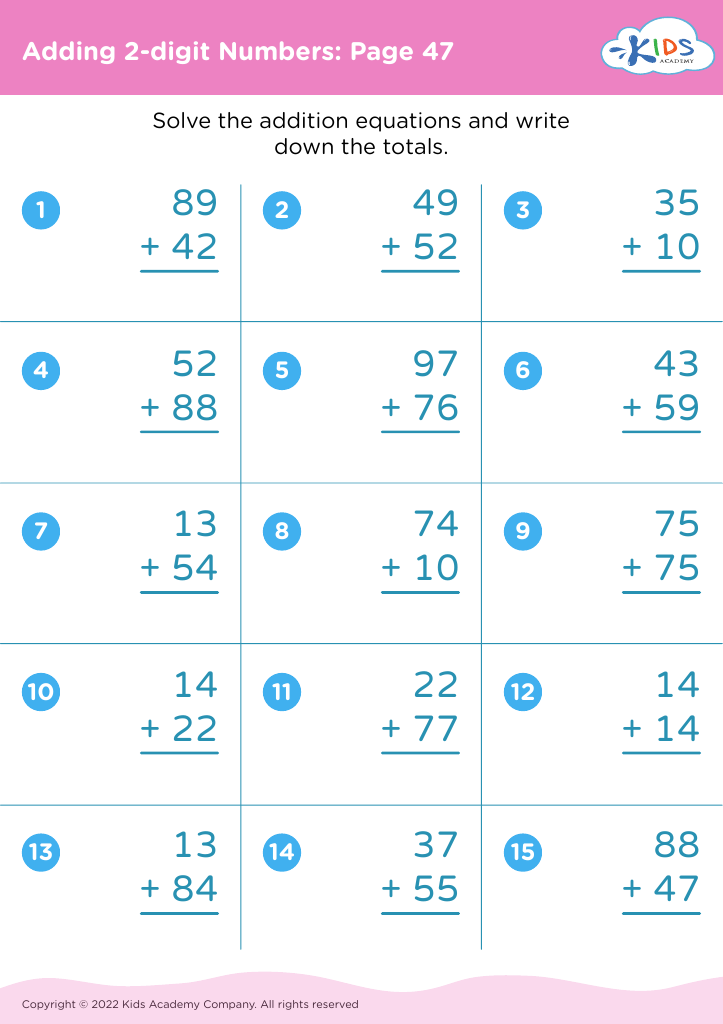
Adding 2-digit Numbers: Page 47

Adding 2-digit Numbers: Page 47

Adding 2-digit Numbers: Page 47
Worksheet
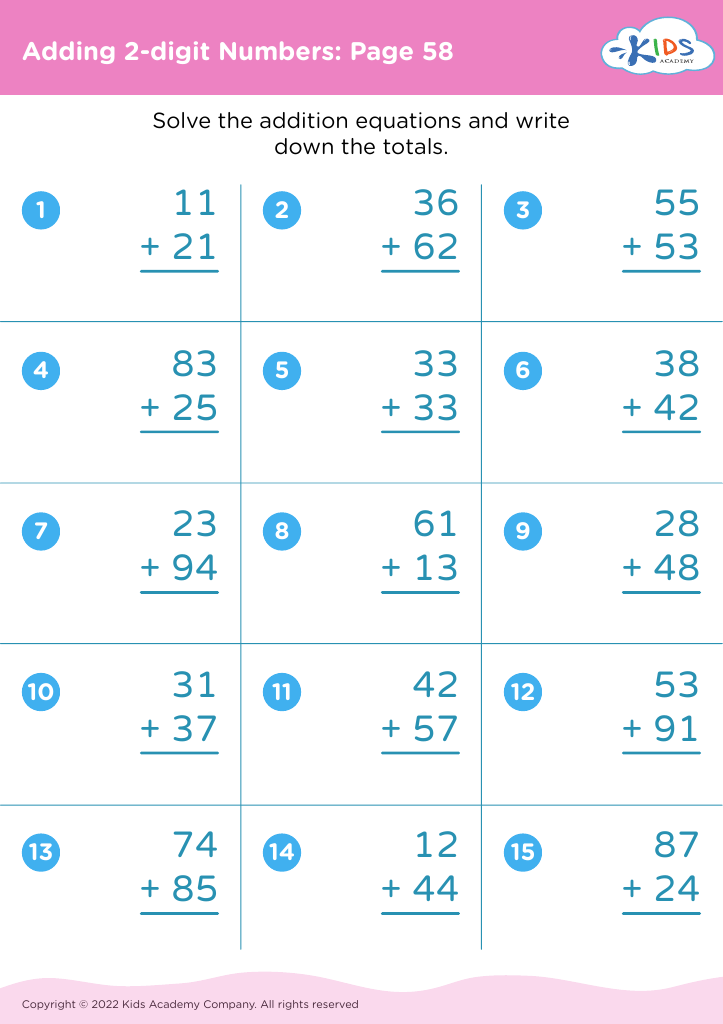
Adding 2-digit Numbers: Page 58

Adding 2-digit Numbers: Page 58

Adding 2-digit Numbers: Page 58
Worksheet
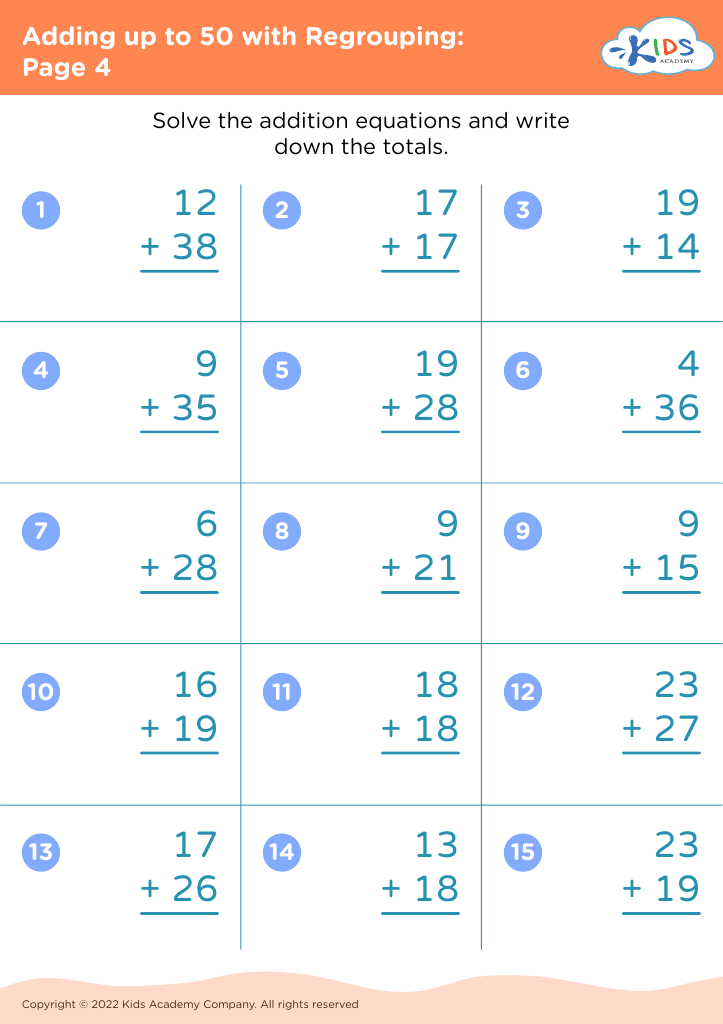
Adding up to 50 with Regrouping: Page 4
Worksheet
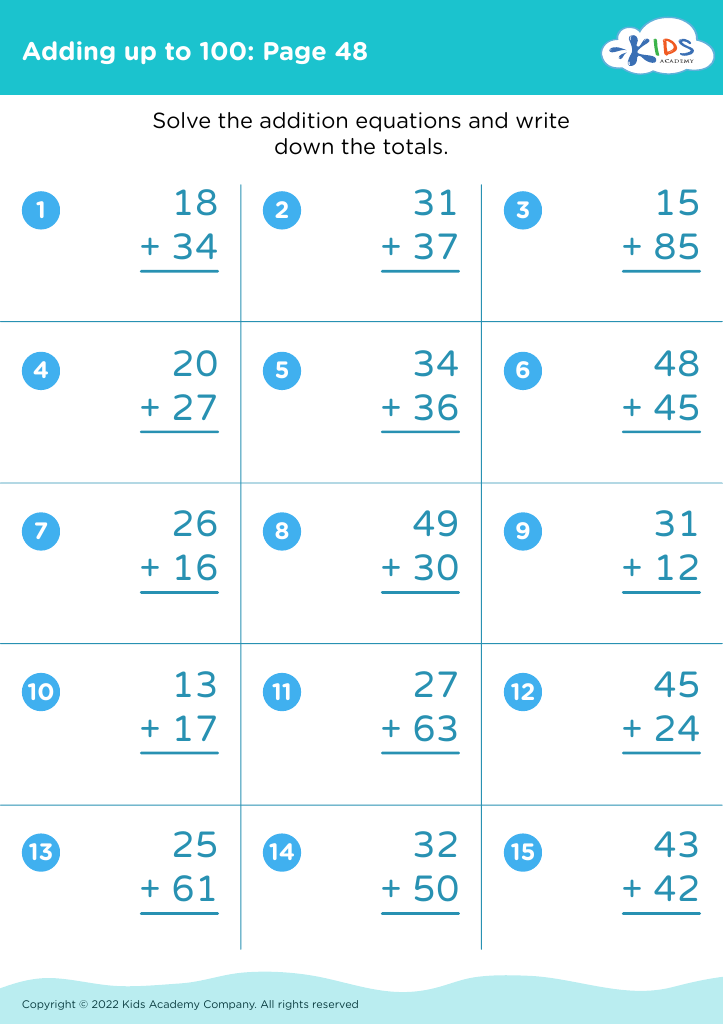
Adding up to 100: Page 48

Adding up to 100: Page 48

Adding up to 100: Page 48
Worksheet
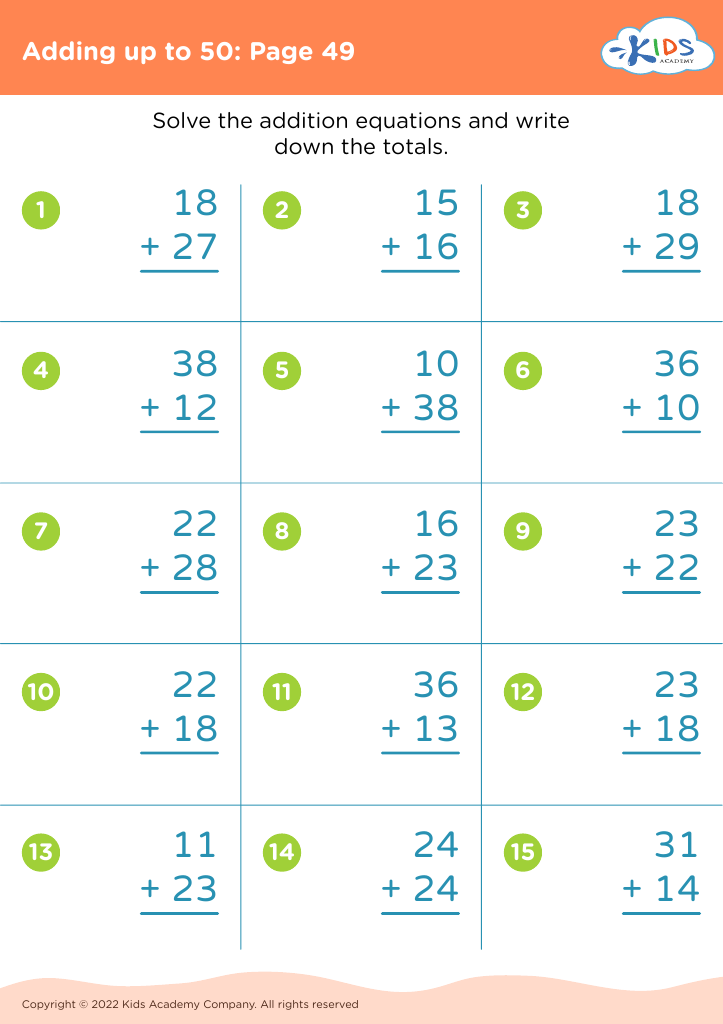
Adding up to 50: Page 49

Adding up to 50: Page 49

Adding up to 50: Page 49
Worksheet
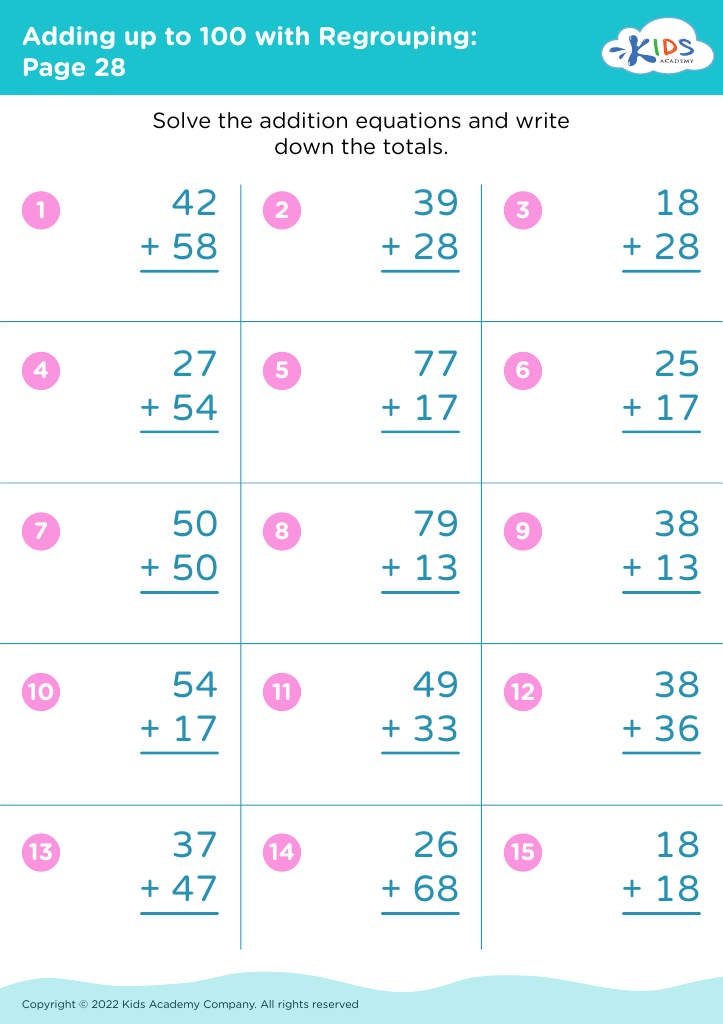
Adding up to 100 with Regrouping: Page 28
Worksheet
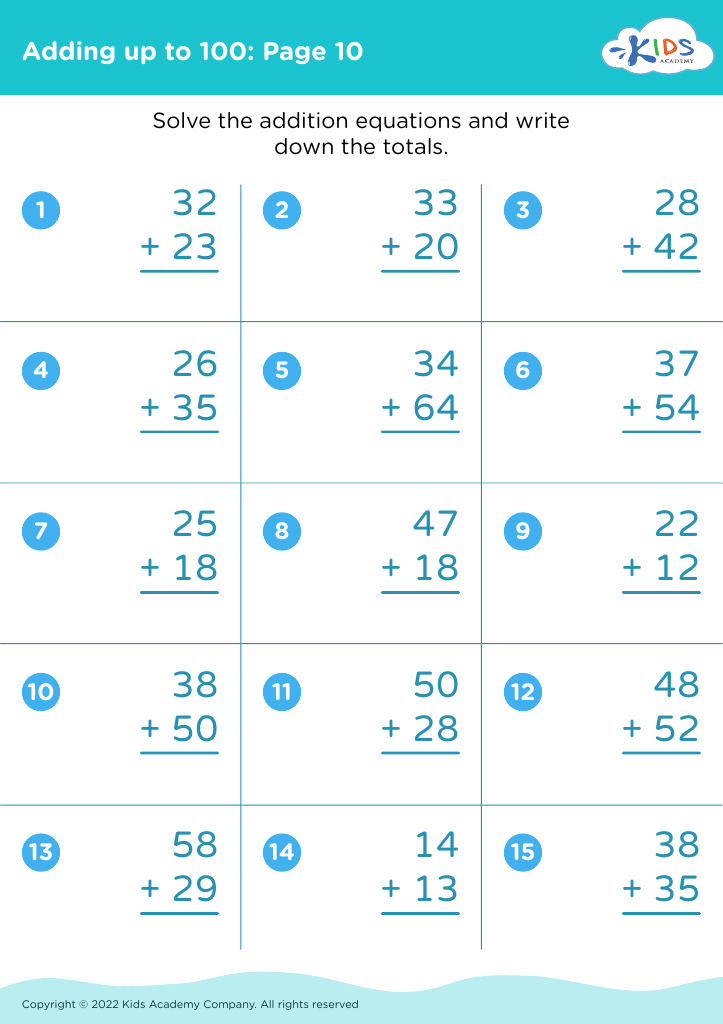
Adding up to 100: Page 10

Adding up to 100: Page 10

Adding up to 100: Page 10
Worksheet
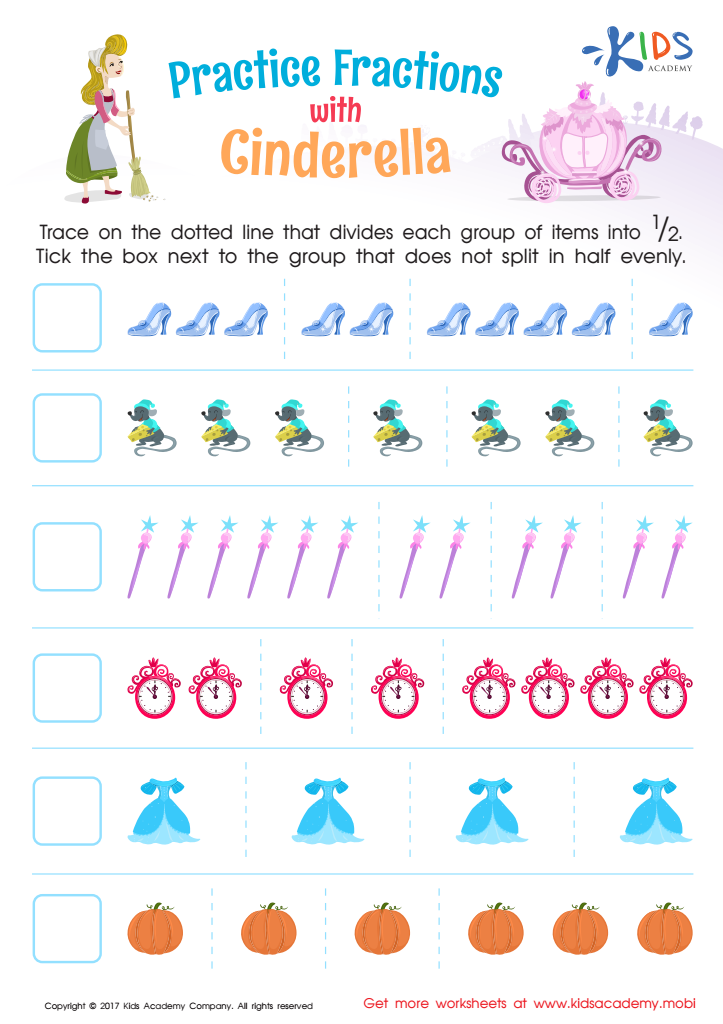
Cinderella Fraction Practice

Fractions: Cinderella Printable

Cinderella and ½ are the perfect pair to excite your child about learning fractions.
Fractions: Cinderella Printable
Worksheet
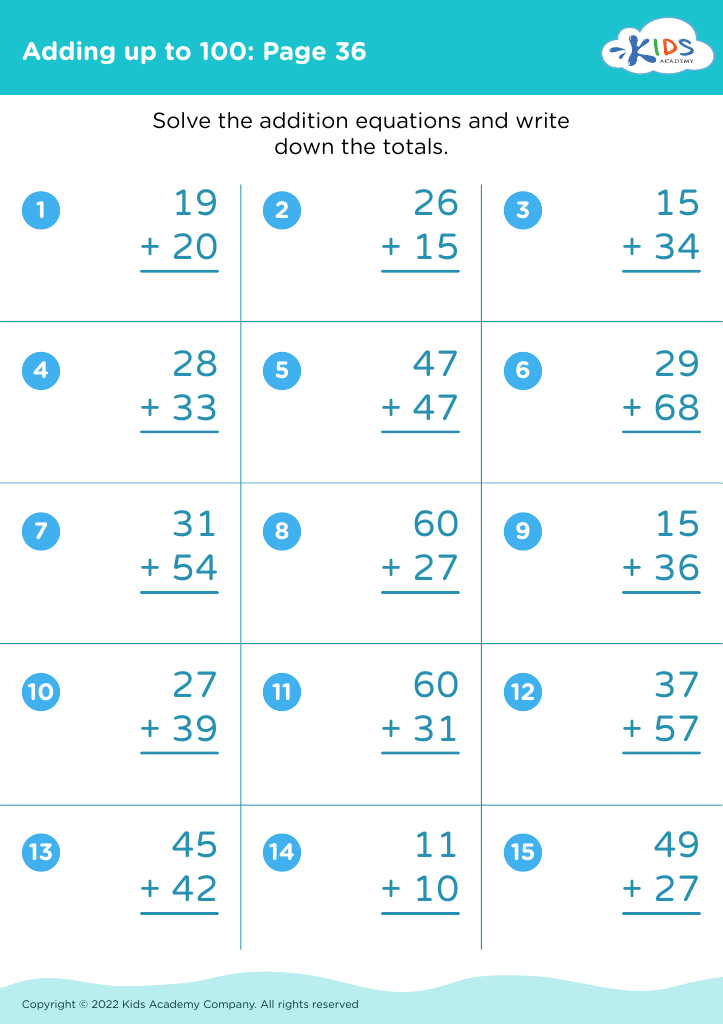
Adding up to 100: Page 36

Adding up to 100: Page 36

Adding up to 100: Page 36
Worksheet
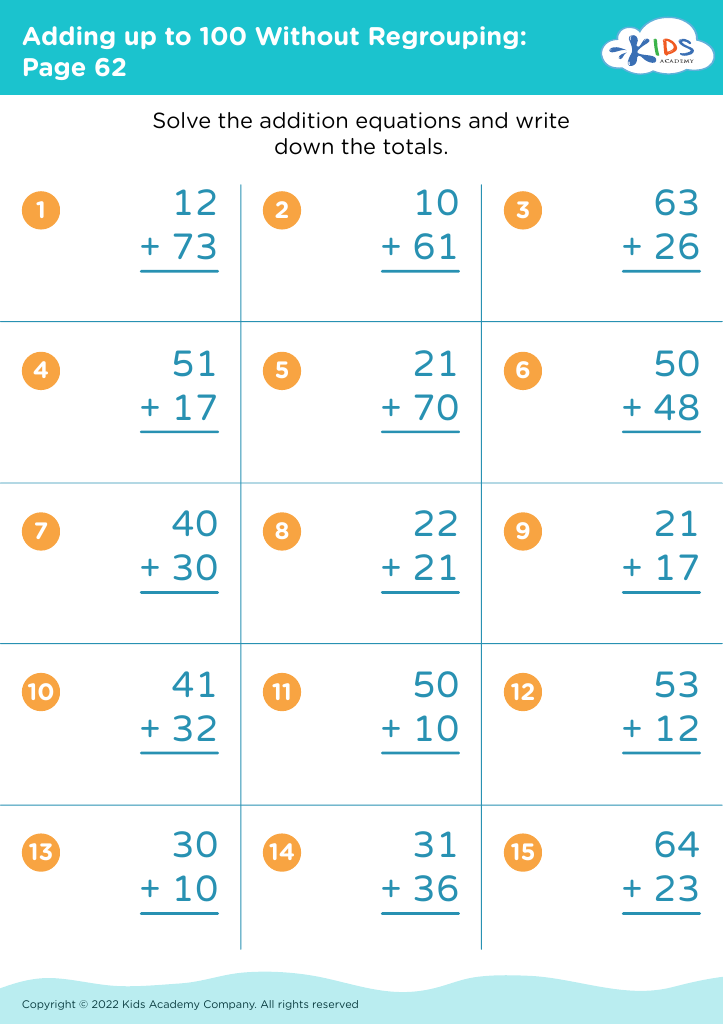
Adding up to 100 Without Regrouping: Page 62
Worksheet
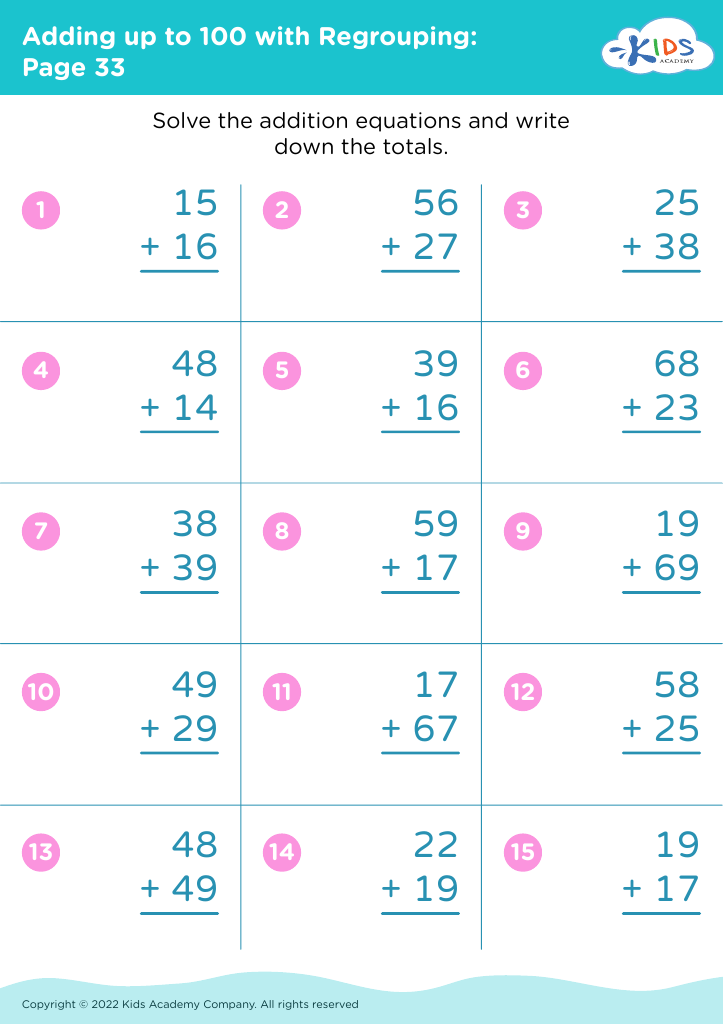
Adding up to 100 with Regrouping: Page 33
Worksheet
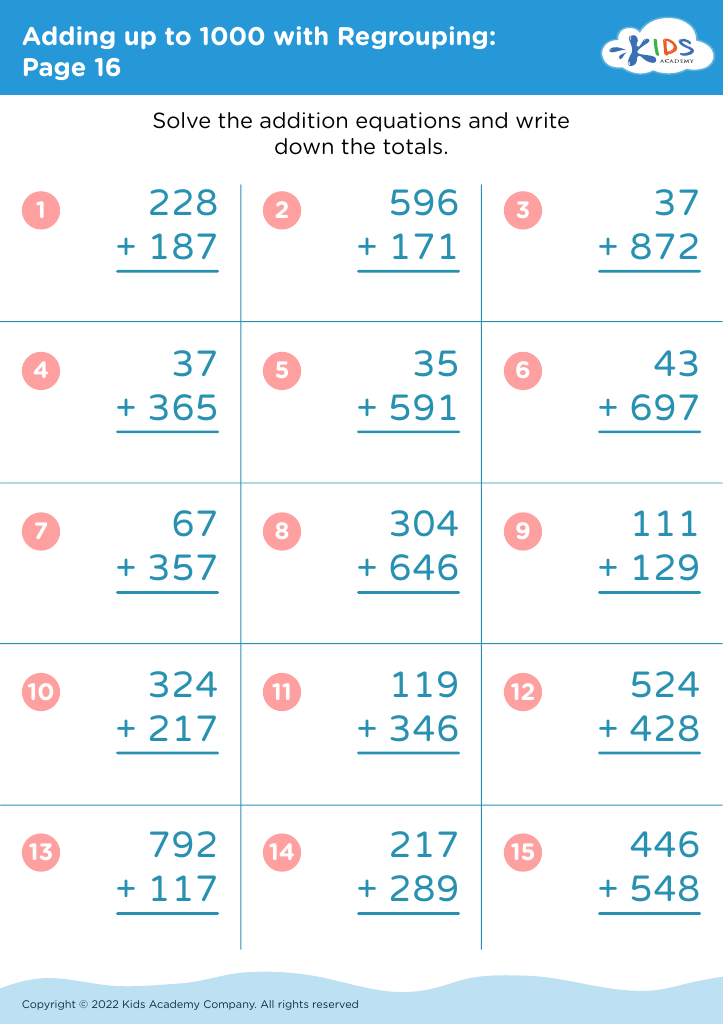
Adding up to 1000 with Regrouping: Page 16
Worksheet
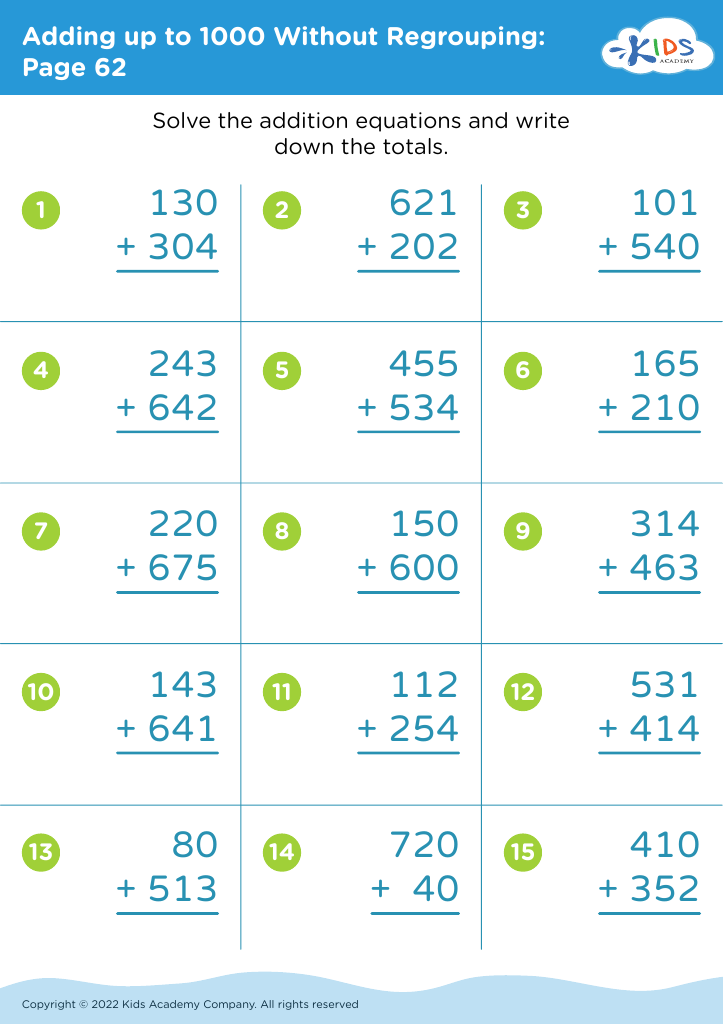
Adding up to 1000 Without Regrouping: Page 62
Worksheet


... 3 4

Teaching young children to compare fractions is a foundational skill that extends far beyond mathematics. For ages 3-7, children are developing critical thinking and analytical skills, and learning to compare fractions encourages this cognitive growth. Understanding fractions introduces concepts of parts and wholes, helping children grasp the idea of division, which is essential for later math topics.

Moreover, fraction comparison supports language development. When children articulate why one fraction is larger or smaller, they practice using mathematical vocabulary, enhancing their communication skills. Additionally, it fosters problem-solving abilities; children learn to analyze and make decisions based on numerical relationships.

Parents and educators should recognize that fractions are more than just numbers; they reflect real-world scenarios, such as sharing food or dividing toys. This practical application engages children and makes math relevant to their experiences.

Moreover, early exposure to fractions can decrease math anxiety, preparing kids for more complex mathematical concepts later on. When teachers and parents prioritize fraction comparison, they not only enhance mathematical understanding but also instill a sense of confidence in children as they explore the world of numbers, fostering lifelong enthusiasm for learning.