Counting skills Math Worksheets for Ages 3-7 - Page 19
448 filtered results
-
From - To
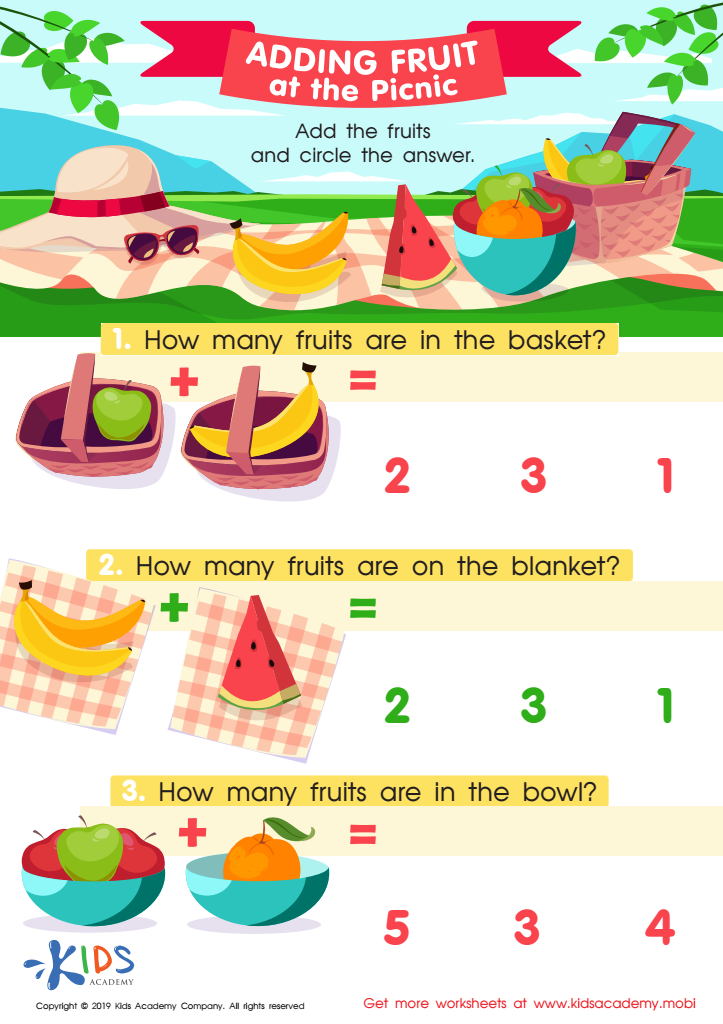
Adding Fruit at the Picnic Worksheet
 Assign to My Students
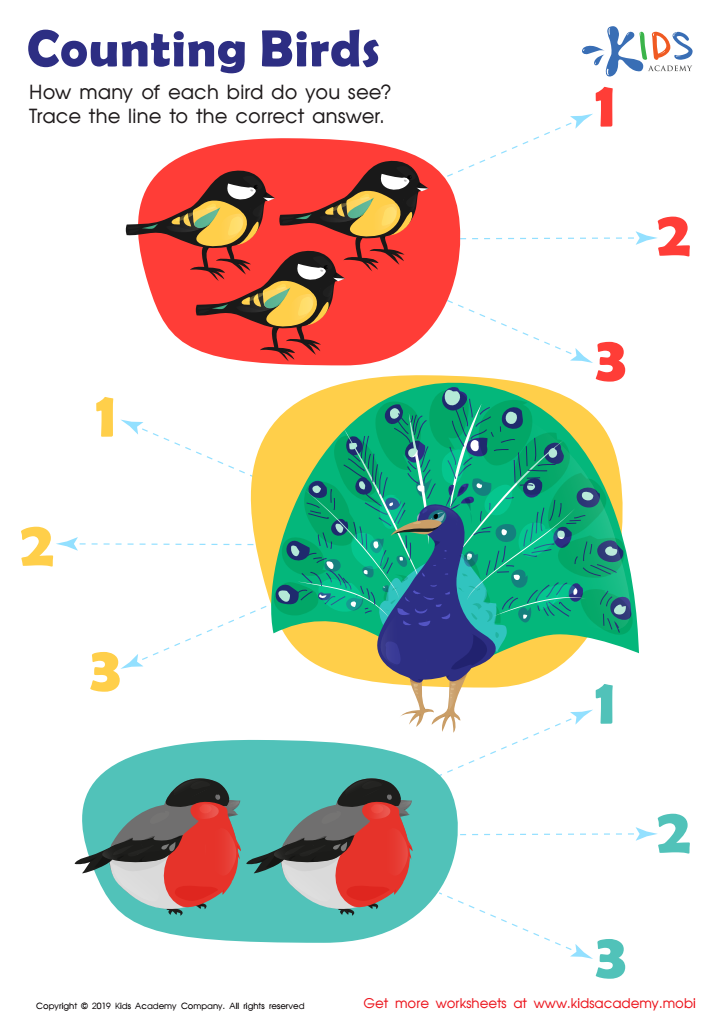
Counting Birds Worksheet
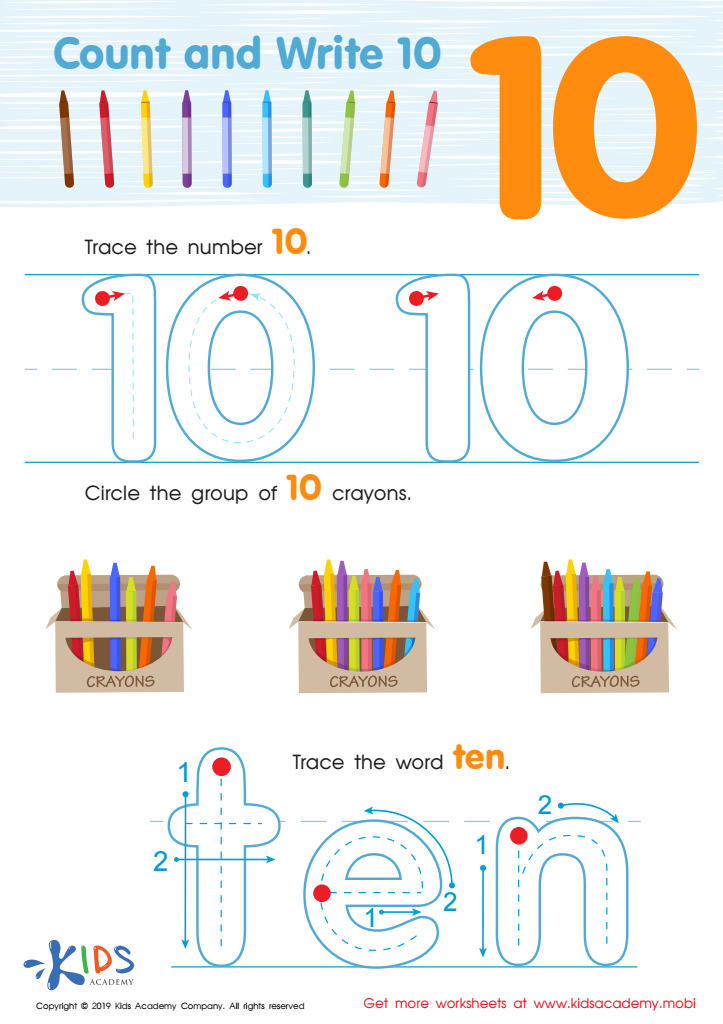
Count and Write 10 Worksheet
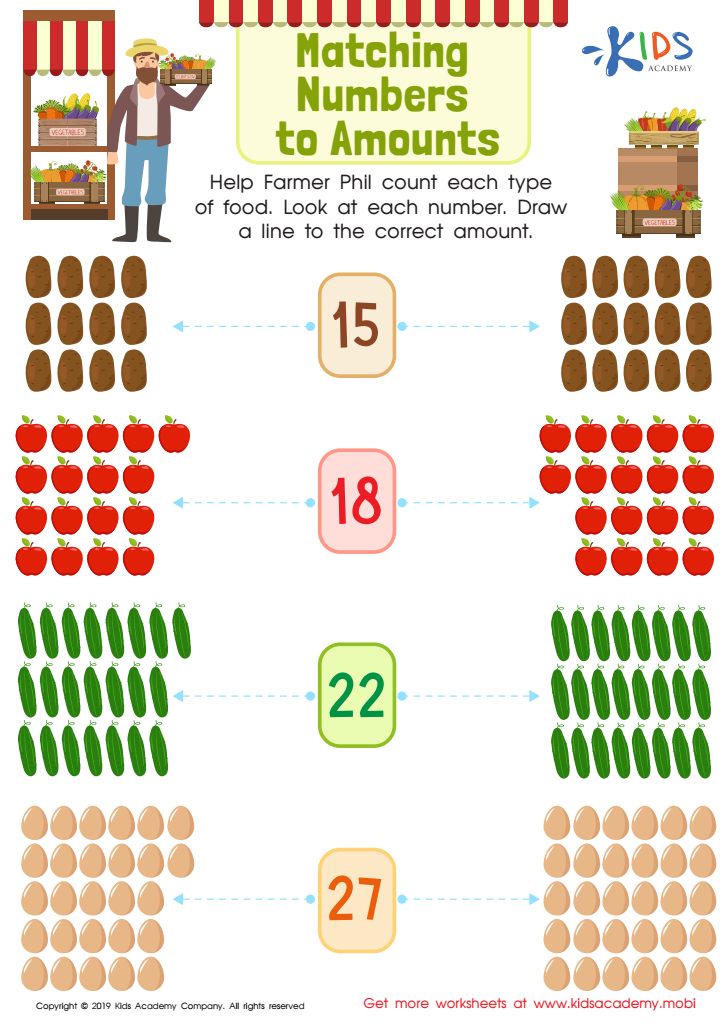
Matching Numbers to Amounts Worksheet
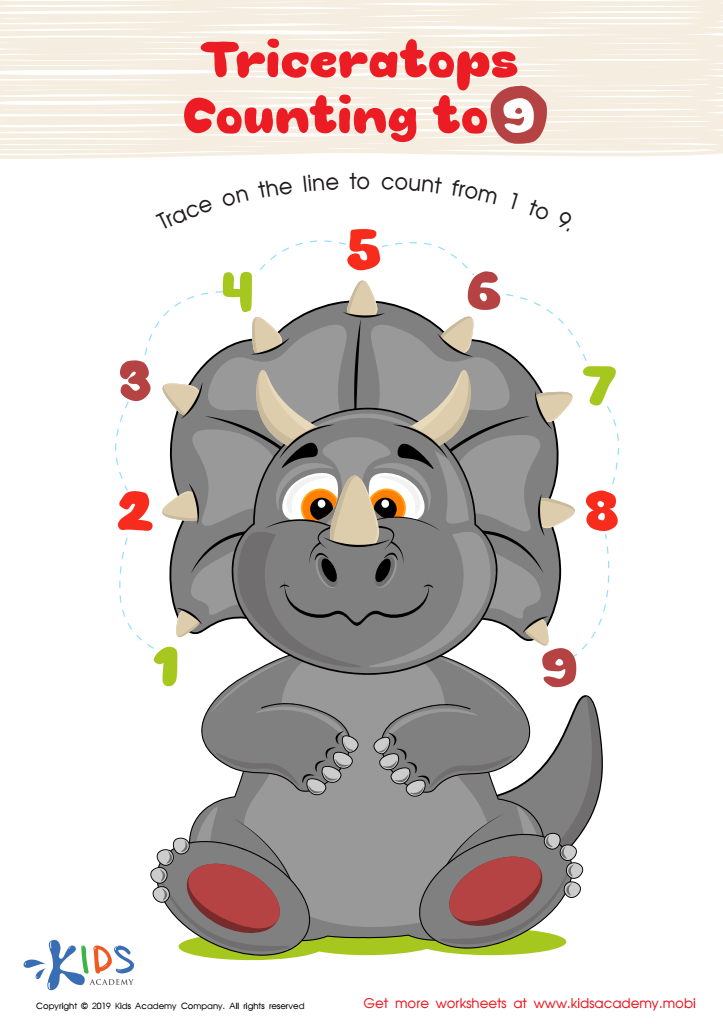
Triceratops Counting to 9 Worksheet
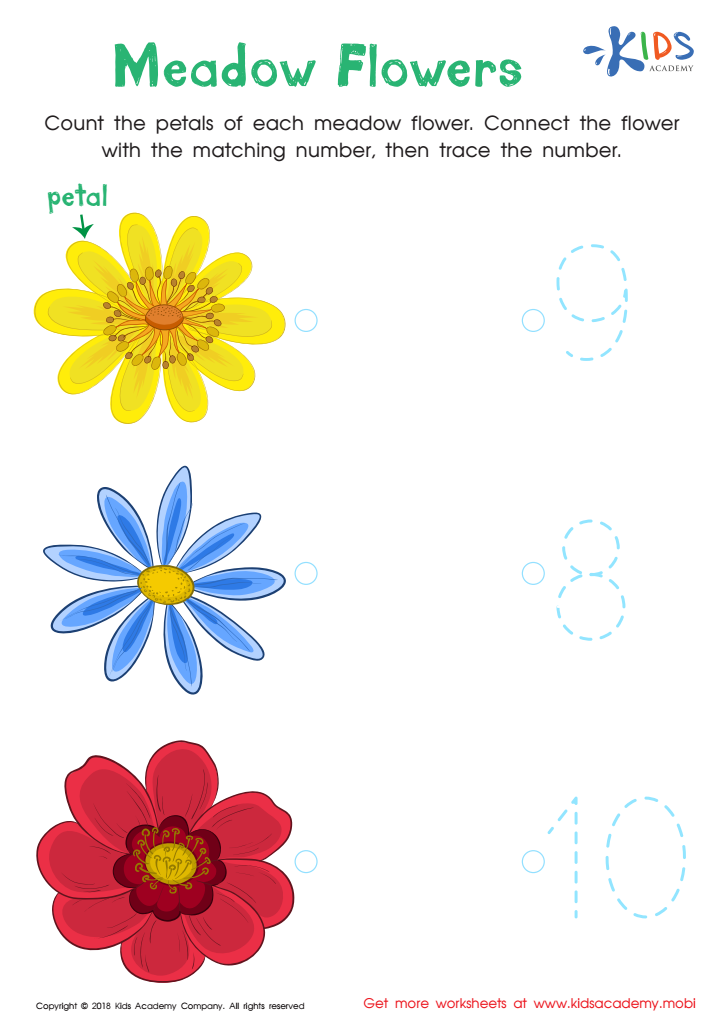
Kindergarten Number Tracing: Medow Flowers Worksheet
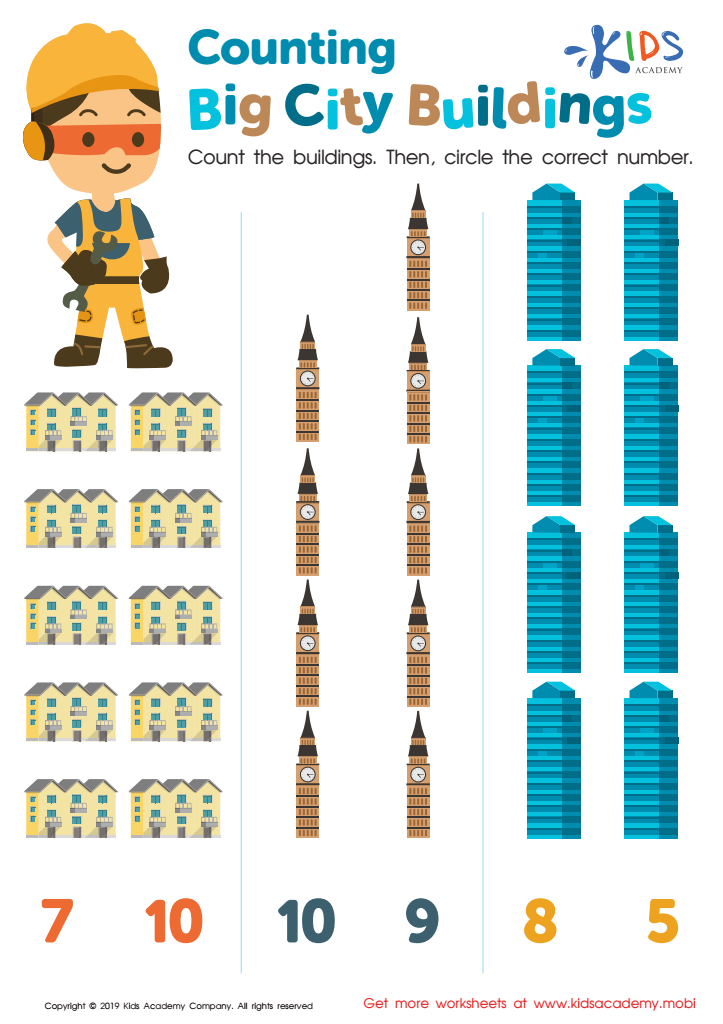
Counting Big City Buildings Worksheet
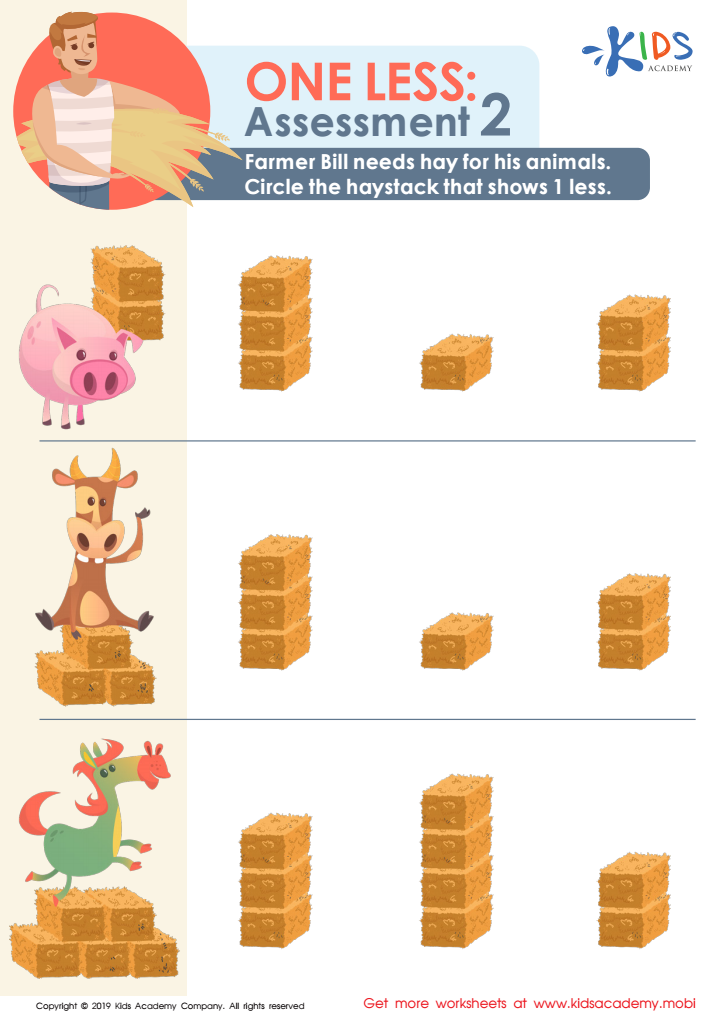
One Less: Assessment 2 Worksheet
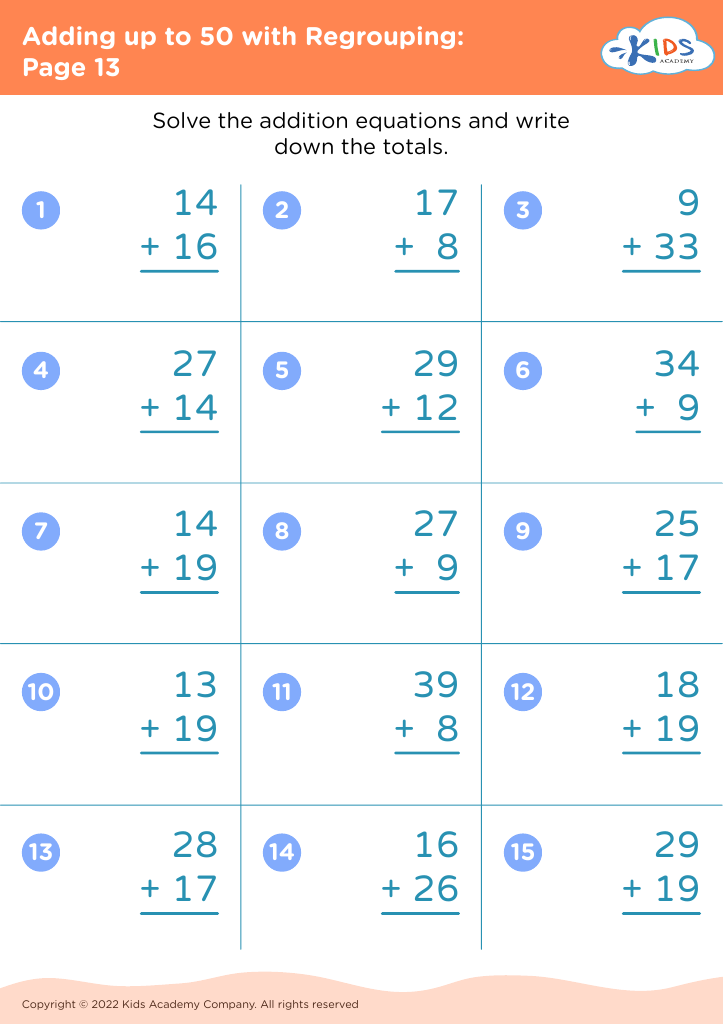
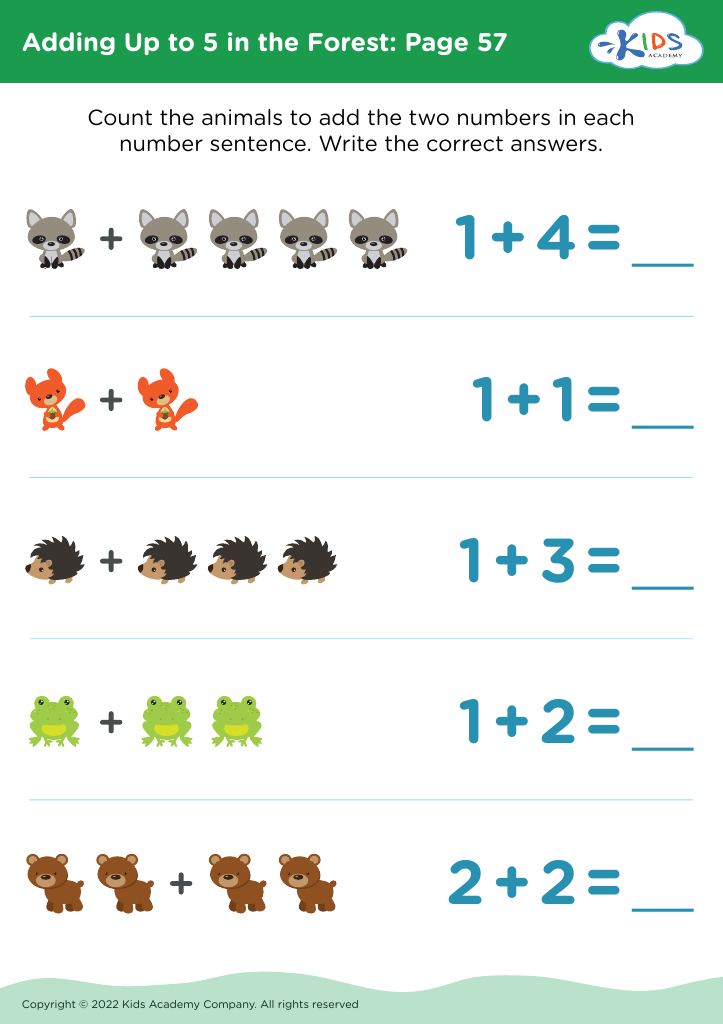

Night Sky Numbers Worksheet
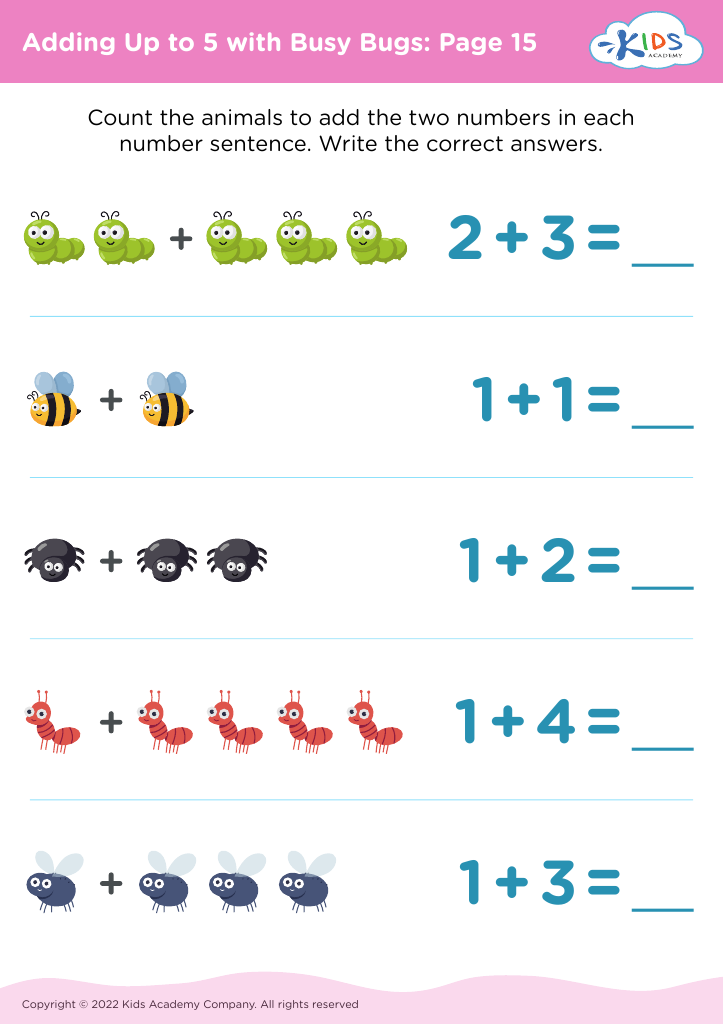
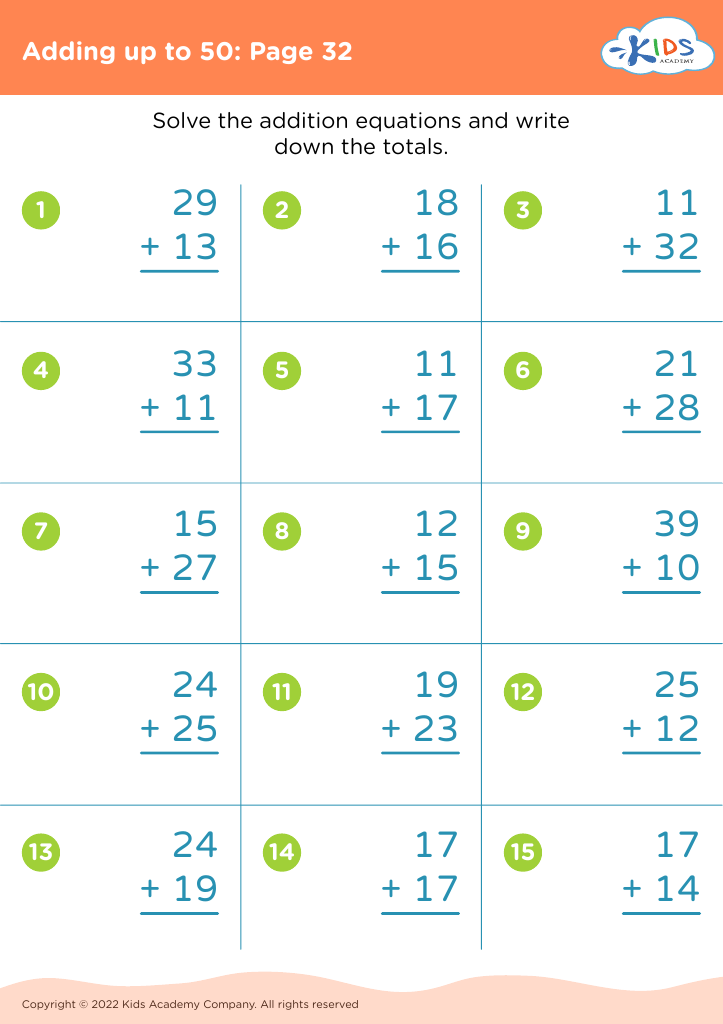







Counting skills in children aged 3-7 are fundamental for their future mathematical development and overall cognitive growth. Firstly, counting is a building block for more complex mathematical concepts like addition, subtraction, and problem-solving, laying the groundwork for academic success in later years. Mastery in counting enhances numerical literacy, enabling children to understand the value of numbers, compare quantities, and work with money.
Secondly, counting promotes logical reasoning and critical thinking. As children learn to count objects and grasp number sequences, they develop better memory and attention to detail. These cognitive skills translate to improved performance across all subjects, including reading and science.
Socially, counting activities often involve group participation, fostering teamwork and communication skills. For instance, counting games or group tasks help children learn to cooperate, share, and listen to others, essential skills for both school and life.
Additionally, early proficiency in counting can boost a child's confidence and resilience. When children successfully count objects or numbers, they experience a sense of accomplishment, motivating them to tackle more challenging tasks.
In essence, solid counting skills are not just about numbers—they pave the way for holistic educational and personal development. Parents and teachers who invest in building these skills are setting children up for a brighter, more successful future.








