
Develop problem-solving skills Math Worksheets for Ages 3-7
9 filtered results
Difficulty Level
Grade
Age
-
From - To
Subject
Activity
Standards
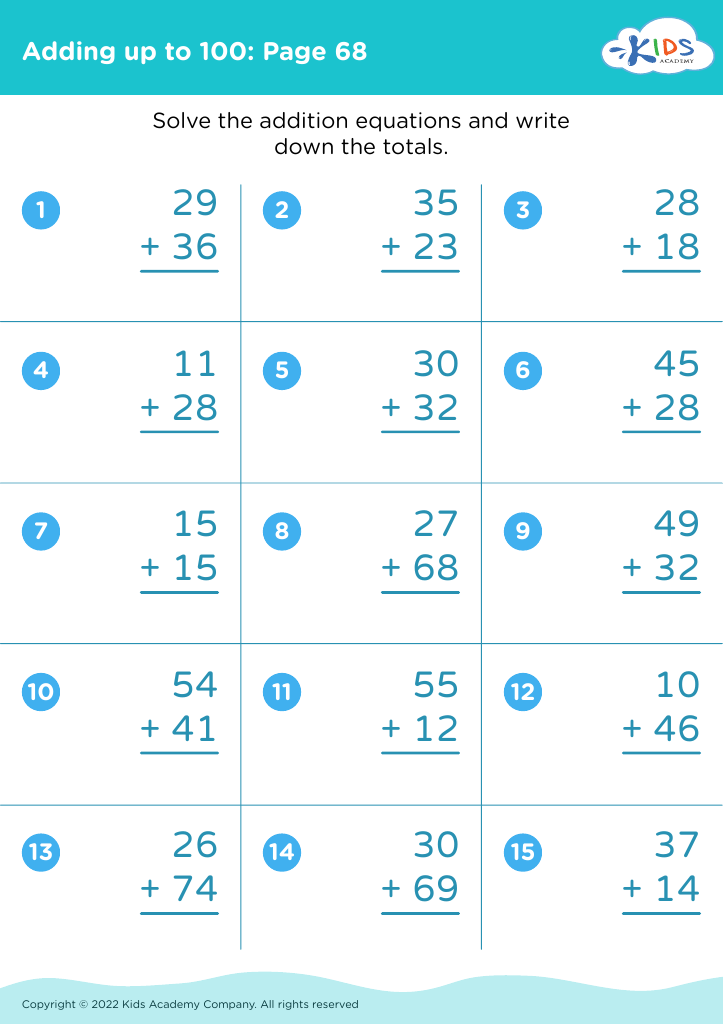
Nurture your child's critical thinking with our specially designed problem-solving skills math worksheets for ages 3-7. Our engaging and fun activities aim to build a robust foundation in numeracy and logical reasoning. From simple addition and subtraction to pattern recognition and sequencing, these worksheets are crafted to captivate young minds and make learning an enjoyable experience. Perfect for preschool through early elementary, each worksheet encourages kids to tackle new challenges, boosting their confidence and fostering a love for math. Help your child excel in problem-solving with Kids Academy’s expertly developed educational resources.
Favorites
With answer key
Interactive
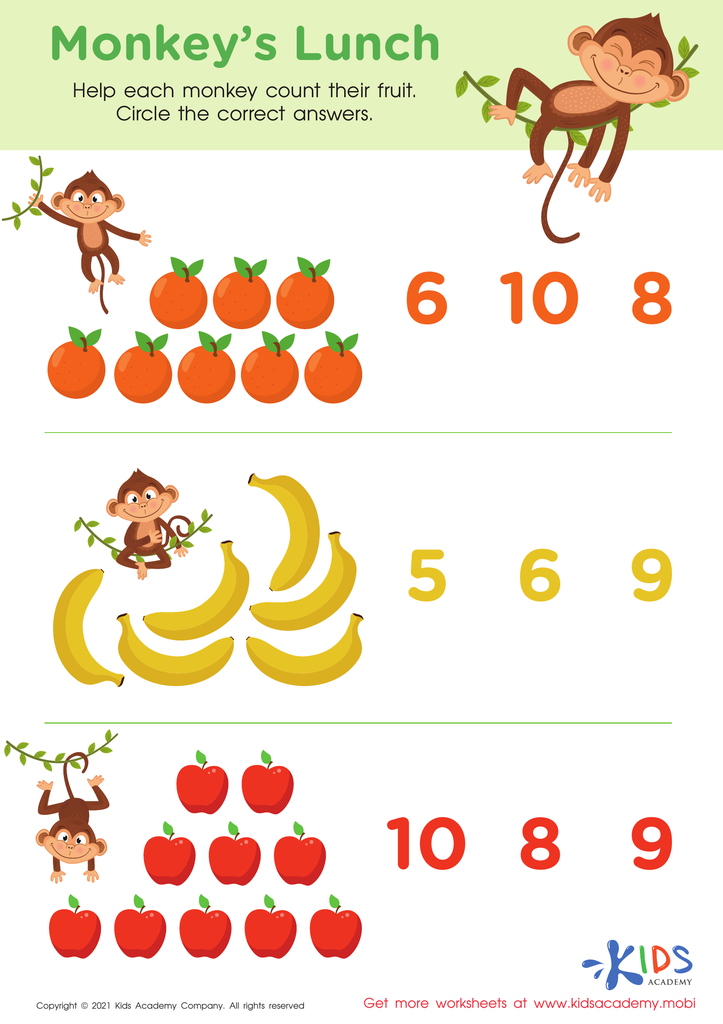
Monkey’s Lunch Worksheet
Download this free worksheet to help your kindergartner perfect their counting skills! Have your child circle the correct answers and count the fruits for the monkeys. It'll seem like fun, but your child is really learning how to count, group objects, and identify numbers.
Monkey’s Lunch Worksheet
Worksheet
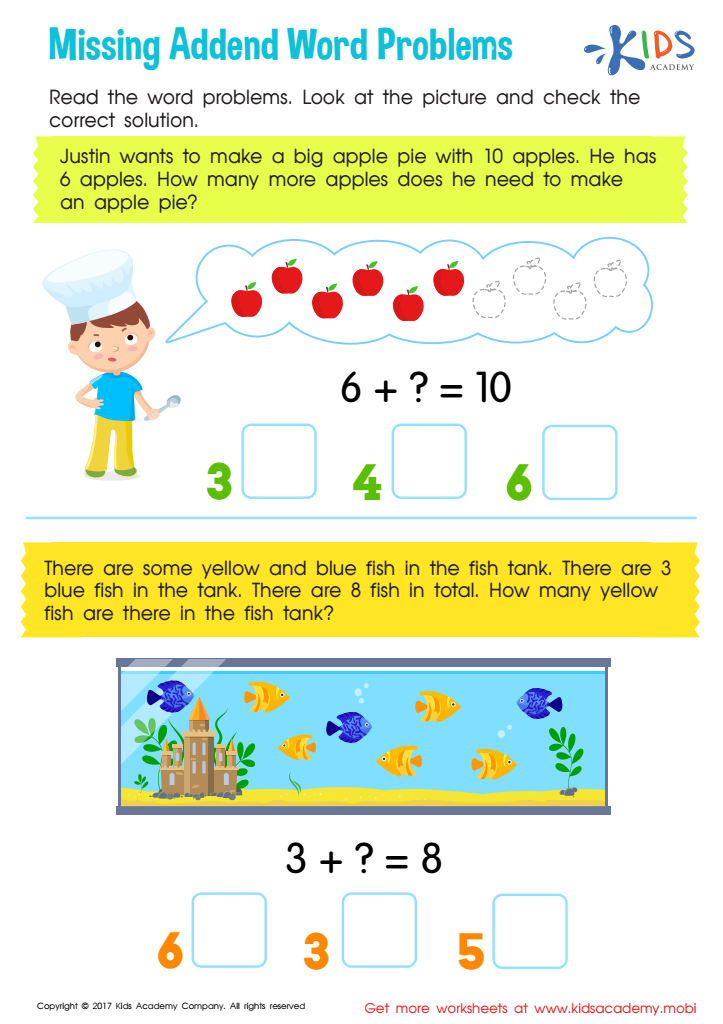
Missing Addend Word Problems Worksheet
Doing many addition and subtraction problems is key for fluency and mastery. Word problems can help kids understand how math works in everyday life. Our math worksheet uses fun scenarios and pictures to teach how to find the missing addend. It's the perfect tool to help kids understand math better!
 Assign to My Students
Missing Addend Word Problems Worksheet
Worksheet
Join Kids Academy for Free
Who is primarily going to use this learning content?




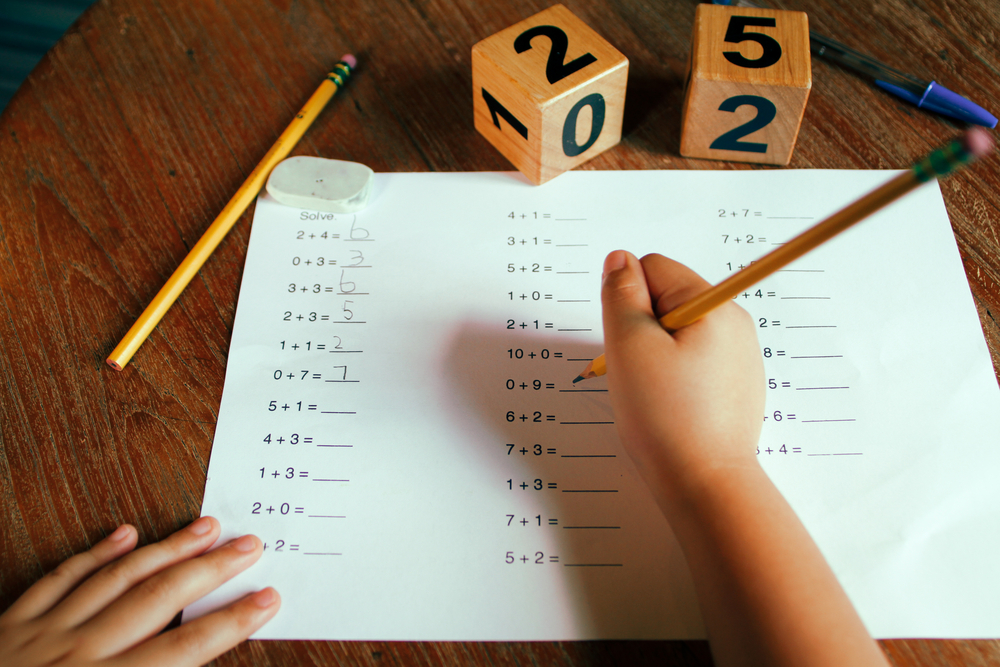


Developing problem-solving skills in math for children aged 3 to 7 is essential for several reasons. First, it lays the foundation for critical thinking and analytical abilities. Engaging in math-related problem-solving helps young minds grow accustomed to tackling challenges methodically and efficiently.
At this early age, children's brains are highly malleable, making them particularly receptive to learning new concepts. Introducing problem-solving fosters perseverance and creativity, qualities that are beneficial across all areas of life. When children are confronted with a problem, they learn not just how to find an answer but also how to approach and dissect the problem itself. This builds resilience and boosts confidence.
Moreover, problem-solving in math can enhance early numeracy skills, essential for academic success. Skills such as recognizing patterns, understanding sequences, and learning basic arithmetic serve as crucial stepping stones for more complex learning experiences in later years.
Furthermore, these activities encourage cooperative learning and social skills when problem-solving is done in groups. Children learn to communicate, share ideas, and respect different viewpoints. This social interaction is critical for emotional development and forms a well-rounded learning experience.
In summary, nurturing problem-solving skills in math during ages 3 to 7 equips children with a robust framework for both academic growth and essential life skills.








