Developing fine motor skills Math Worksheets for Ages 3-7
5 filtered results
-
From - To
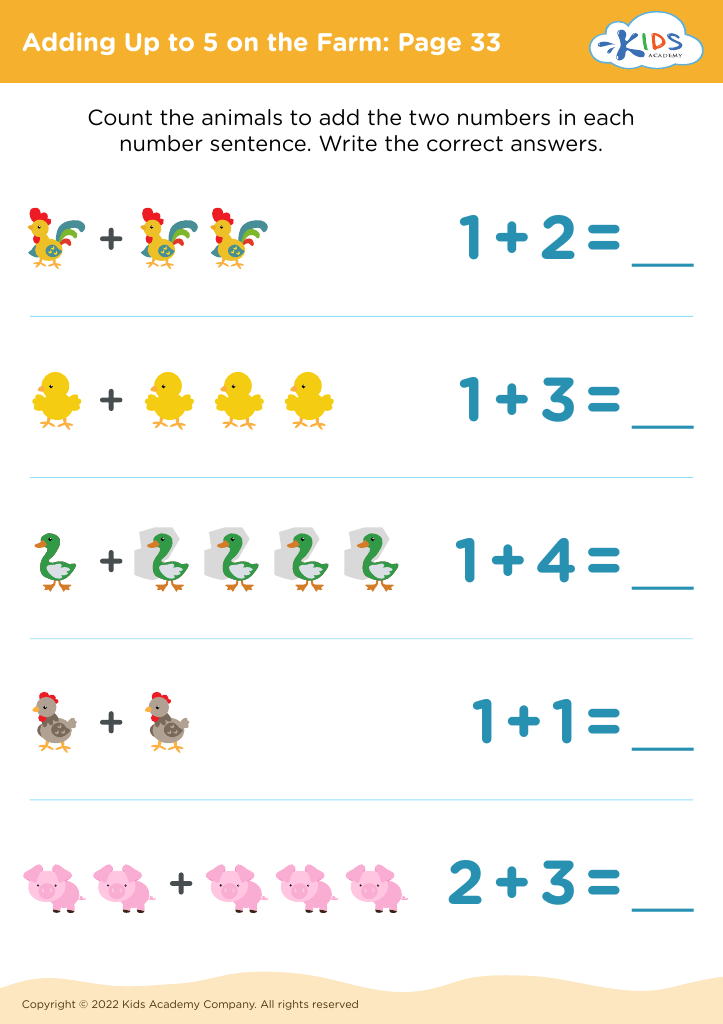
Unlock your child's potential with our engaging fine motor skills math worksheets designed for ages 3-7! These worksheets blend fun and learning, helping young learners enhance their fine motor abilities while mastering essential math concepts. Each activity is crafted to promote hand-eye coordination and dexterity through tracing, cutting, and coloring exercises. As children manipulate pencils and scissors, they build confidence in their motor skills, laying a strong foundation for future academic success. Explore our vibrant, interactive worksheets and watch your child thrive as they gain both motor skills and mathematical knowledge in a playful, supportive environment. Start their learning journey today!
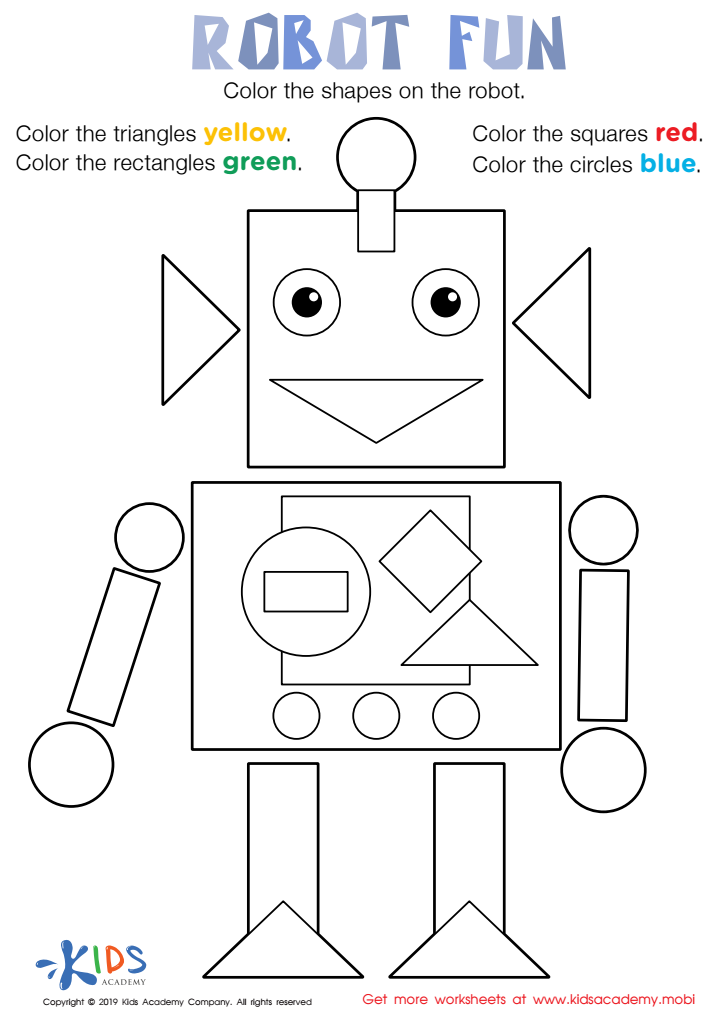
Robot Fun Worksheet
 Assign to My Students




.jpg)

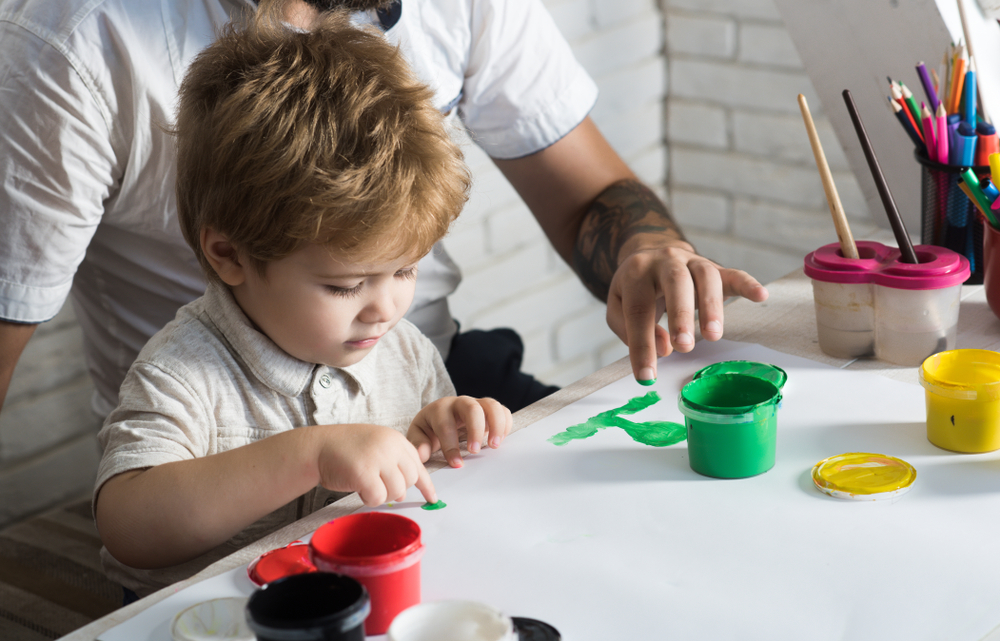
Developing fine motor skills in children aged 3 to 7 is crucial for their overall development, especially in relation to math concepts. These skills involve the coordination of small muscles in the hands and fingers, enabling children to perform tasks like grasping, cutting, and manipulating objects. Such skills form the foundation for writing, which is essential for notetaking and problem solving in math.
As children engage in activities that strengthen fine motor skills—like using scissors, playing with building blocks, or even tracing shapes—they are also building spatial awareness and hand-eye coordination, both essential for grasping mathematical concepts. The manipulation of tools, such as rulers or compasses, in early math activities enhances their understanding of measurements and geometric figures.
Moreover, incorporating fine motor skills into math learning promotes confidence and encourages a hands-on approach to problem-solving. When parents and teachers foster fine motor dexterity, they not only equip children for basic writing but also instill an appreciation for learning through tactile experiences. This holistic approach ultimately creates a more engaging and effective foundation for later mathematical understanding, ensuring children are well-prepared for future academic challenges.








