Enhance fine motor skills Math Worksheets for Ages 3-7
5 filtered results
-
From - To
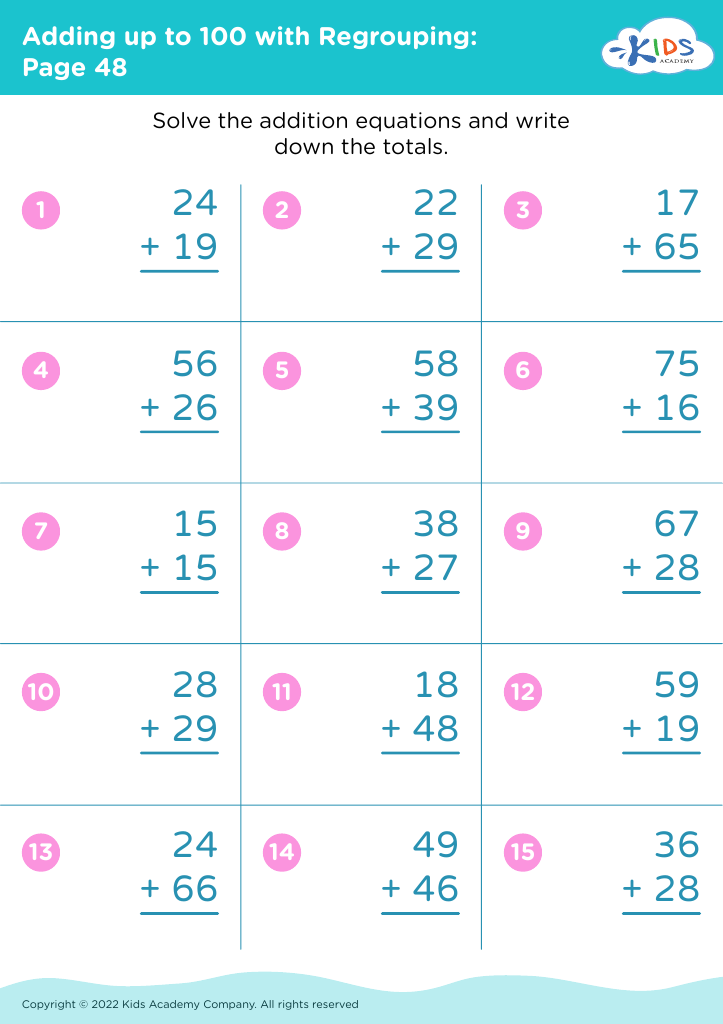
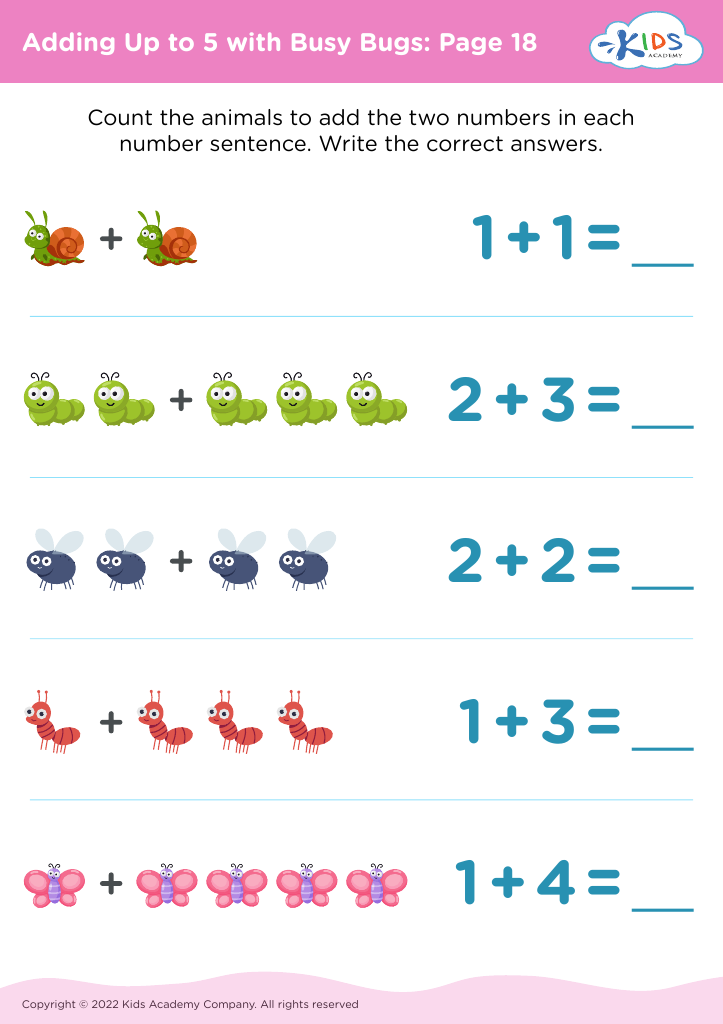
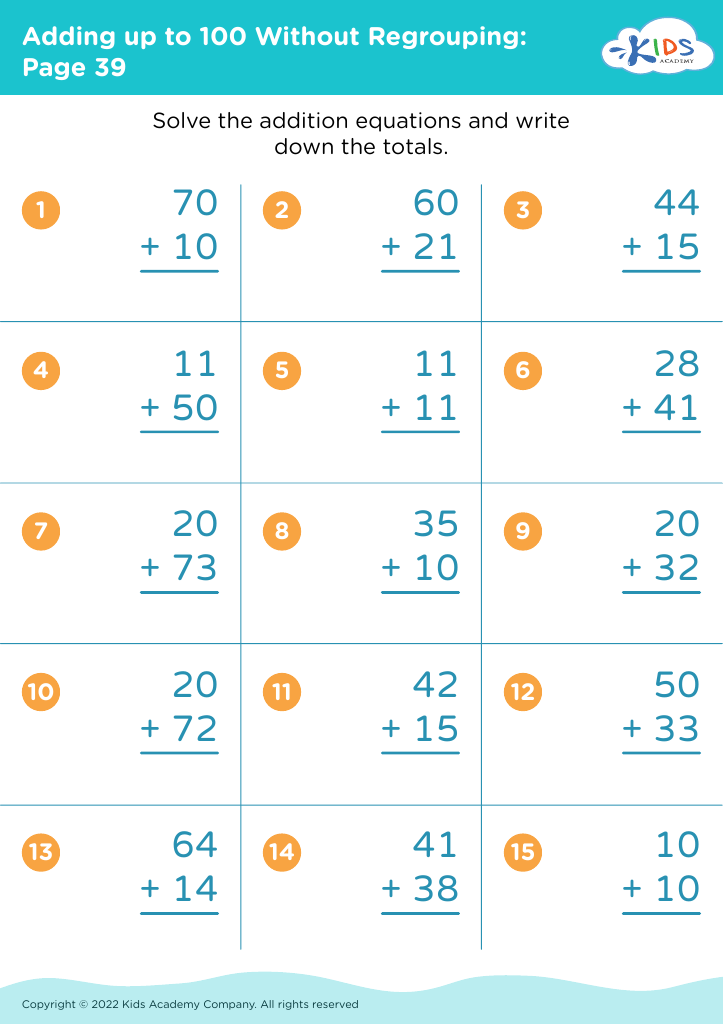
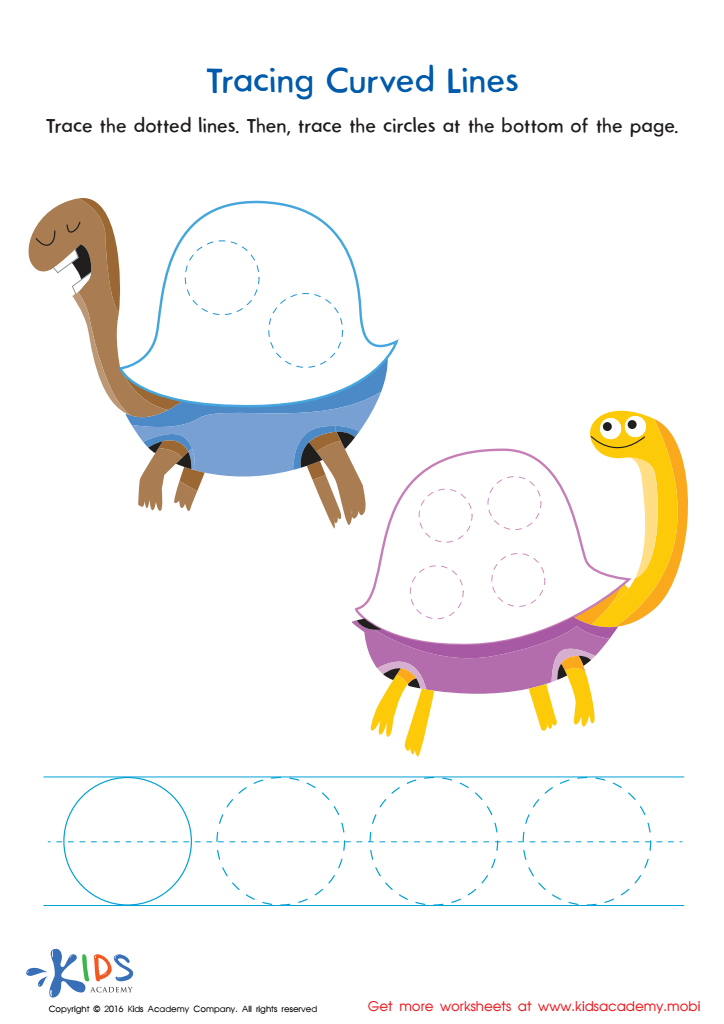
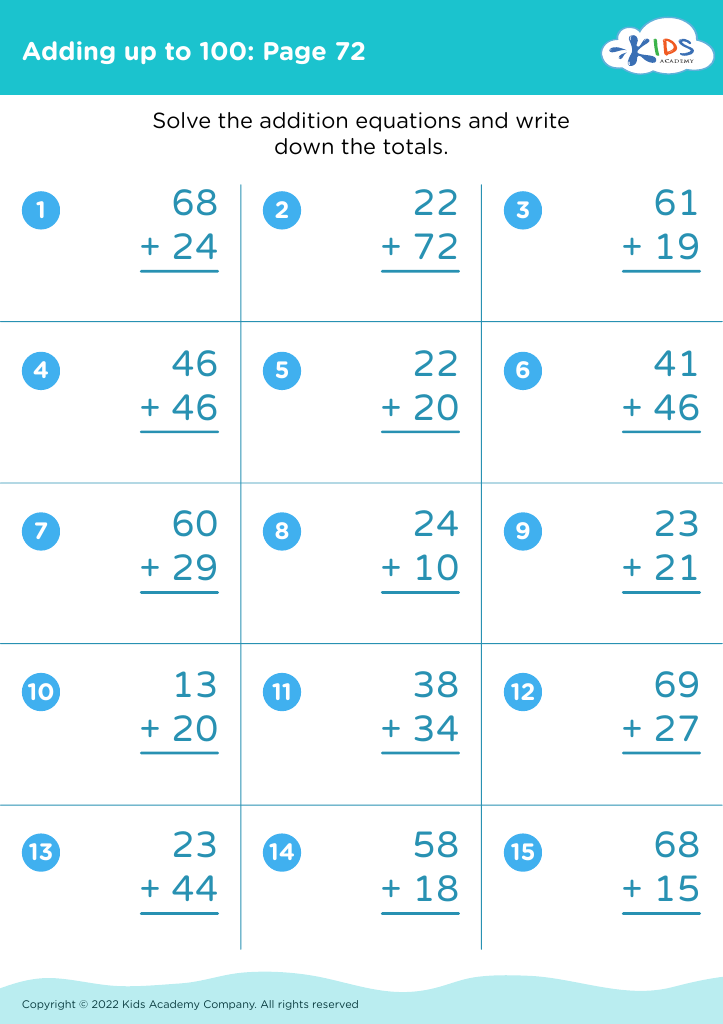
Enhance fine motor skills with our engaging math worksheets designed for children aged 3-7! These worksheets offer a fun way for young learners to develop essential hand-eye coordination and dexterity while mastering basic math concepts. Through a variety of activities—including tracing numbers, counting items, and connecting dots—children will refine their fine motor skills as they solve problems and gain confidence in their abilities. Perfect for at-home learning or classroom activities, these printable resources provide an interactive and enjoyable learning experience. Start nurturing your child’s early math skills and fine motor development today with our thoughtfully crafted worksheets!
 Assign to My Students







Enhancing fine motor skills in children aged 3-7 is crucial for their overall development, particularly in relation to mathematics. At this age, children are developing foundational skills necessary for both academic success and everyday activities. Fine motor skills, which involve the coordination of small muscles in the hands and fingers, are essential for tasks such as writing numbers, using scissors, and manipulating math objects like blocks or counters.
When children can effectively use their hands, they are better equipped to engage in hands-on math activities that promote understanding of concepts such as counting, shapes, and spatial awareness. For instance, activities like threading beads can improve coordination while teaching patterns and sequencing.
Moreover, developing fine motor skills fosters critical cognitive processes for mathematical thinking. Problem-solving and spatial reasoning are enhanced when children interact with physical objects, making abstract concepts more tangible and relatable.
Lastly, fine motor skills also boost children's confidence and independence. As they master tasks and witness their own progress, they are more likely to take initiative in learning. Therefore, both parents and teachers should prioritize activities that enhance fine motor skills to support children's math readiness and overall growth.








