Enhancing observation skills Math Worksheets for Ages 3-7
10 filtered results
-
From - To
Enhance your child's observation skills with our engaging math worksheets designed for ages 3-7! Our collection focuses on developing crucial observational abilities while making learning fun and interactive. By working through various activities, children will improve their ability to notice details, recognize patterns, and make comparisons—fundamental skills in math and everyday situations. These worksheets are not only educational but also foster creativity and critical thinking. Perfect for both classroom and home use, our resources encourage children to explore their surroundings and discover mathematical concepts in a hands-on manner. Start building strong observation skills today!
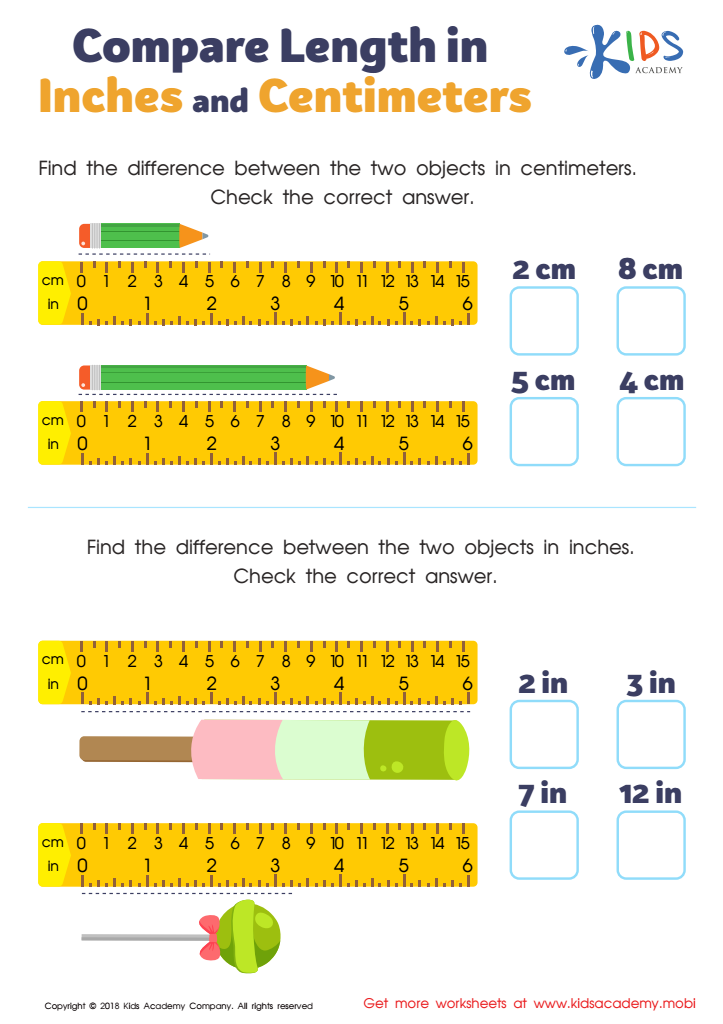
Compare Length in Inches and Centimeters Worksheet
 Assign to My Students
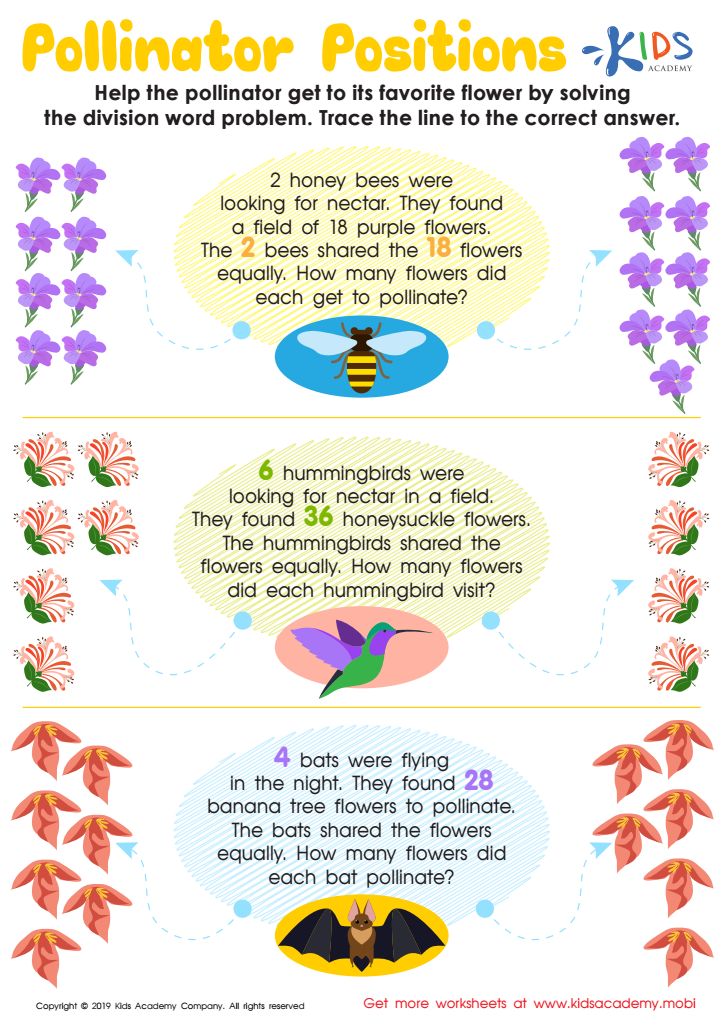
Pollinator Positions Worksheet
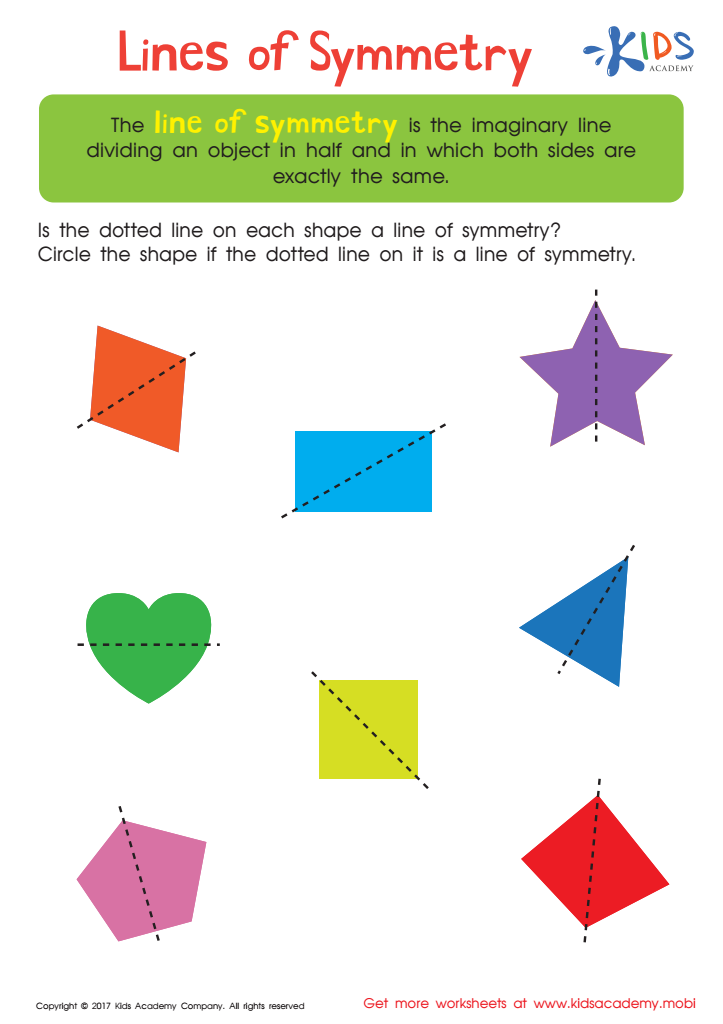
Lines of Symmetry Printable
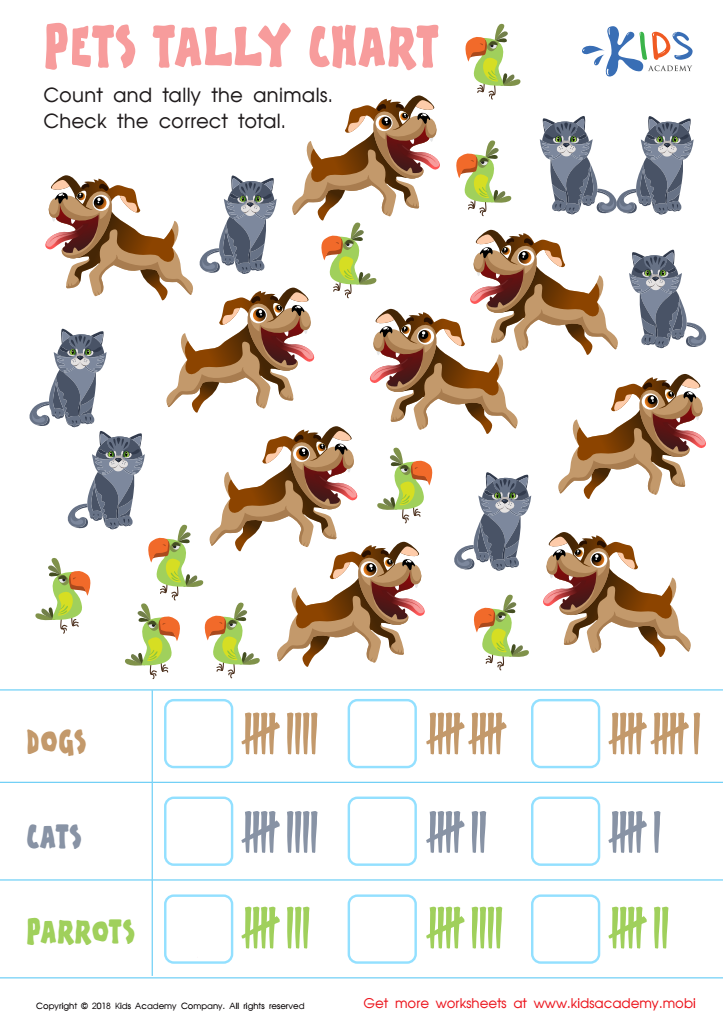
Pets Tally Chart Worksheet
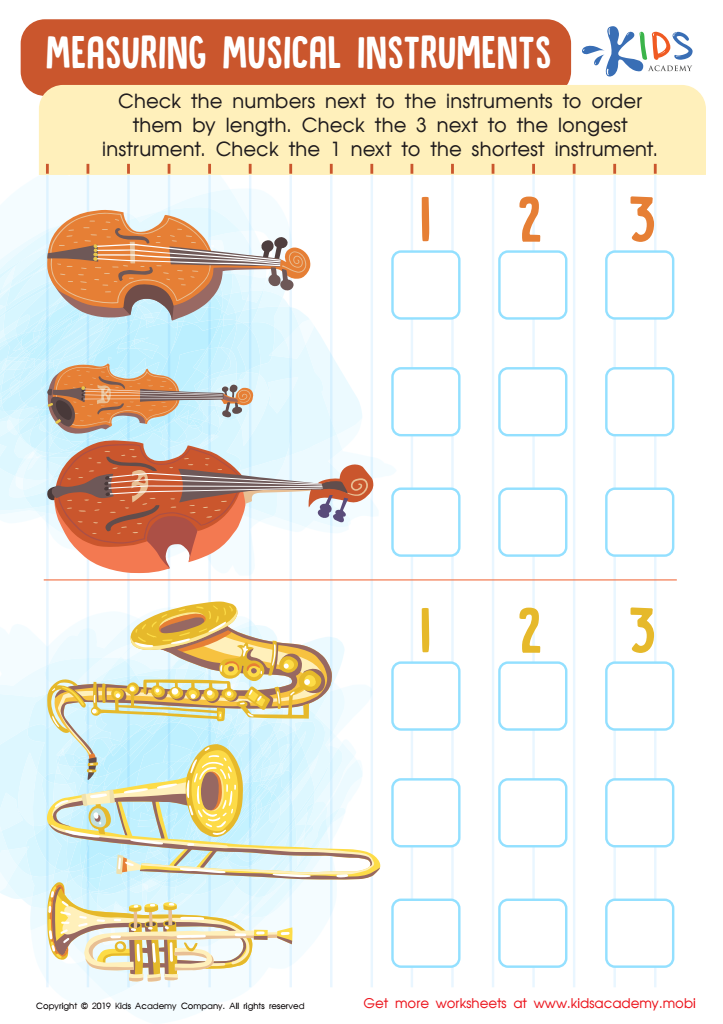
Measuring Musical Instruments Worksheet
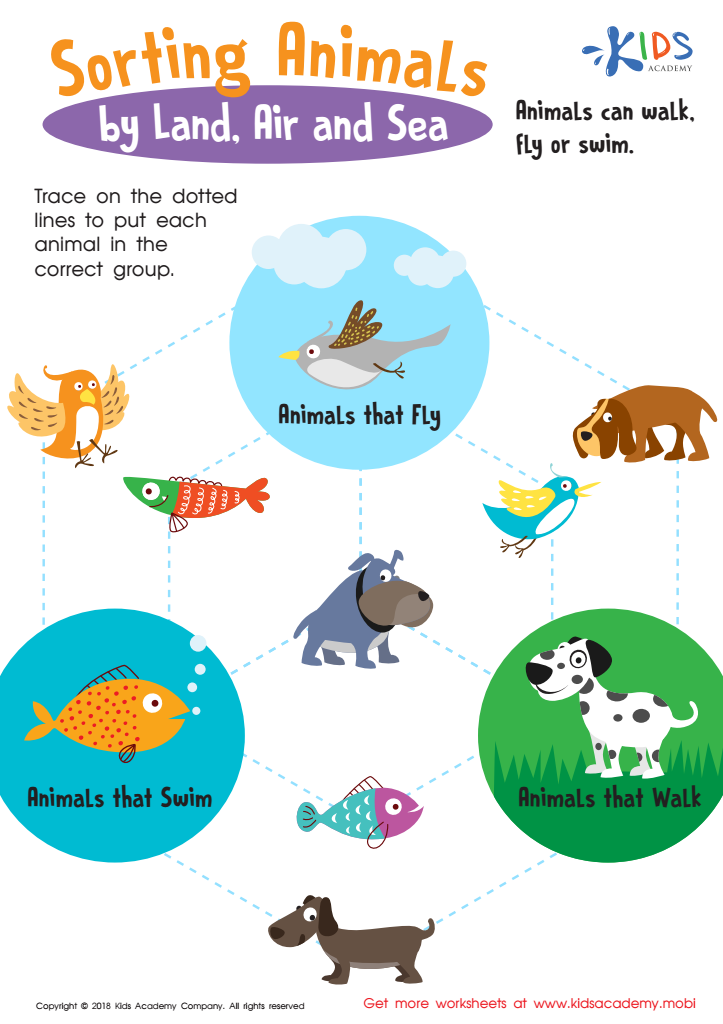
Sorting Animals by Land, Air and Sea Worksheet
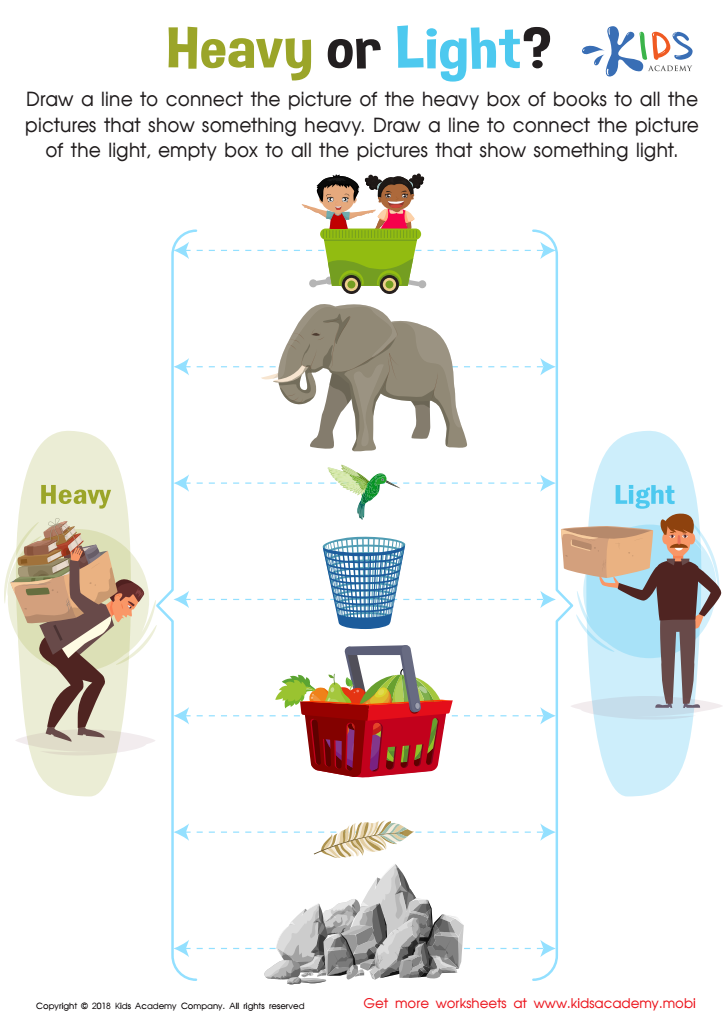
Heavy or Light? Worksheet







Enhancing observation skills in math for children aged 3-7 is crucial for their overall cognitive and academic development. At this foundational stage, children learn best through active exploration and engagement. When parents and teachers prioritize observation, they help children notice patterns, shapes, and relationships in their environment, laying the groundwork for mathematical reasoning.
Observation fosters critical thinking and problem-solving abilities, enabling young learners to identify and analyze mathematical concepts in everyday situations. For example, recognizing patterns in nature or counting objects during play promotes an understanding of numbers and quantities. Enhanced observation also builds confidence, as children begin to derive mathematical ideas independently.
Moreover, observation skills encourage curiosity and a love for learning, leading children to ask questions and seek answers, enhancing their communication skills. By nurturing these abilities, parents and teachers provide children with a rich educational experience that transcends traditional academic instruction.
Ultimately, strong observation skills cultivate a deeper comprehension of math, preparing children for more complex concepts in later grades. By investing in these skills at an early age, caregivers can set a solid foundation for future success in mathematics and beyond. Engaging activities such as sorting, counting games, and exploring shapes in daily life can significantly support this development.








