Check out this FREE Trial Lesson on Math for age 3-7!

Match Objects that Fit Together

Favorites
With answer key
Interactive
  • 3-7
  • Fraction simplification
  • Math
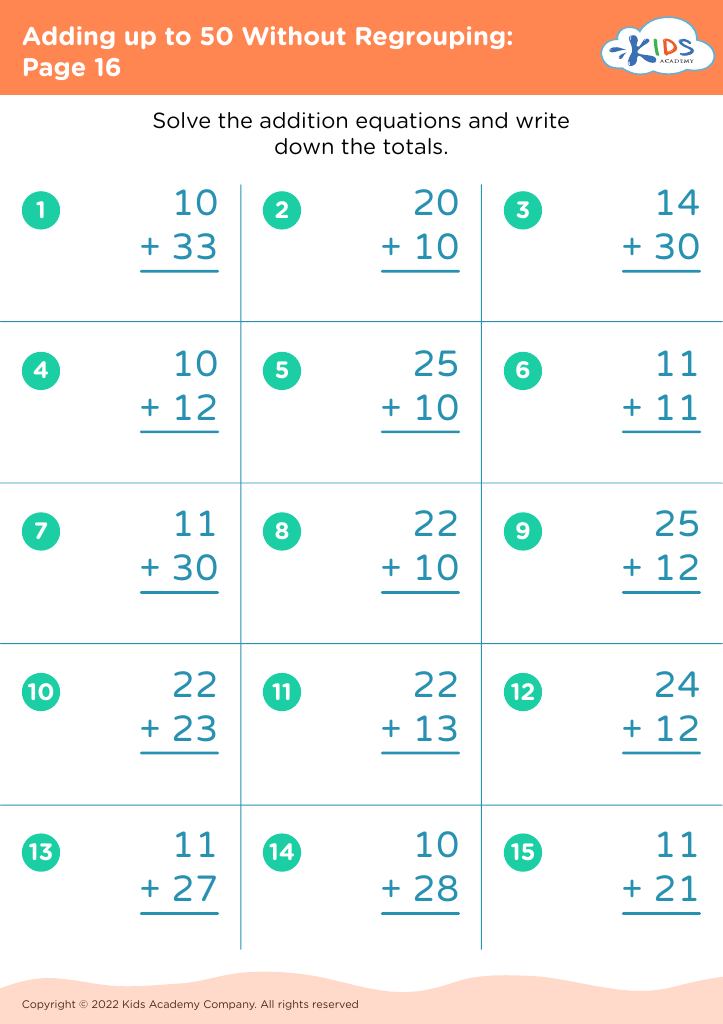
Adding up to 50 Without Regrouping: Page 16
Worksheet
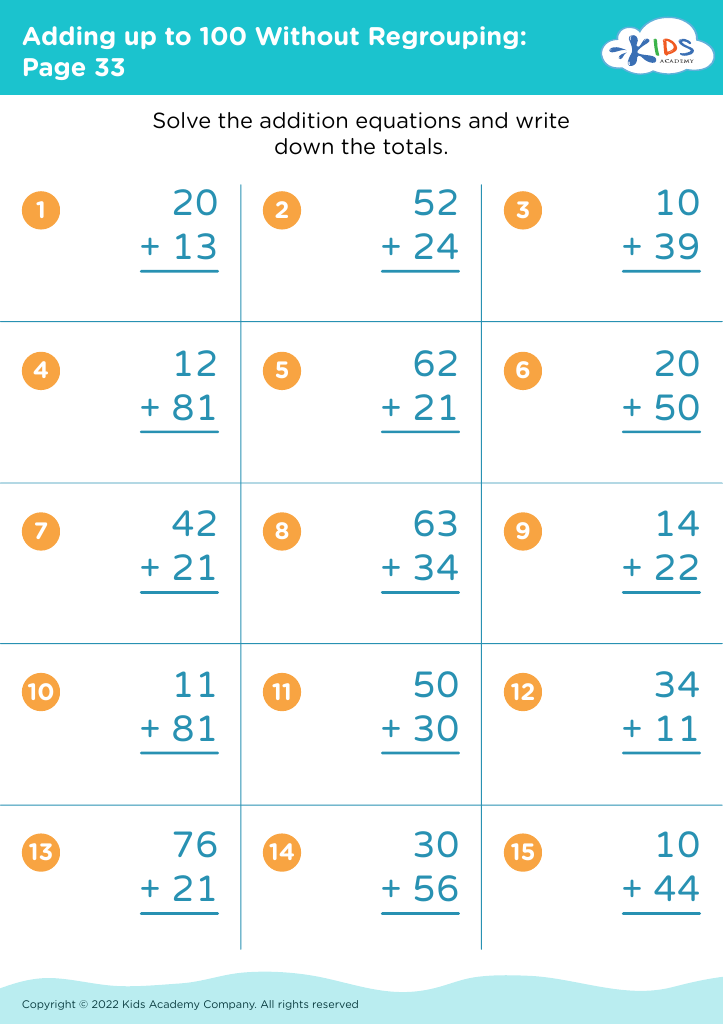
Adding up to 100 Without Regrouping: Page 33
Worksheet
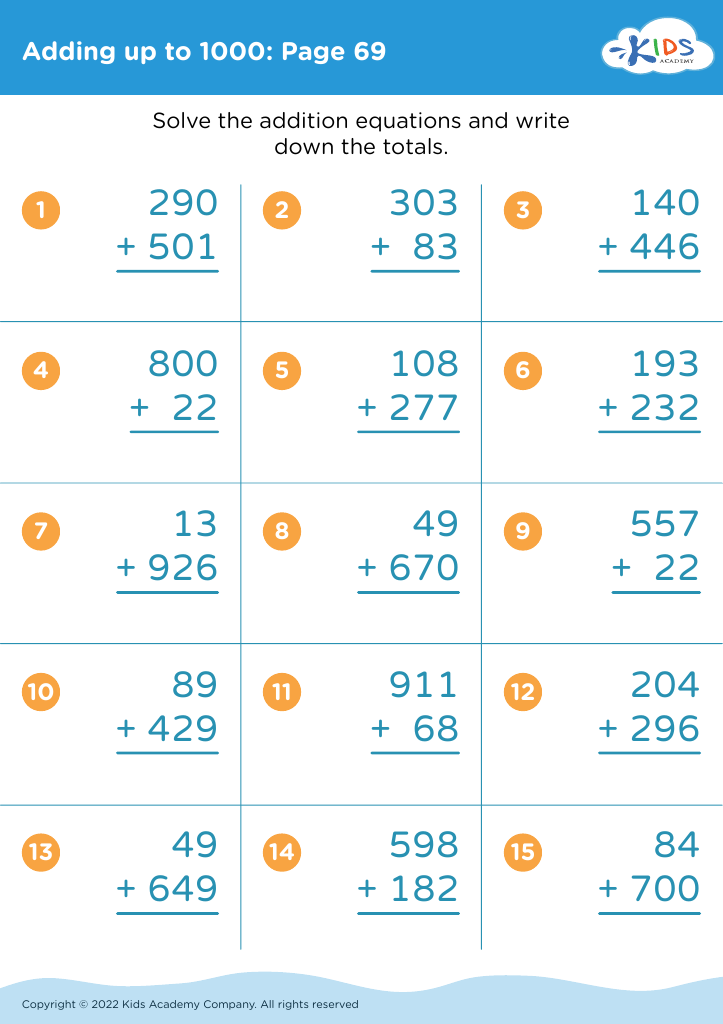
Adding up to 1000: Page 69

Adding up to 1000: Page 69

Adding up to 1000: Page 69
Worksheet
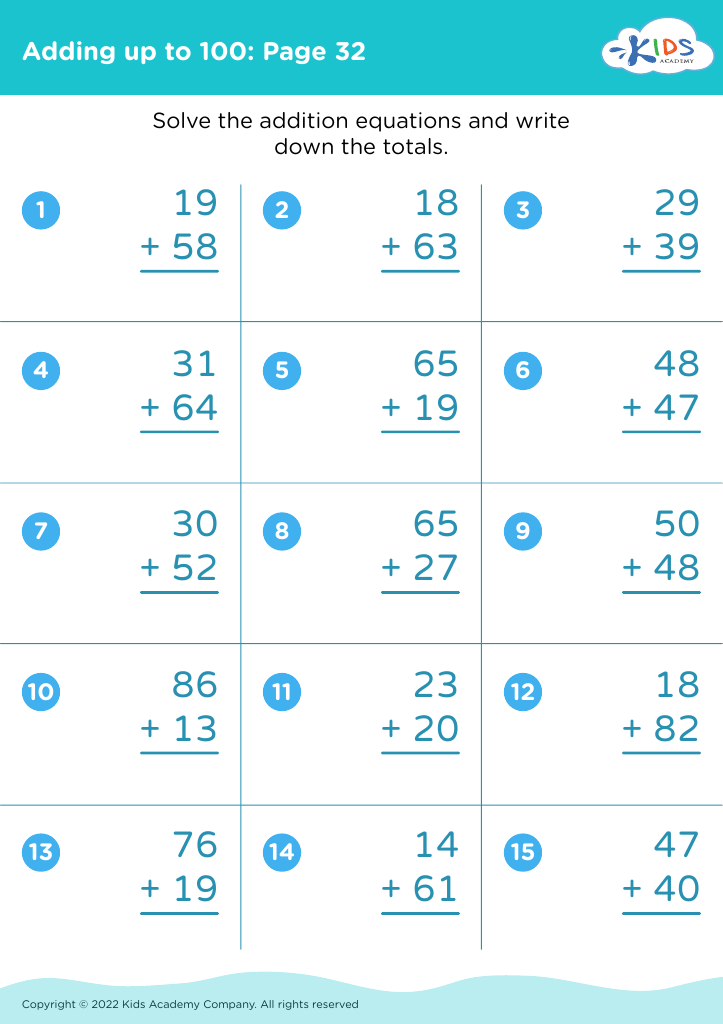
Adding up to 100: Page 32

Adding up to 100: Page 32

Adding up to 100: Page 32
Worksheet
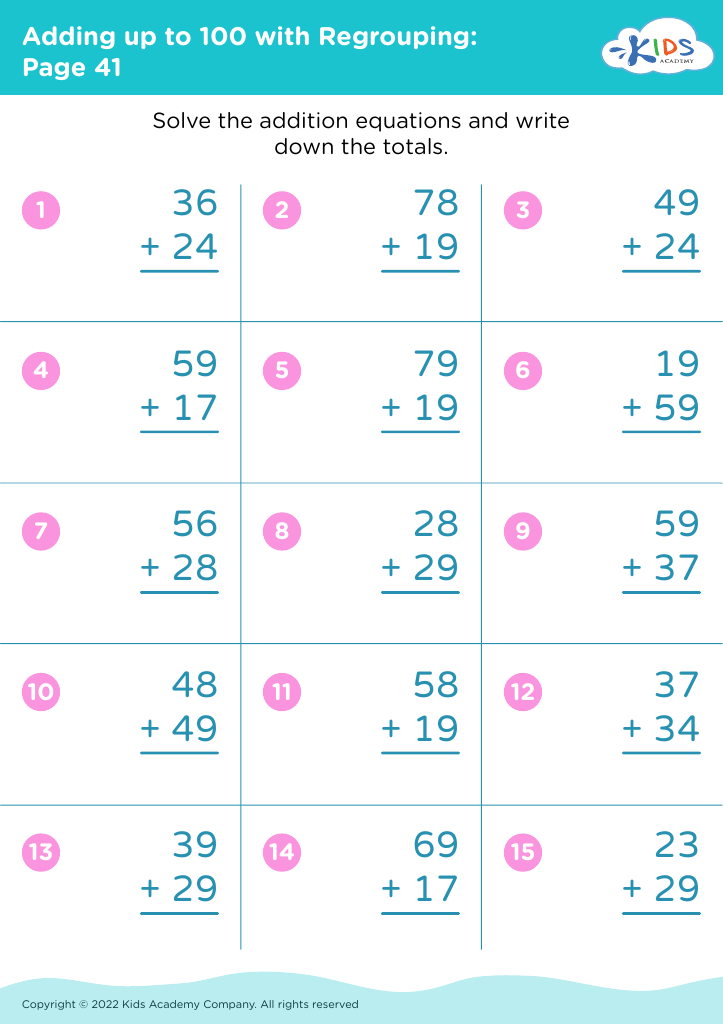
Adding up to 100 with Regrouping: Page 41
Worksheet
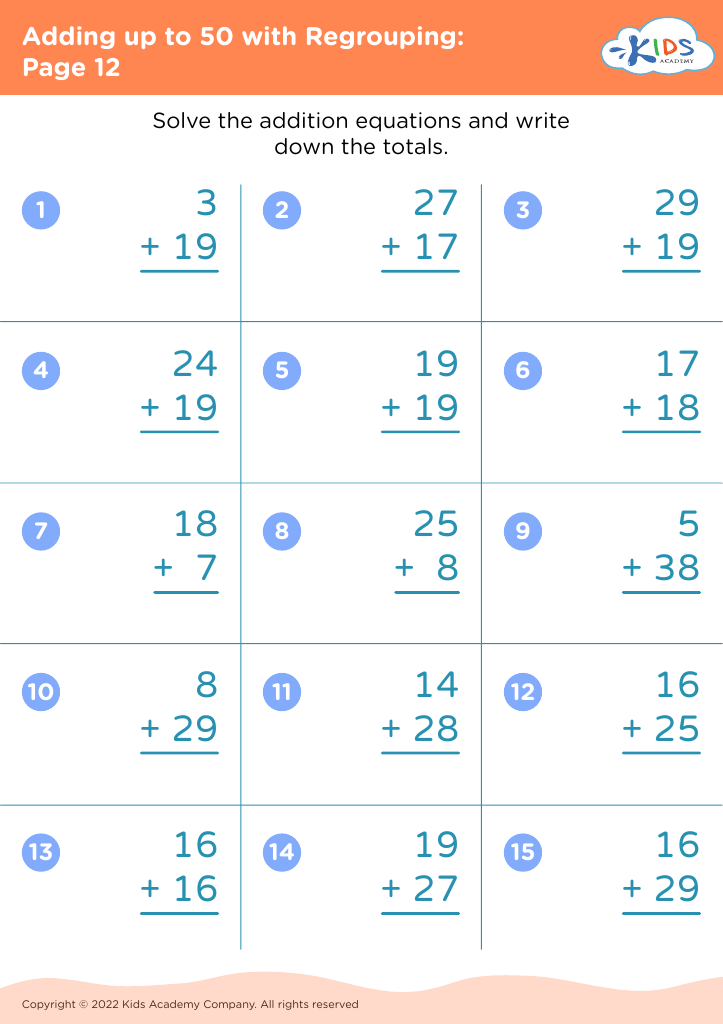
Adding up to 50 with Regrouping: Page 12
Worksheet
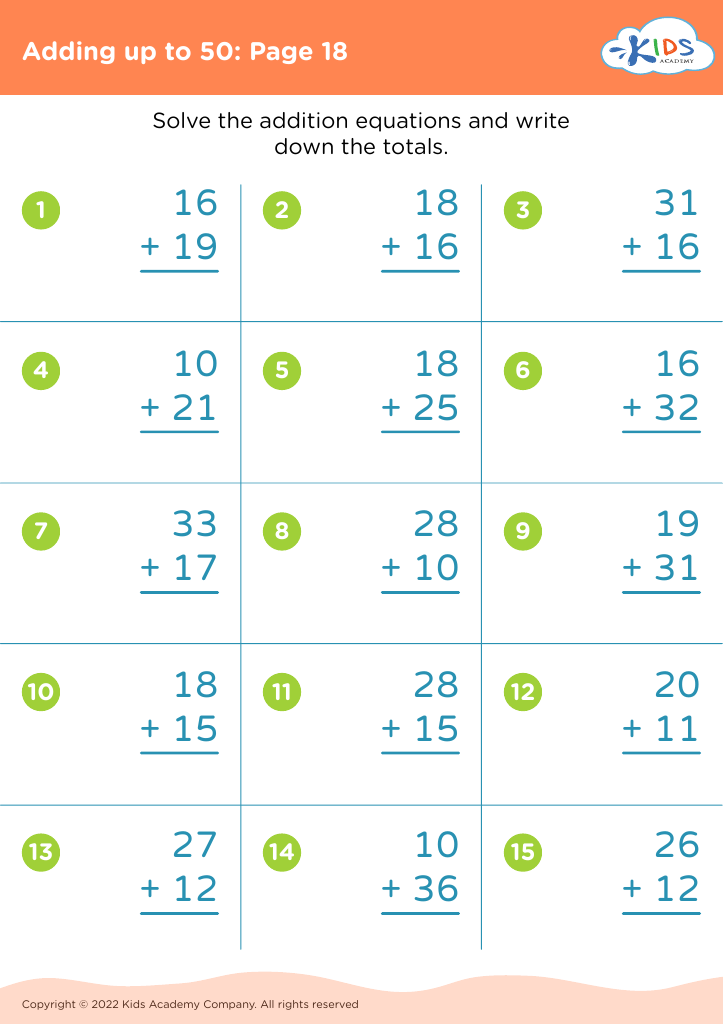
Adding up to 50: Page 18

Adding up to 50: Page 18

Adding up to 50: Page 18
Worksheet
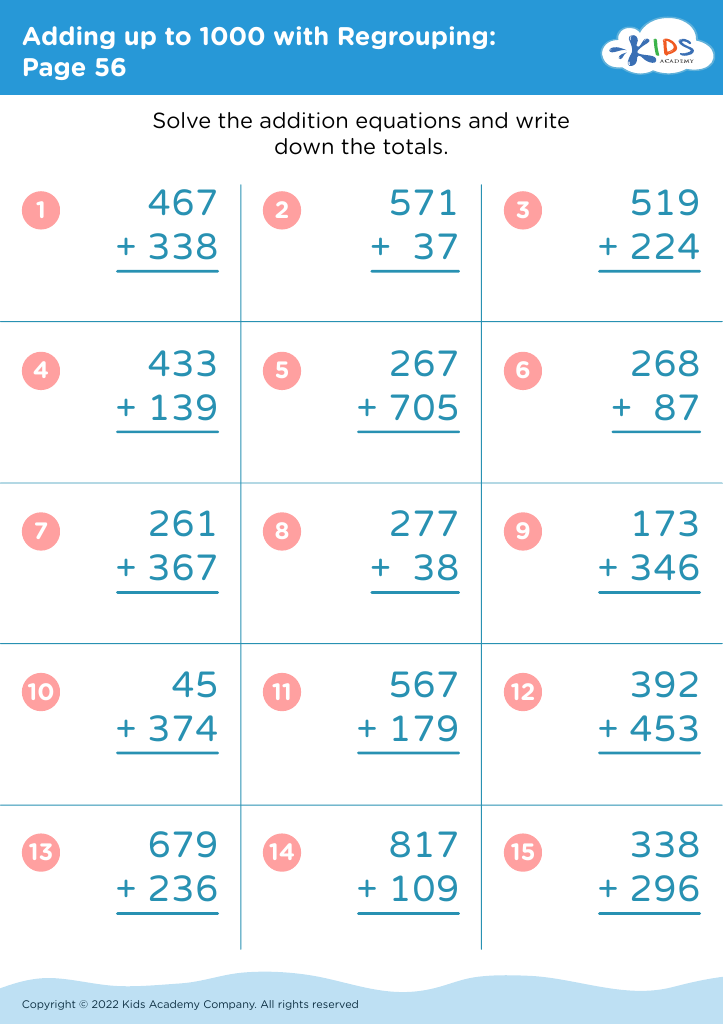
Adding up to 1000 with Regrouping: Page 56
Worksheet
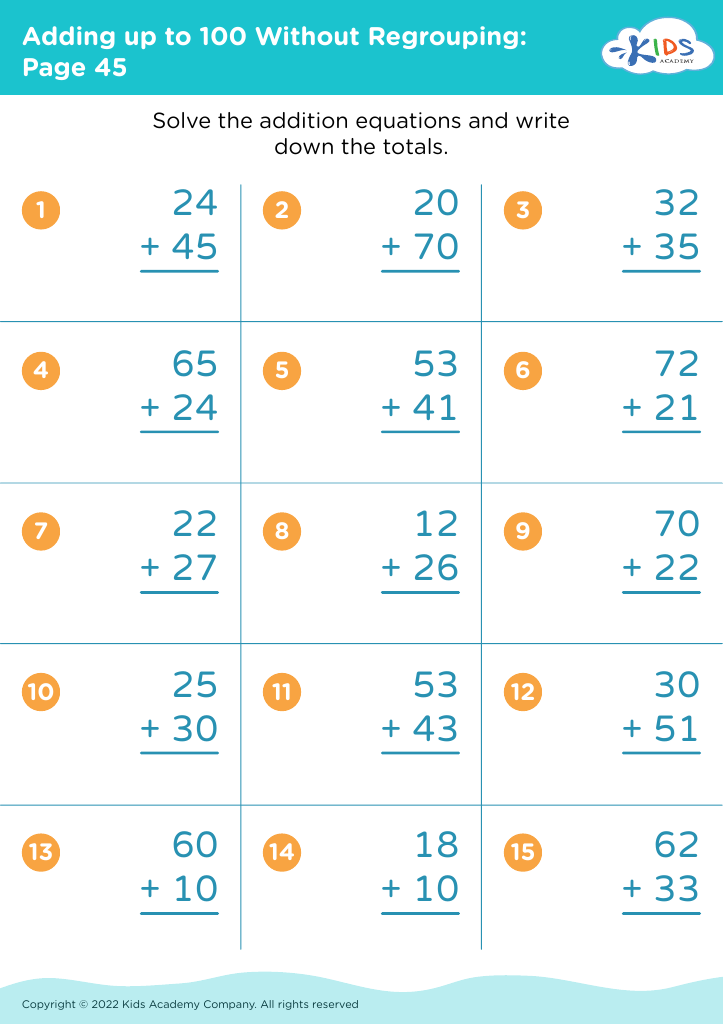
Adding up to 100 Without Regrouping: Page 45
Worksheet
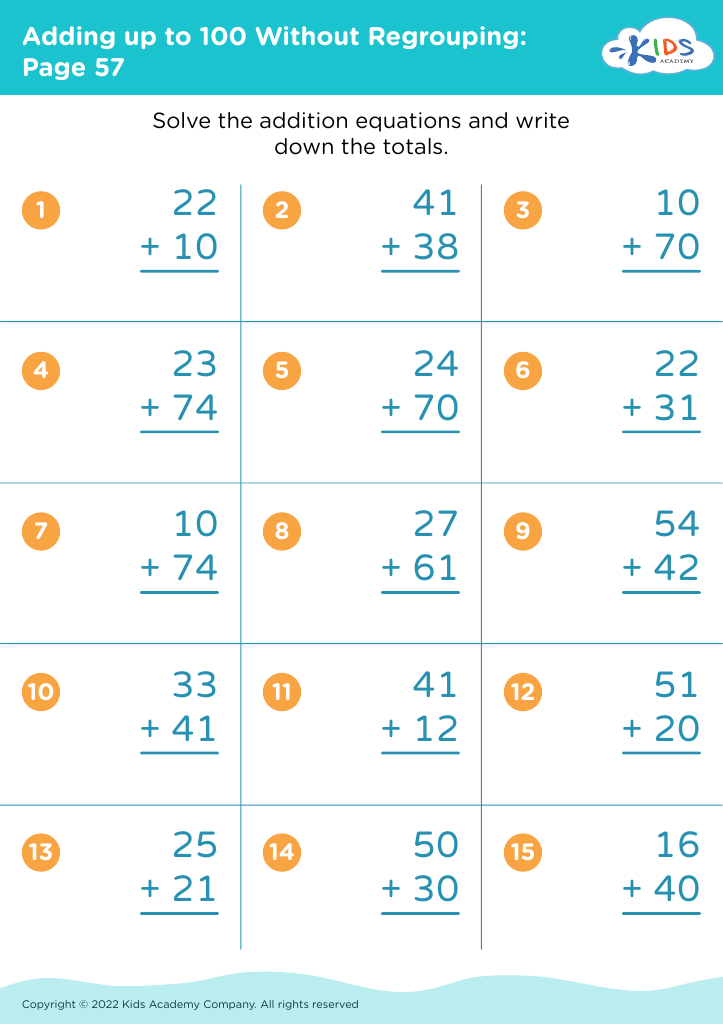
Adding up to 100 Without Regrouping: Page 57
Worksheet
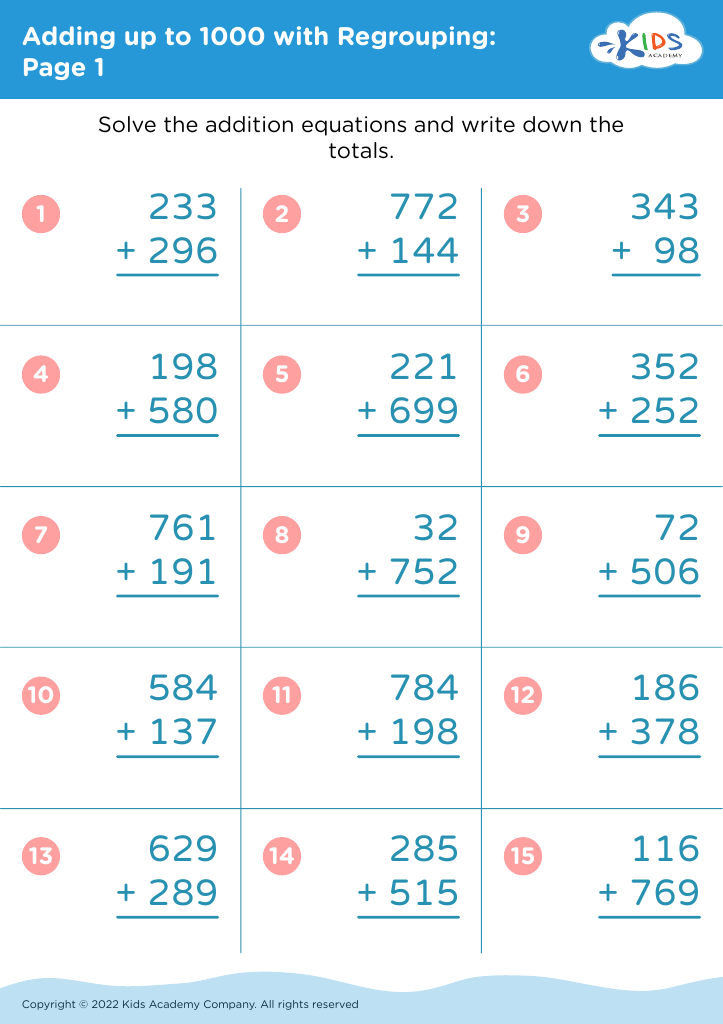
Adding up to 1000 with Regrouping: Page 1
Worksheet
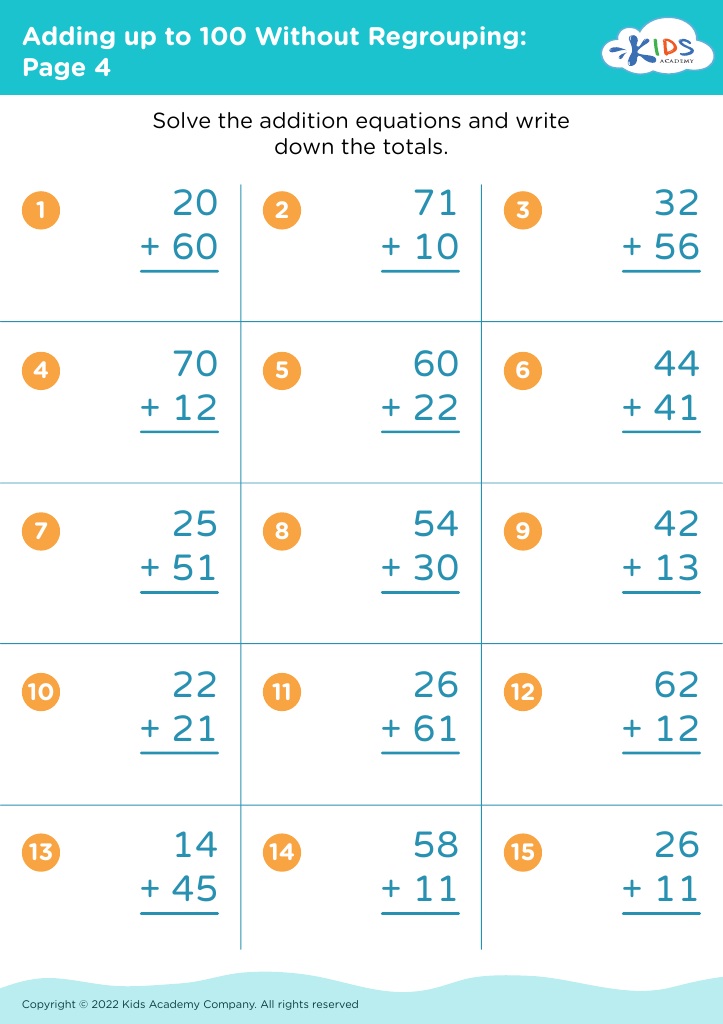
Adding up to 100 Without Regrouping: Page 4
Worksheet
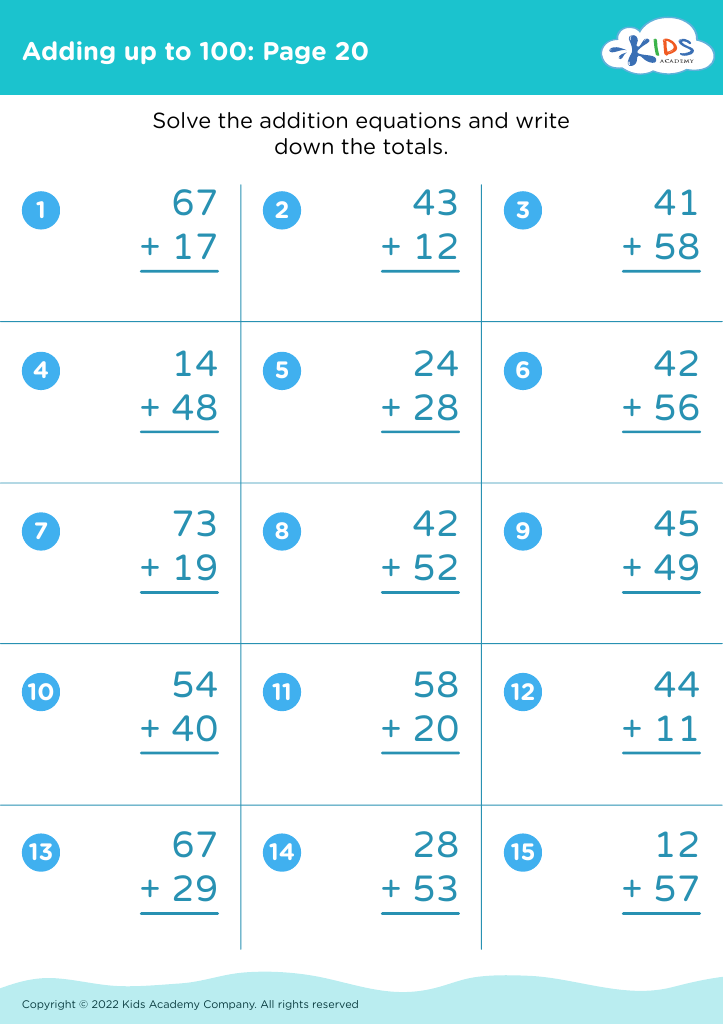
Adding up to 100: Page 20

Adding up to 100: Page 20

Adding up to 100: Page 20
Worksheet
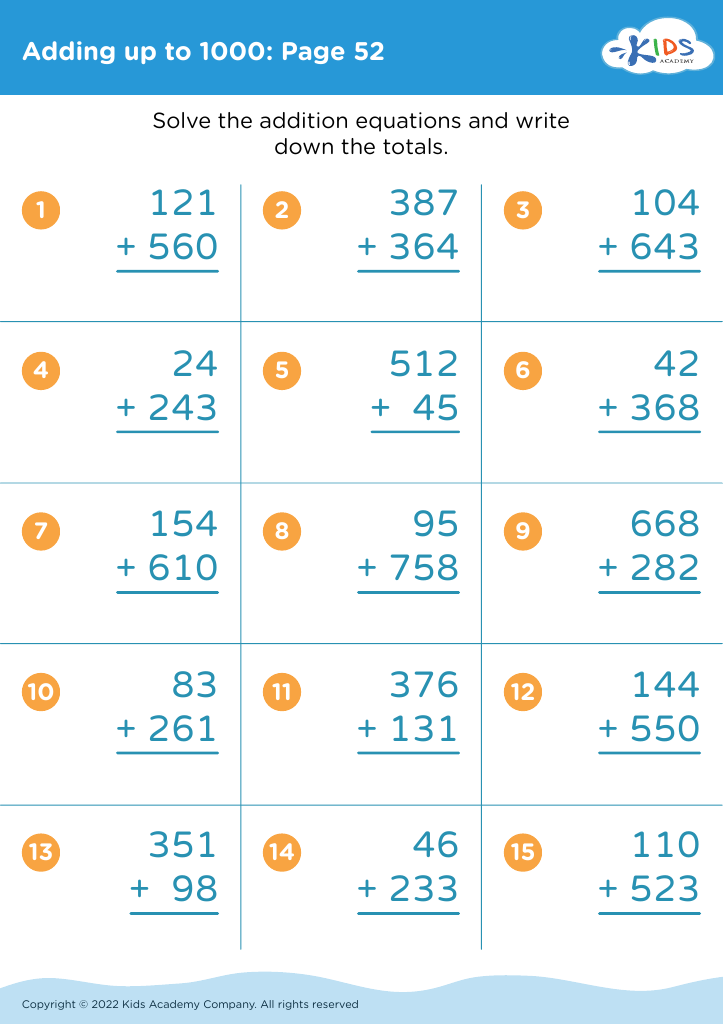
Adding up to 1000: Page 52

Adding up to 1000: Page 52

Adding up to 1000: Page 52
Worksheet
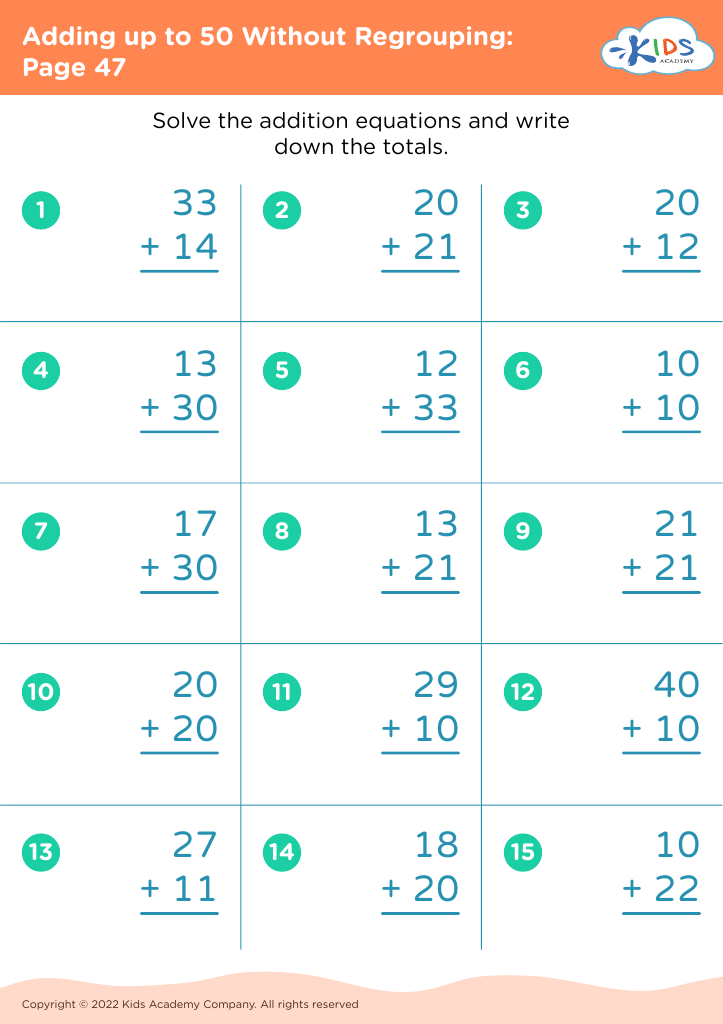
Adding up to 50 Without Regrouping: Page 47
Worksheet
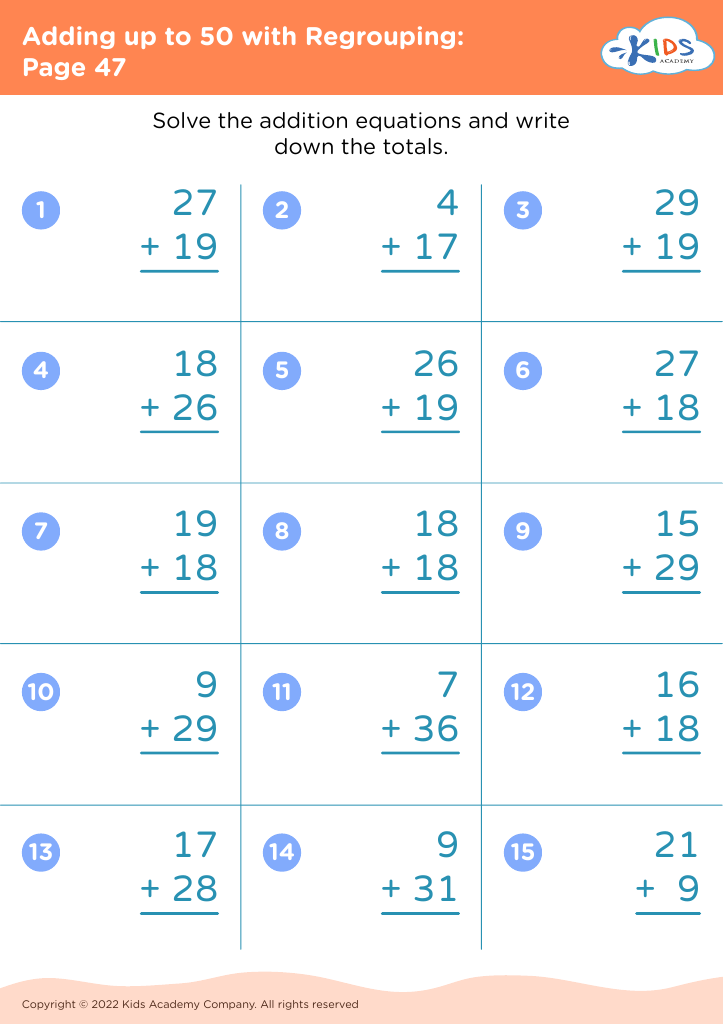
Adding up to 50 with Regrouping: Page 47
Worksheet
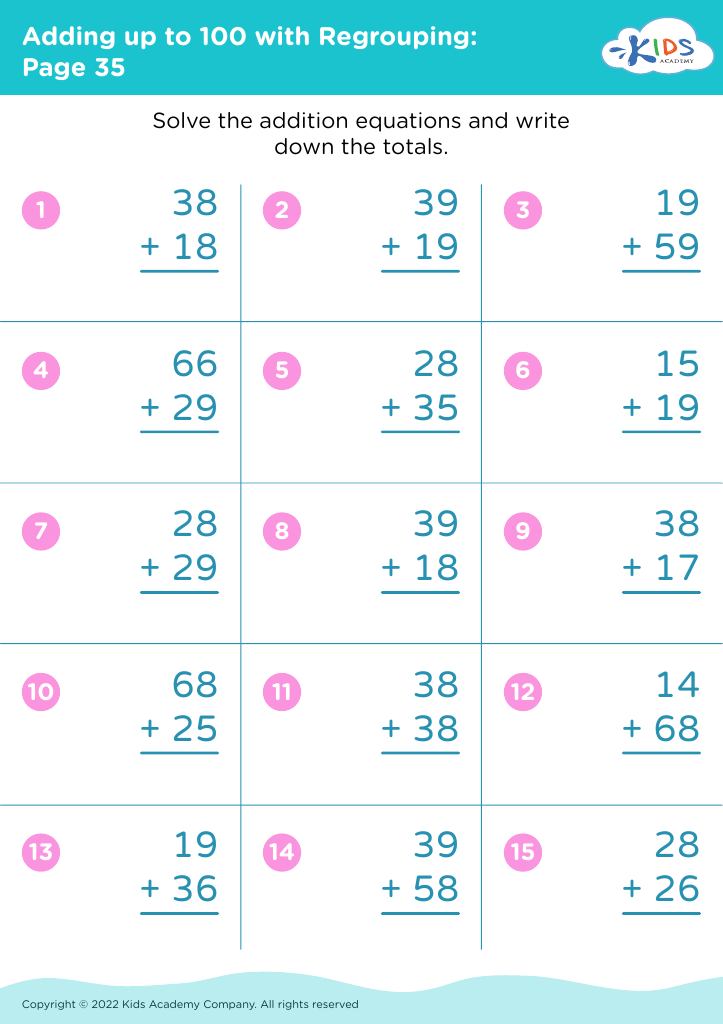
Adding up to 100 with Regrouping: Page 35
Worksheet
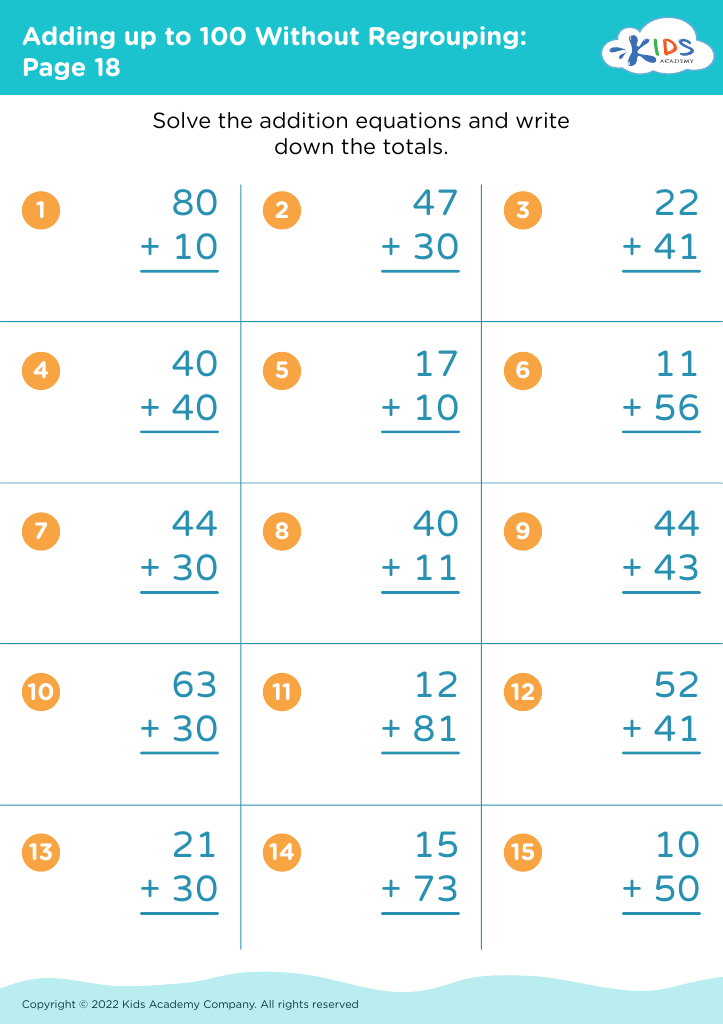
Adding up to 100 Without Regrouping: Page 18
Worksheet
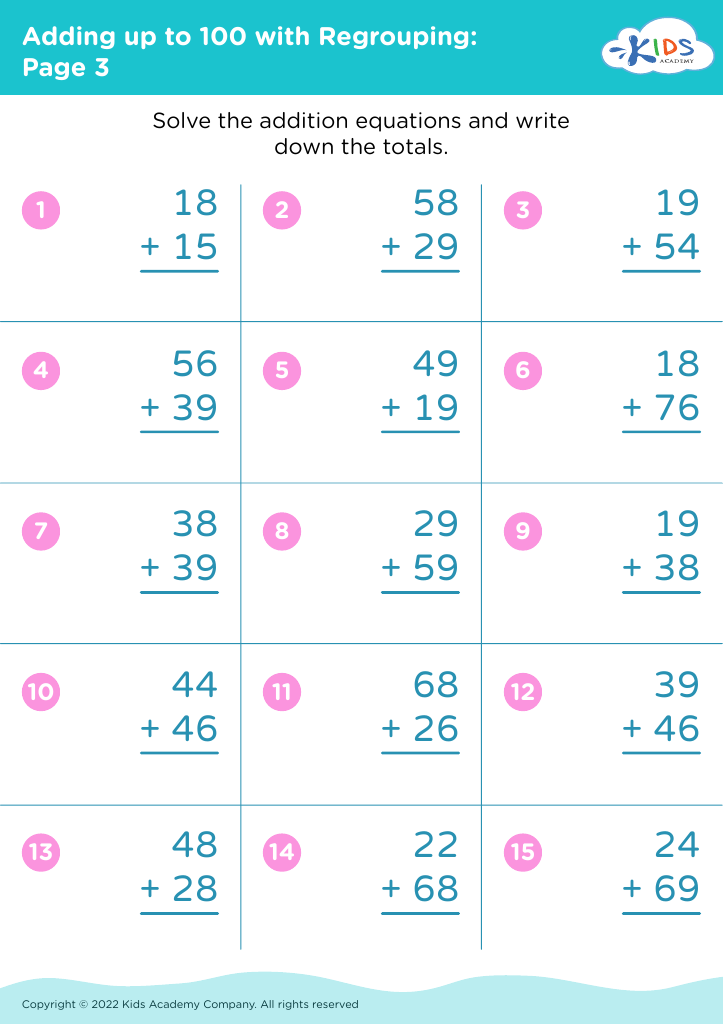
Adding up to 100 with Regrouping: Page 3
Worksheet
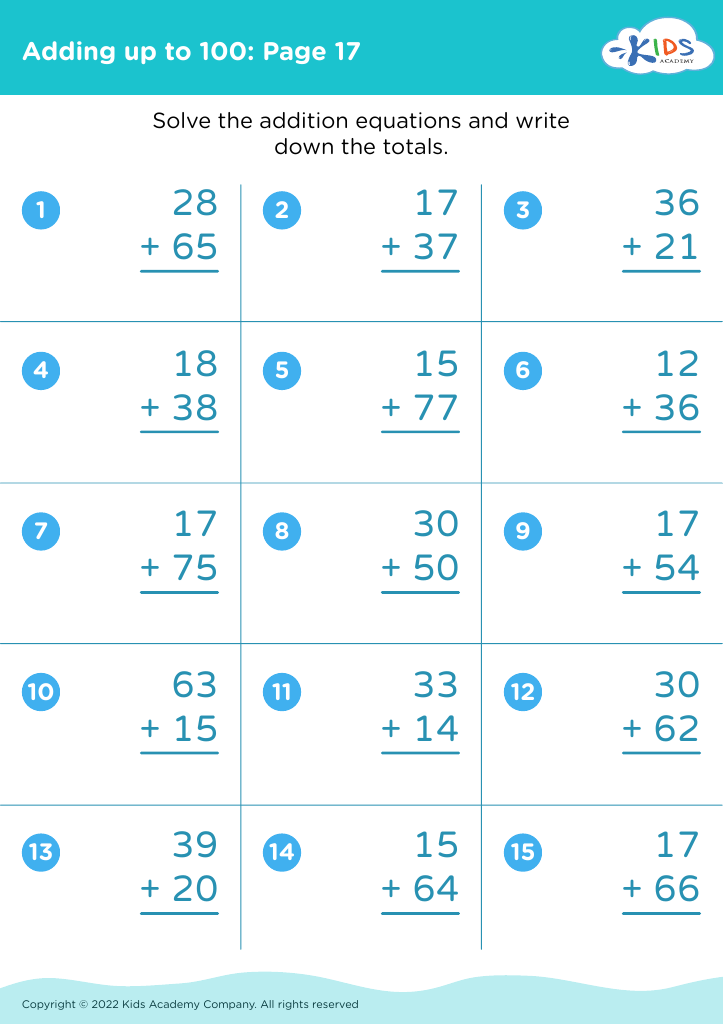
Adding up to 100: Page 17

Adding up to 100: Page 17

Adding up to 100: Page 17
Worksheet
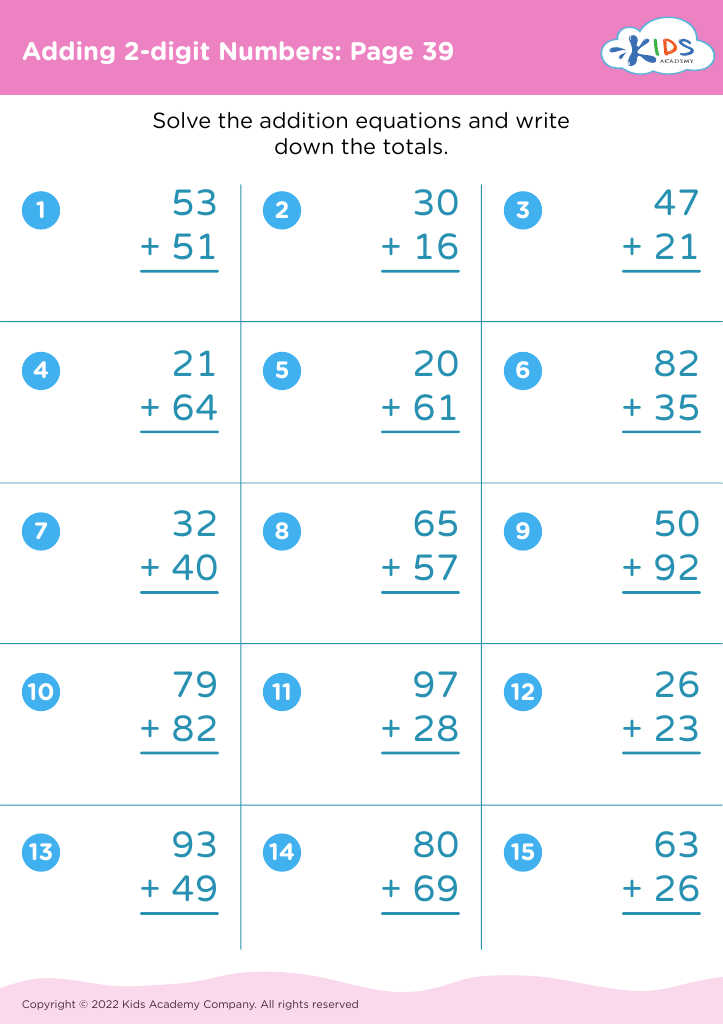
Adding 2-digit Numbers: Page 39

Adding 2-digit Numbers: Page 39

Adding 2-digit Numbers: Page 39
Worksheet
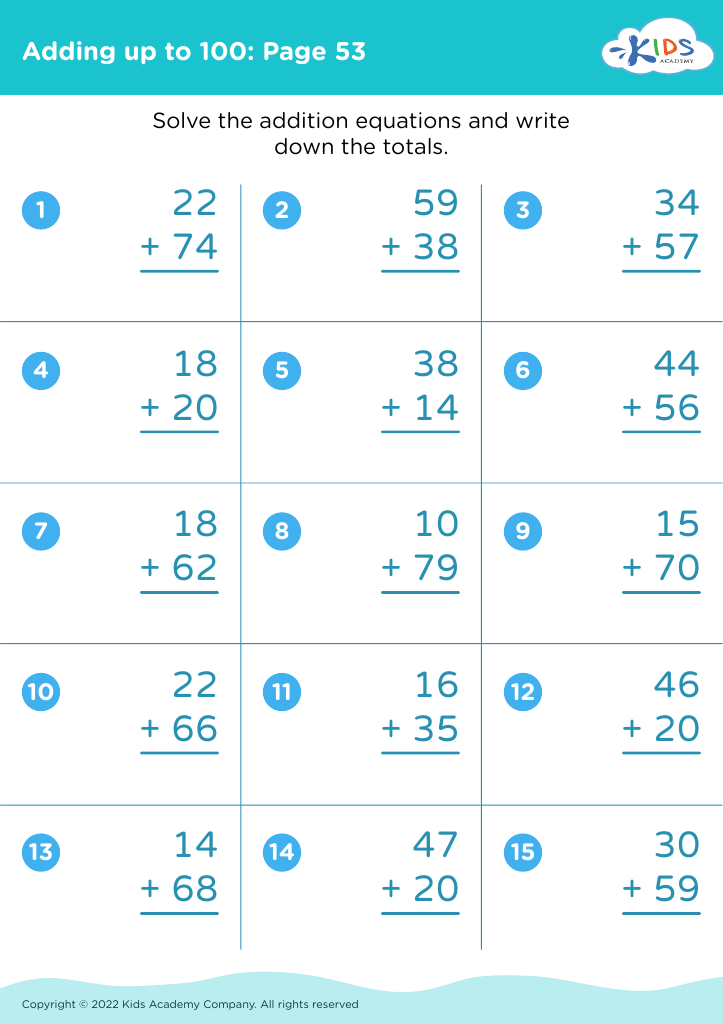
Adding up to 100: Page 53

Adding up to 100: Page 53

Adding up to 100: Page 53
Worksheet
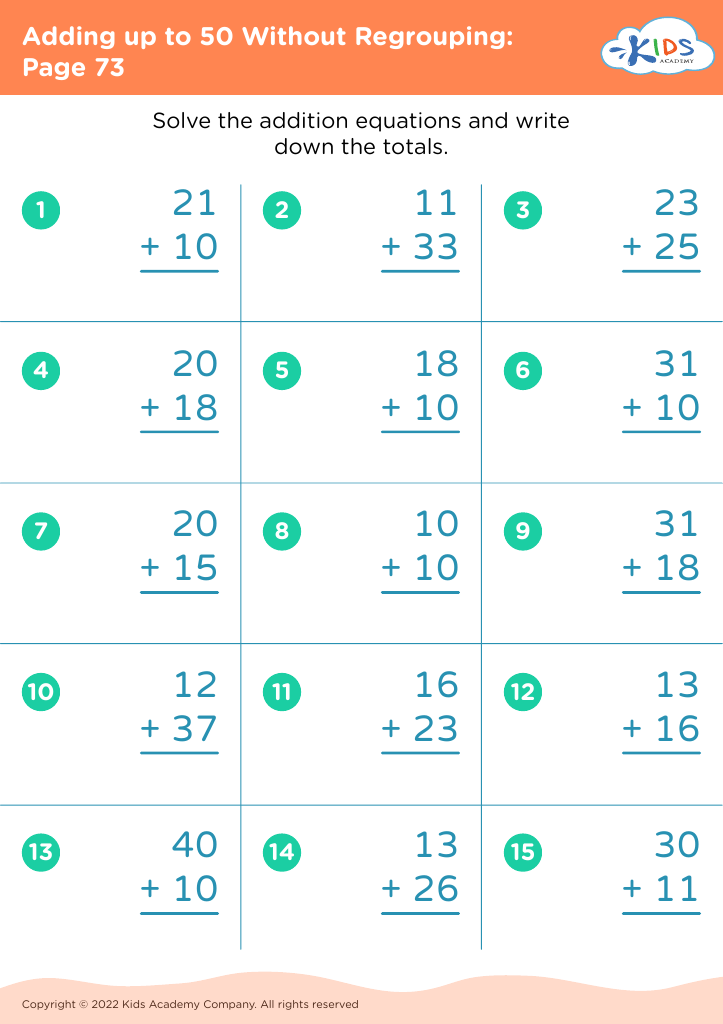
Adding up to 50 Without Regrouping: Page 73
Worksheet
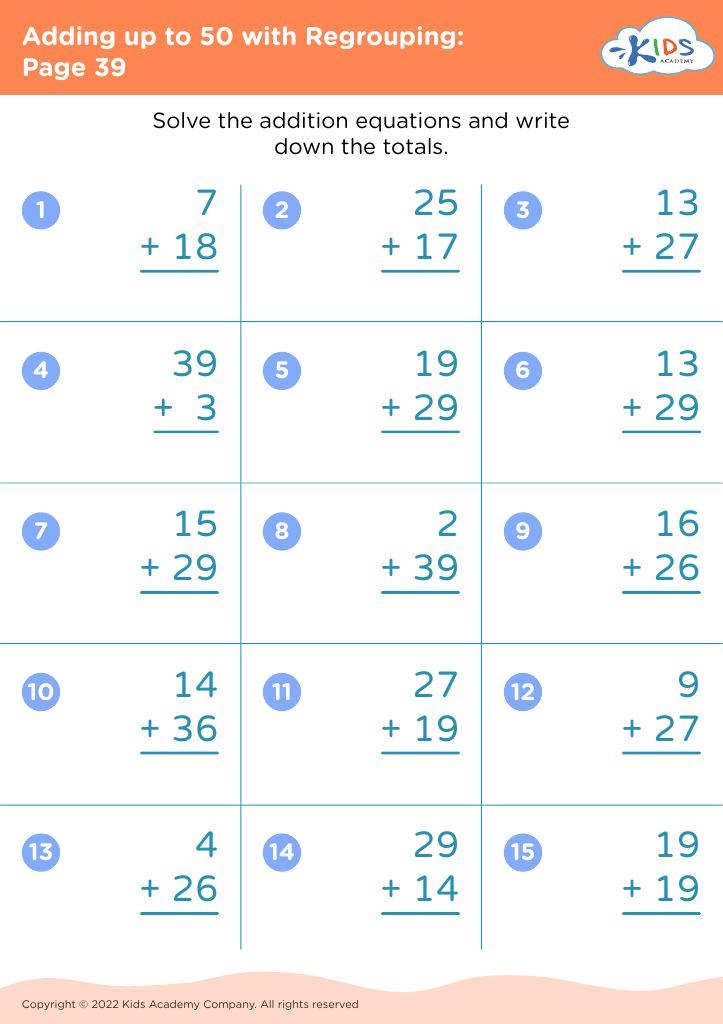
Adding up to 50 with Regrouping: Page 39
Worksheet


Fraction simplification may seem abstract for young learners aged 3 to 7, but its foundational concepts are crucial for holistic mathematical development. Engaging with fractions helps children understand proportions and relationships between quantities. By introducing fraction simplification, teachers and parents can fortify critical reasoning skills that are essential for cognitive development.

At this age, children are naturally curious and aware of the world around them, and simple fraction concepts can be exemplified in relatable situations—like sharing pizza or distributing treats. These real-world applications enhance their understanding and retention. Simplifying fractions strengthens their problem-solving abilities and provides a structured approach to mathematical thinking.

Moreover, early exposure to such concepts aids in building confidence as children progress to more complex mathematical ideas in later grades. Fractions lay the groundwork for future learning in mathematics, including aspects like division, ratios, and algebra. Parents and teachers should emphasize fraction simplification as a pathway not only to mathematical proficiency but also to developing strong critical thinking and logical reasoning skills, which are invaluable in every aspect of their education and everyday life. Cultivating a strong mathematical foundation early on paves the way for future success and encourages a love for learning.