Improve reading skills Math Worksheets for Ages 3-7 - Page 2
31 filtered results
-
From - To
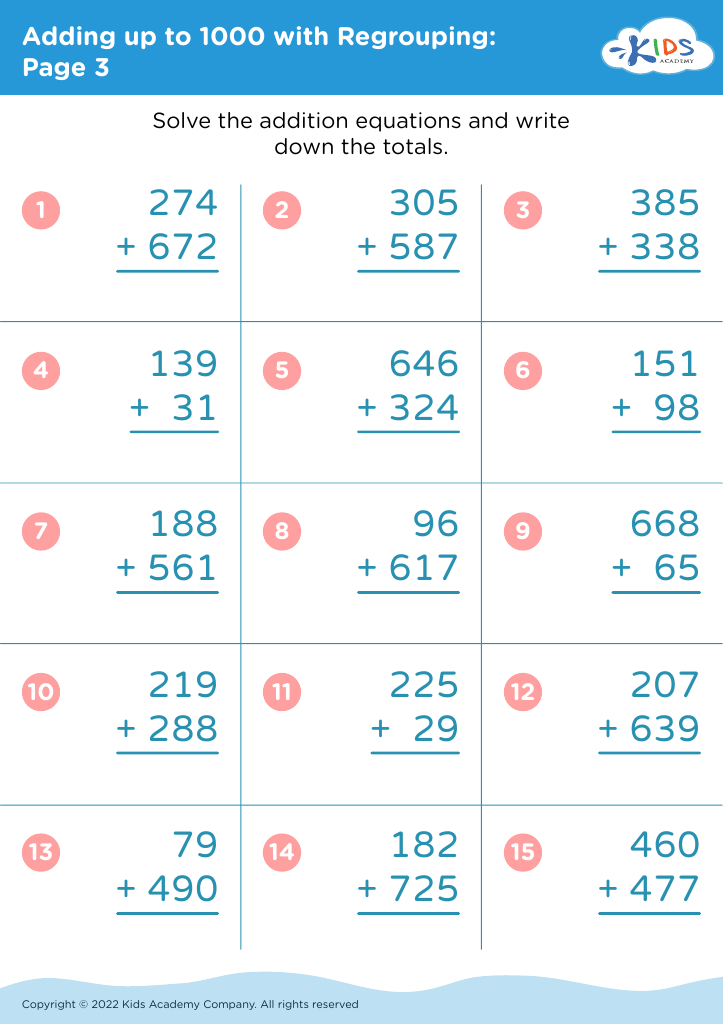
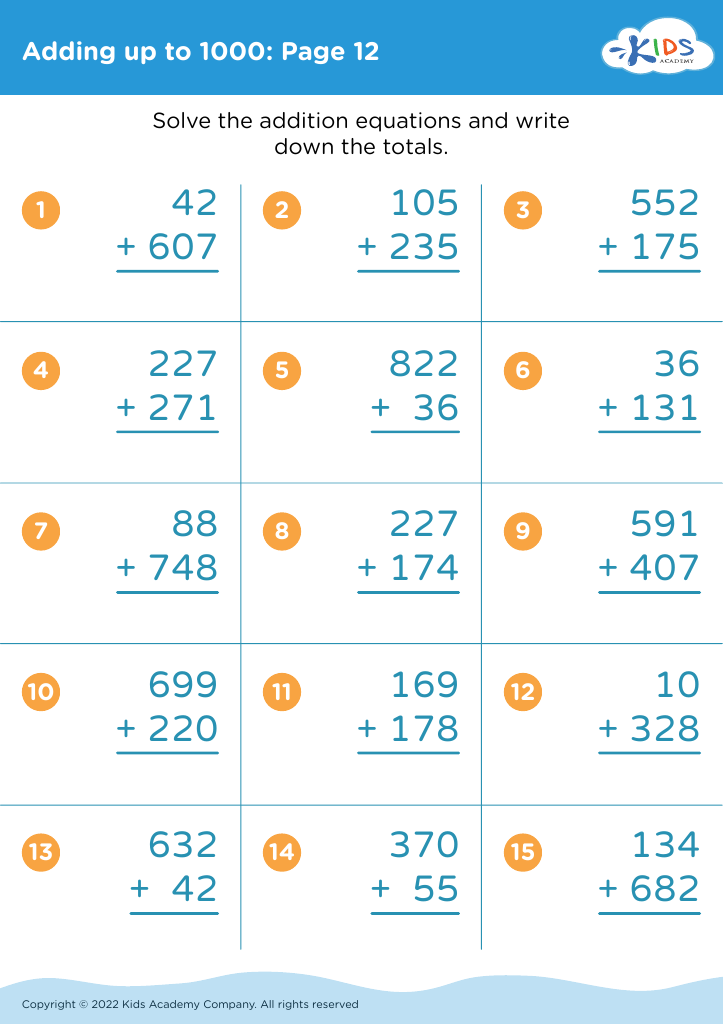
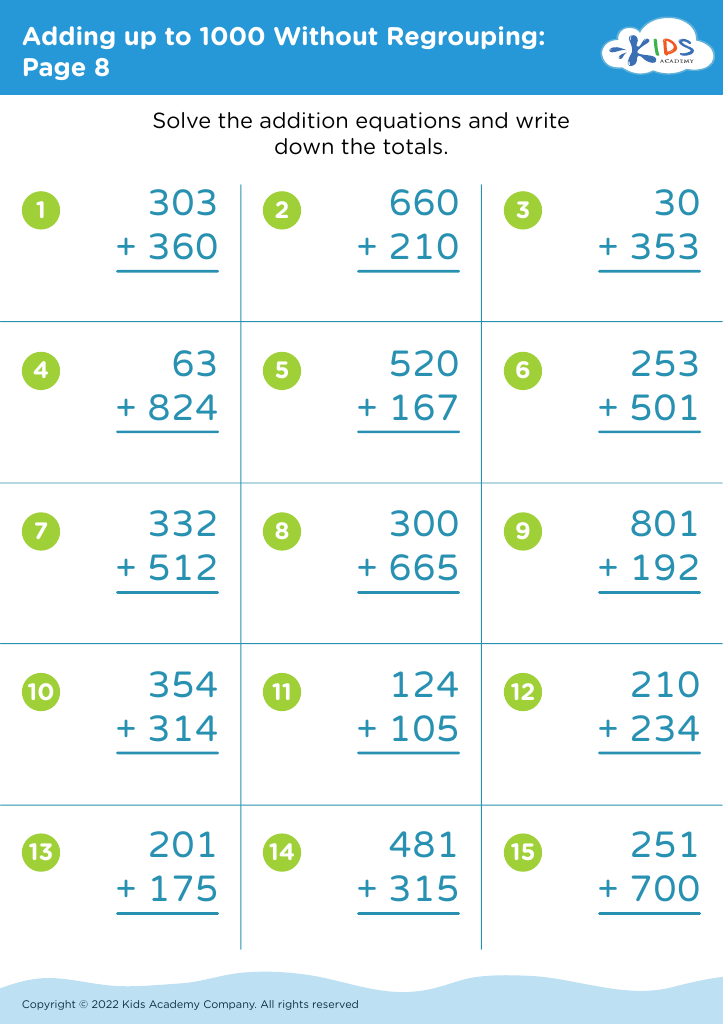
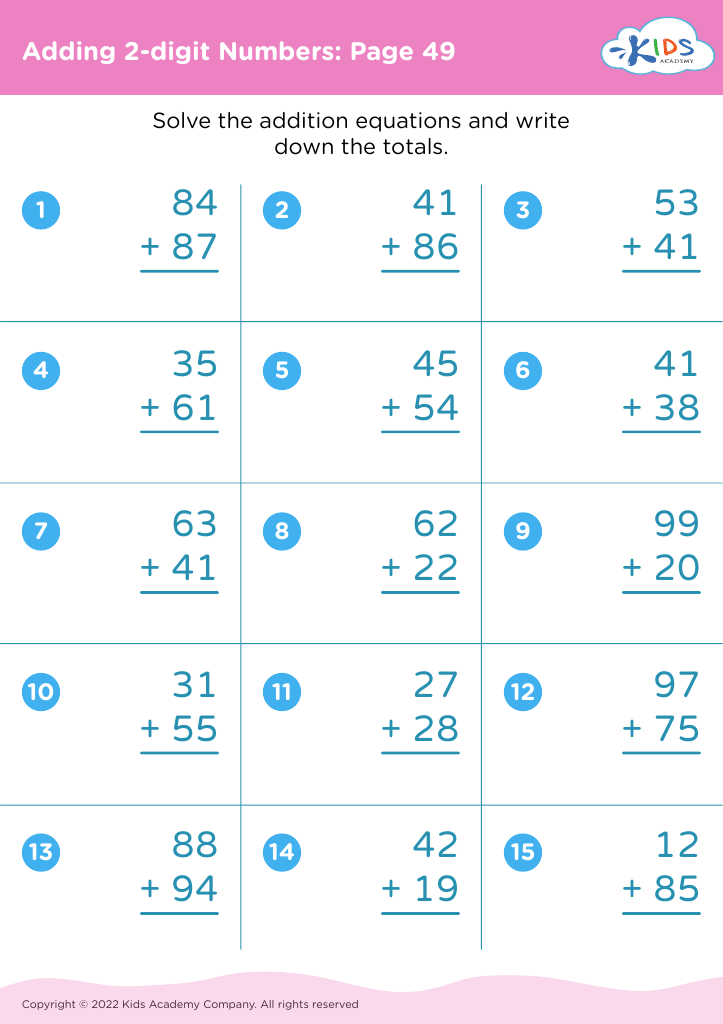
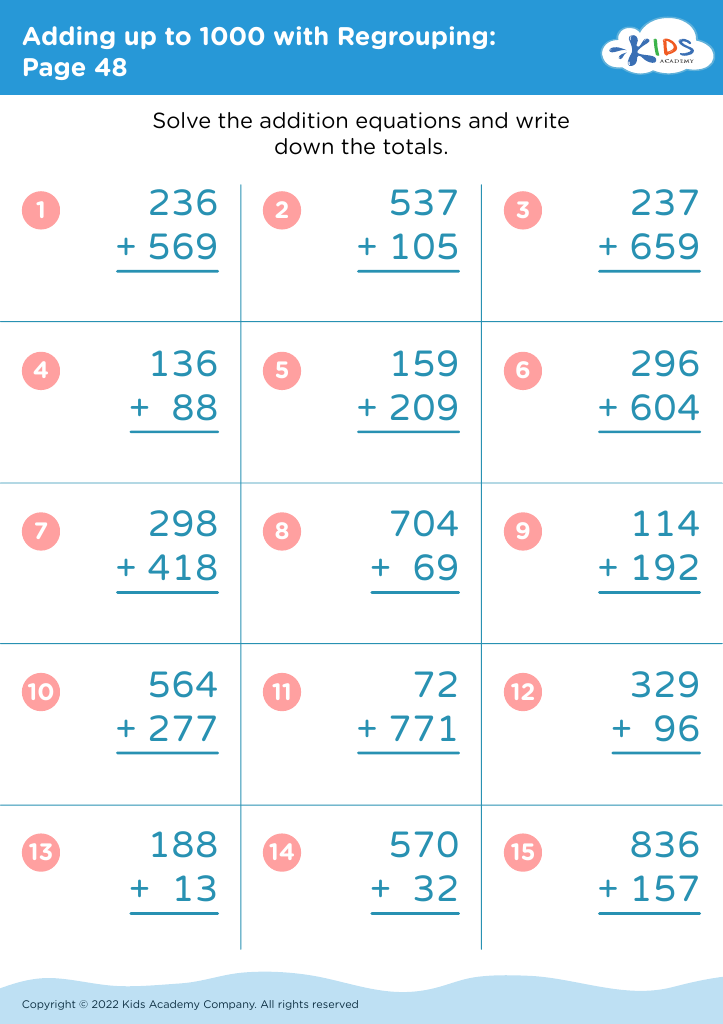
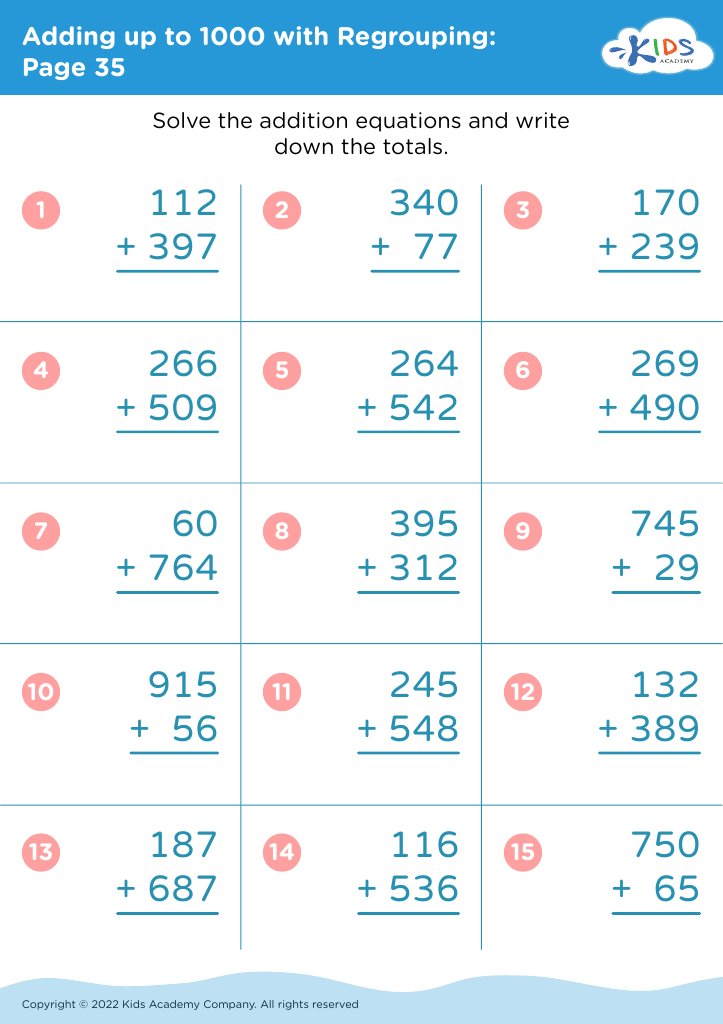
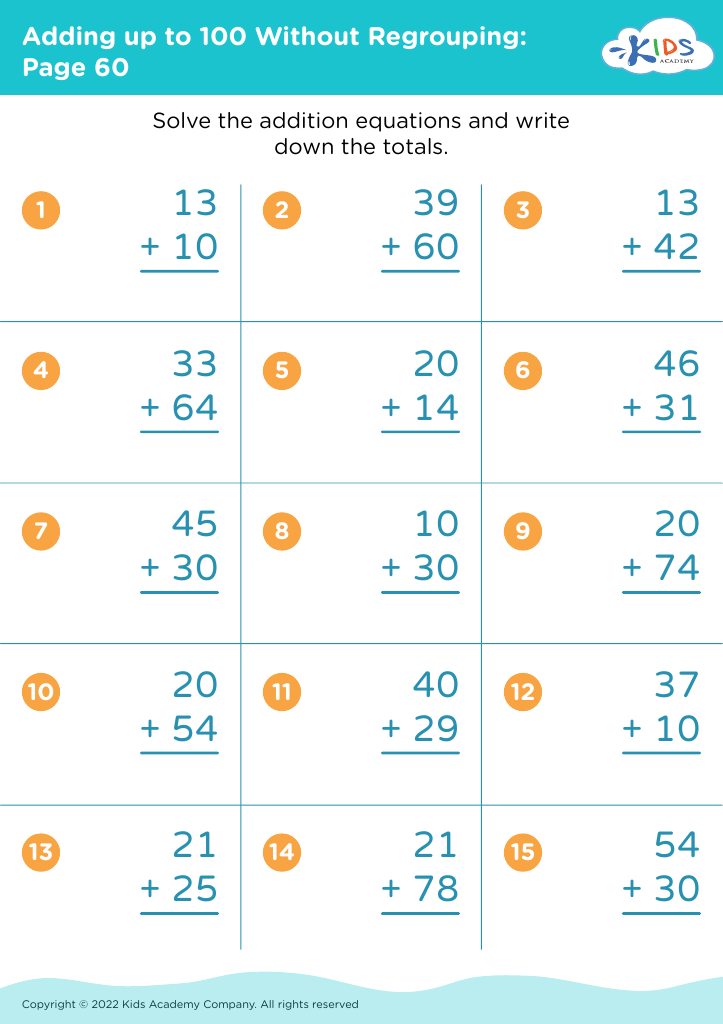








Improving reading and math skills for children ages 3-7 is crucial for their overall development and future success. At this formative stage, young learners are laying the foundational cognitive and social skills that will serve them throughout their lives. Strong reading skills not only enhance literacy but also encourage a love for learning, increase comprehension abilities, and boost critical thinking. By engaging with stories and language, children develop vocabulary and communication skills that are essential for academic achievement.
Likewise, math skills foster logical thinking, problem-solving abilities, and a sense of curiosity about the world. Integrating math concepts through playful activities can make learning enjoyable and relatable, helping children see the relevance in everyday situations. This dual focus on reading and math builds essential competencies, ensuring children are well-prepared as they transition to more complex subjects in later grades.
Moreover, parents and teachers have the opportunity to foster a supportive environment that promotes learning through positive reinforcement and age-appropriate challenges. By actively participating in their children’s education, they can instill confidence and resilience, making children not just capable learners but enthusiastic ones. Investing in these skills now creates the groundwork for lifelong learning and success in school and beyond.








