Logical Reasoning Math Worksheets for Ages 3-7 - Page 2
28 filtered results
-
From - To
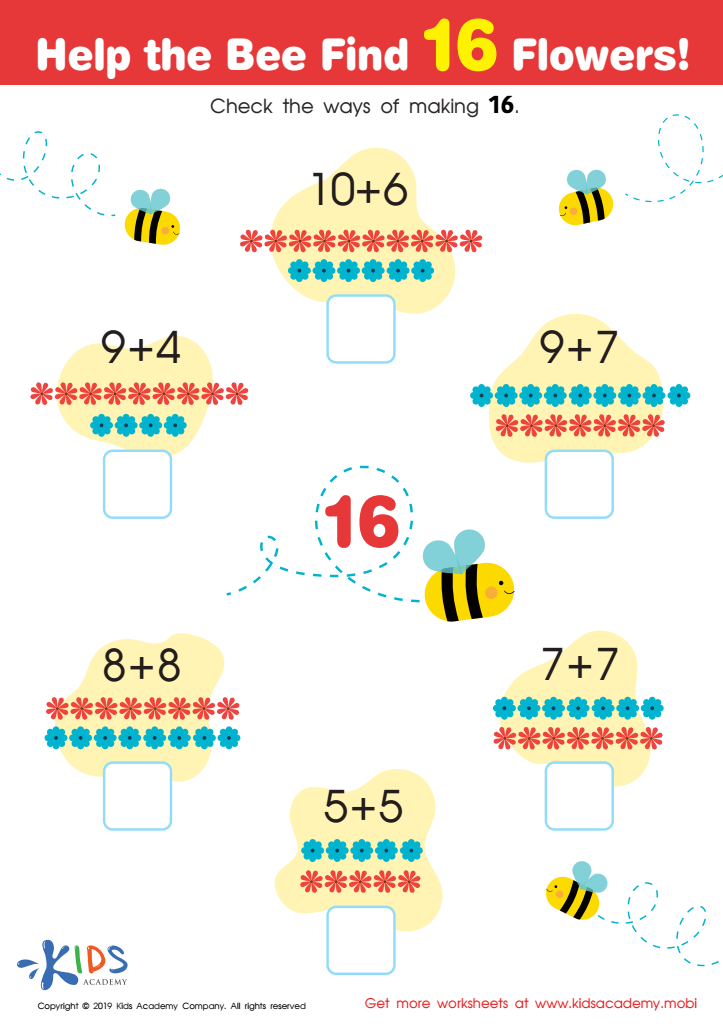
Help the Bee Find 16 Flowers Worksheet
 Assign to My Students
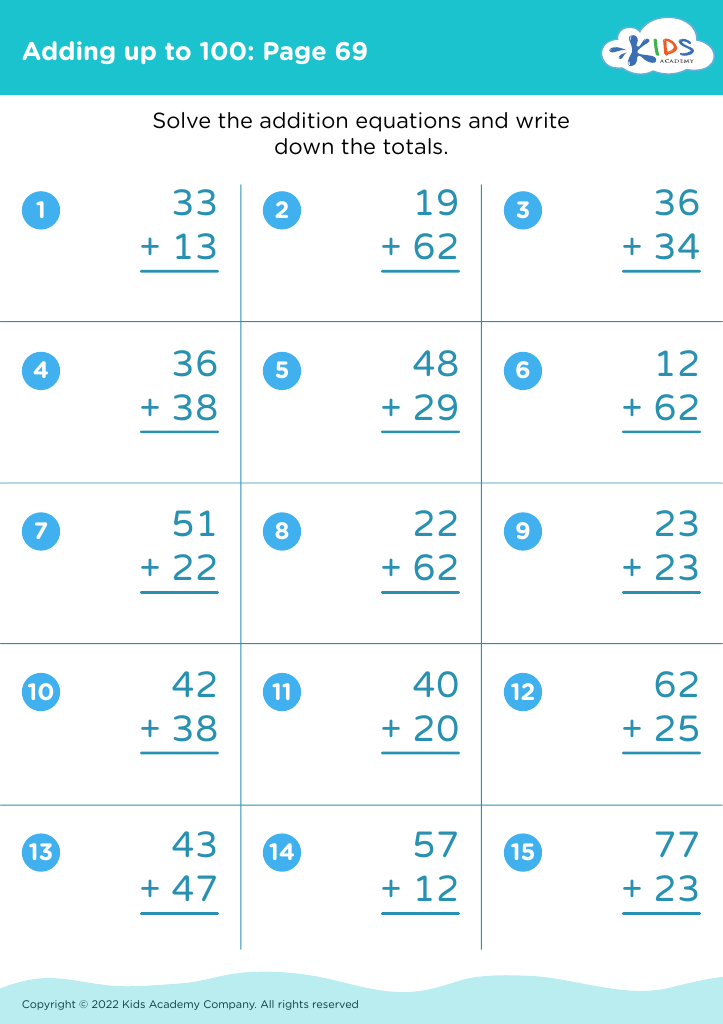
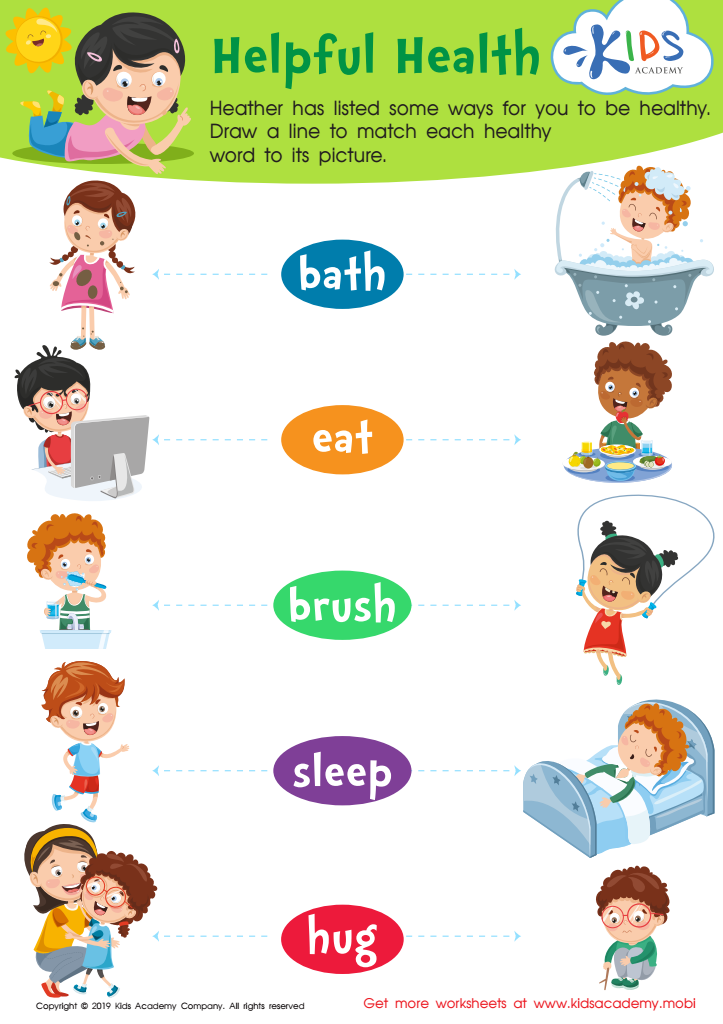
Helpful Health Worksheet
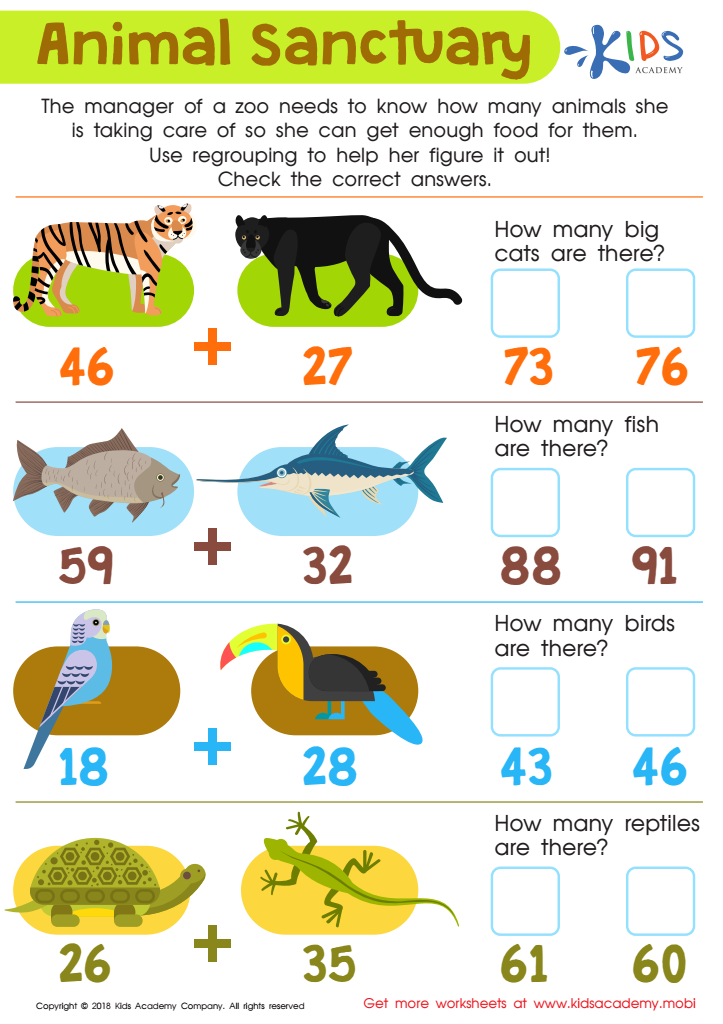
Animal Sanctuary Worksheet


.jpg)





Logical reasoning in math is a fundamental skill for children aged 3-7, bridging early learning and future academic success. Parents and teachers should prioritize it because early exposure fosters critical thinking, problem-solving abilities, and analytical skills, which are essential for a child's overall development. Engaging in logical reasoning activities helps children learn to recognize patterns, categorize objects, and understand relationships—skills that form the backbone of more complex mathematical concepts encountered later in their education.
At this age, children's brains are highly receptive and adaptable, making it the perfect time to introduce mathematical reasoning through fun and interactive activities, such as games, puzzles, and everyday scenarios. This playful approach not only makes learning enjoyable but also enhances retention and comprehension.
Additionally, strong logical reasoning skills can lead to greater self-confidence in math, reducing anxiety as children progress in their education. When children build a solid foundation in logical reasoning, they become better equipped to tackle challenges, fosters a positive attitude towards learning, and cultivates a lifelong love of mathematics. By supporting early logical reasoning math skills, parents and teachers are investing in their children's future academic success and personal growth.








