Mathematical reasoning Math Worksheets for Ages 3-7 - Page 3
53 filtered results
-
From - To
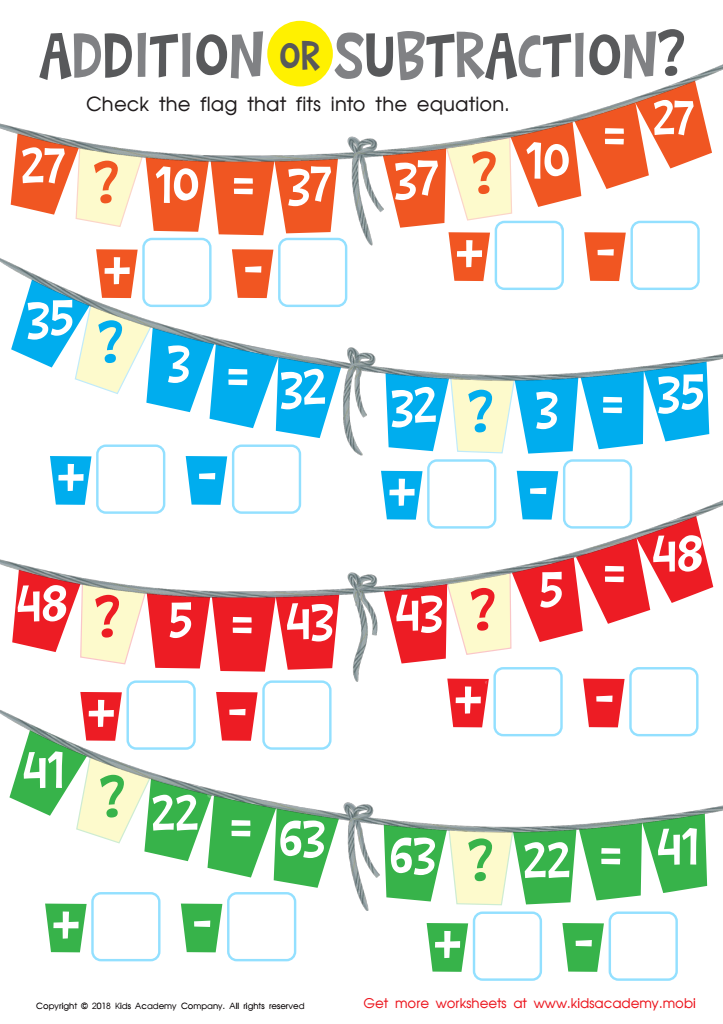
Addition or Subtraction? Worksheet
 Assign to My Students
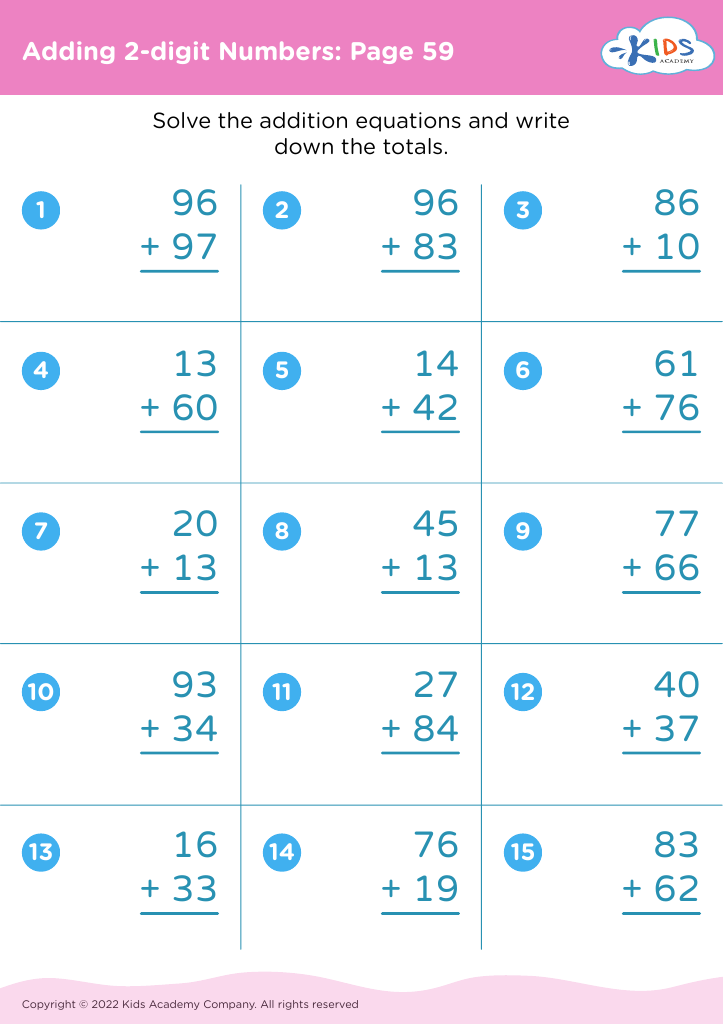
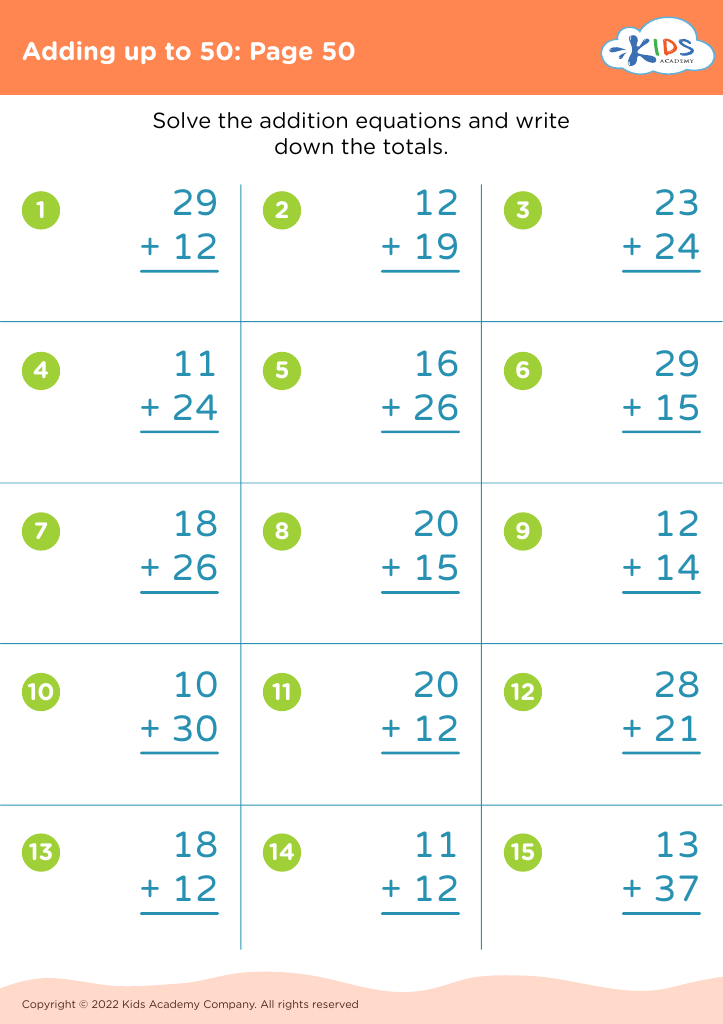
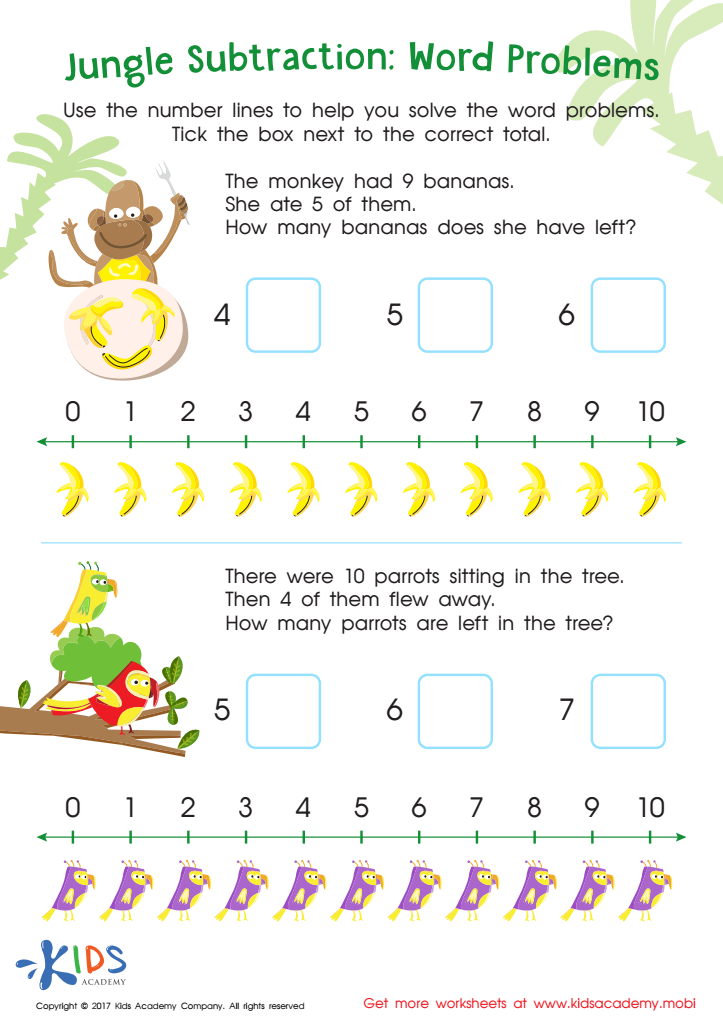
Jungle Subtraction Word Problems Substraction Worksheet



.jpg)




Mathematical reasoning is a crucial skill that lays the foundation for a child's future learning and overall cognitive development. For children aged 3-7, the capacity to understand and apply mathematical concepts enhances problem-solving abilities, critical thinking, and analytical skills. Parents and teachers should care about fostering mathematical reasoning during this developmental stage because early exposure to math can significantly impact a child's confidence and interest in the subject.
At this age, children engage in hands-on activities that promote exploration and discovery. By encouraging mathematical reasoning, caregivers help children make connections between numbers and real-world scenarios, enhancing comprehension. It allows children to recognize patterns, understand spatial relationships, and develop basic operations, such as addition and subtraction, through play and everyday experiences.
Moreover, strong reasoning skills in mathematics correlate with academic success in later years, as math becomes integral in various subjects, including science and literacy. Engaging children in discussions about their thought processes cultivates their communication skills while they articulate their reasoning. Therefore, prioritizing mathematical reasoning from a young age is pivotal for developing a well-rounded, capable learner who feels empowered to tackle more complex concepts in mathematics and beyond.








