Observation skills Math Worksheets for Ages 3-7
4 filtered results
-
From - To
Enhance your child's learning journey with our collection of Observation Skills Math Worksheets designed for ages 3-7. These engaging worksheets are tailored to develop essential observation and critical thinking abilities through fun, age-appropriate math activities. Young learners will enjoy sorting shapes, identifying patterns, and completing visual puzzles that stimulate their curiosity and promote analytical skills. Our colorful worksheets encourage interactive learning, making math exciting and accessible. Perfect for both classroom use or at-home practice, these resources support early mathematics education while fostering observational skills necessary for future academic success. Dive into a world of discovery with our Observation Skills Math Worksheets today!
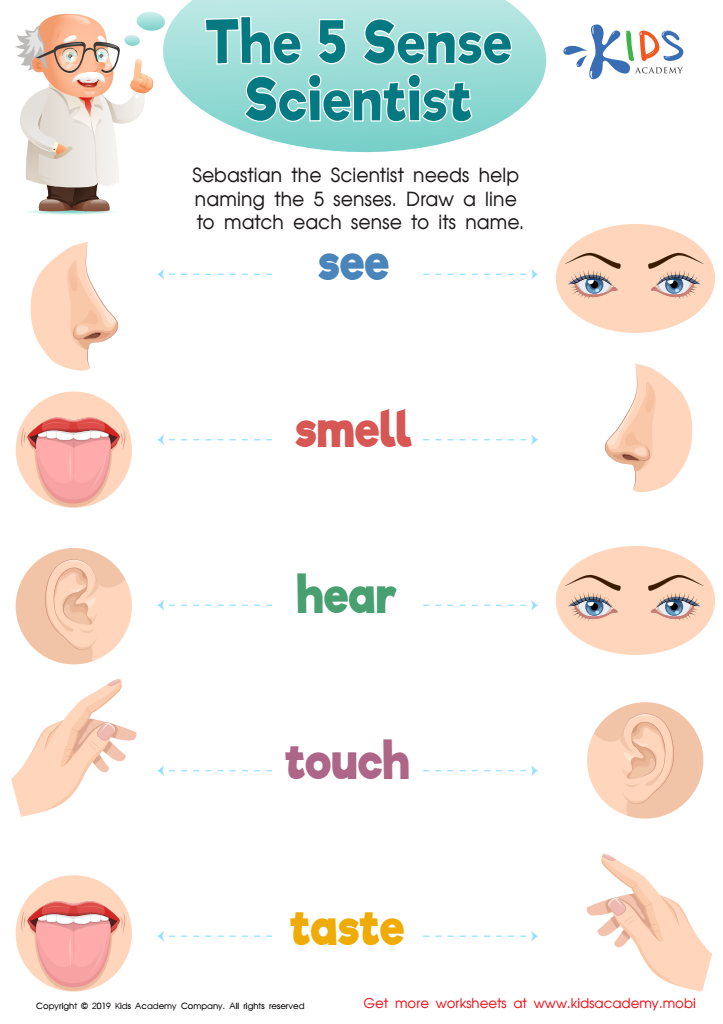
The 5 Sense Scientist Worksheet
 Assign to My Students
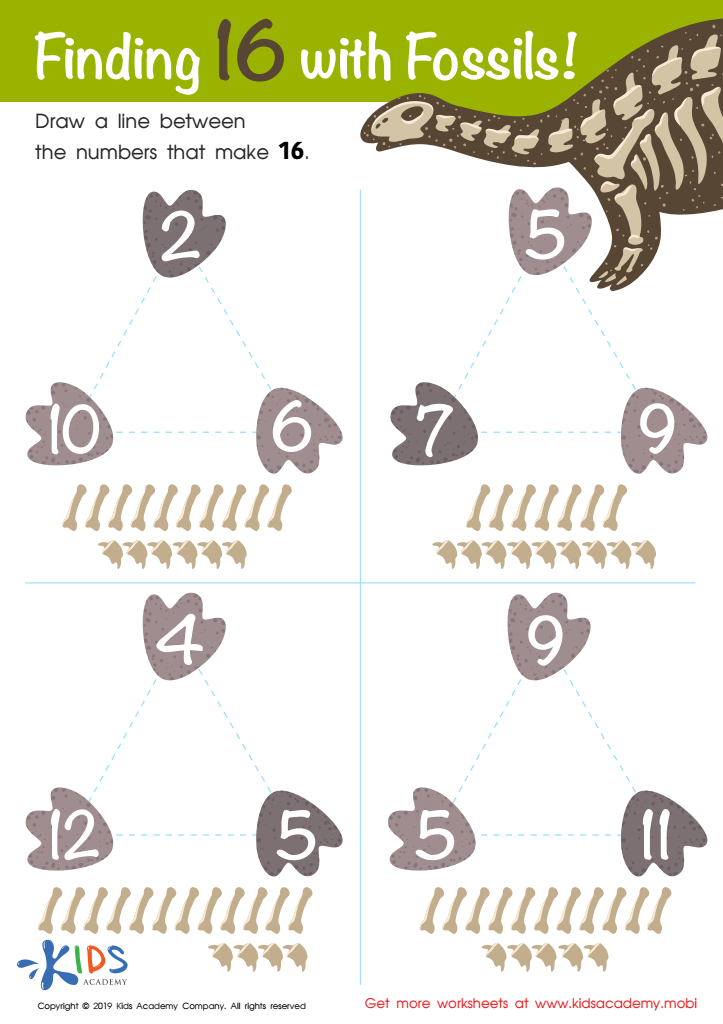
Finding 16 With Fossils Worksheet
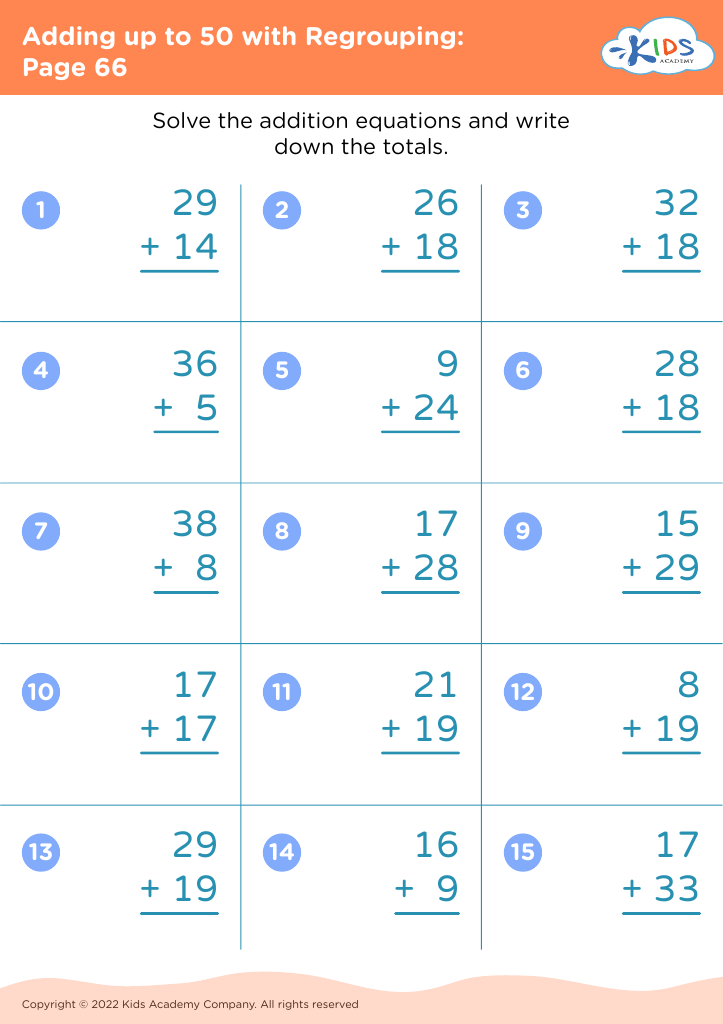
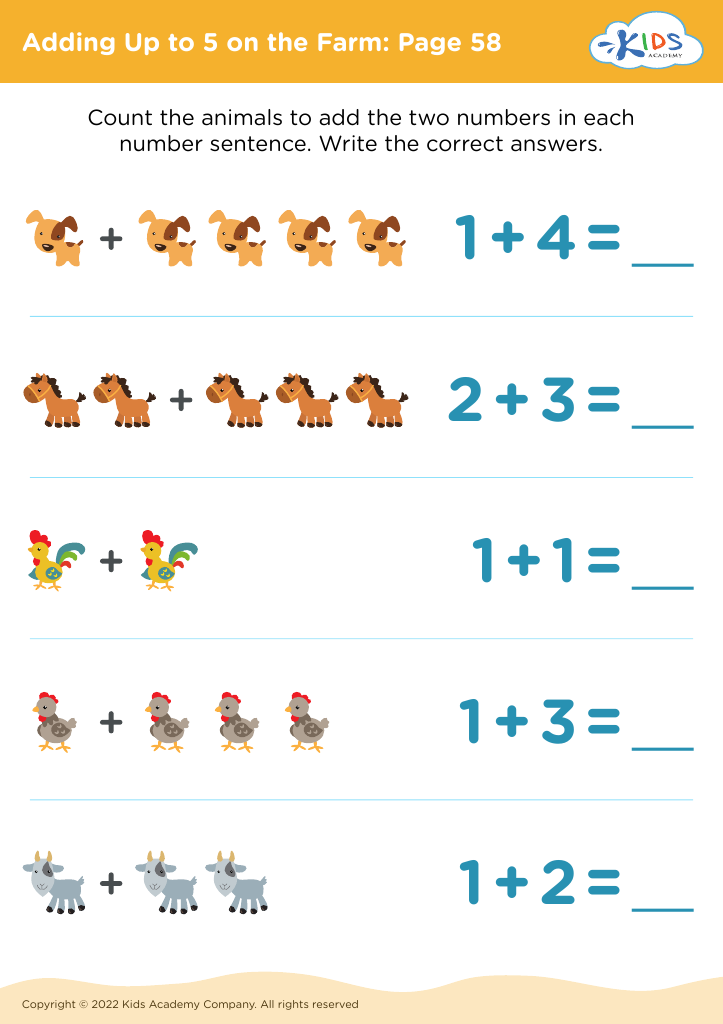







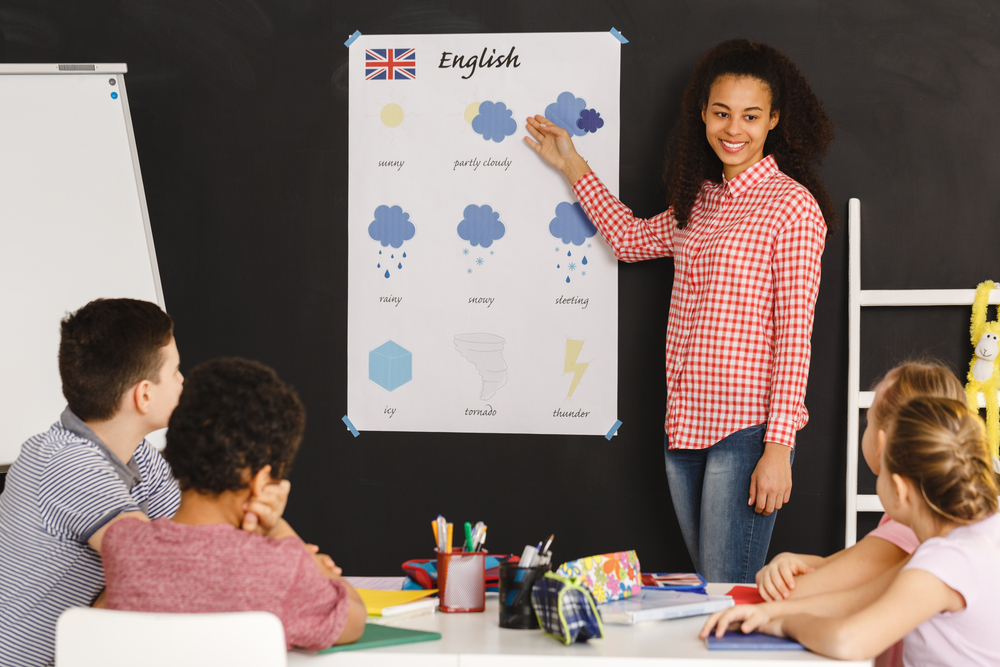
Observation skills in math for children aged 3-7 are crucial for their cognitive development and foundational understanding of mathematical concepts. During these formative years, children learn through play and exploration, making observation a vital tool for both parents and teachers to enhance learning. When adults attentively observe children's approaches to problem-solving, they can identify interests and strengths, leading to tailored activities that foster enthusiasm for math.
Further, strong observational skills help children recognize patterns, shapes, and spatial relationships in their environment, fundamental aspects of mathematics. By noticing and discussing everyday mathematical concepts—such as counting objects, comparing sizes, or measuring ingredients in cooking—adults can create rich learning experiences.
Moreover, observation encourages critical thinking and inquiry, as children learn to ask questions and explore their thoughts. This engagement helps develop their confidence in tackling mathematical challenges. Teachers and parents should also reflect on children’s unique learning styles through gentle observation, adjusting their teaching methods and resources accordingly.
Ultimately, fostering observation skills in young learners nurtures curiosity, promotes a positive attitude toward math, and lays a solid foundation for future learning and academic success. It empowers children to become active participants in their own learning journey.








