Problem Solving Math Worksheets for Ages 3-7 - Page 2
32 filtered results
-
From - To
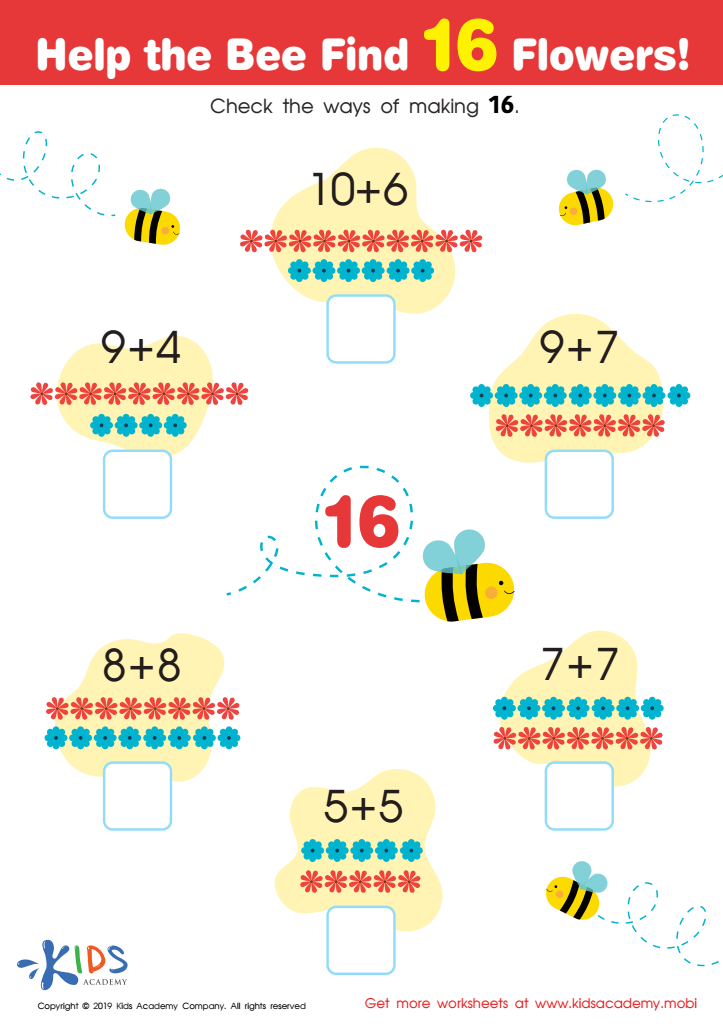
Help the Bee Find 16 Flowers Worksheet
 Assign to My Students
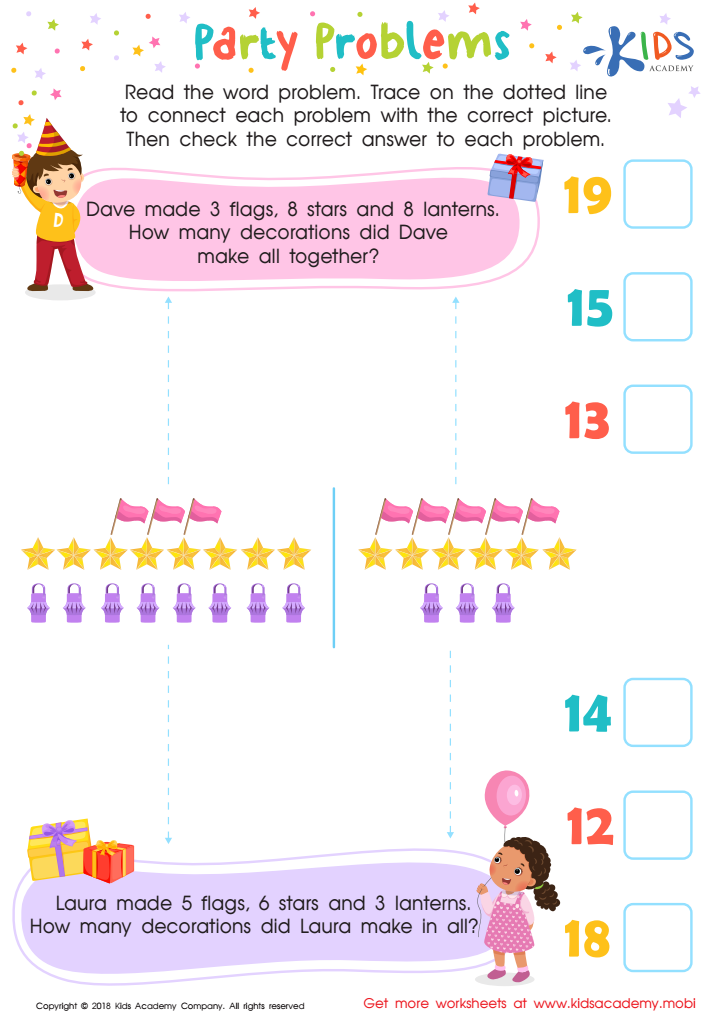
Party Problems Worksheet
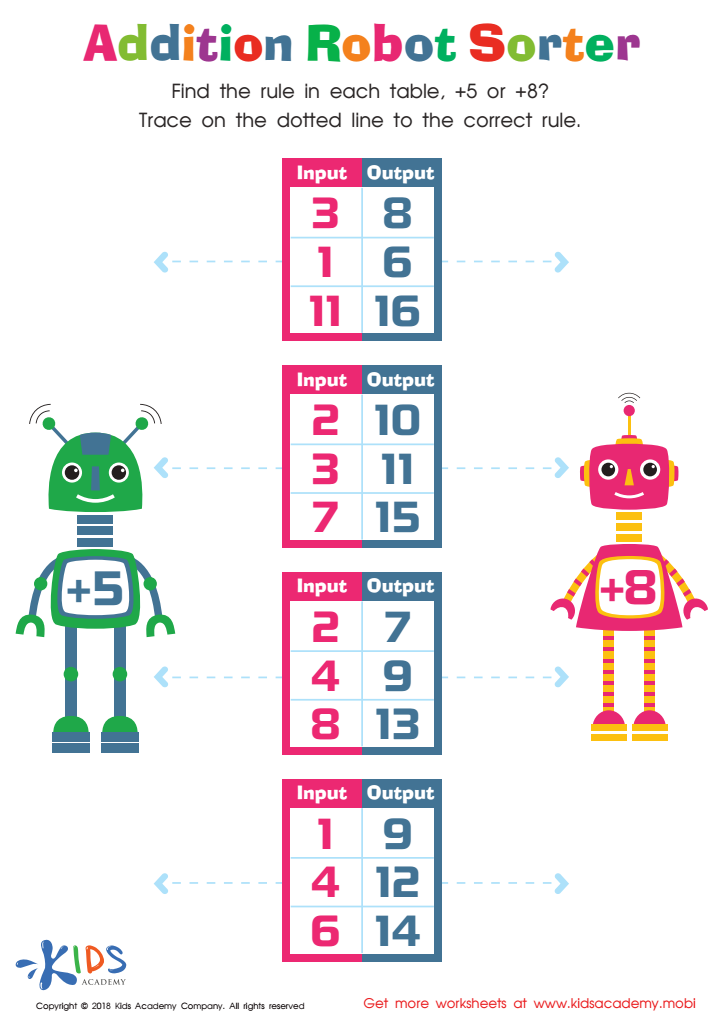
Addition Robot Sorter Worksheet
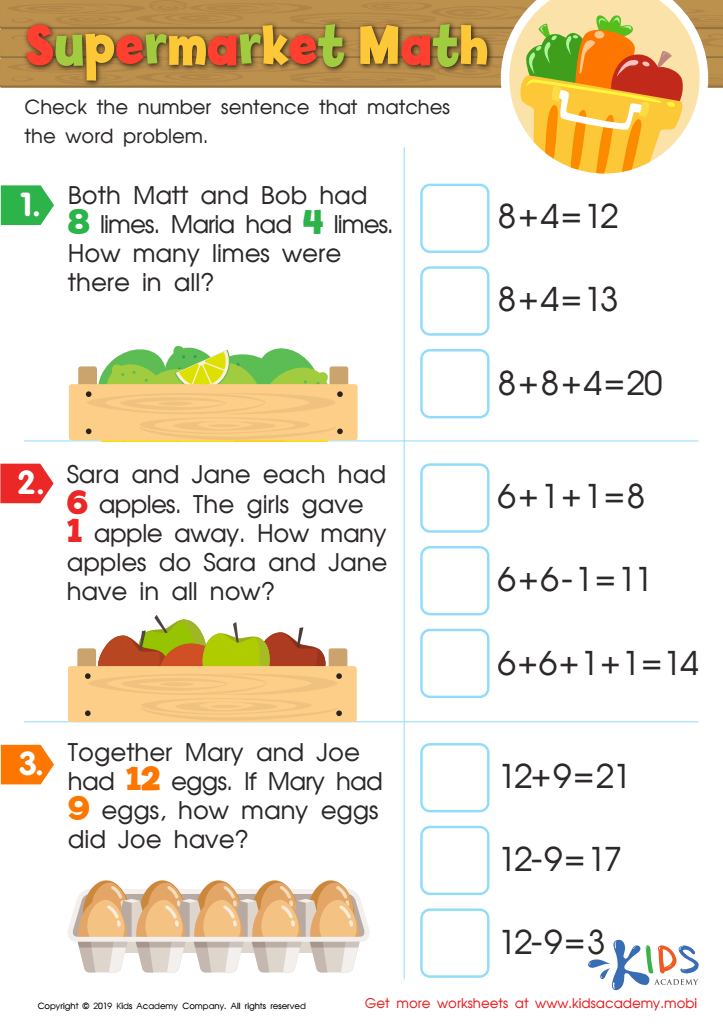
Supermarket Math Worksheet
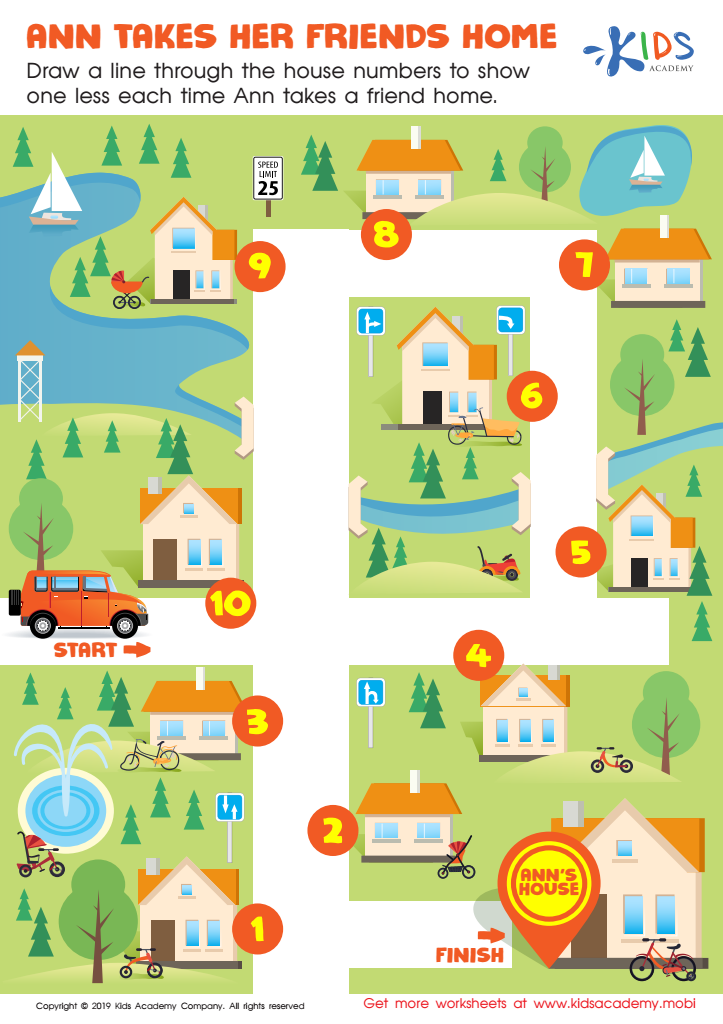
Ann Takes her Friends Home Worksheet








Problem Solving Math for ages 3-7 is crucial for fostering a child's cognitive and emotional development. During these formative years, children increasingly engage in critical thinking, and honing problem-solving skills serves as the foundation for their future academic success and overall life skills.
Parents and teachers should care about integrating problem-solving math into early education because it supports a range of skills, such as logical reasoning, analytical thinking, and perseverance. When children tackle mathematical problems, they learn to approach challenges creatively and develop resilience as they work through difficulties. This process also encourages collaboration and communication skills when they engage in group activities or discussions about their thought processes.
Moreover, problem-solving math often involves real-world applications, making math relevant and exciting for young learners. This relevancy helps sustain their interest and confidence in mathematics, reducing the likelihood of math anxiety as they progress through school. By prioritizing problem-solving strategies in early education, parents and teachers equip children with essential skills that extend beyond mathematics, fostering lifelong learners who can adapt to various challenges in their lives. Overall, investing in problem-solving math nurtures critical thinkers who are prepared to navigate an increasingly complex world.








