
Simplifying Fractions Math Worksheets for Ages 3-7
18 filtered results
Difficulty Level
Grade
Age
-
From - To
Subject
Activity
Standards
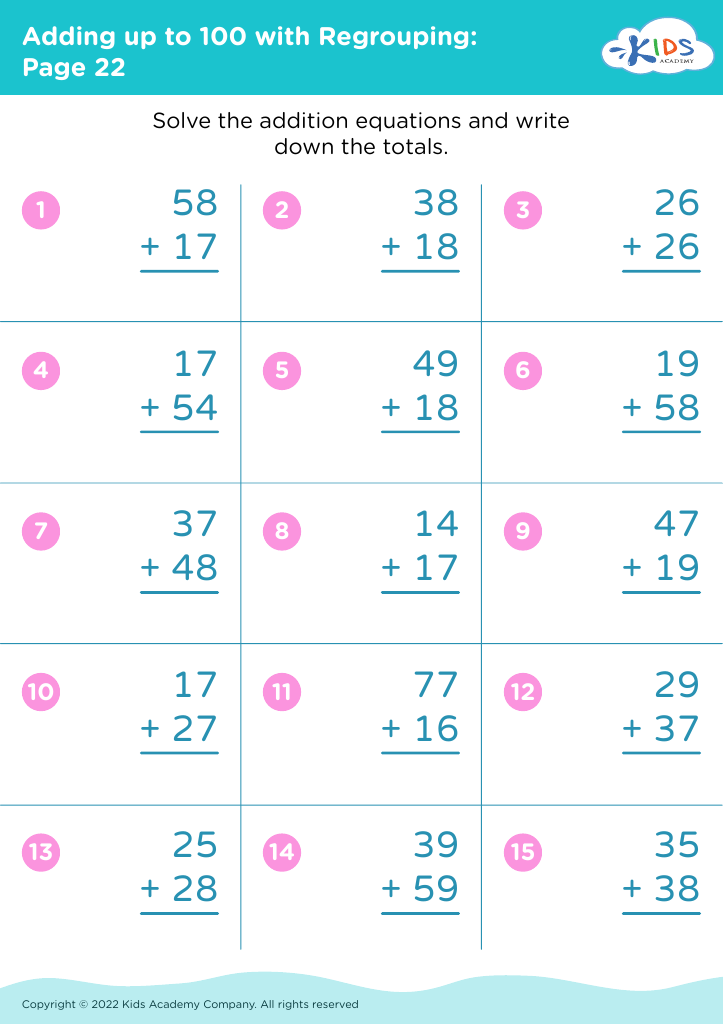
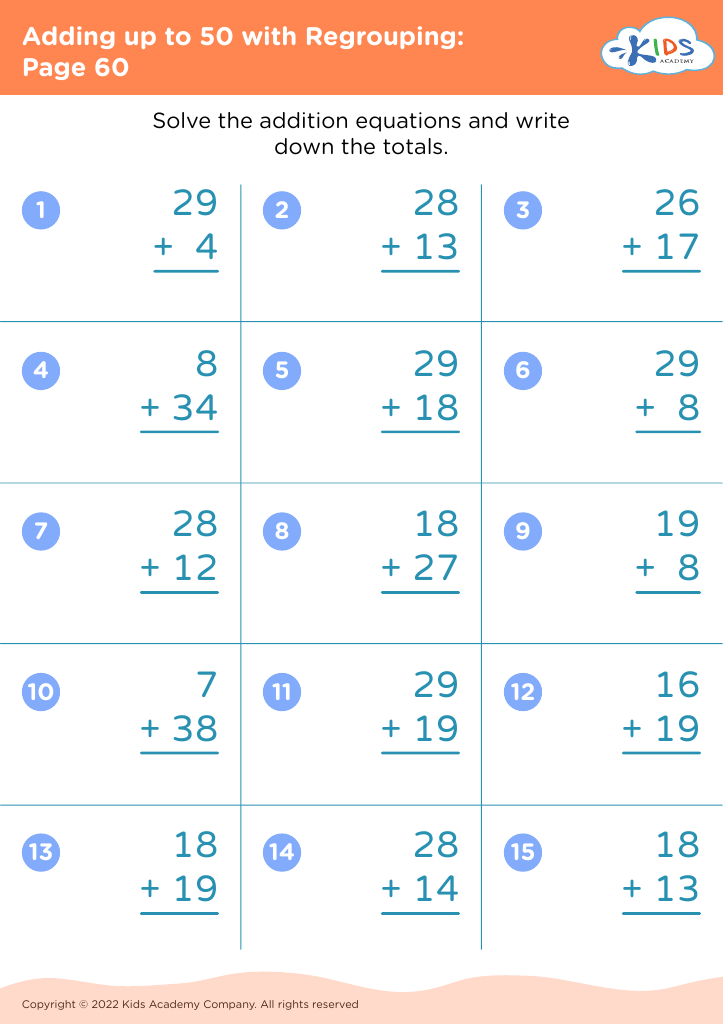
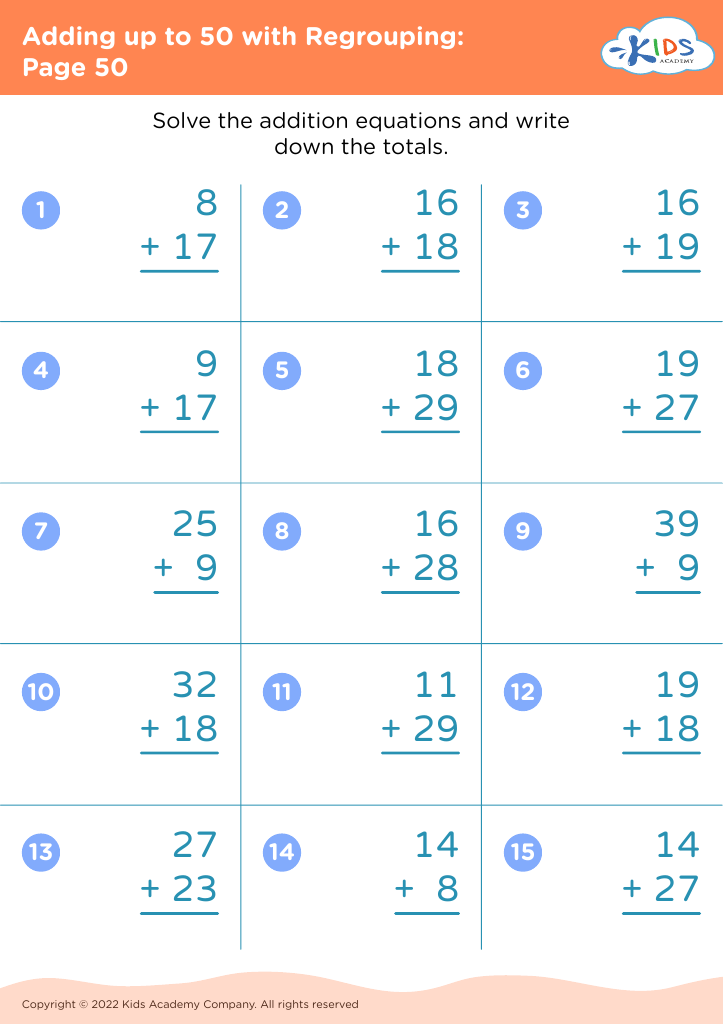
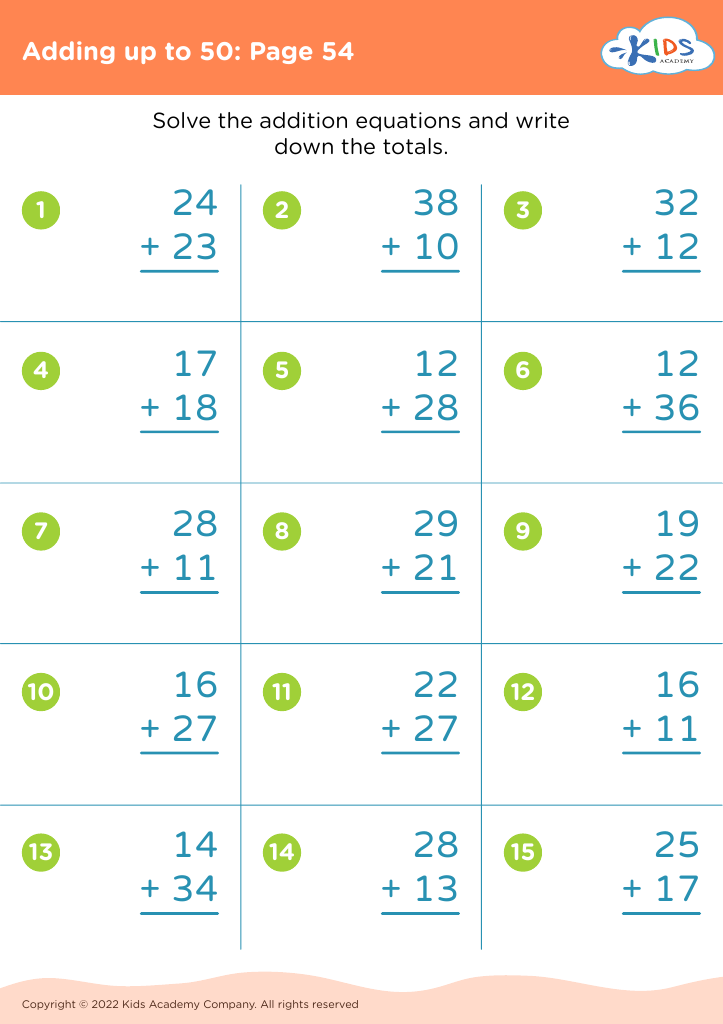
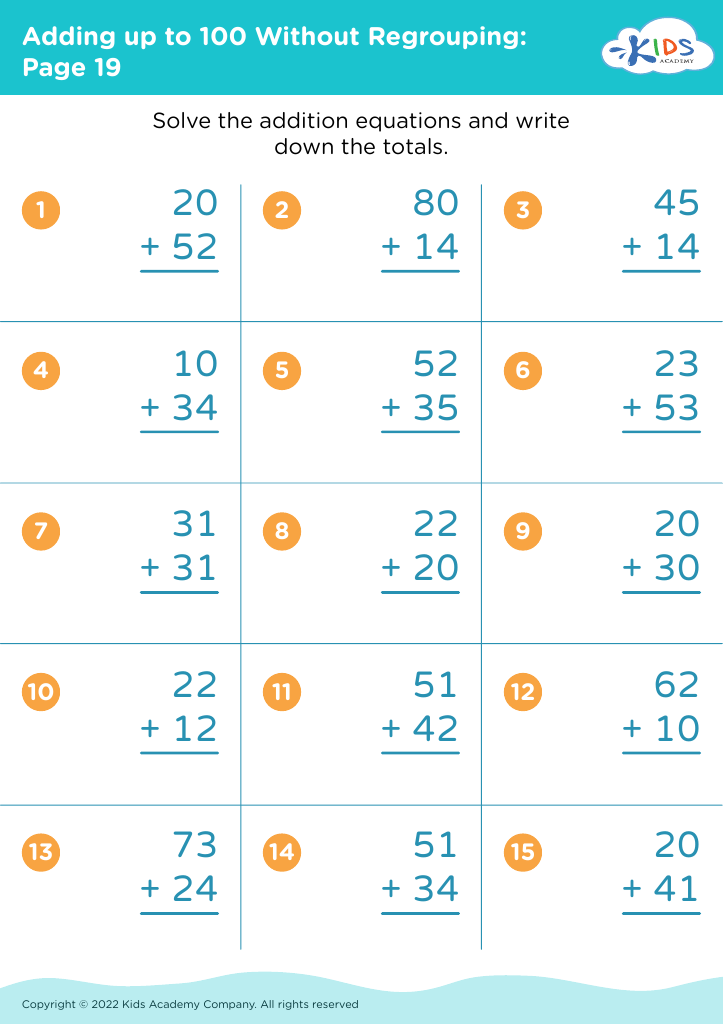
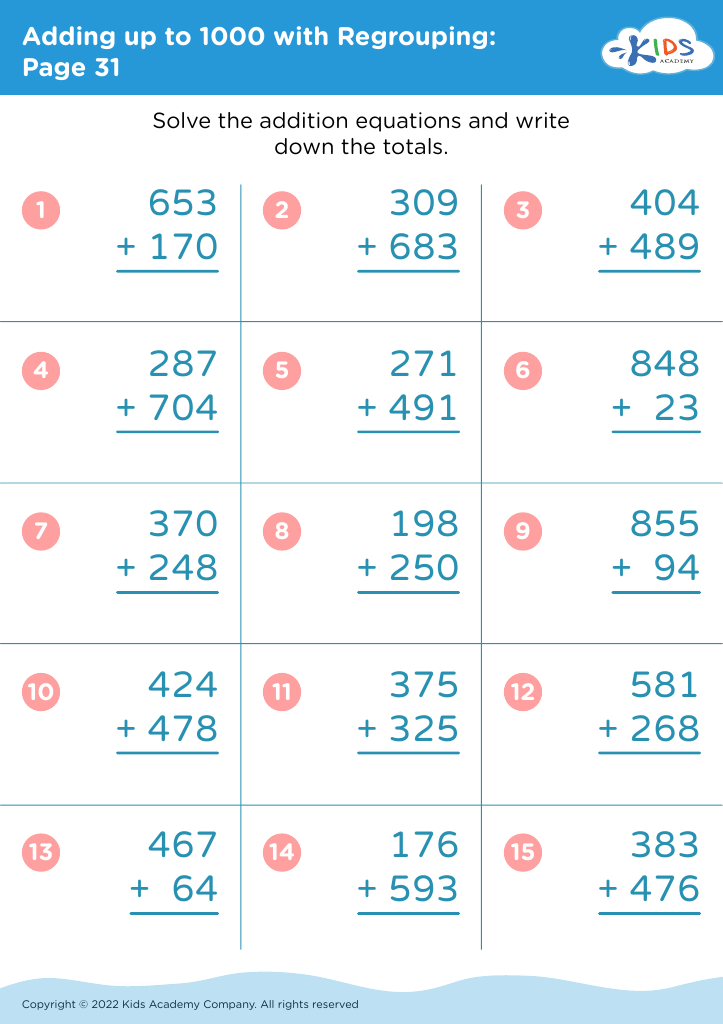
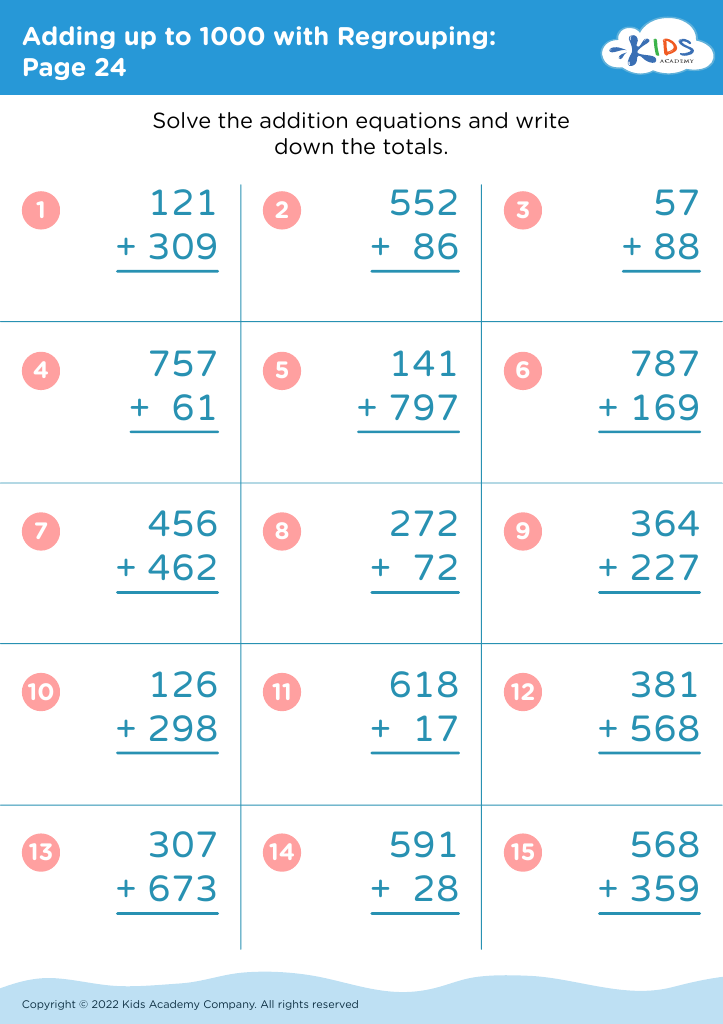
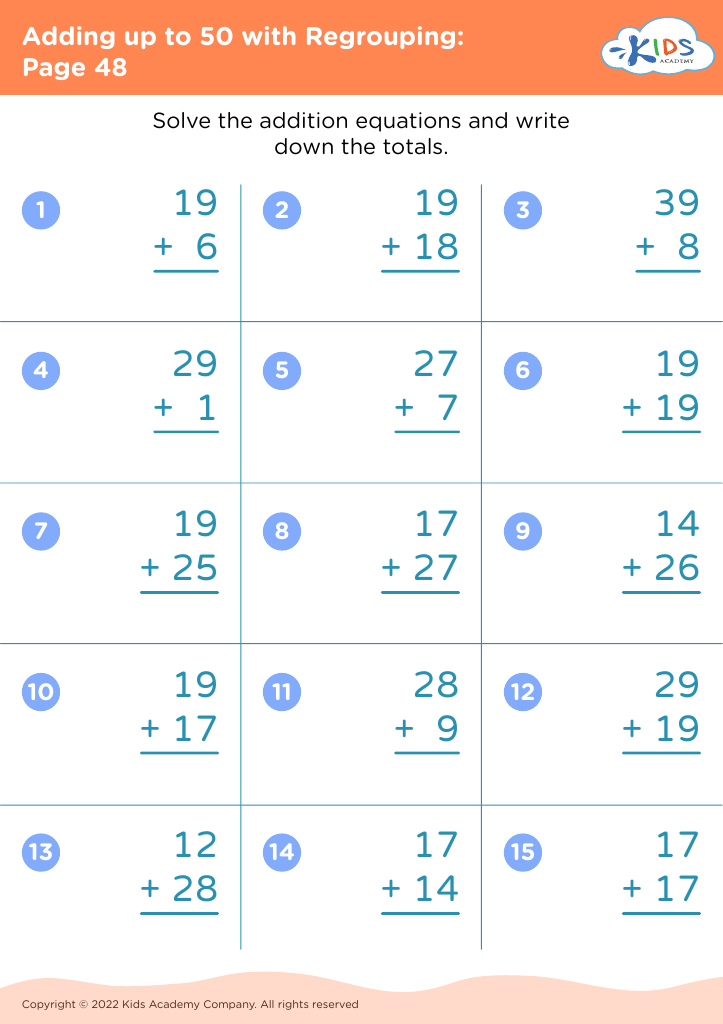
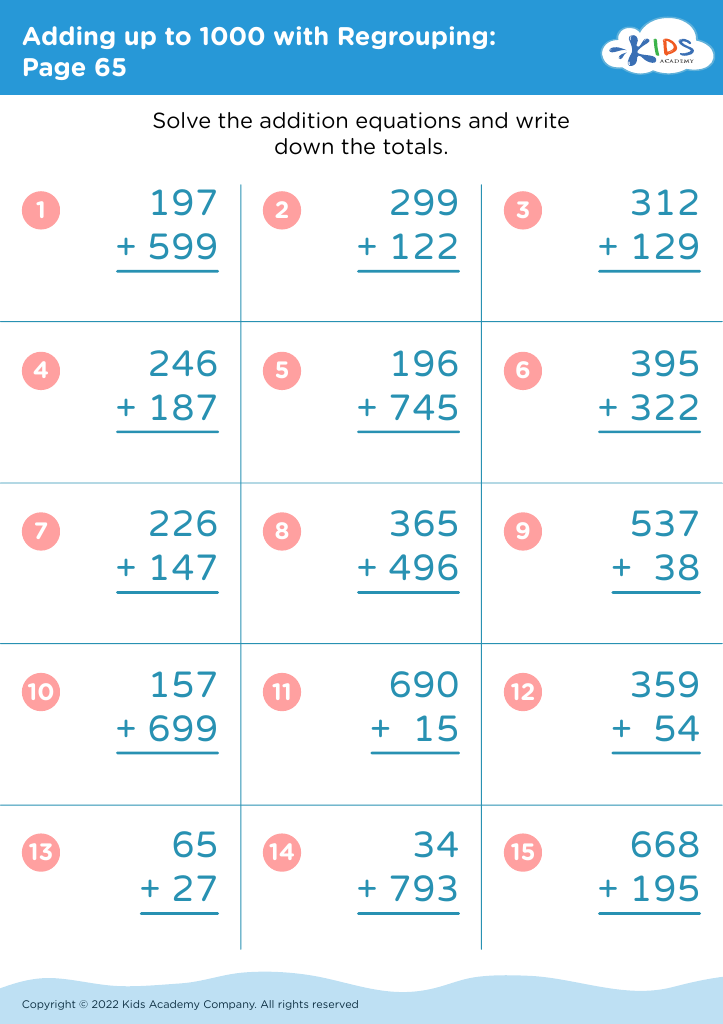
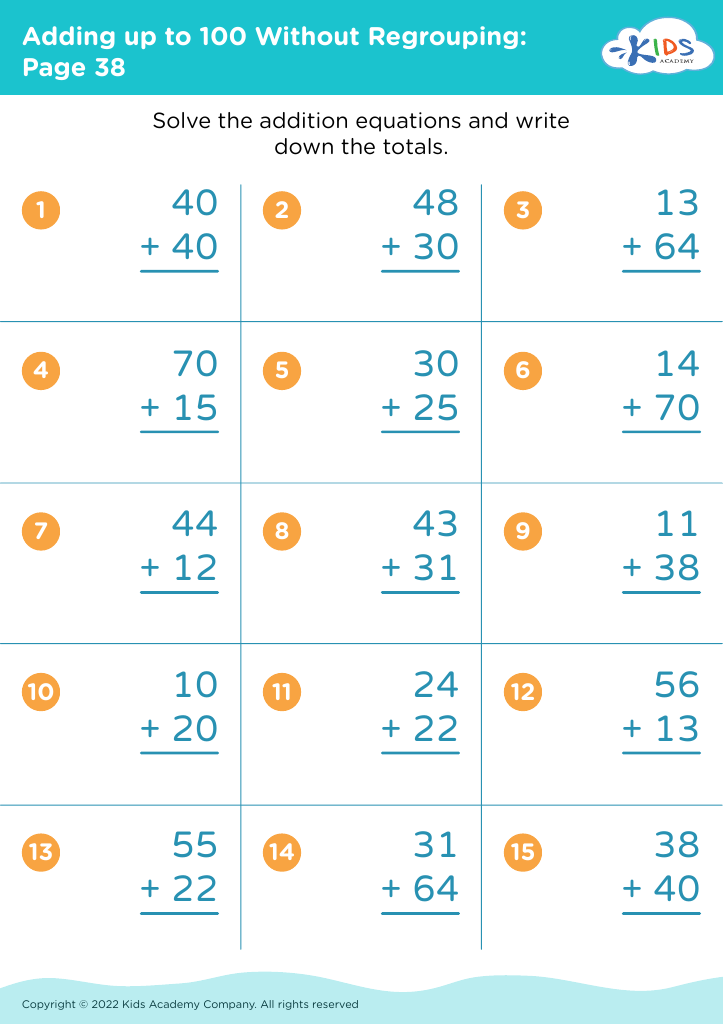
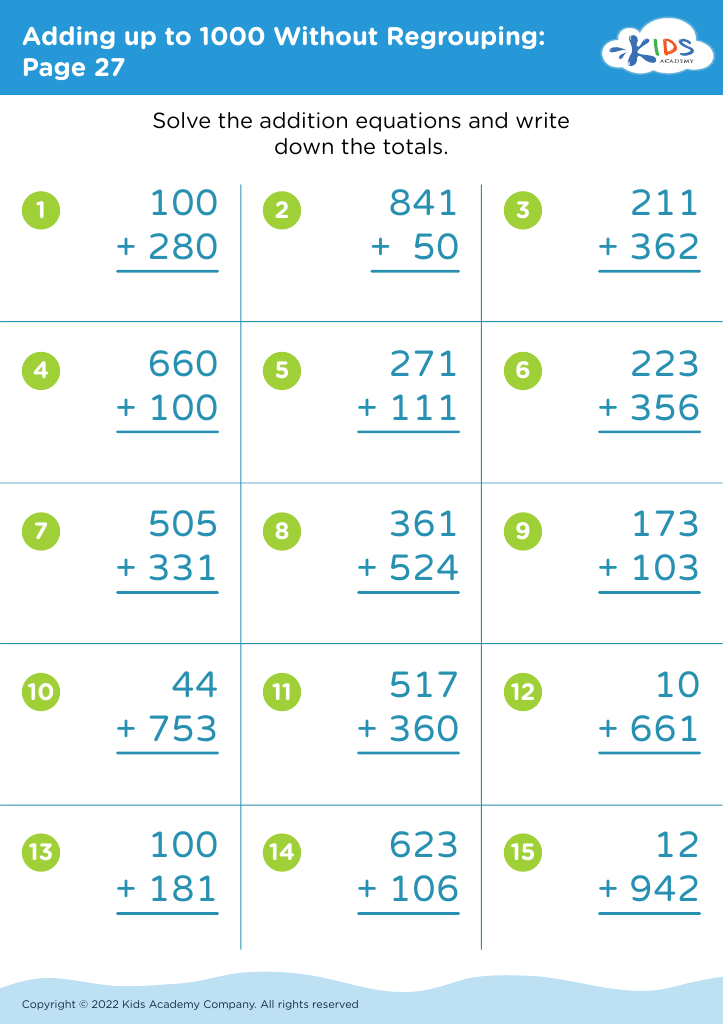
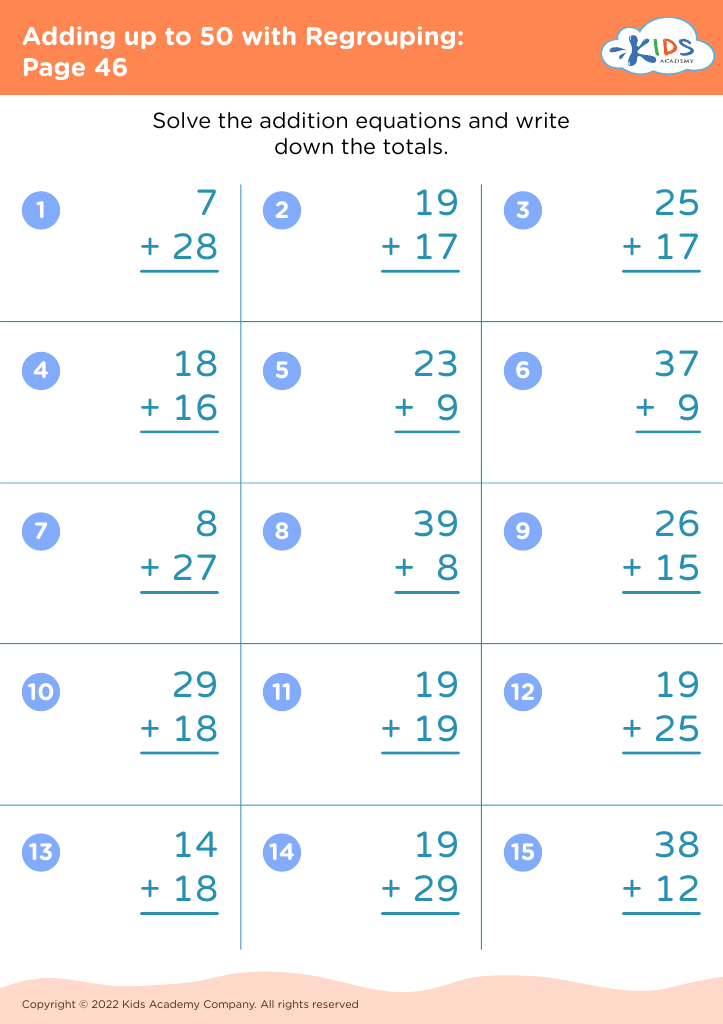
Introduce your child to the basics of fractions with our fun and engaging "Simplifying Fractions Math Worksheets for Ages 3-7"! Tailored specifically for young learners, these worksheets feature colorful visuals and easy-to-follow instructions to make learning enjoyable. Kids will develop foundational math skills by breaking down complex concepts into manageable steps, including fraction recognition, simplification, and comparison. Designed to align with early learning standards, these worksheets will boost your child's confidence and interest in math, setting them on a path to success. Perfect for both classroom activities and at-home practice, these resources are essential for early math education.
Favorites
With answer key
Interactive
Join Kids Academy for Free
Who is primarily going to use this learning content?






.jpg)

Simplifying fractions might seem advanced for children aged 3-7, but building foundational math skills at this age is crucial for their overall cognitive development and future academic success. Early exposure to the concept helps youngsters develop a strong understanding of fractions, which is vital for higher-level math. It teaches them to recognize parts of a whole, which improves their number sense and problem-solving abilities.
By simplifying fractions, children learn to see numbers from a different perspective, enhancing their mental agility. Activities that make use of fractions, such as sharing snacks equally or dividing toys, make learning fun and relatable. This hands-on experience with fractions builds a solid base for understanding more complex mathematical concepts later.
Moreover, simplified fractions help children grasp the idea of equivalence, leading to a better understanding of ratios and proportions. When parents and teachers involve young learners in such activities, it promotes confidence and reduces math anxiety from an early age. Encouraging children to practice simplifying fractions fosters an environment where math is seen as approachable and enjoyable, laying the groundwork for their future academic endeavors. Therefore, taking the time to teach simplified fractions can significantly benefit a child’s long-term mathematical journey and overall cognitive development.








