Spelling practice Math Worksheets for Ages 3-7
9 filtered results
-
From - To
Discover a fun and effective way to enhance your child's spelling skills with our Spelling Practice Math Worksheets, designed specifically for children aged 3-7. These engaging worksheets blend basic math concepts with essential spelling exercises, fostering early literacy while reinforcing numerical understanding. Your little ones will enjoy colorful visuals and interactive activities that make learning both fun and educational. Whether at home or in the classroom, our resources provide a comprehensive approach to developing spelling and math skills simultaneously. Dive into our curated collection and watch your child gain confidence and proficiency in these foundational areas of learning!
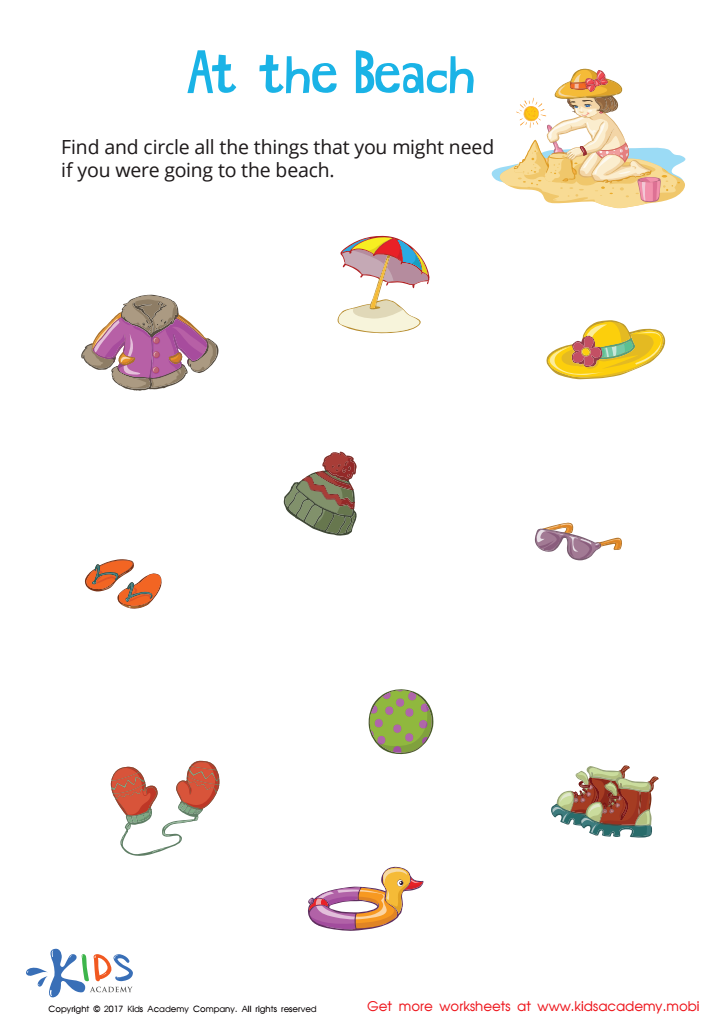
At the Beach Sorting Worksheet
 Assign to My Students
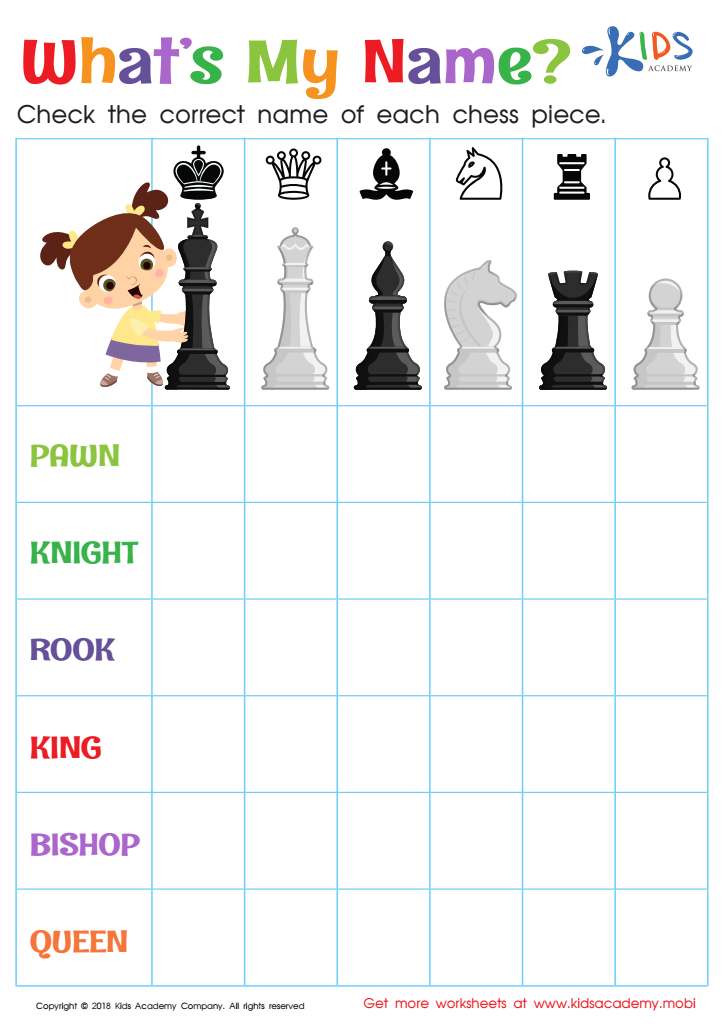
What's My Name? Worksheet
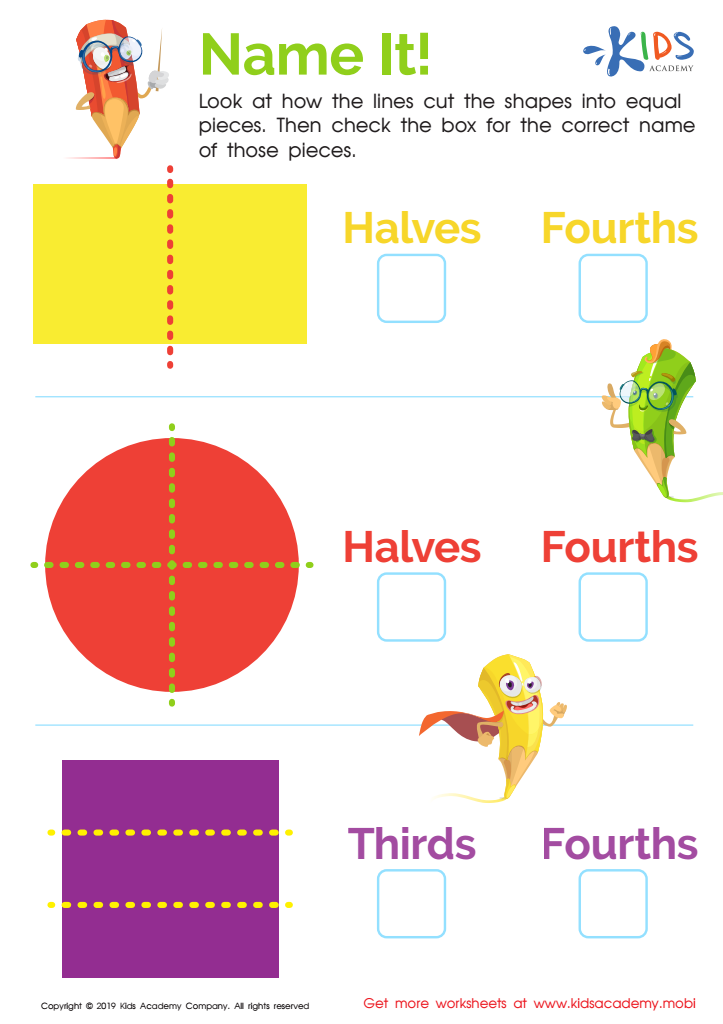
Name It! Worksheet
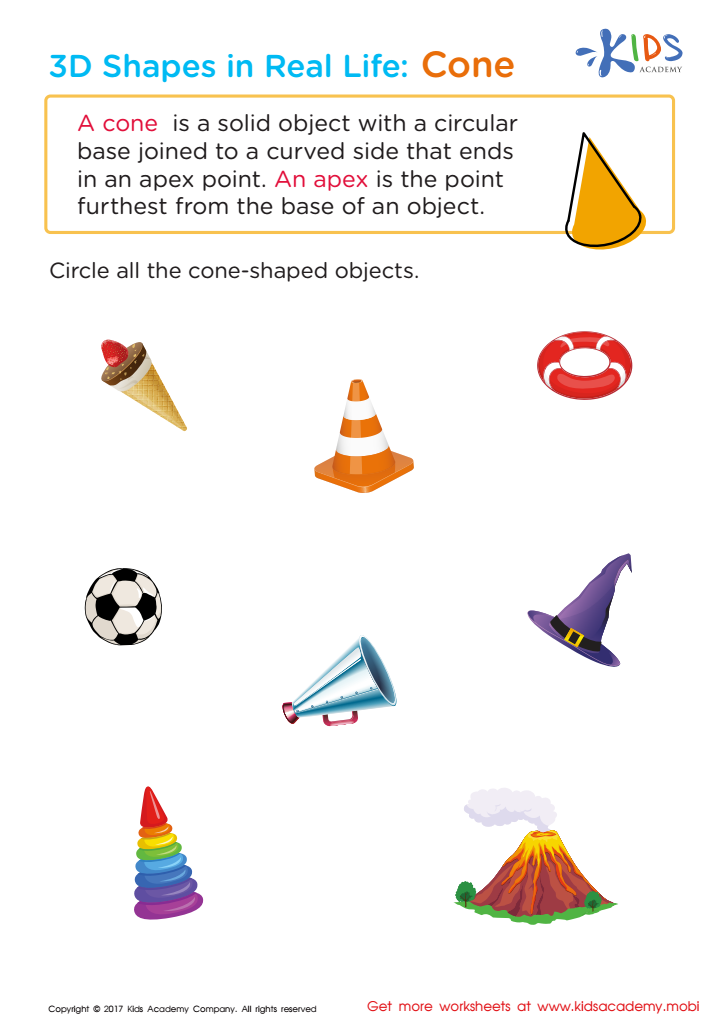
Shapes in Real Life: Cone Worksheet
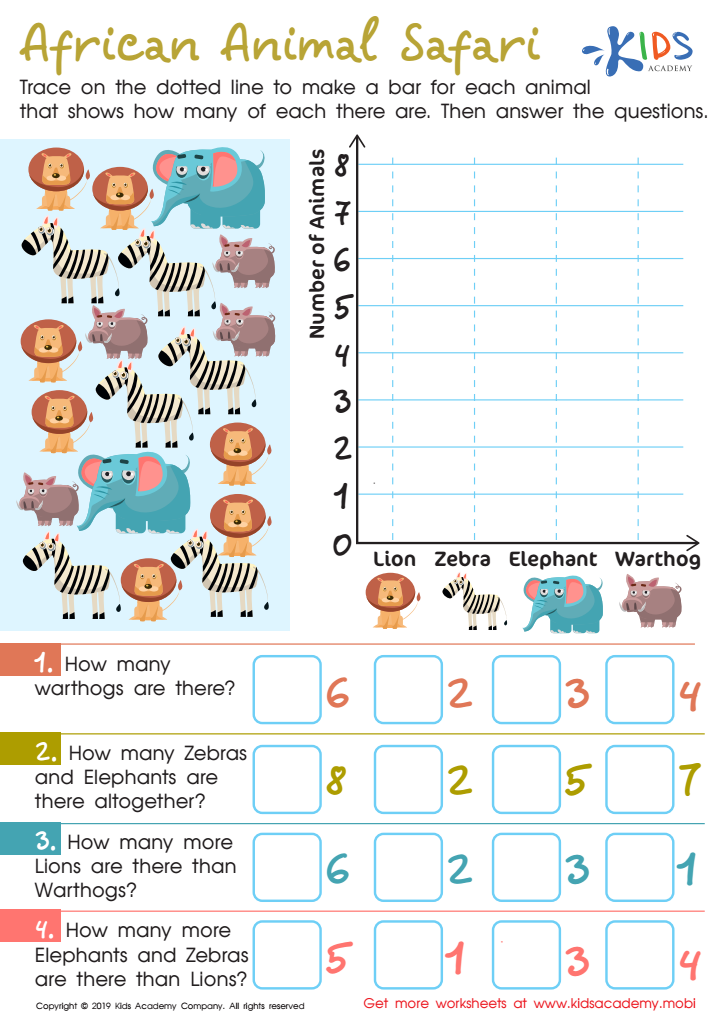
African Animal Safari Worksheet








Spelling practice in mathematics for children aged 3-7 is vital for several reasons. First, it fosters early literacy skills, which are foundational for overall academic success. By engaging young learners in spelling mathematical terms, they not only learn to recognize and spell words like "add," "subtract," "more," and "less," but also become more comfortable using math vocabulary, making them better communicators in this subject.
Moreover, spelling practice helps reinforce the understanding of math concepts. As children spell math words, they associate them with their meanings and operational uses, which enhances both reading comprehension and mathematical thinking. This dual focus on language and math aids in developing cognitive connections that support learning.
Additionally, mastering spelling in the context of math sets the stage for increased confidence in classroom participation and assessments. Children who can accurately spell mathematical terminology are often more willing to engage in math discussions and problem-solving activities.
Finally, it provides an opportunity for parental and teacher involvement. Educational activities, such as spelling games or discussions about math terms, flesh out learning experiences and strengthen the bond between children, parents, and educators. Ultimately, emphasizing spelling in math helps young learners build a strong, integrated foundation for their future educational journeys.








