Number Sequencing Matching Worksheets for Ages 3-7
3 filtered results
-
From - To
Discover the joy of learning with our Number Sequencing Matching Worksheets for ages 3-7! These engaging, printable worksheets are designed to help young learners develop critical math skills through fun, interactive activities. Encouraging children to match and sequence numbers, our worksheets promote essential early learning skills such as number recognition, pattern identification, and logical thinking. Perfect for preschoolers and early elementary students, these resources make mastering numbers an exciting adventure. Download today and watch your child’s confidence blossom as they unravel the mysteries of numerical order while having a great time!
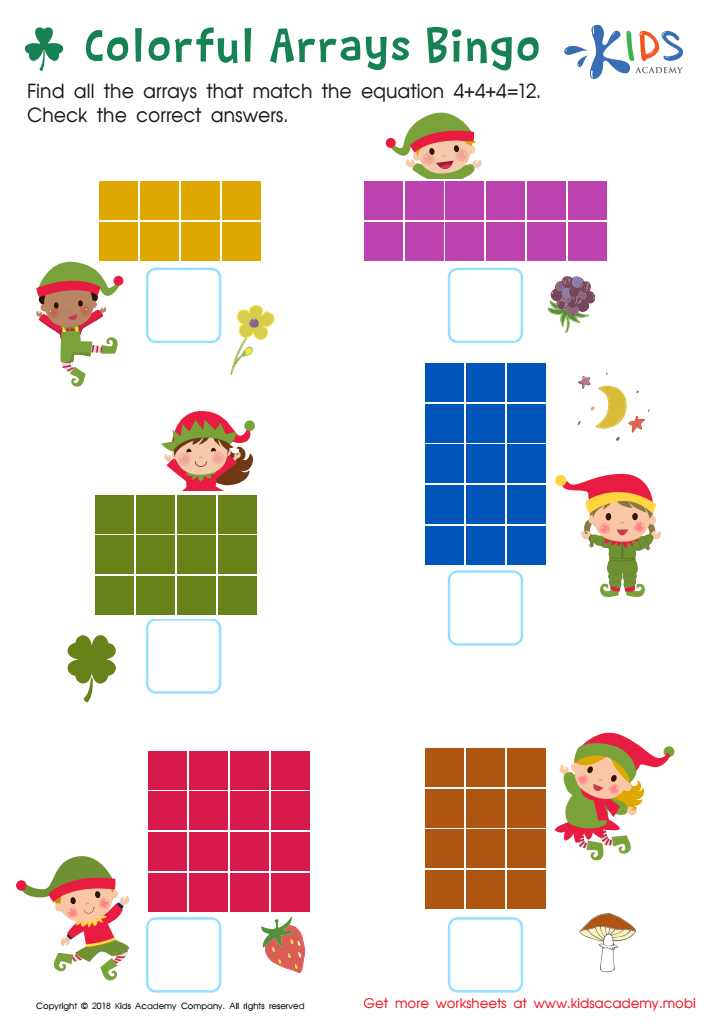
Colorful Arrays Bingo Worksheet
 Assign to My Students
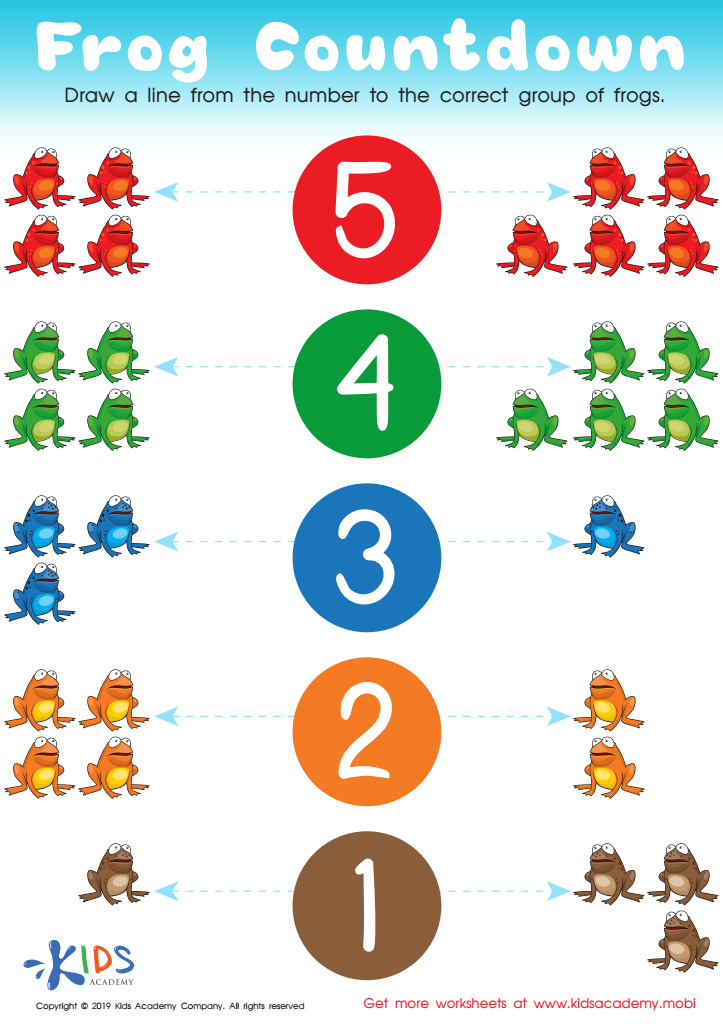
Frog Countdown Worksheet
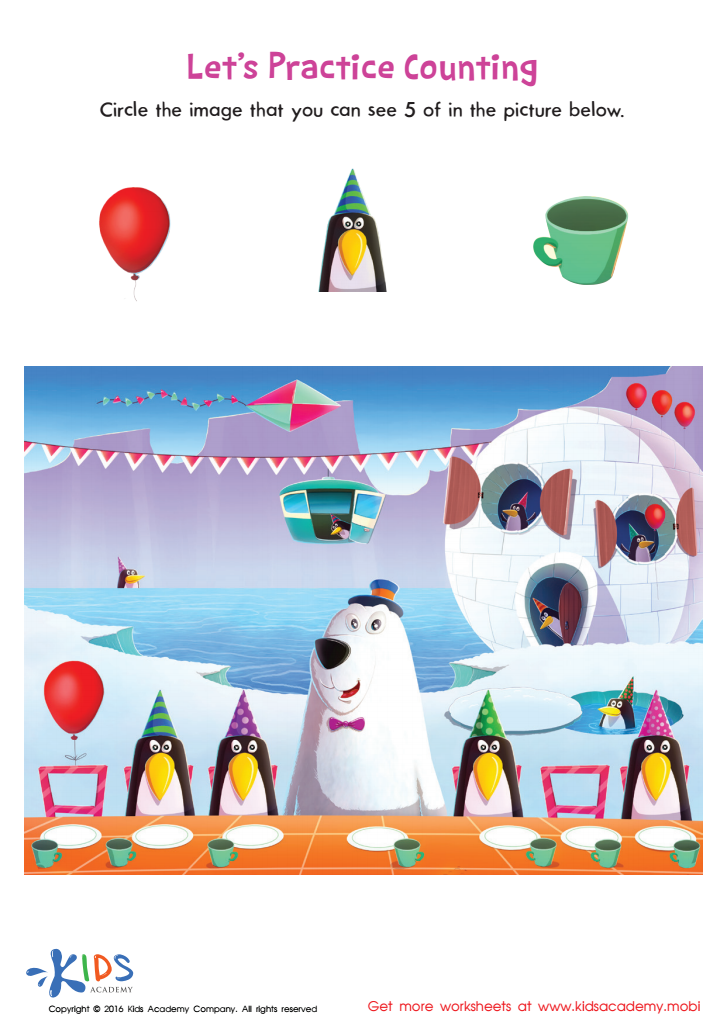
Counting Worksheet: Let's Practice Counting







Number sequencing matching is a critical foundational skill for children ages 3-7, serving as a building block for their mathematical development. At this early age, children are developing their cognitive abilities and understanding of numerical concepts. Engaging them in number sequencing matching activities helps reinforce these concepts in a way that's both fun and educational.
First, number sequencing fosters number recognition, teaching children to identify and differentiate between individual numbers. This fundamental skill precedes all future mathematical learning. Secondly, sequencing nurtures logical thinking and pattern recognition. By observing and identifying patterns within number sequences, children enhance their critical thinking skills, which are essential for problem-solving in diverse contexts.
Additionally, these activities assist in developing fine motor skills, as children often manipulate cards or objects to arrange numbers in the correct order. This physical interaction with learning materials deepens their understanding and retention of numerical order and relationships.
For teachers and parents, emphasizing number sequencing matching also builds a strong mathematical foundation, making the transition to more complex math topics smoother and less intimidating. Fostered from a young age, these skills cultivate confidence and positive attitudes toward math, setting the stage for future academic success. Engaging in these early mathematical exercises, therefore, supports holistic cognitive development, ensuring that children are well-prepared for their educational journeys.








