Visual discrimination Matching Worksheets for Ages 3-7
3 filtered results
-
From - To
Discover our Visual Discrimination Matching Worksheets designed specifically for ages 3-7! These engaging printables help young learners enhance their visual perception skills by identifying and matching shapes, patterns, and colors. Perfect for at-home practice or classroom use, each worksheet presents fun and educational activities that boost cognitive development and attention to detail. Our worksheets support early childhood learning while providing endless hours of productive play. Visit us at Kids Academy to download and print these essential learning tools to give your child the foundation they need for future academic success.
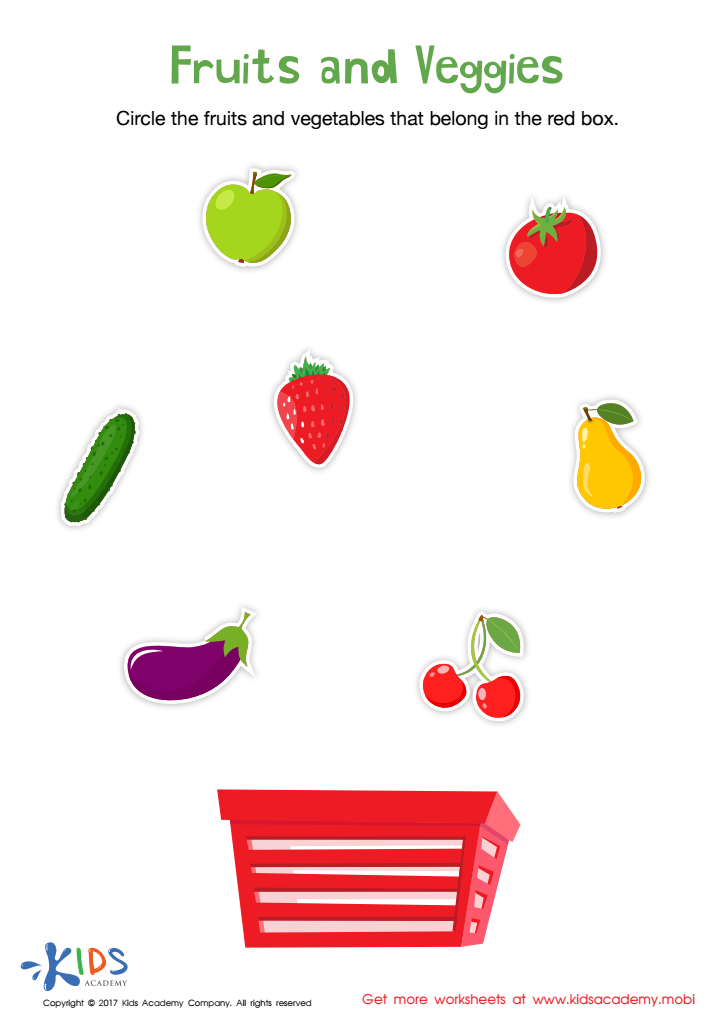
 Assign to My Students
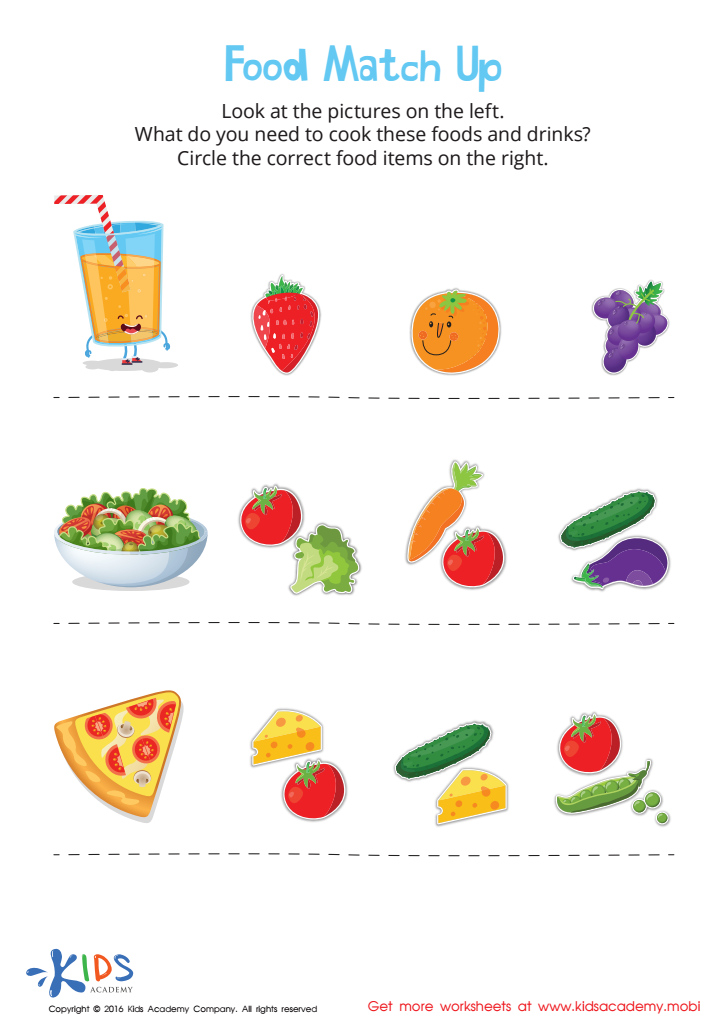
Food Match Up Worksheet
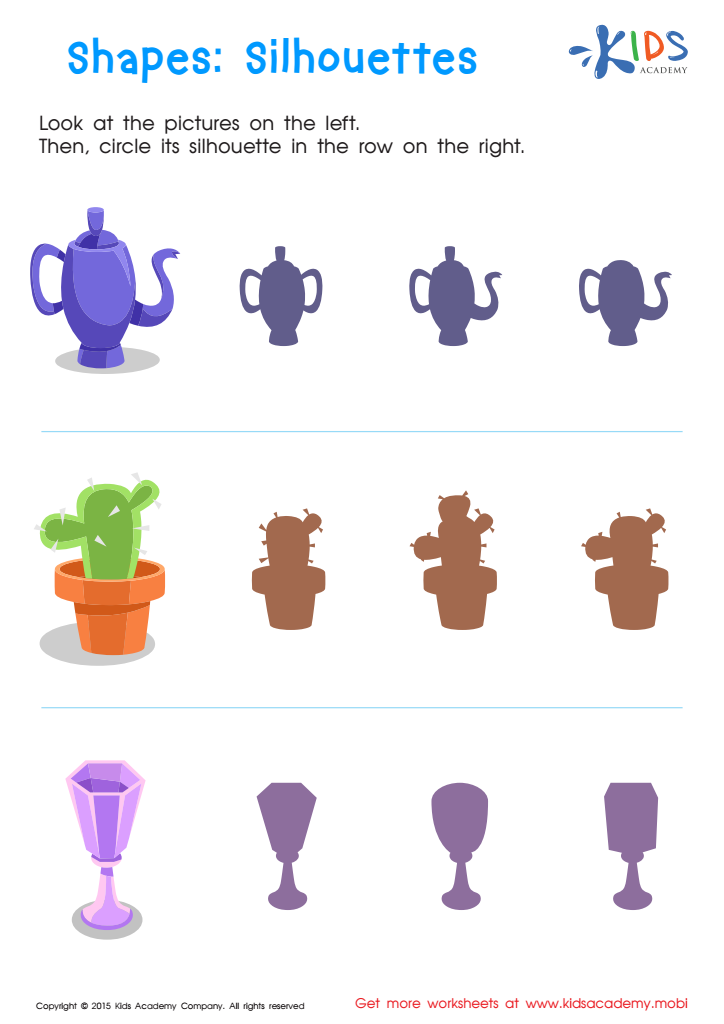
Silhouettes – Shapes Worksheet








Visual discrimination matching is a foundational cognitive skill essential for early childhood development, particularly between the ages of 3 and 7. At this stage, children are rapidly developing their ability to recognize, compare, and differentiate between various visual stimuli, such as shapes, colors, letters, and numbers.
When parents and teachers focus on enhancing visual discrimination skills, they lay the groundwork for successful reading and writing. For instance, distinguishing between similar letters like "b" and "d" or numbers like "6" and "9" is critical for literacy and numeracy. Children who struggle in these areas may find it challenging to learn to read, spell, or perform basic math.
Besides academic benefits, visual discrimination matching also fosters higher-order thinking and problem-solving skills. By engaging in activities that require them to observe minute details and establish similarities or differences, children hone their attention to detail, concentration, and memory.
Moreover, improving these skills promotes confidence and independence. Children become more competent in everyday tasks like identifying objects, navigating spaces, and understanding visual information from their surroundings.
In summary, prioritizing visual discrimination matching exercises ensures a well-rounded cognitive development, equipping children with the essential skills they'll need for more advanced learning and everyday activities. This practice not only fosters academic achievement but also contributes to overall growth and development.








