Visual perception Numbers up to 100 Worksheets for Ages 3-7
4 filtered results
Difficulty Level
Grade
Age
-
From - To
Subject
Activity
Standards
Enhance your child's learning experience with our "Visual Perception: Numbers up to 100 Worksheets" designed for ages 3-7. These engaging worksheets help young learners develop essential visual perception skills, crucial for mastering numbers and mathematical concepts. With colorful visuals and interactive activities, kids can easily recognize and understand numbers up to 100. Perfect for homeschooling or classroom use, these worksheets are tailored to captivate children's attention while promoting cognitive growth. Equip your child with the tools they need for success in math, laying a strong foundation in visual awareness and numerical understanding. Explore our collection today and watch your child thrive!
Favorites
With answer key
Interactive
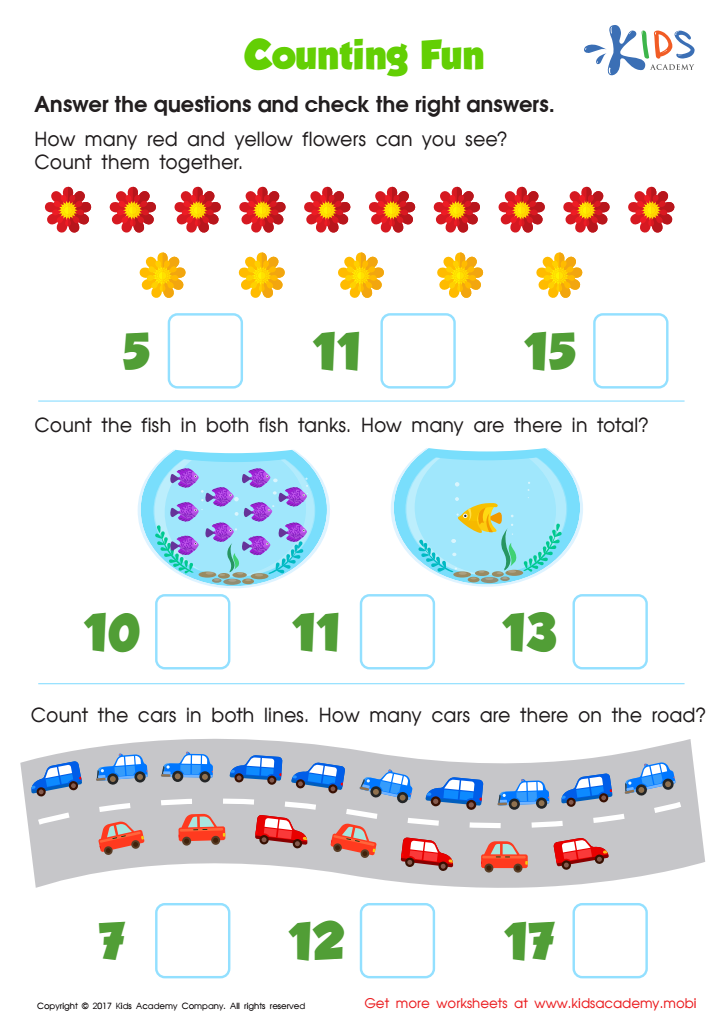
Counting Fun Worksheet
Math and fun can go hand-in-hand with this free PDF worksheet! Bright, colourful illustrations will activate your child's brain, as they count the red and yellow flowers. How many can you see? Count together and write down the total. Make learning and counting fun for your little ones!
 Assign to My Students
Counting Fun Worksheet
Worksheet
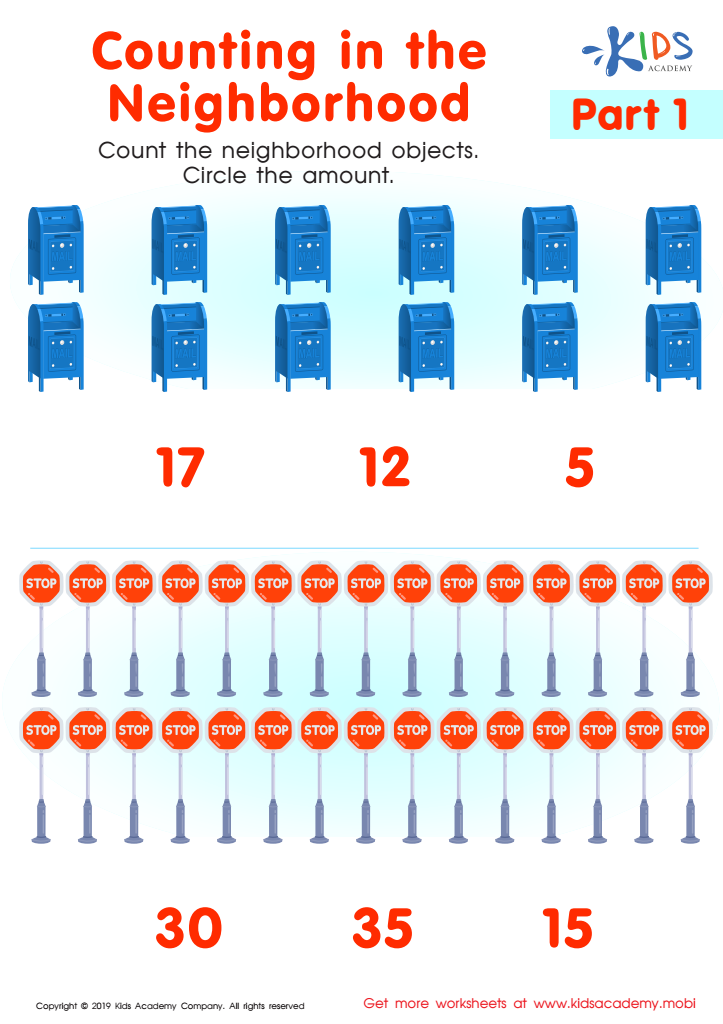
Counting in the Neighborhood Part1 Worksheet
Counting using one-to-one representation is a great way to develop a child's number sense. Use objects, pictures and images to help counting beyond the fingers. This worksheet uses everyday objects to practice counting. It encourages children to find the correct number and count forward. Give it a try!
Counting in the Neighborhood Part1 Worksheet
Worksheet
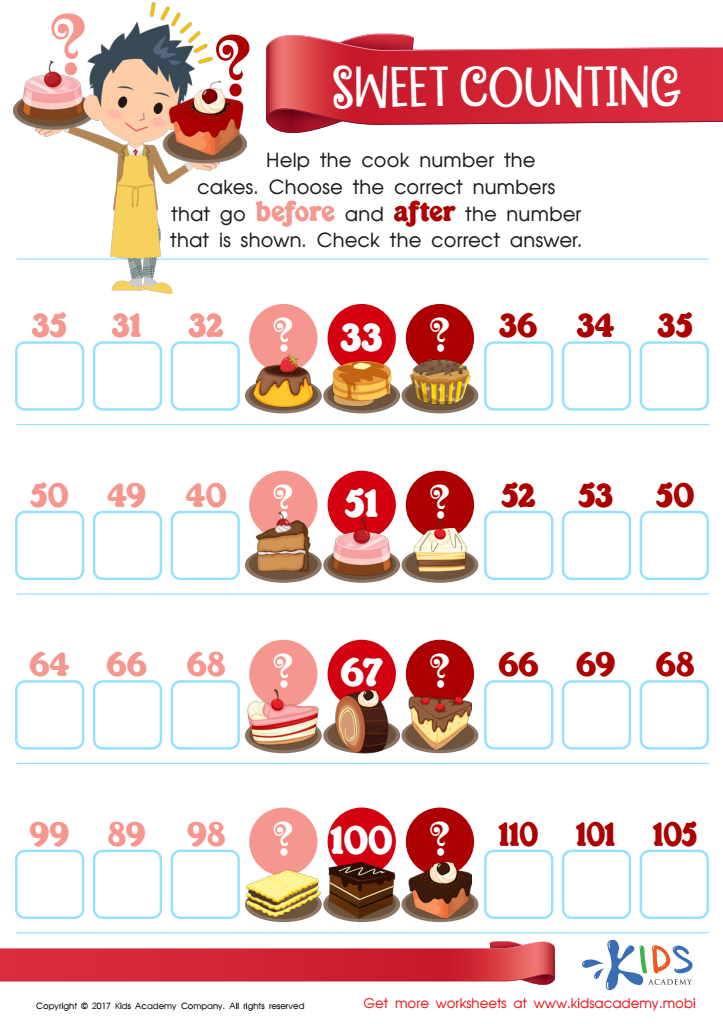
Sweet Counting - Part 1 Worksheet
Help your child learn numbers by counting cakes! Download this fun worksheet and have them fill in the numbers missing in the line of cakes. They'll have fun helping the cook and be learning at the same time!
Sweet Counting - Part 1 Worksheet
Worksheet
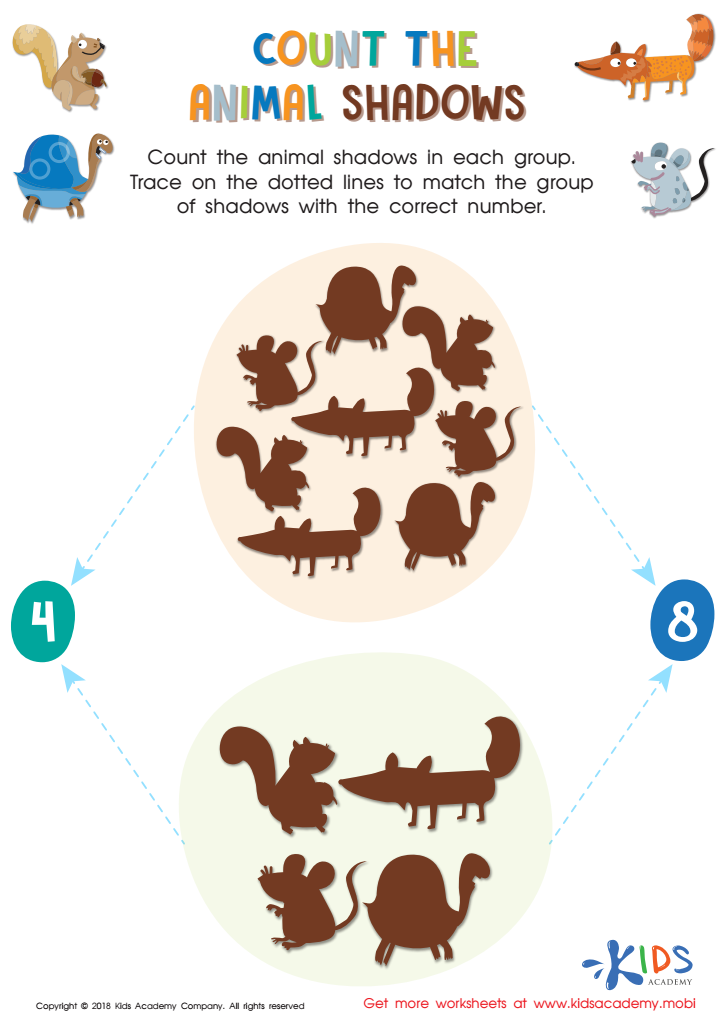
Count the Animal Shadows Worksheet
Our shadows accompany us wherever we go. Even your kids have seen theirs! Did they know that animals have shadows too? Count the animal shadows in each group with this worksheet. Ask your child to identify the animals pictured, then help them trace the dotted lines to match with the right number.
Count the Animal Shadows Worksheet
Worksheet
Join Kids Academy for Free
Who is primarily going to use this learning content?





%20(1).jpg)

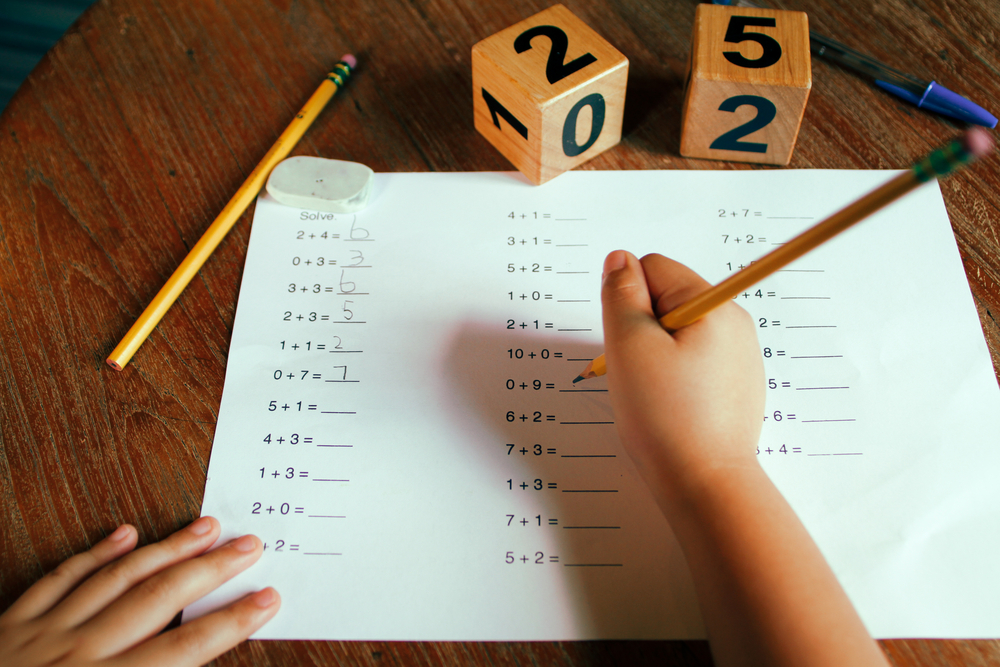
Visual perception plays an essential role in the cognitive development of young children, particularly for those aged 3-7. This foundational skill aids in their ability to interpret, organize, and analyze visual information, which is crucial for understanding numbers up to 100. Parents and teachers should care about enhancing visual perception because it directly influences a child's ability to recognize, compare, and manipulate numbers effectively.
As children engage with numbers, strong visual perception helps them discern patterns, sequences, and spatial relationships, all of which contribute to mathematical reasoning. Improved visual skills can enhance activities such as counting objects, grouping numbers, and understanding quantity, which are vital for later arithmetic skills.
Furthermore, developing visual perception early on can assist in reducing confusion with similar-looking numbers, such as 6 and 9. When parents and educators prioritize visual perception activities—like puzzles, matching games, and number recognition exercises—it not only fosters strong math skills but also boosts confidence and enjoyment in learning. This early groundwork lays the foundation for future academic success, equipping children with essential tools to navigate more complex mathematical concepts later on. Ultimately, a focus on visual perception is a proactive step to ensuring a child's overall mathematical literacy.