Counting skills Place Value Worksheets for Ages 3-7
8 filtered results
-
From - To
Enhance your child's counting skills and understanding of place value with our engaging worksheets designed for ages 3-7. These interactive resources introduce foundational math concepts through fun activities tailored to young learners. Our colorful and visually appealing worksheets help children recognize numbers, compare values, and develop essential counting strategies. Perfect for home or classroom use, these resources ensure that kids build confidence in their math abilities while enjoying the learning process. Foster a strong mathematical foundation and ignite a love for numbers with our comprehensive collection of counting skills and place value worksheets today! Download and get started on a fun learning adventure!
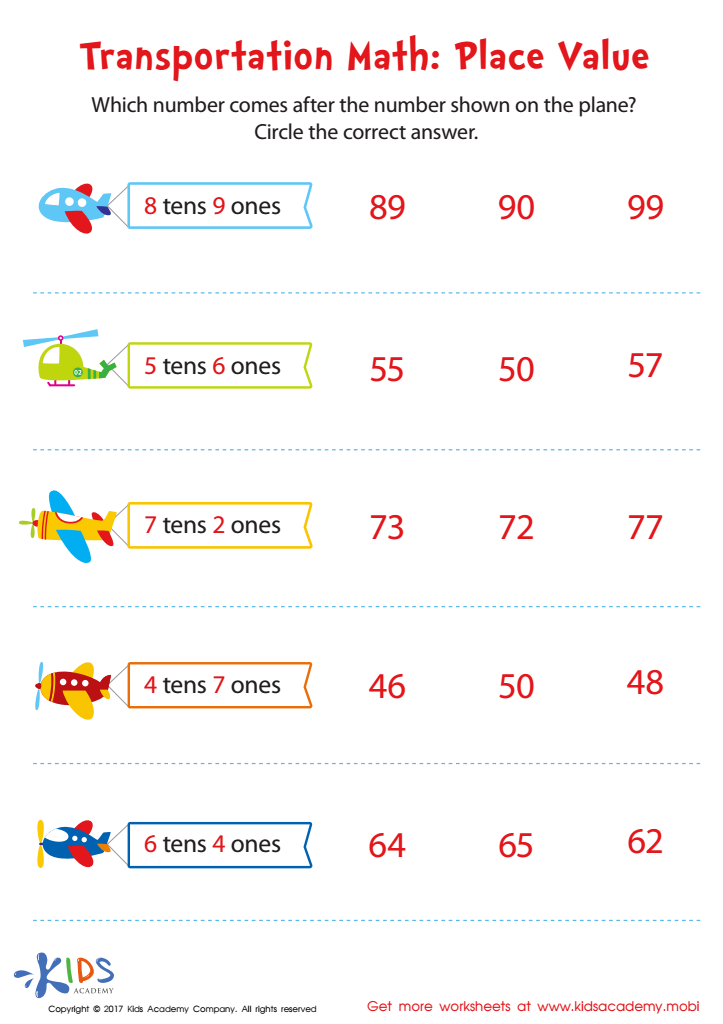
Transportation Math Printable
 Assign to My Students
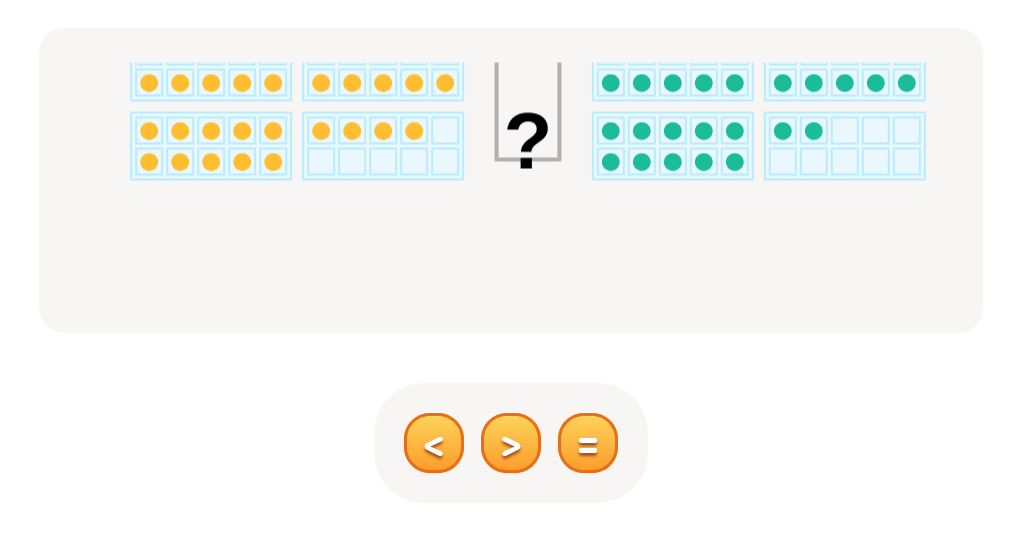

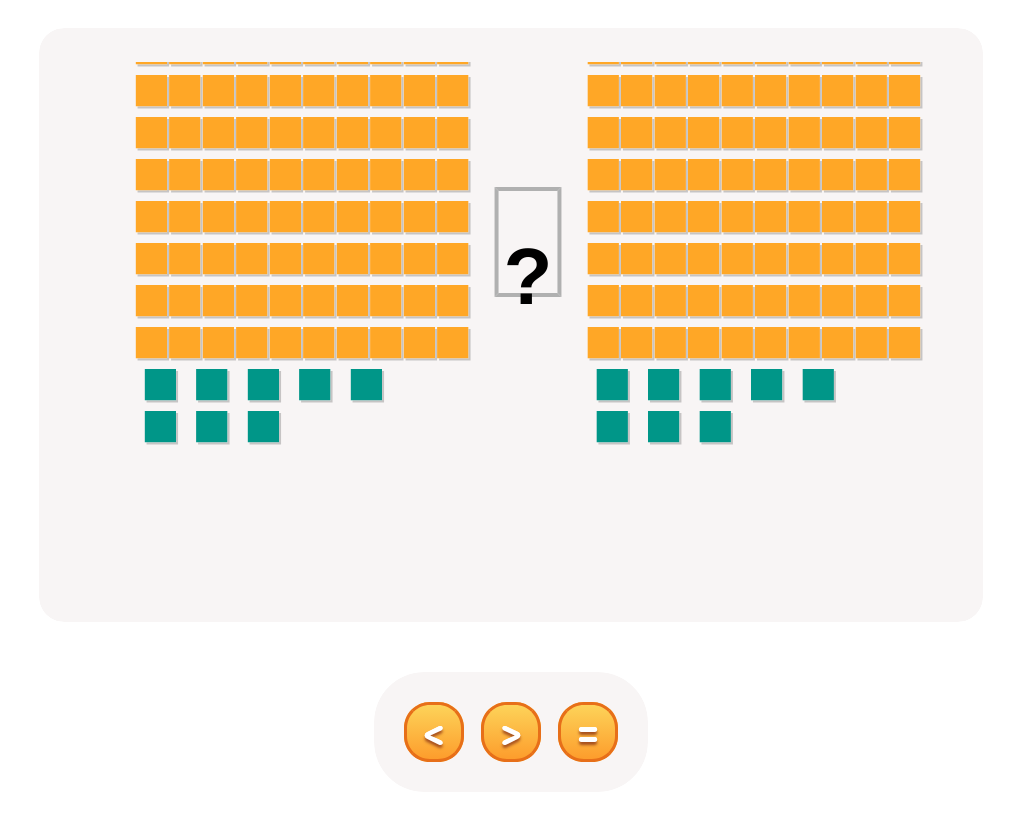
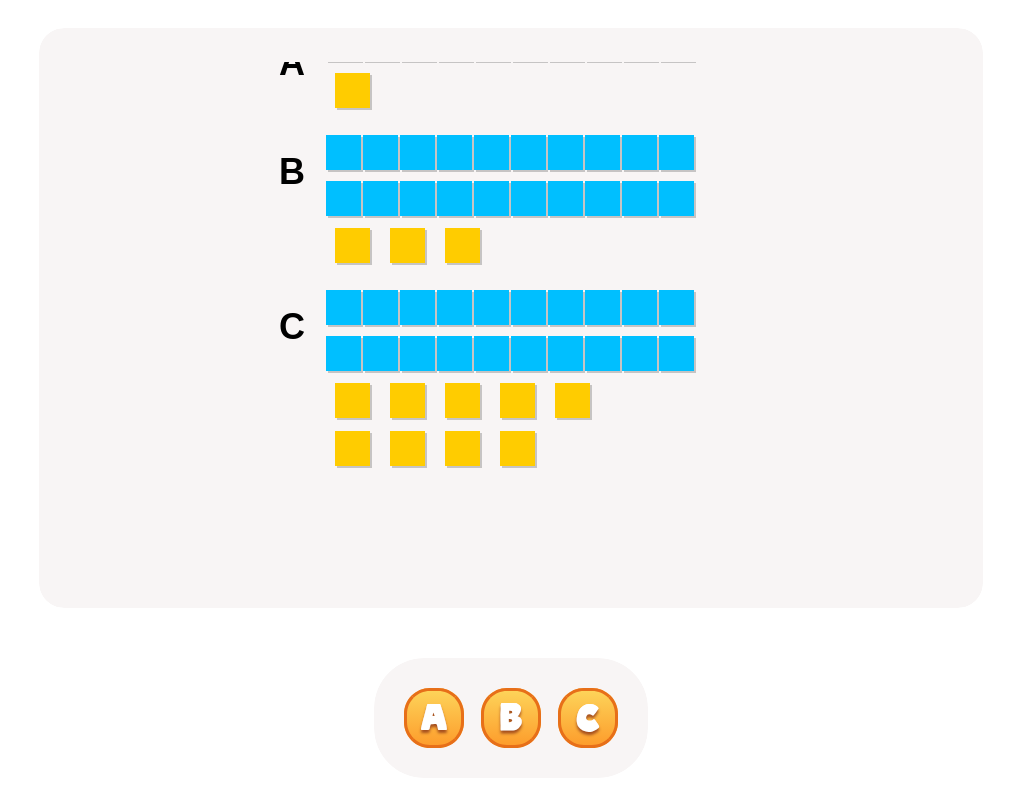
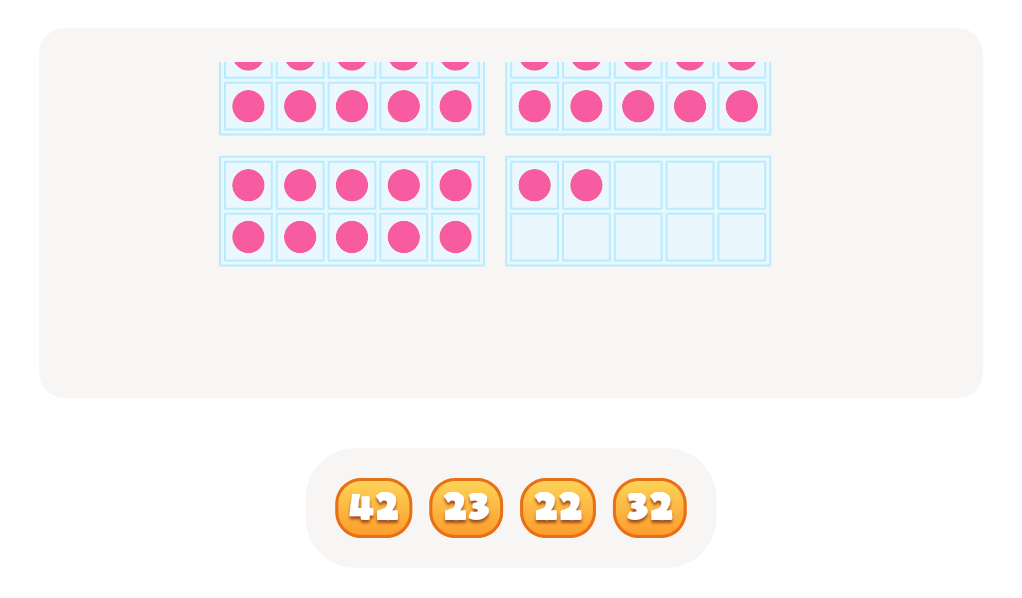
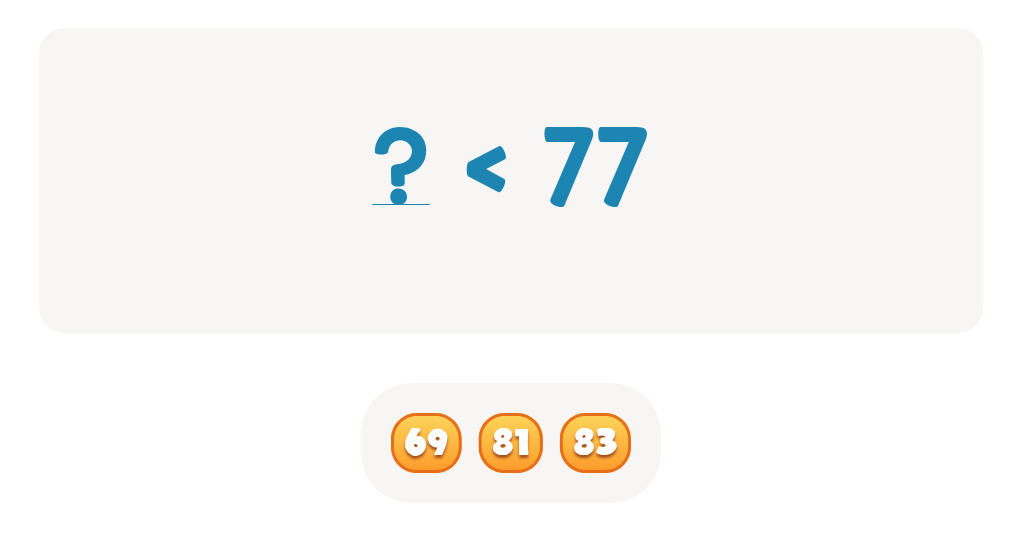
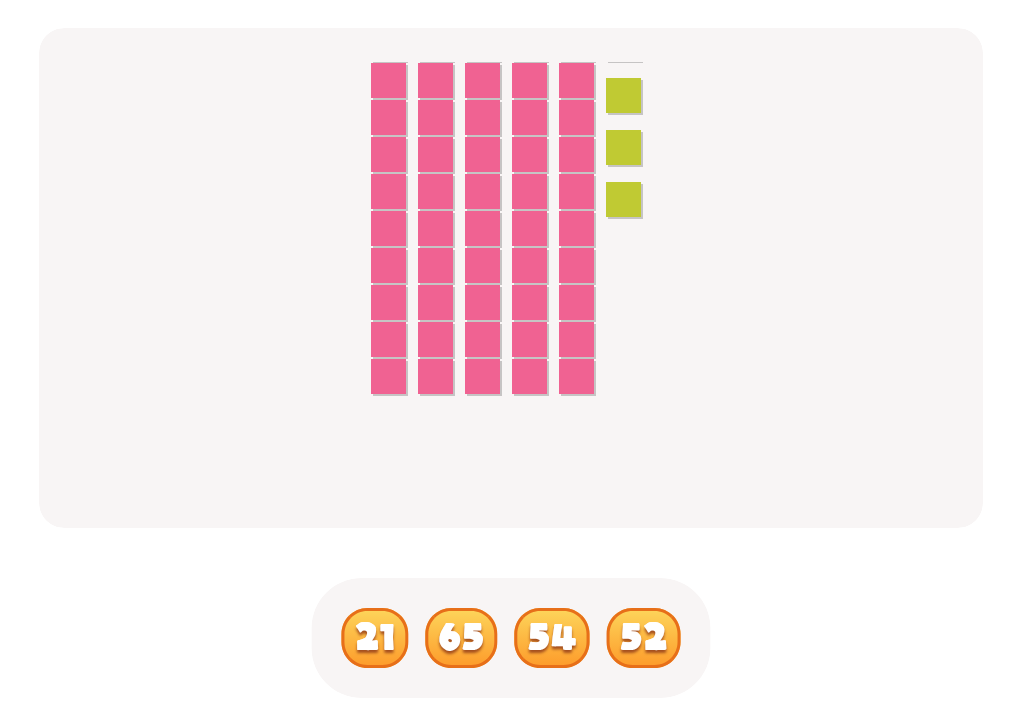
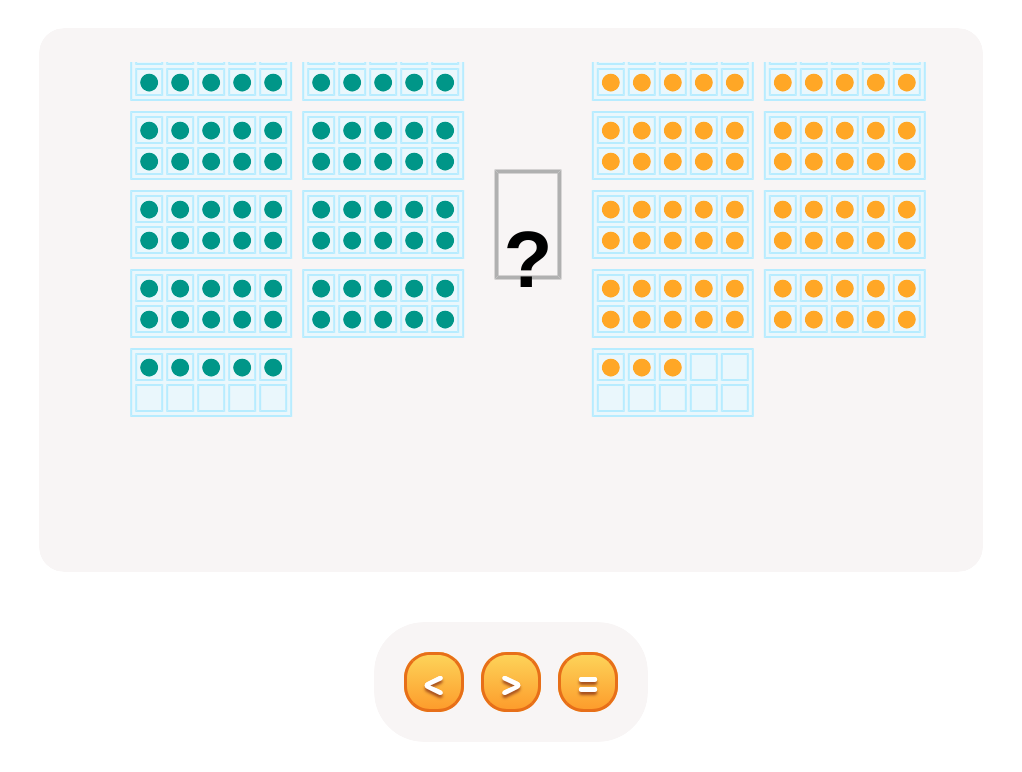
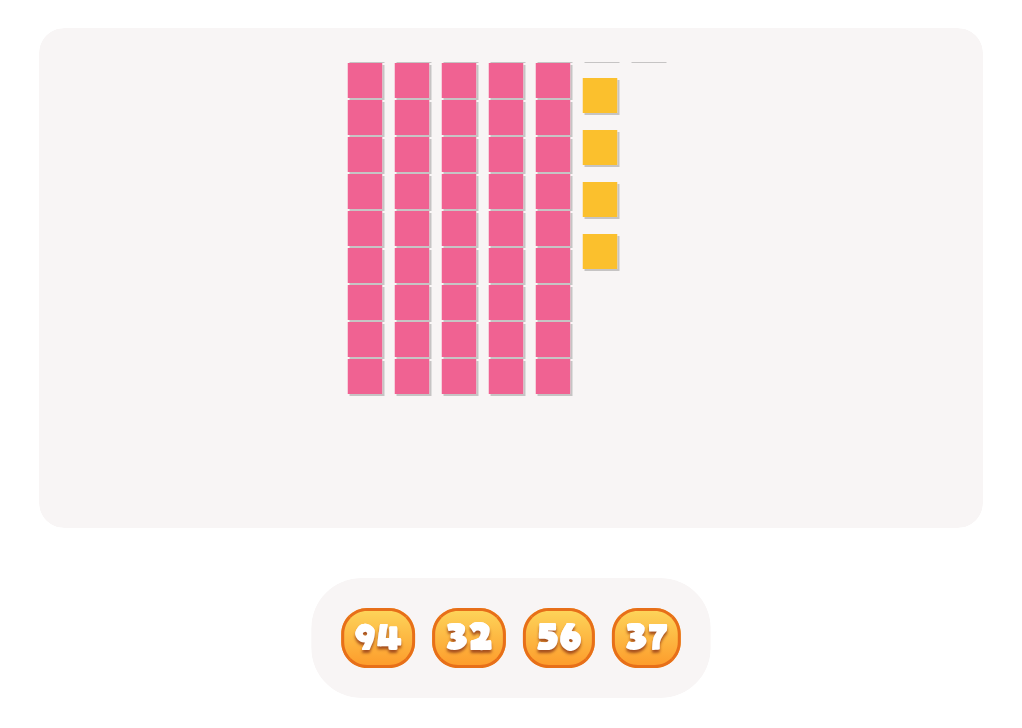
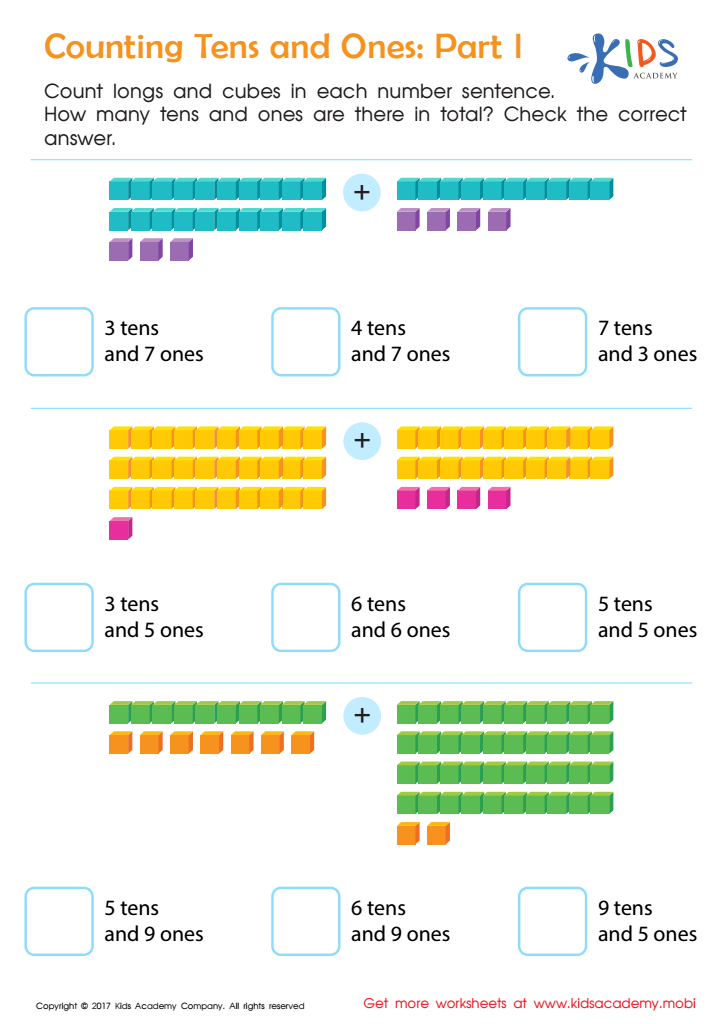
Counting Tens and Ones: Part 1 Worksheet
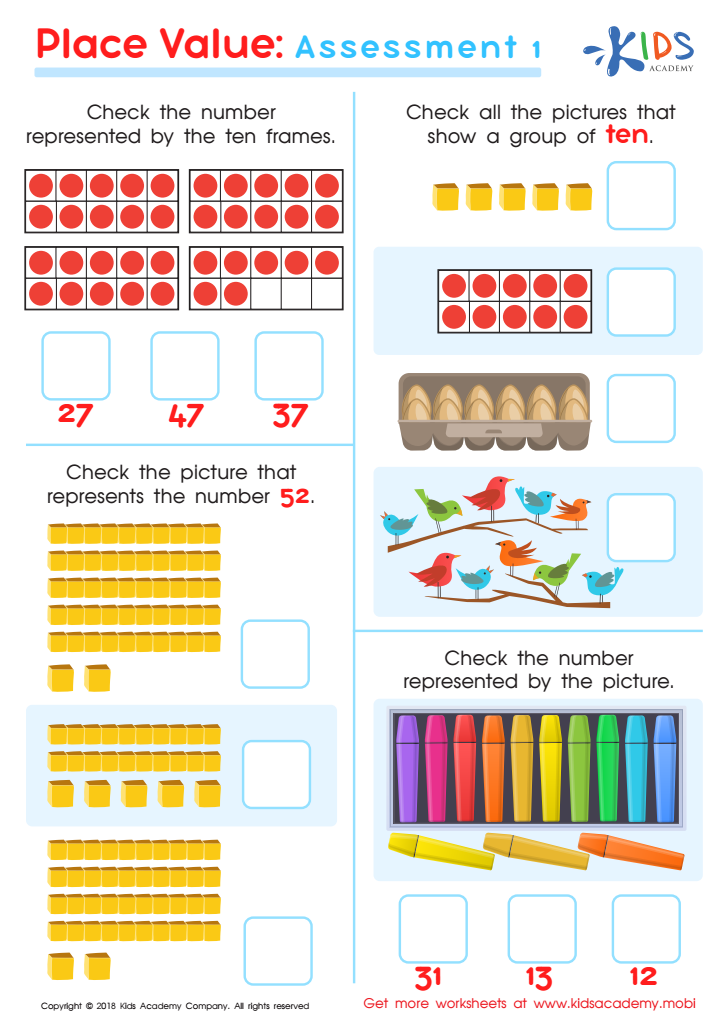
Place Value: Assessment 1 Worksheet
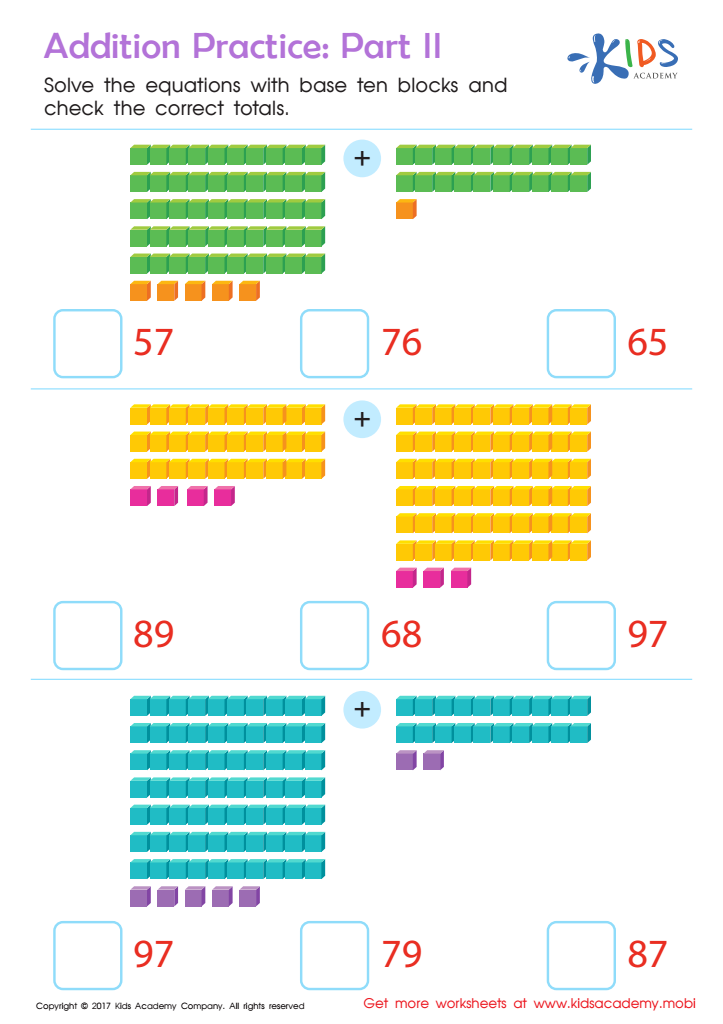
Addition Practice Sheet: Part 2
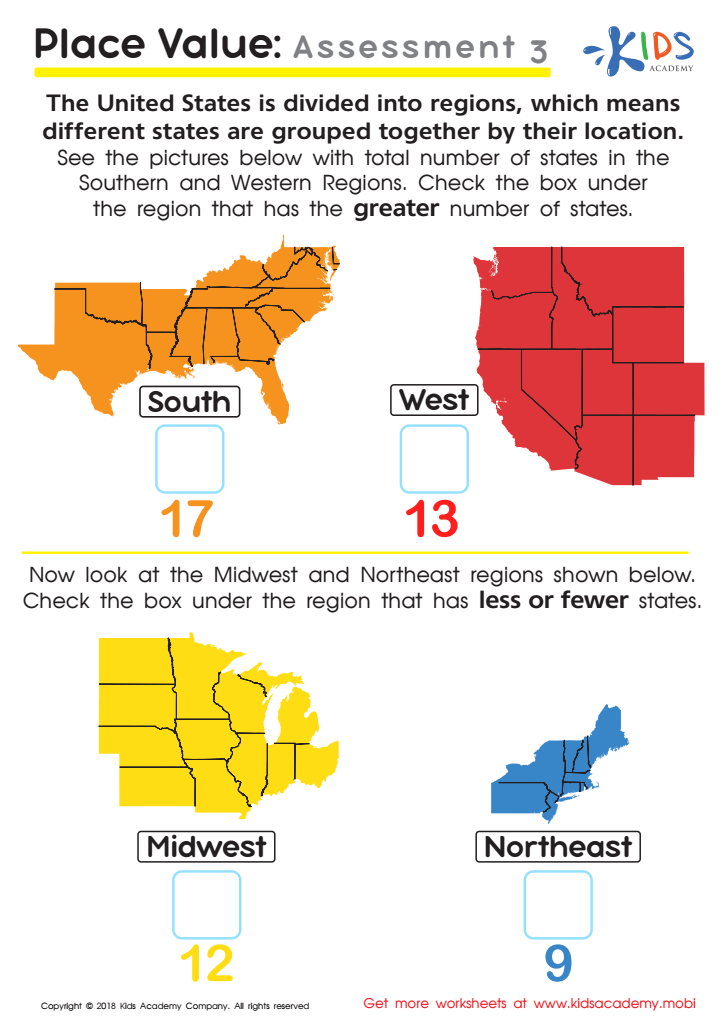
Place Value: Assessment 3 Worksheet
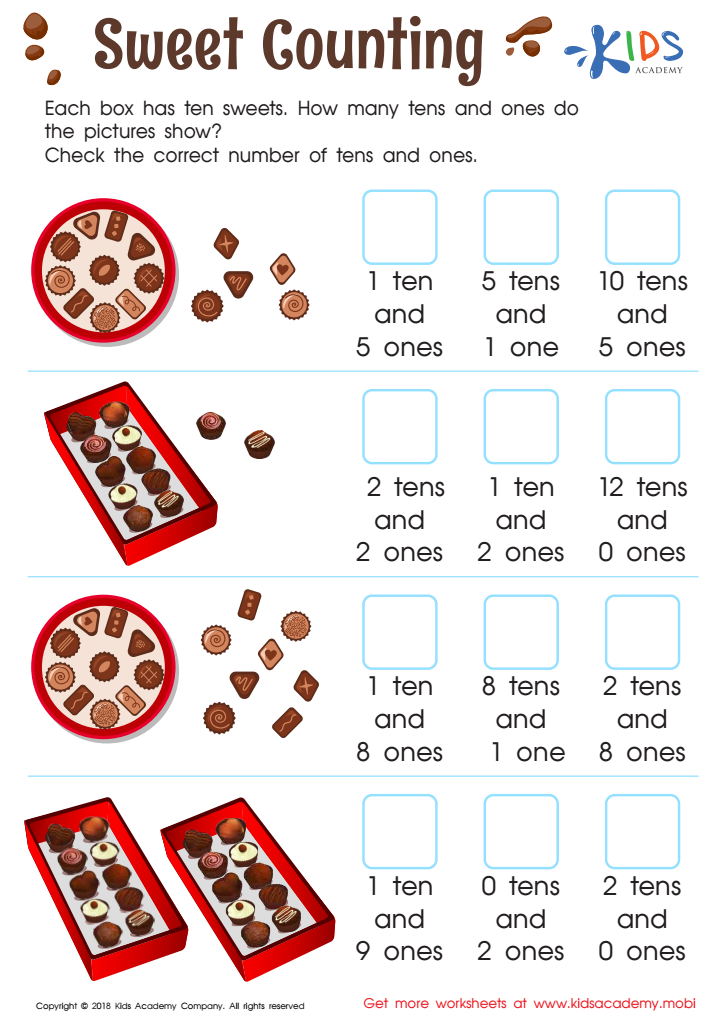
Sweet Counting - Part 2 Worksheet
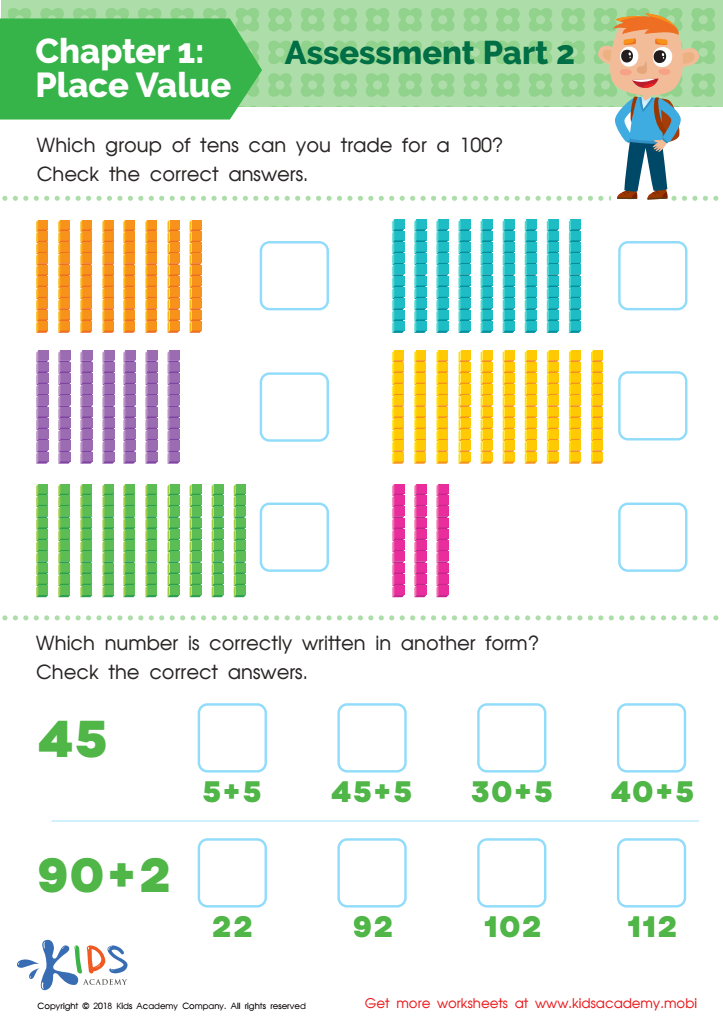
Place Value: Chapter 2 Worksheet
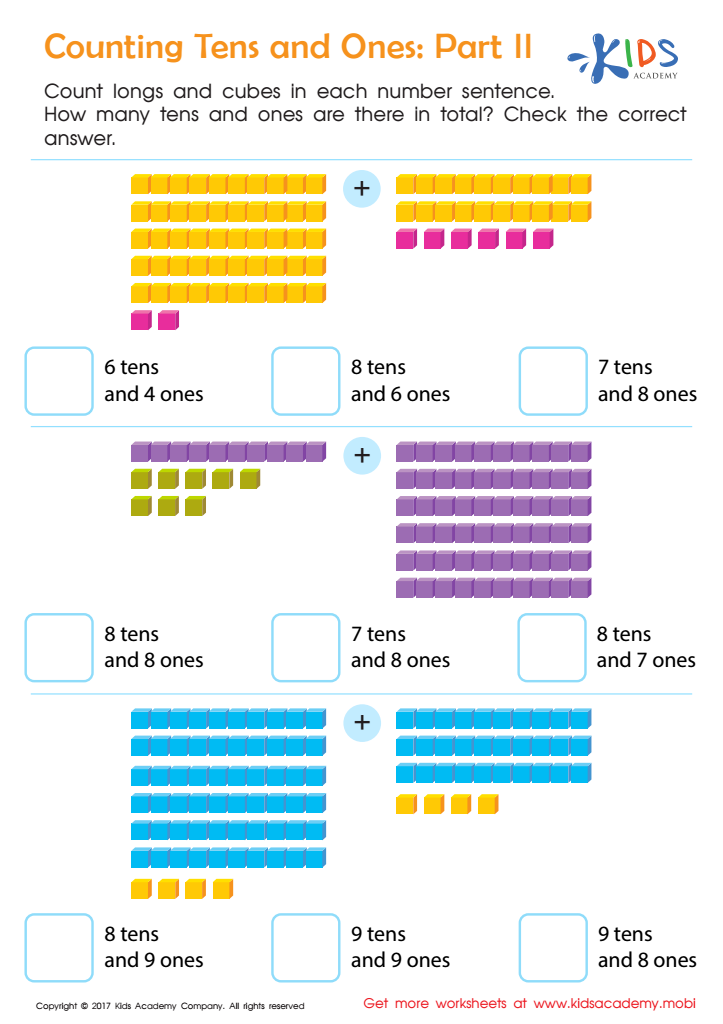
Counting Tens and Ones: Part 2 Worksheet








Counting skills and an understanding of place value are foundational to early math learning, making them essential for children aged 3-7. Both parents and teachers should prioritize these skills for several reasons.
Firstly, counting skills enable children to build a clear numerical sense, essential for problem-solving and mathematical reasoning. Mastering counting helps young learners develop the ability to recognize numbers, compare quantities, and understand basic operations. This core competency lays the groundwork for future mathematical learning.
Place value, on the other hand, introduces children to the concept that the position of a digit within a number influences its value. This understanding is crucial for grasping more advanced math concepts, such as addition, subtraction, multiplication, and even division. When children comprehend place value, they can manipulate larger numbers and understand concepts of tens, hundreds, and beyond.
Furthermore, these skills boost confidence in math, reducing anxiety as children advance in their education. Engaging with counting and place value in fun, interactive ways enhances learning and retention. Both parents and teachers play vital roles in creating rich, supportive environments that nurture these crucial mathematical foundations, ensuring that children develop the skills they need for lifelong learning and success.