Fine Motor Skills Sorting Worksheets for Ages 3-7
3 filtered results
-
From - To
Nurture your child's development with our "Fine Motor Skills Sorting Worksheets" designed for ages 3-7. These engaging activities combine sorting exercises with fun themes to enhance your child's fine motor skills, hand-eye coordination, and cognitive abilities. Perfect for early learners, our worksheets involve sorting objects by size, color, and category, fostering organized thinking and precise movements. Ideal for both home and classroom environments, these worksheets provide a meaningful and enjoyable way to develop foundational skills essential for future academic success. Elevate your child's learning journey with our expertly crafted sorting activities.
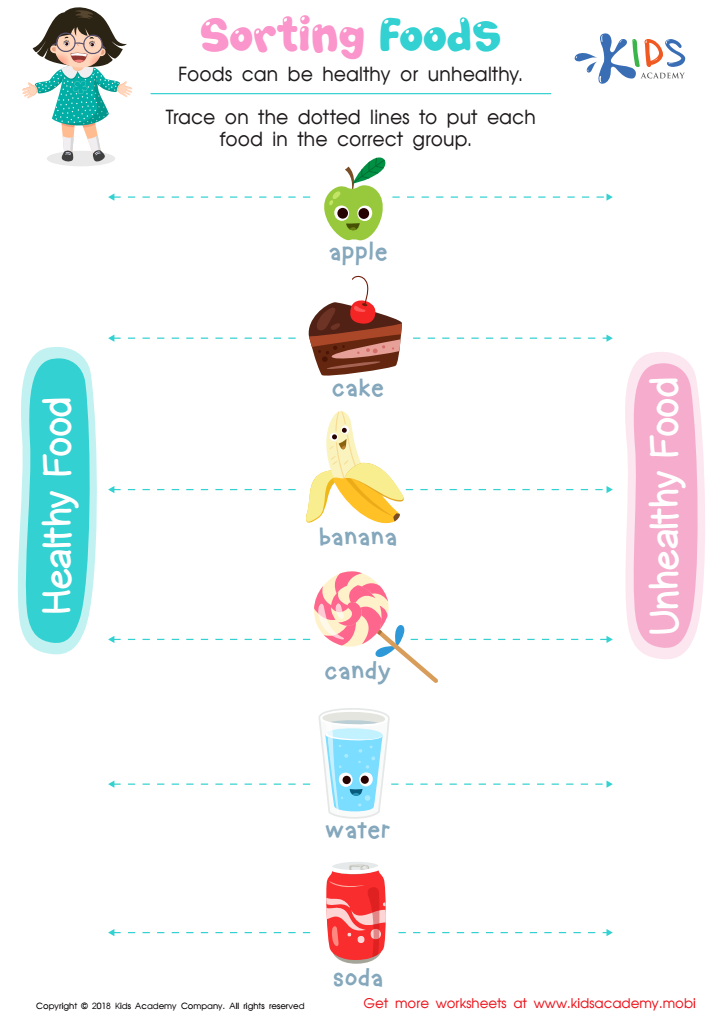
Sorting Food Worksheet
 Assign to My Students
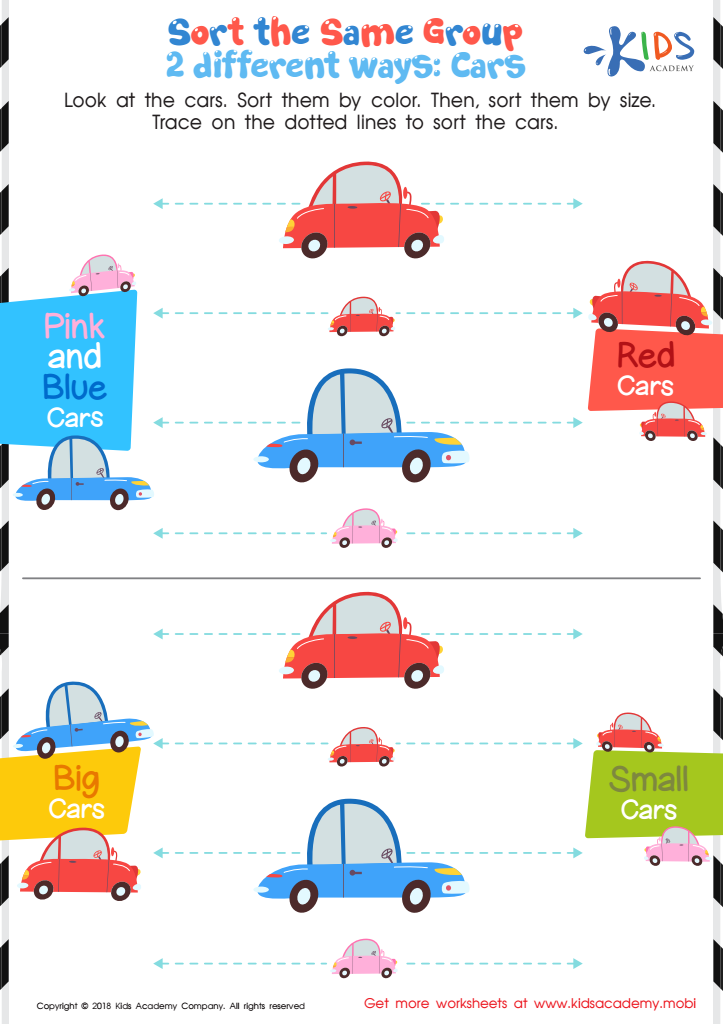
Sort the Same Group 2 Different Ways: Cars Worksheet
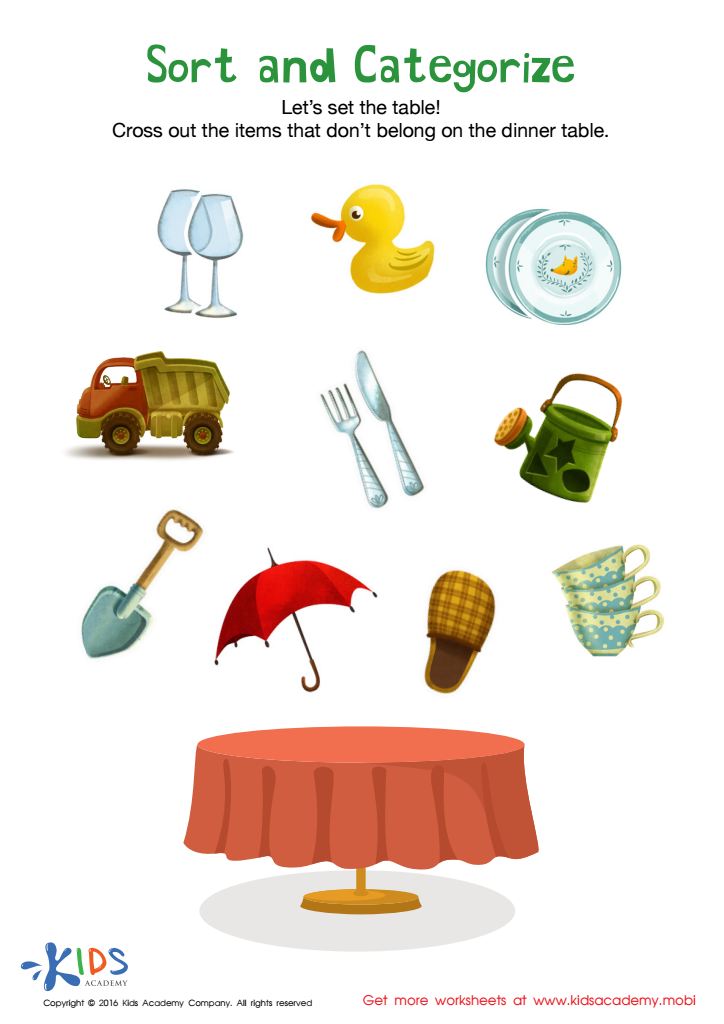








Fine motor skills are crucial in early childhood development, as they involve the use of small muscles in the hands and fingers, which are essential for everyday tasks and later academic success. Sorting exercises for ages 3-7 can significantly benefit the development of these skills. When children engage in sorting activities, they practice grasping, pinching, and manipulating objects, all of which contribute to muscle strengthening and coordination.
Moreover, these activities help refine hand-eye coordination and enhance cognitive abilities, such as critical thinking, problem-solving, and attention to detail. For instance, when a child sorts objects by color, shape, or size, they not only practice fine-tuning their pincer grasp but also develop visual discrimination skills and an understanding of categorization.
As children build these foundational abilities, they become more adept at performing tasks like writing, cutting with scissors, and buttoning clothes, which are vital for daily independence and classroom activities. Therefore, both parents and teachers play a pivotal role in providing opportunities for sorting exercises. Encouraging these activities ensures children can transition smoothly into more complex skills, ultimately supporting their academic and personal development. Investing time in fine motor skills practice lays a solid foundation for a child's future success and self-sufficiency.








