
Understanding time Time Worksheets for Ages 3-7
3 filtered results
Difficulty Level
Grade
Age
-
From - To
Subject
Activity
Standards
Unlock the essence of time for young minds with our specially designed 'Understanding Time Worksheets for Ages 3-7'! Tailored to engage children in early education, these worksheets offer an interactive and fun way to grasp time concepts. With vibrant illustrations and varied exercises, kids explore hours, minutes, days, and weeks, fostering a solid foundation for future math skills. Ideal for both classroom and home learning, these resources make time-telling an enjoyable adventure. Help your child build confidence in understanding time and watch them thrive academically by exploring our invaluable learning tools today!
Favorites
With answer key
Interactive
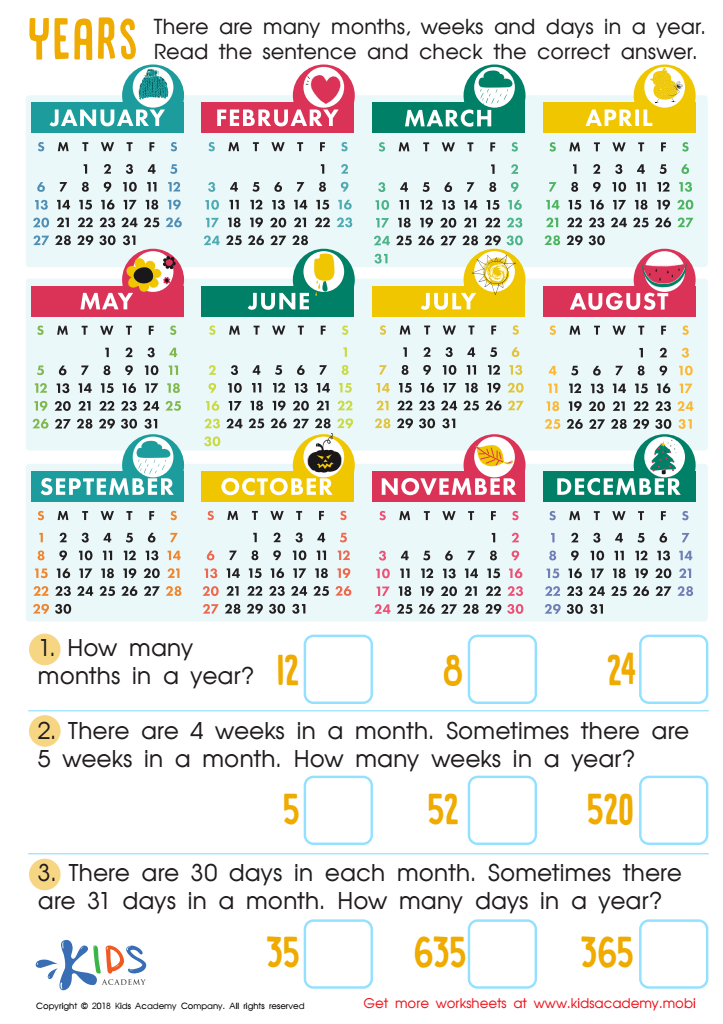
Years Worksheet
This worksheet is a great way to test your children's knowledge of the calendar. Ask them if they can name the days of the week and months in a year. Read and discuss the questions with them and help them find the right answers. Encourage them to check their answers.
 Assign to My Students
Years Worksheet
Worksheet
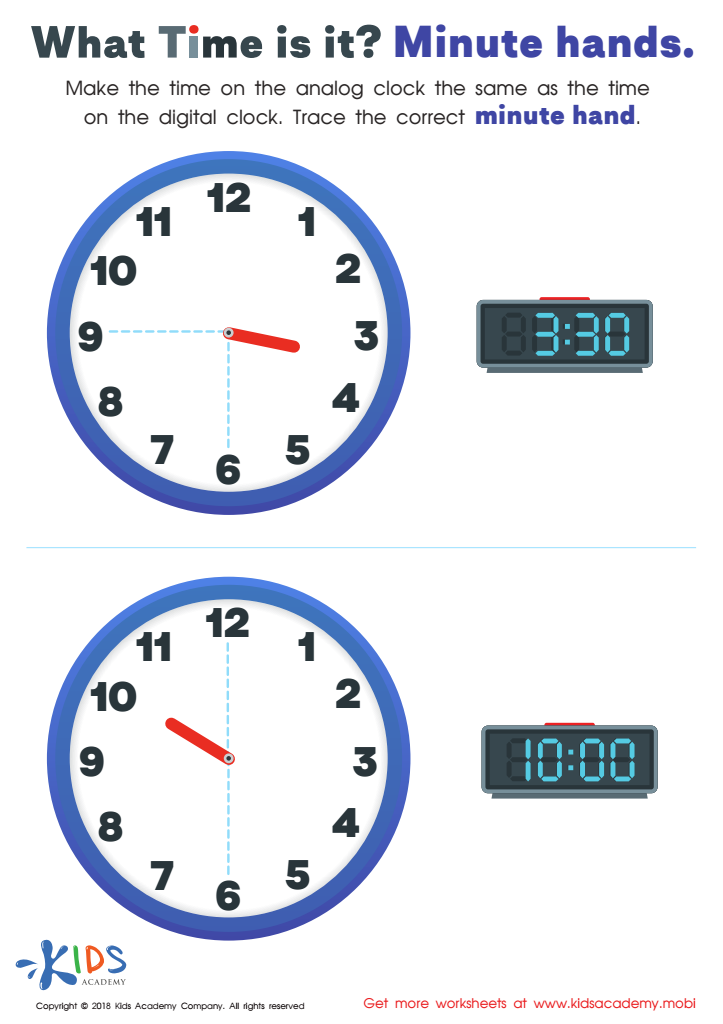
What Time Is it? Minute Hands Worksheet
Help your kids telling time with the minute hand correctly with this tracing sheet. Trace the correct minute hand to make the time on the analog clock the same as the time on the digital clock. Give them a pictured demonstration of how to do it and you'll be all set!
What Time Is it? Minute Hands Worksheet
Worksheet
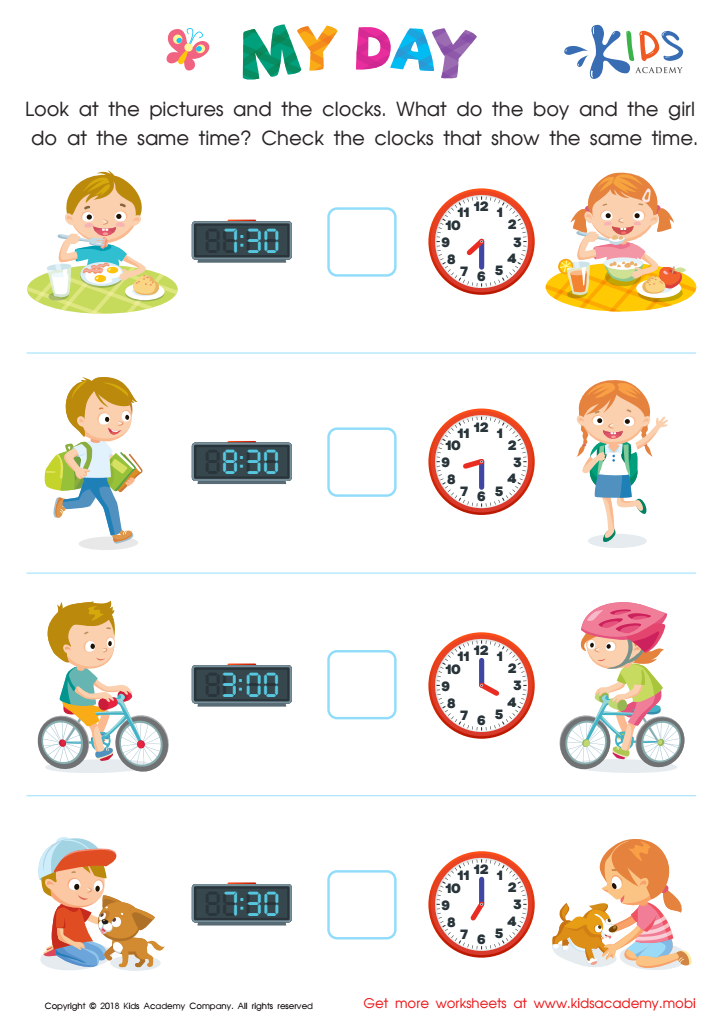
My Day Worksheet
Show your students the pictures and clocks in the colorful worksheet. Ask what the boy and girl are doing in each, then what time the clocks show. Finally, ask what activities they both do at the same time. Help them check the clocks showing the same time in both pictures.
My Day Worksheet
Worksheet
Join Kids Academy for Free
Who is primarily going to use this learning content?


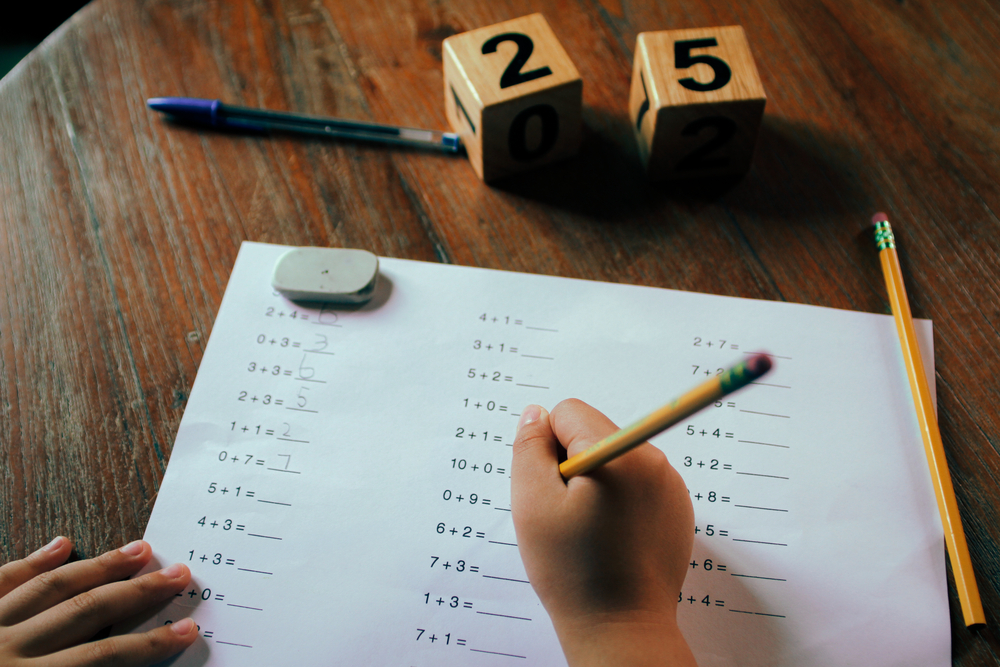





Understanding time is a fundamental skill that lays the foundation for a child's success in both school and daily life. For ages 3-7, developing an awareness of time helps children establish routines, understand sequence, and build organizational skills. Instilling time concepts early on fosters habits of punctuality and reliability, which are crucial traits for academic success and social interactions.
Children who grasp time can follow schedules more efficiently, reducing stress and avoiding the chaos of inconsistent routines. They learn the concept of "before and after," which enhances their ability to sequence events, boosting their cognitive development. This understanding is key when learning to tell stories, solve problems, and perform daily tasks.
Furthermore, time-related activities can improve mathematical skills. Recognizing patterns, understanding durations, and eventually learning to read clocks all strengthen a child's number sense and analytical capabilities.
For parents and teachers, teaching time builds stronger communication channels. This reinforces a holistic developmental approach, ensuring that they work together to instill confidence and independence in the child. Understanding time not only aids in immediate practical needs but also sets a lifelong foundation for disciplined and organized living. Prioritizing this skill equips children to face future academic and personal challenges more effectively.








