Counting skills Word Problems Worksheets for Ages 3-7
12 filtered results
-
From - To
Enhance your child's counting skills with our engaging Word Problems Worksheets, designed specifically for ages 3-7. These thoughtfully crafted worksheets combine fun and learning, allowing young learners to practice essential math concepts through relatable scenarios. Each worksheet presents age-appropriate word problems that encourage problem-solving and critical thinking, making math enjoyable! With colorful illustrations and interactive formats, kids will love exploring numbers and counting in a real-world context. Parents and educators will appreciate the alignment with early learning standards, ensuring a strong foundation in mathematics. Download our Counting Skills Word Problems Worksheets today and make math a delightful adventure for your little ones!
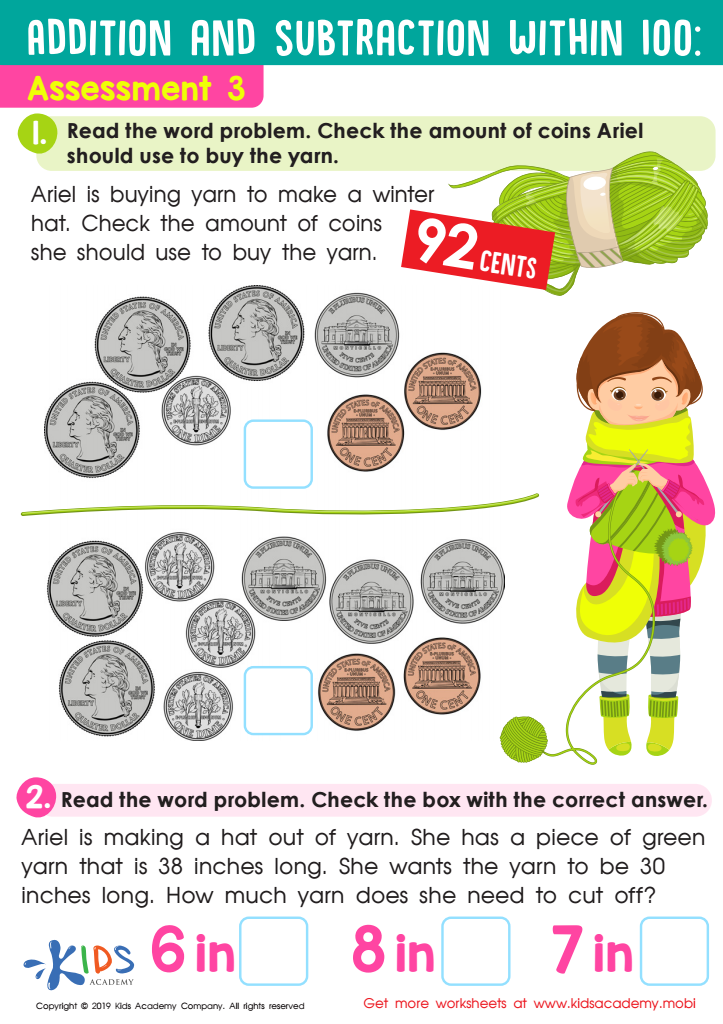
Assessment 3 Math Worksheet
 Assign to My Students
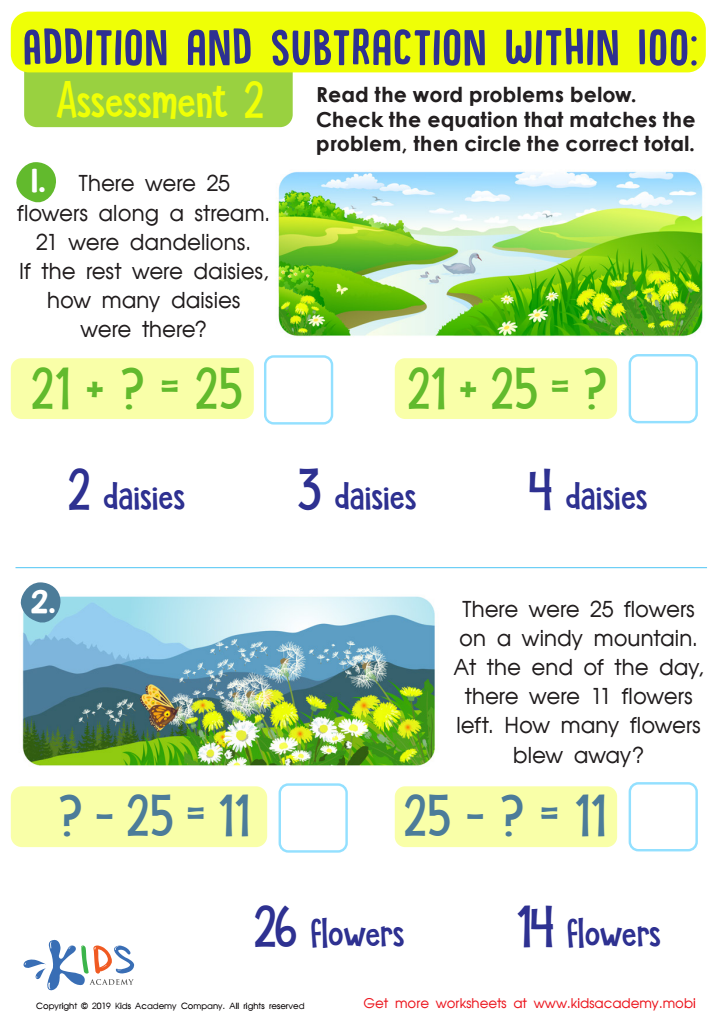
Assessment 2 Math Worksheet
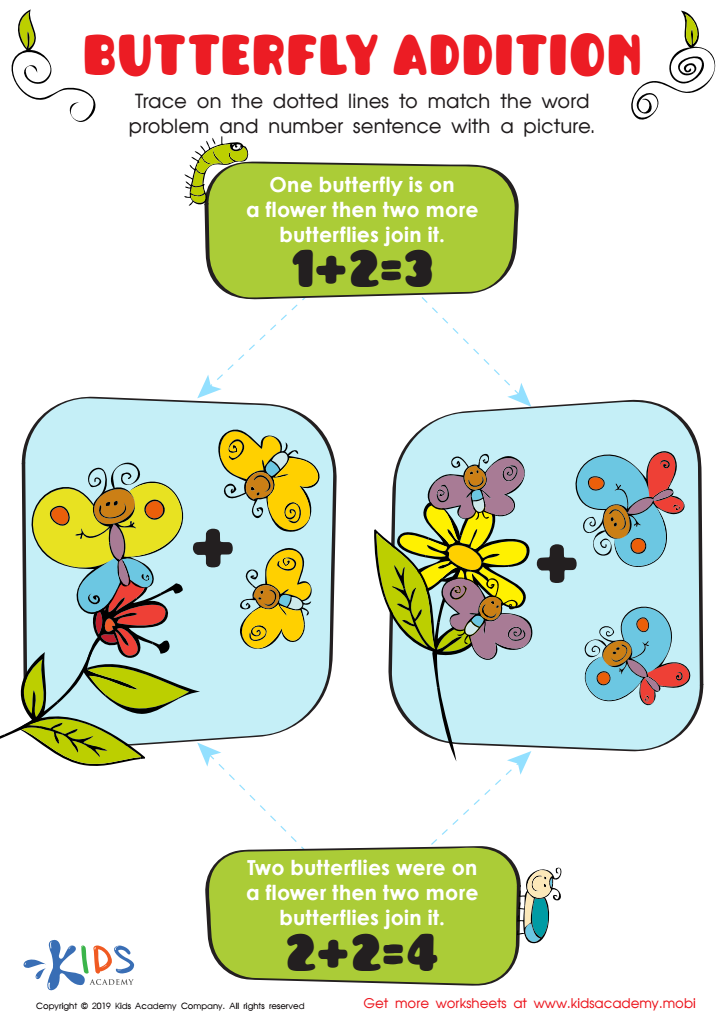
Butterfly Addition Worksheet
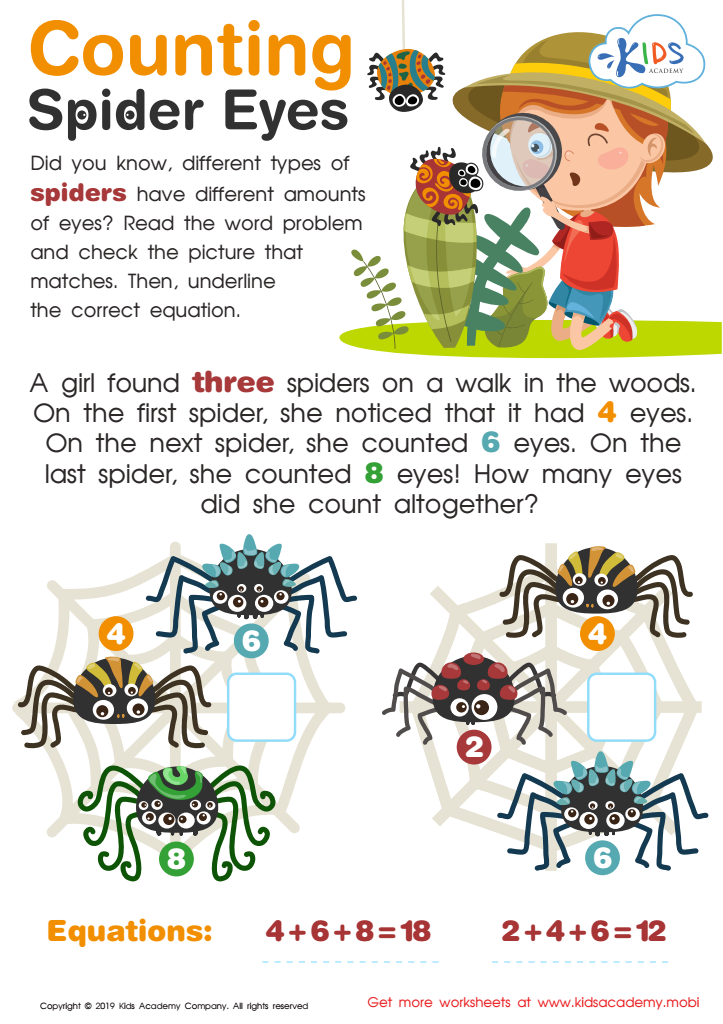
Counting Spider Eyes Worksheet
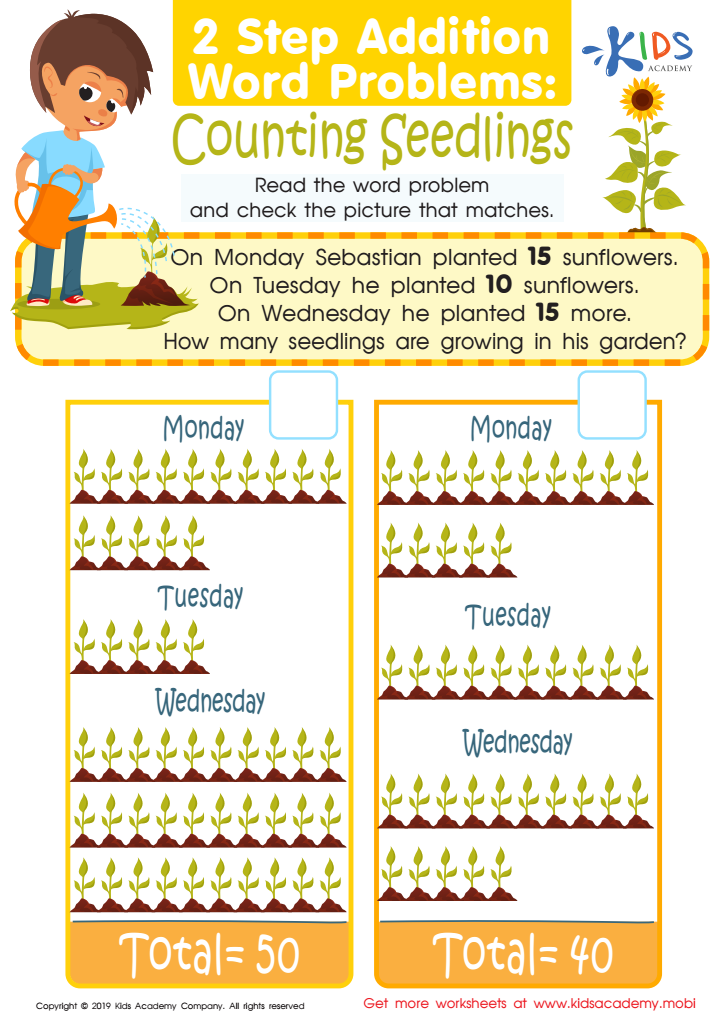
Counting Seedlings Worksheet
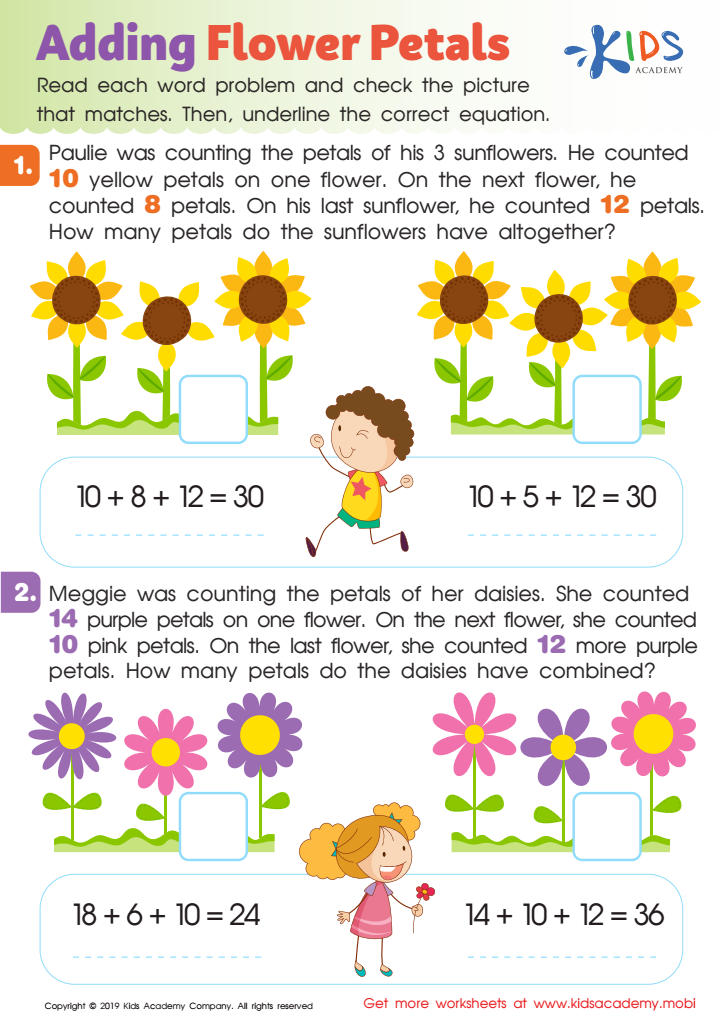
Adding Flower Petals Worksheet
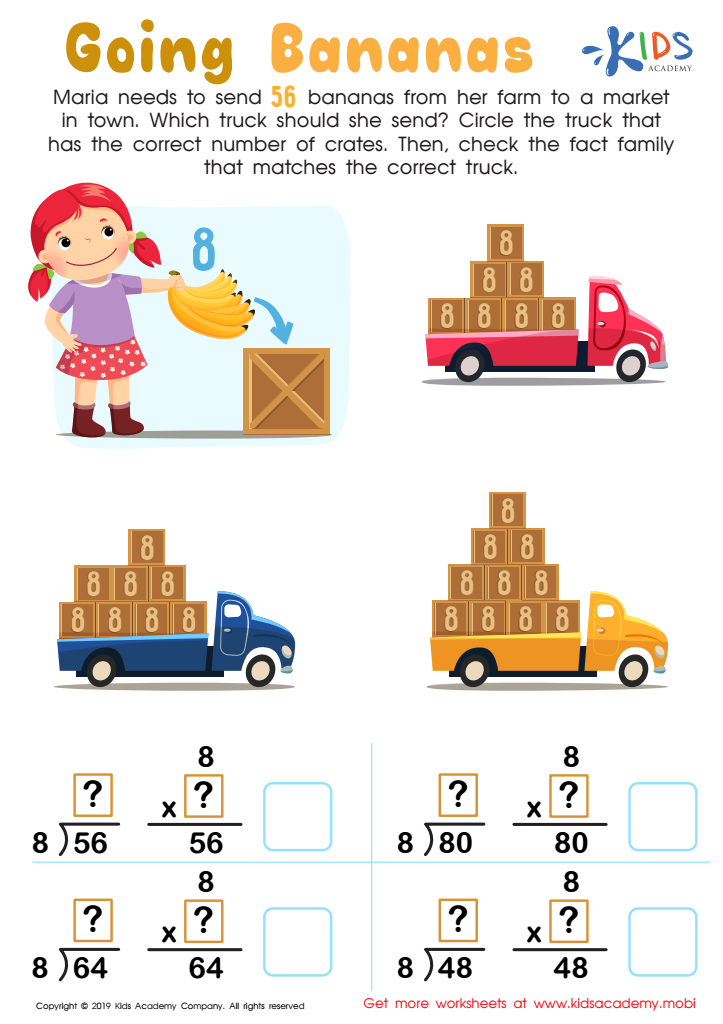
Going Bananas Worksheet
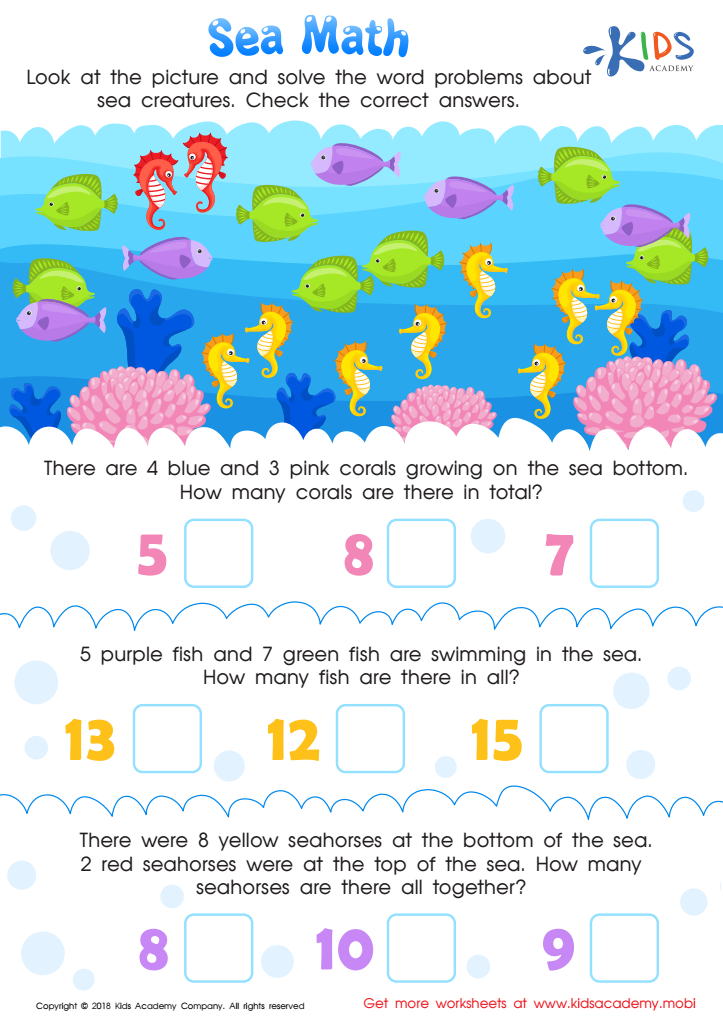
Sea Math Worksheet
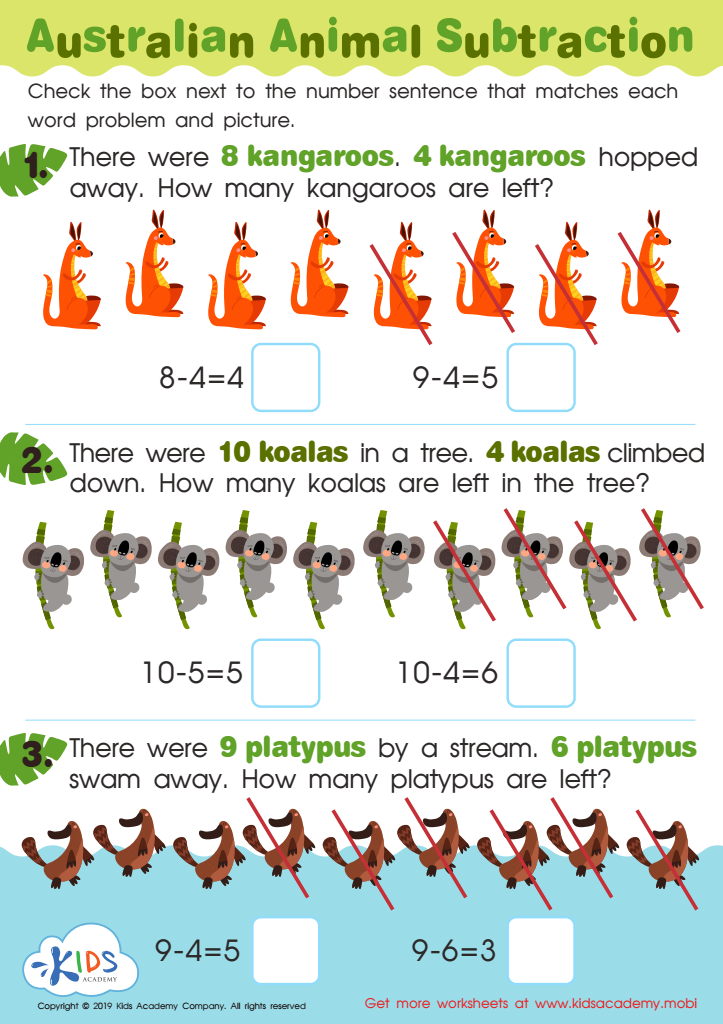
Australian Animal Subtraction Worksheet
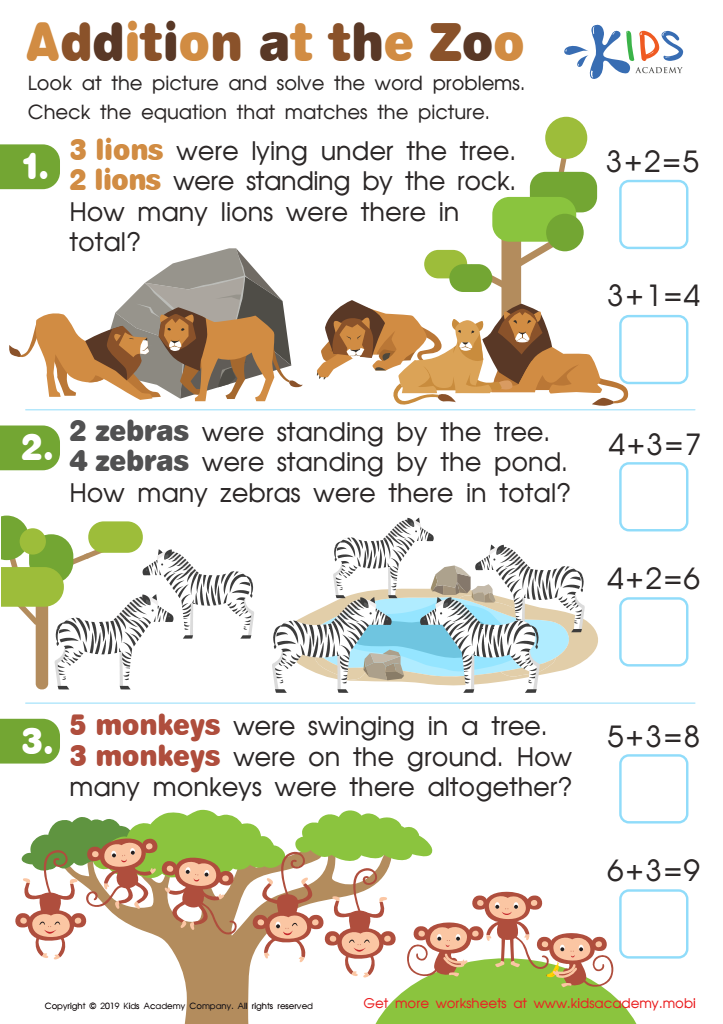
Addition at the Zoo Worksheet
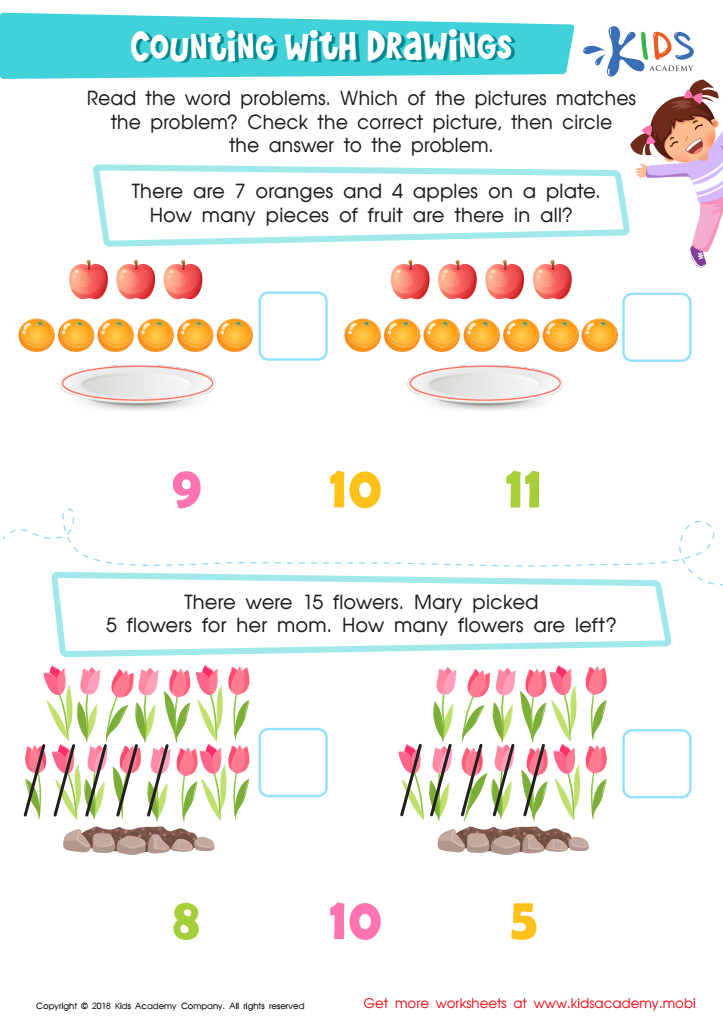
Counting with Drawings:Fruits & Flowers Worksheet
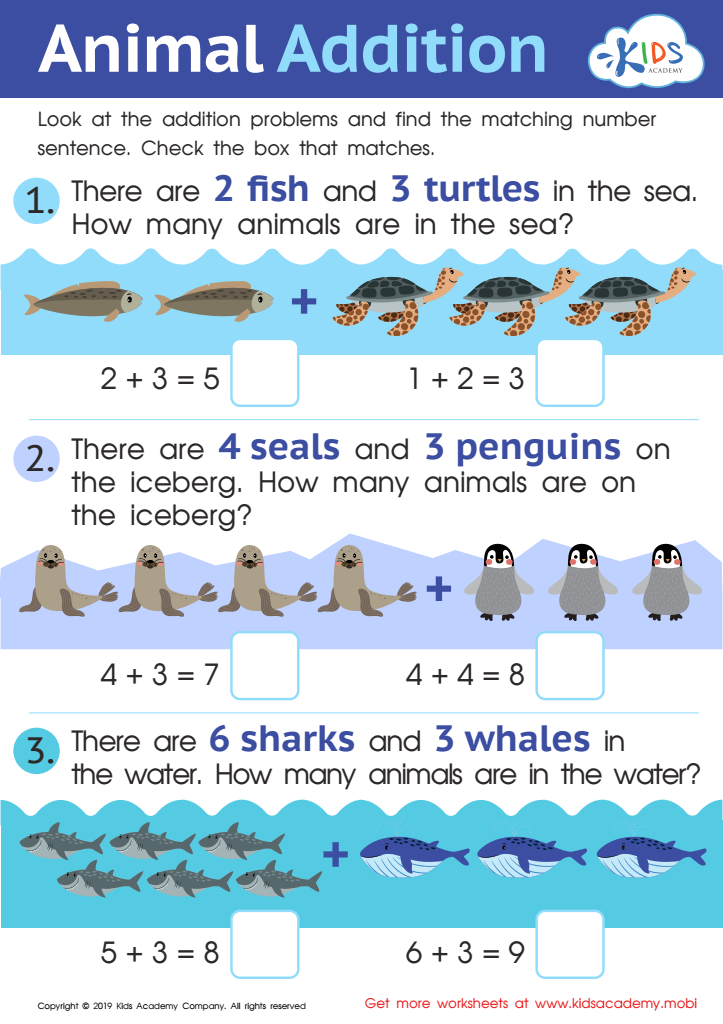
Animal Addition Worksheet








Counting skills and word problems are foundational elements of early mathematics that significantly impact children's cognitive development. For children aged 3-7, engaging with word problems enhances critical thinking and problem-solving abilities. Parents and teachers play a pivotal role in fostering these skills, as proficiency in counting and understanding word contexts can positively influence a child's overall academic journey.
Counting is more than just rote memorization; it’s about recognizing patterns and relationships among numbers, which lays the groundwork for future math mastery. Word problems introduce real-life contexts that make math relatable, promoting comprehension and application. When children learn to interpret and solve these problems, they not only build their mathematical skills but also enhance their language development and reasoning abilities.
Investing in counting and word problem skills at an early age helps children develop confidence and resilience when tackling more complex concepts later on. By guiding children through these activities, parents and teachers can create a supportive learning environment where children feel encouraged to explore mathematics, ask questions, and express their thoughts. Ultimately, mastering these early skills can lead to greater academic success and lifelong interest in learning.








