Addition Practice Building Vocabulary Worksheets for Ages 3-7
8 filtered results
-
From - To
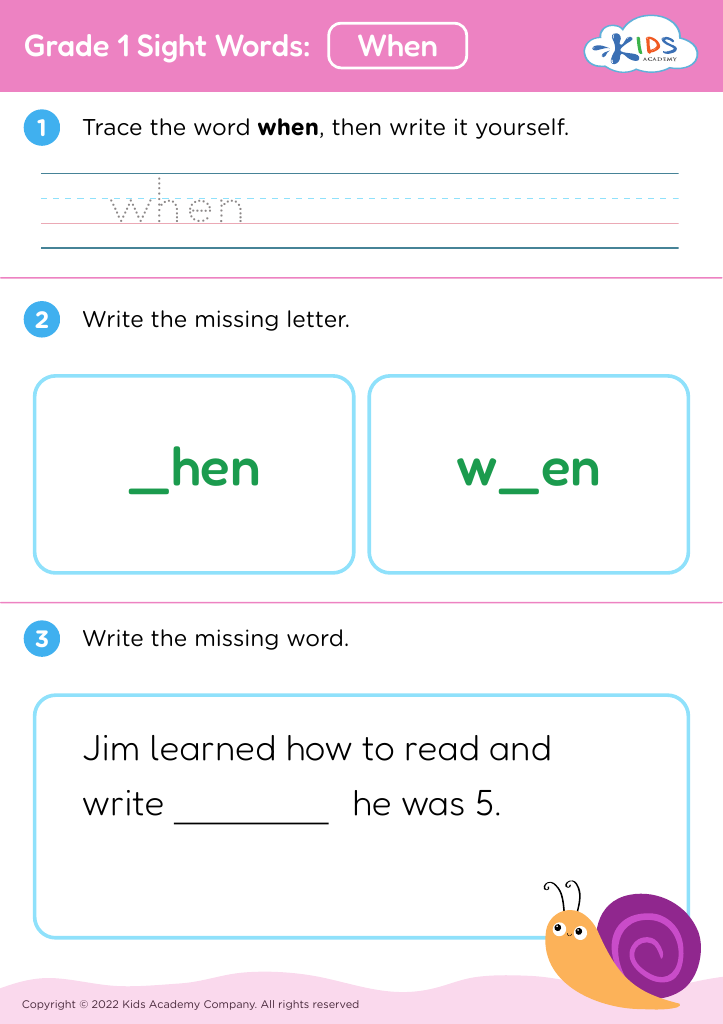
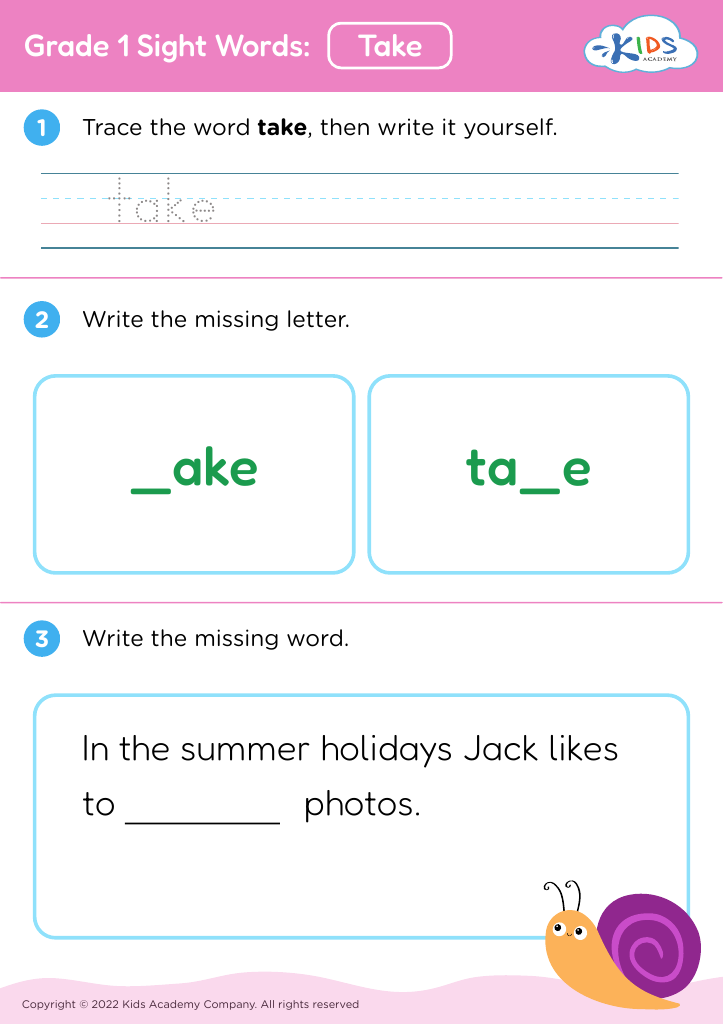
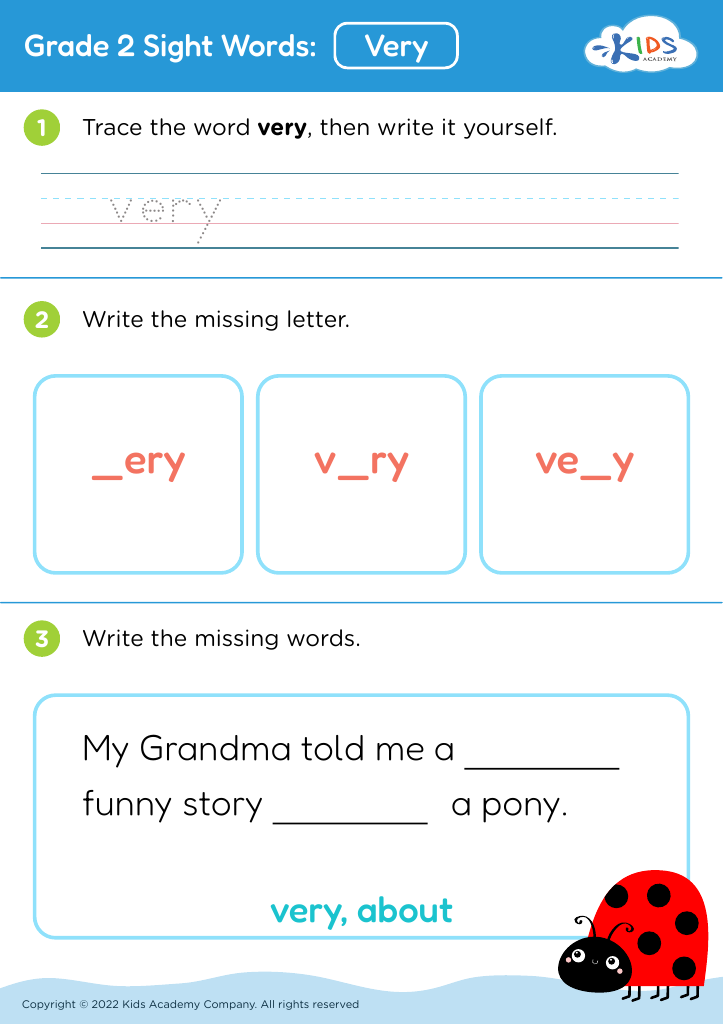
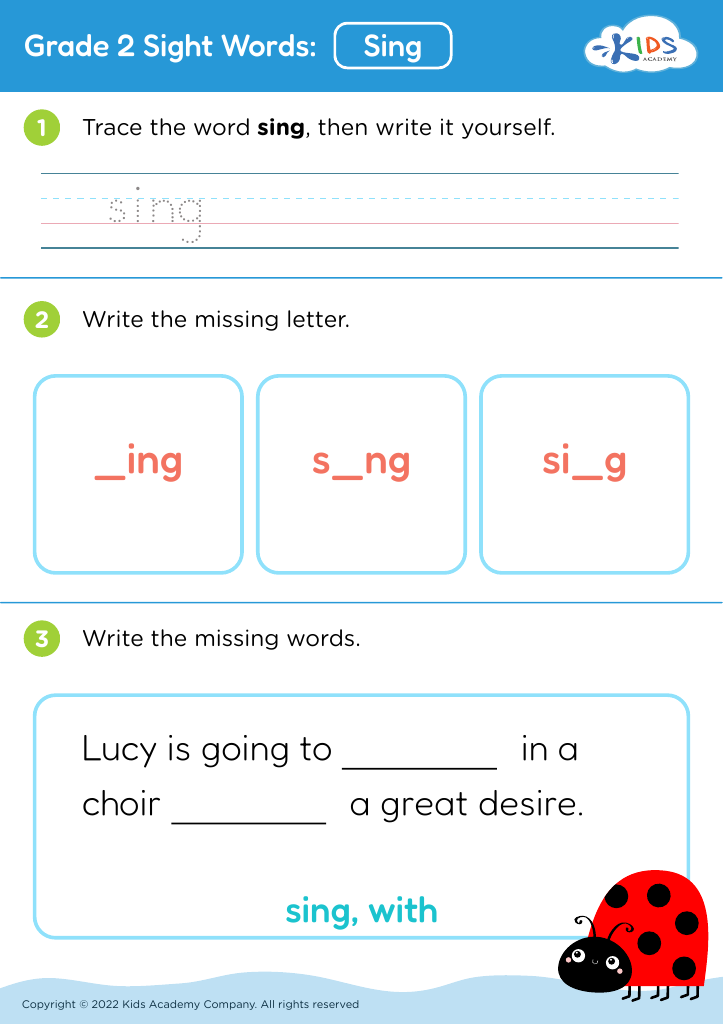
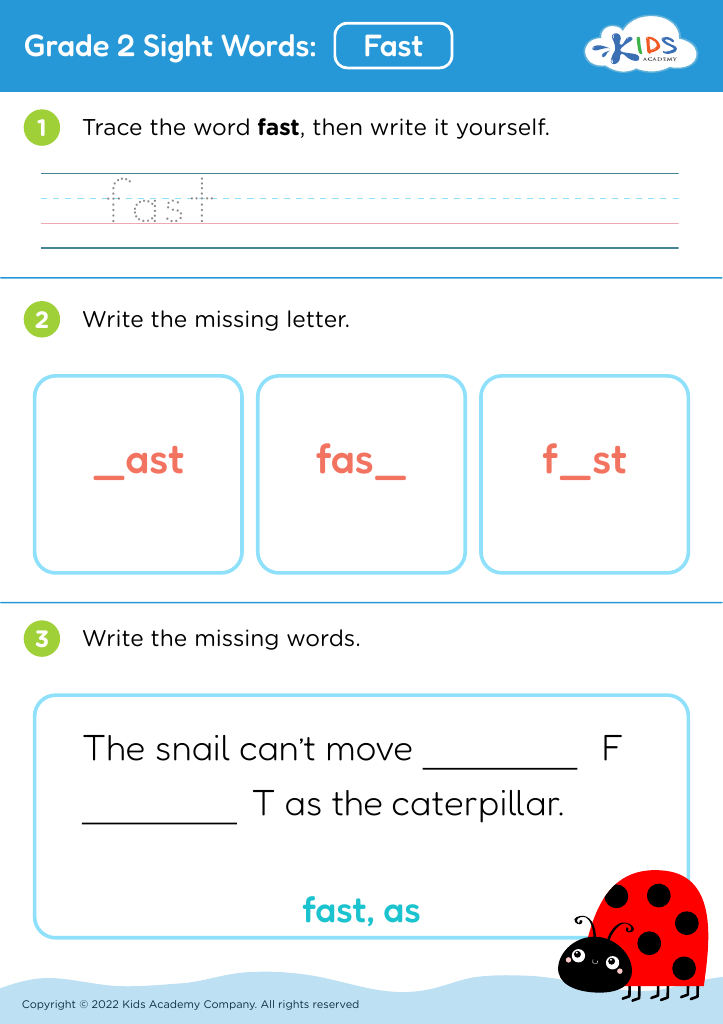
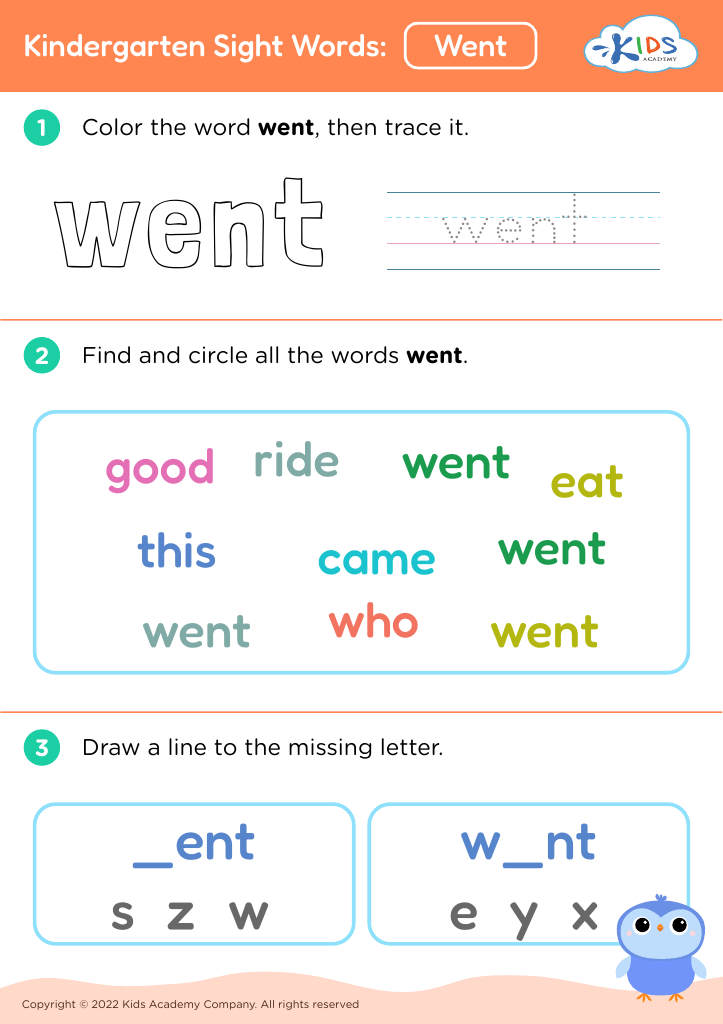
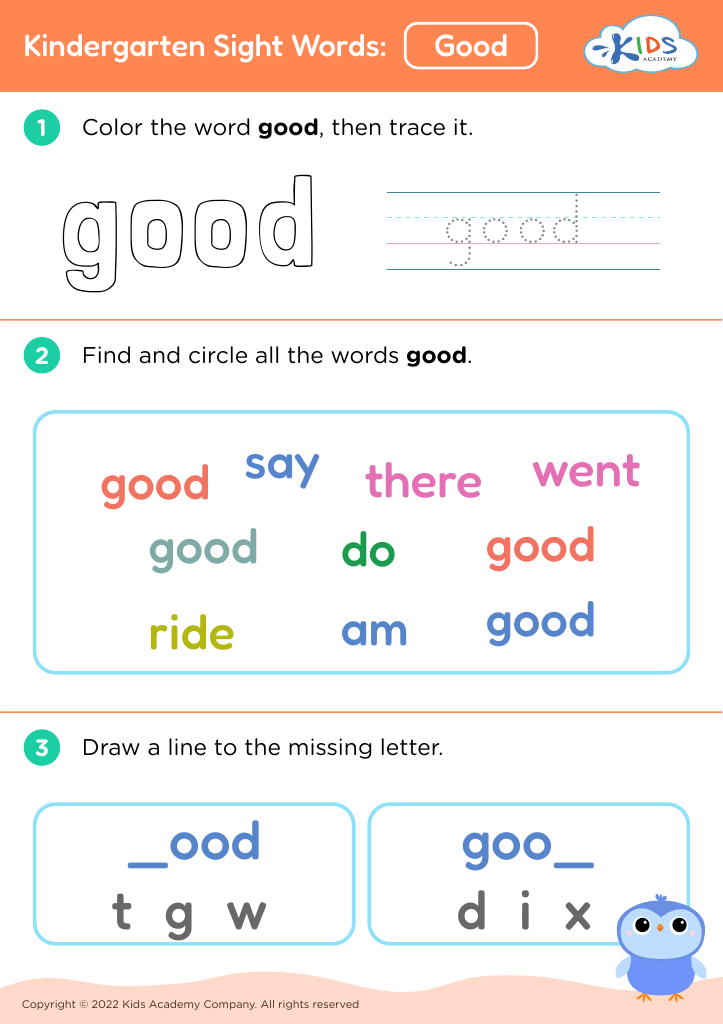
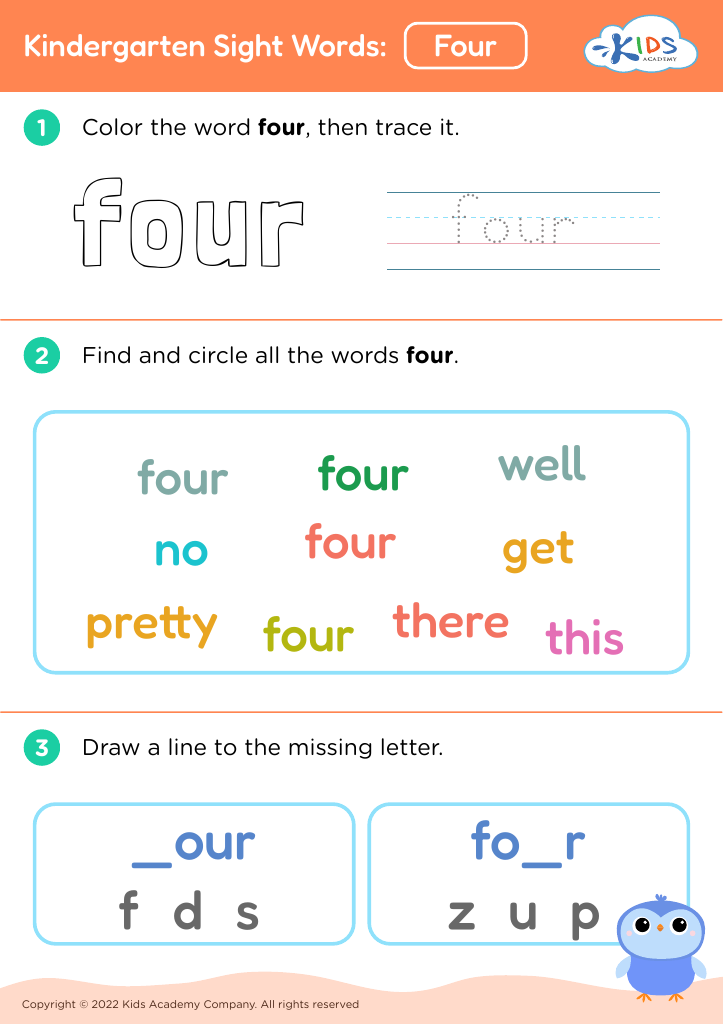
Introducing our engaging "Addition Practice Building Vocabulary Worksheets," designed specifically for children ages 3-7! These interactive worksheets seamlessly combine the foundational skills of addition with vocabulary expansion, making learning fun and effective. Each activity features vibrant illustrations and simple exercises that guide young learners through basic addition concepts while enhancing their language skills. Ideal for both home and classroom settings, our materials help reinforce numerical understanding and improve lexical proficiency in a playful manner. Empower your child's learning journey by fostering confidence in math and vocabulary today! Explore our colorful resources and watch your little ones thrive in their educational adventures!



















Parents and teachers should prioritize Addition Practice and Vocabulary Building for children ages 3-7, as these foundational skills are crucial for overall academic success and cognitive development. Early exposure to addition helps children develop mathematical fluency, which is essential for everyday problem-solving. When they practice addition in engaging and interactive ways, they enhance not only their number sense but also their confidence in handling math tasks.
Moreover, building vocabulary alongside math skills fosters a deeper understanding of quantitative concepts. Words like "plus," "sum," and "equal" are essential for explaining and articulating mathematical ideas. As children learn to associate numerical operations with their corresponding vocabulary, they refine their communication skills, which is integral for effective collaboration and participation in group activities.
Additionally, introducing addition concepts and vocabulary during these formative years helps to cultivate a love for learning. An early grasp of these skills encourages curiosity and exploration, setting the stage for lifelong learning. Ultimately, engaging in Addition Practice and Vocabulary Building nurtures critical thinking skills, enabling young learners to better understand and navigate various subjects as they progress through school. Investing time in these areas paves the way for a well-rounded, enriched educational experience.








