Basic Addition Building Vocabulary Worksheets for Ages 3-7
3 filtered results
-
From - To
Engage young learners with our 'Basic Addition Building Vocabulary Worksheets for Ages 3-7'. Perfectly designed for early math practice, these worksheets combine foundational addition skills with essential vocabulary development. Bright, engaging illustrations help kids connect numerals with words as they count, add, and expand their math vocabulary. Interactive activities ensure children stay motivated and grasp concepts effectively. Parents and teachers will find these worksheets an invaluable resource for preparing kids for more advanced math challenges. Unlock your child's potential with these fun, educational sheets that make learning math an enjoyable adventure!
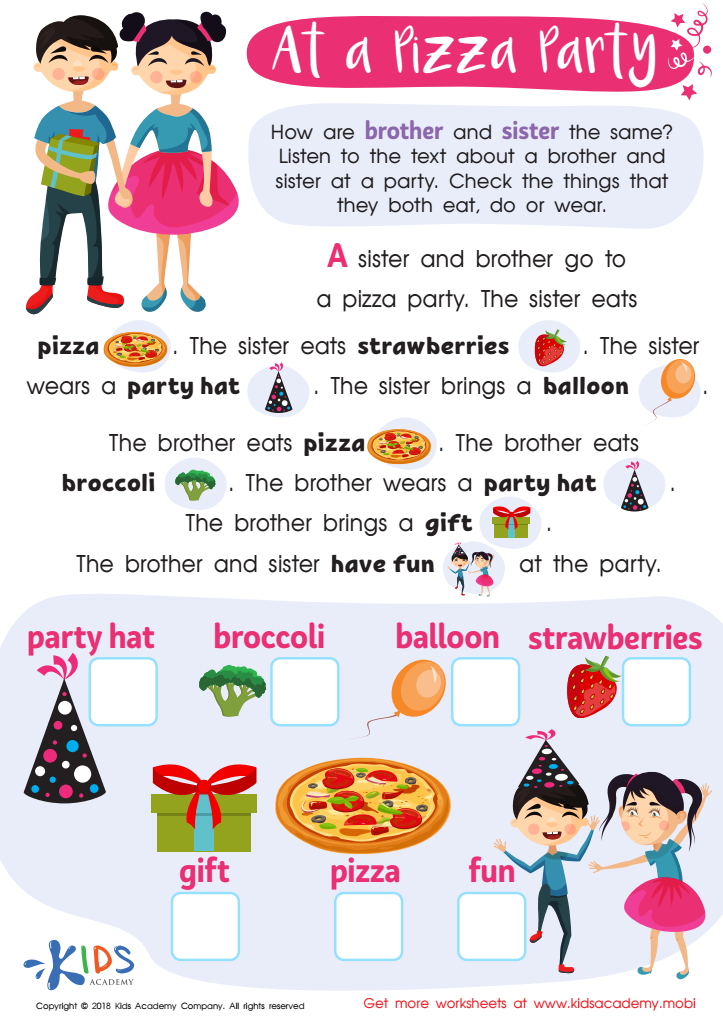
At a Pizza Party Worksheet
 Assign to My Students











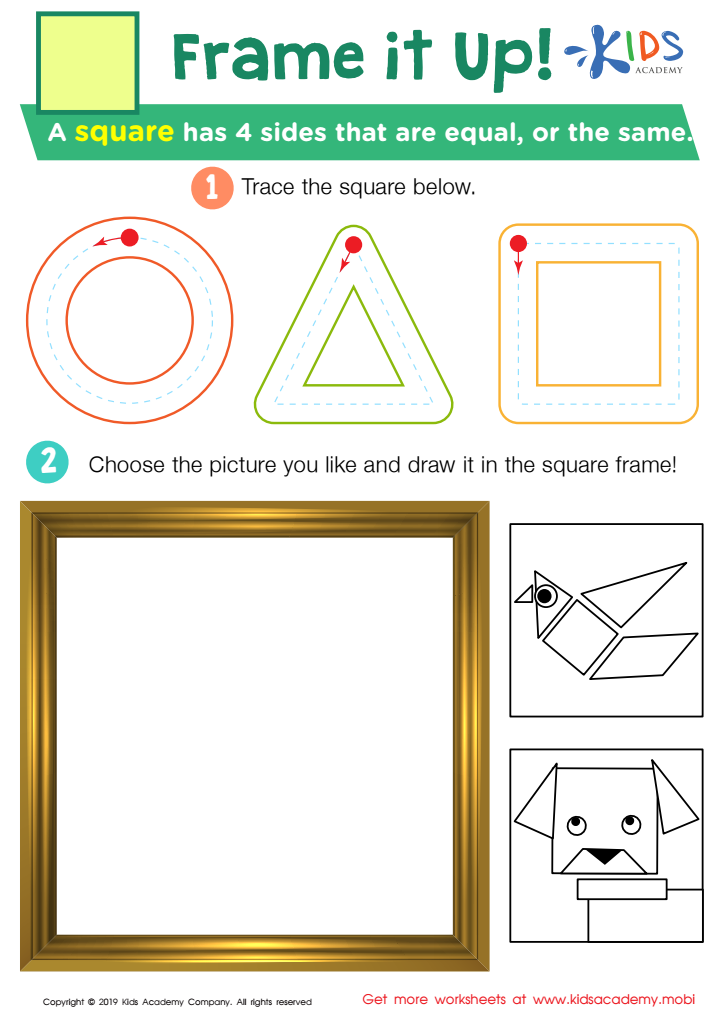
Frame it Up Worksheet
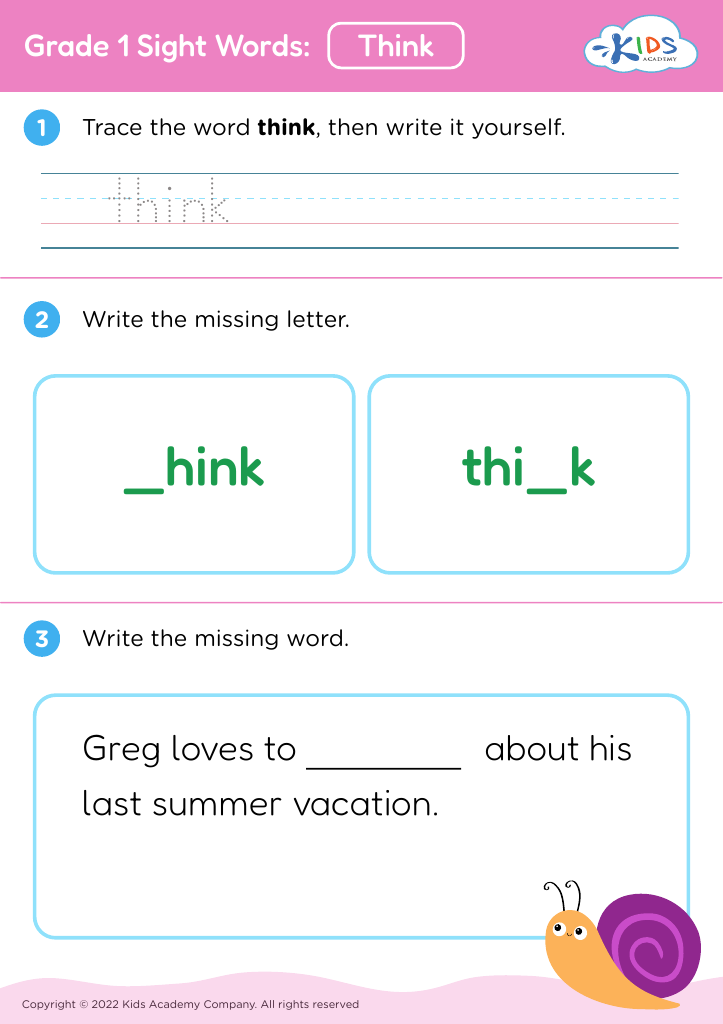








Building a strong vocabulary for basic addition is essential for children aged 3-7 as it lays the foundation for their future mathematical learning and comprehension. At this formative stage, familiarizing children with addition-related terms such as 'add', 'plus', 'sum', and 'equals' helps them understand and articulate mathematical concepts clearly. By integrating these terms into everyday language, parents and teachers can demystify addition, making it more approachable and less intimidating for young learners.
Moreover, a robust mathematical vocabulary enhances cognitive development by encouraging analytical and logical thinking. When children grasp the language of addition, they are better equipped to solve problems, follow instructions, and engage more deeply with the subject matter. This early exposure not only prepares them for formal education but also contributes to their self-confidence, nurturing a positive attitude towards mathematics.
Incorporating basic addition vocabulary in play, storytelling, and interactive activities makes learning enjoyable and strengthens memory retention. It also provides opportunities for children to apply these terms in various contexts, reinforcing their understanding continuously. Therefore, parents and teachers play a crucial role in supporting early mathematical literacy, ensuring that children develop essential skills that will benefit their academic journey and everyday life.








