Fine Motor Skills Building Vocabulary Worksheets for Ages 3-7
21 filtered results
-
From - To
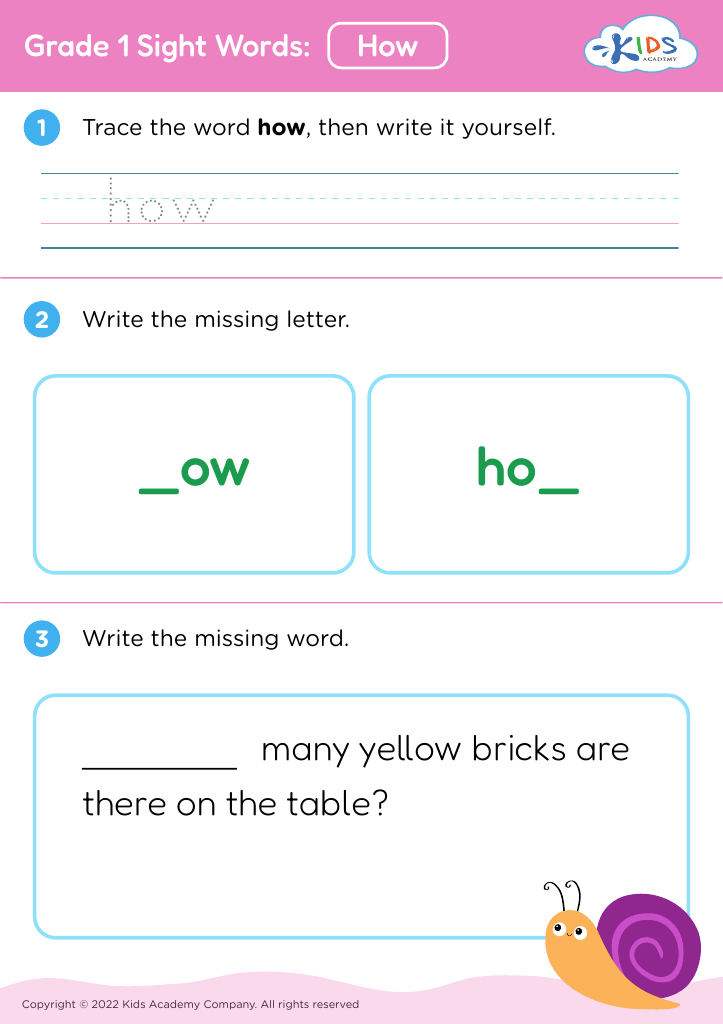
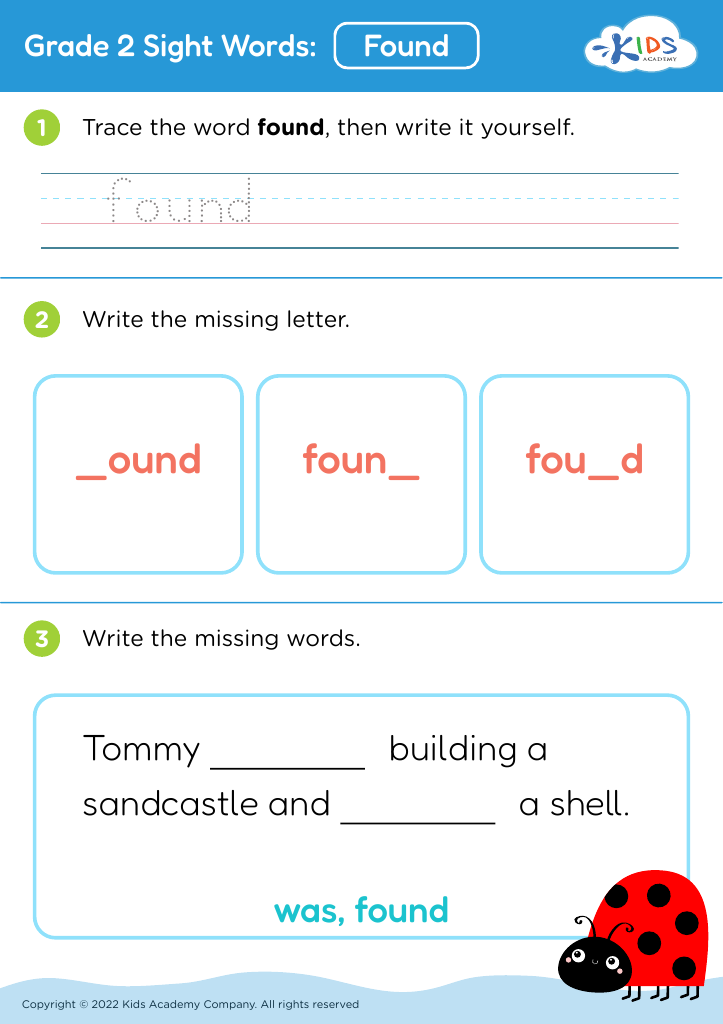
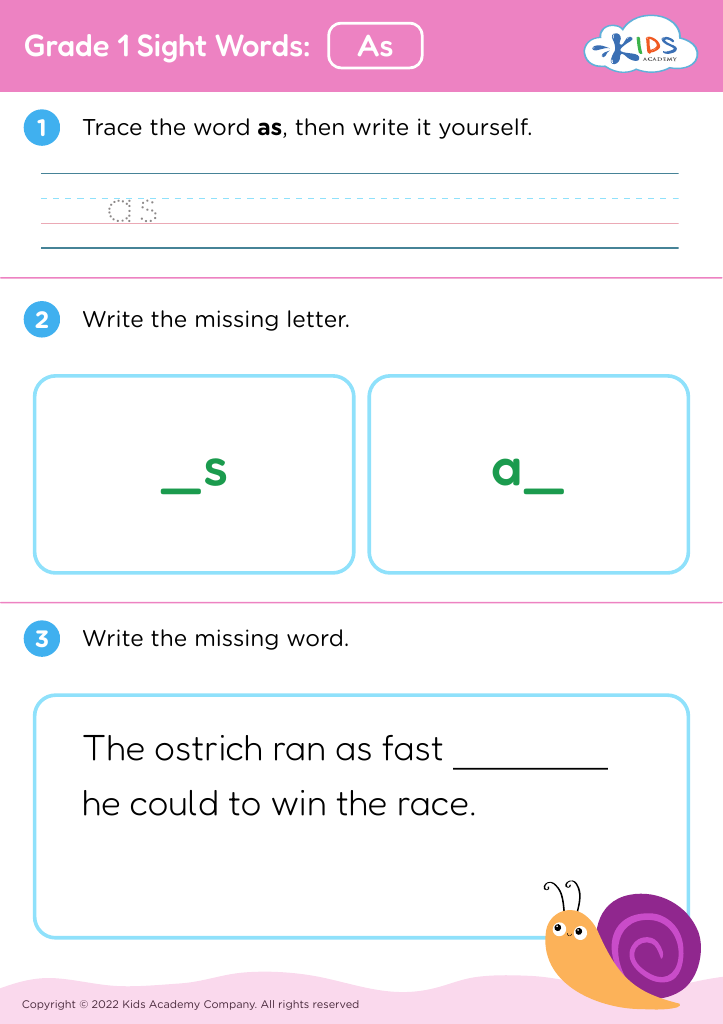
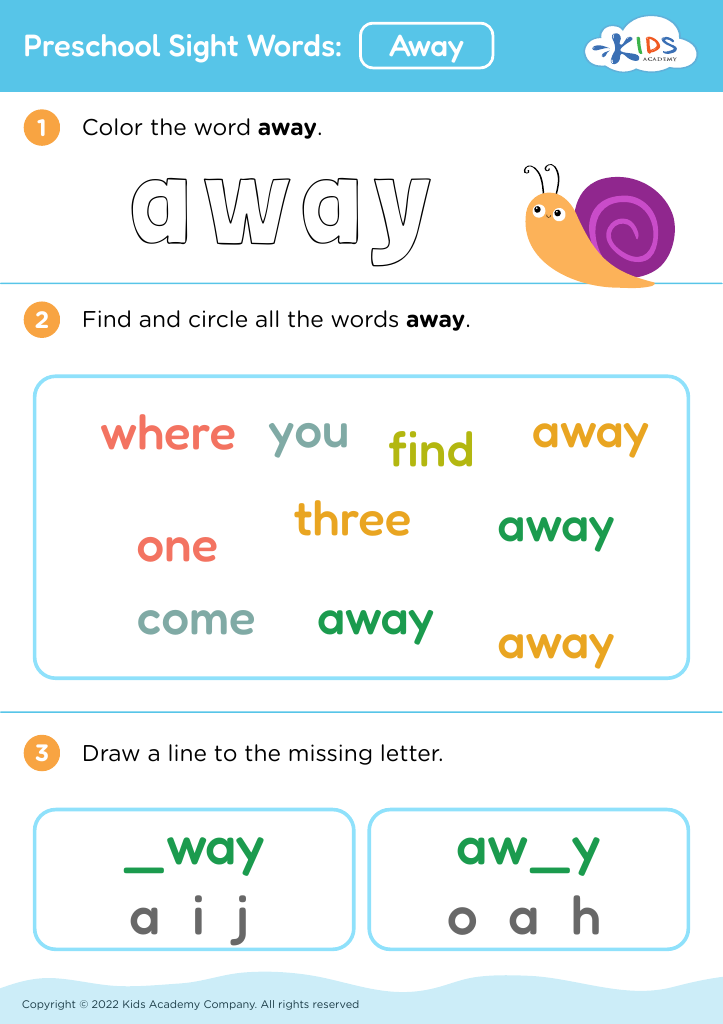
Unlock your child's potential with our Fine Motor Skills Building Vocabulary Worksheets designed specifically for ages 3-7. These engaging resources combine vocabulary enrichment with essential fine motor skill development, ensuring a fun and educational experience. Each worksheet features vibrant illustrations and interactive tasks that encourage children to practice writing, cutting, and manipulating objects while learning new words. Perfect for preschoolers and early learners, our worksheets support literacy growth and hand coordination, setting a strong foundation for future learning. Parents and teachers can easily incorporate these worksheets into home or classroom activities, promoting both language skills and hand dexterity in young learners. Explore our collection now!
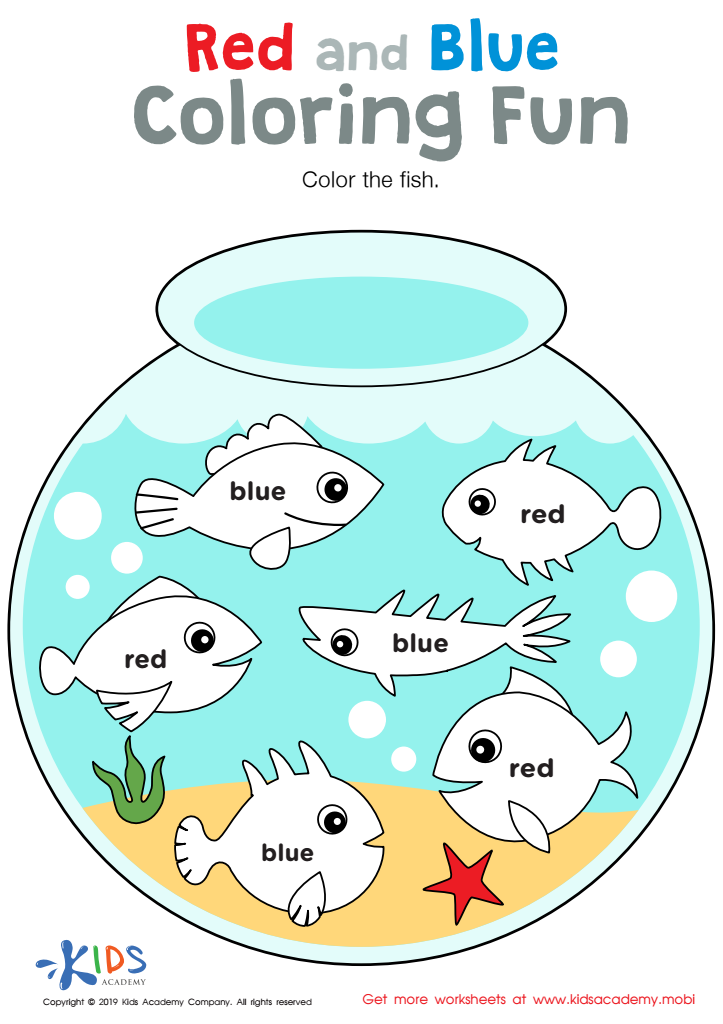
Red and Blue Coloring Fun Worksheet
 Assign to My Students











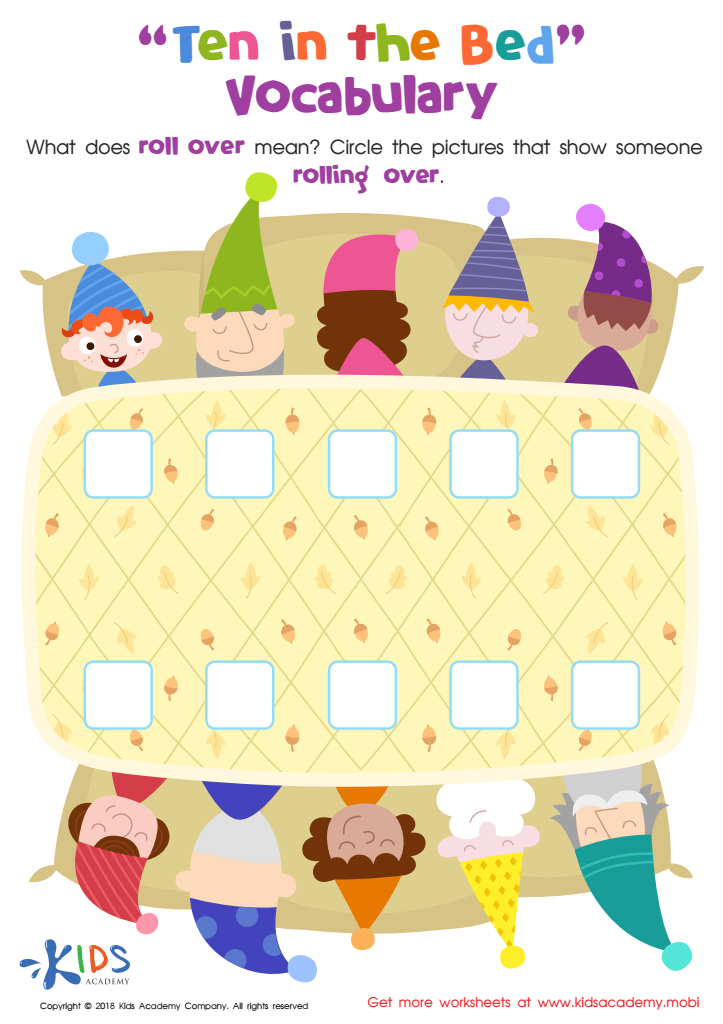
Ten in the Bed: Vocabulary Worksheet
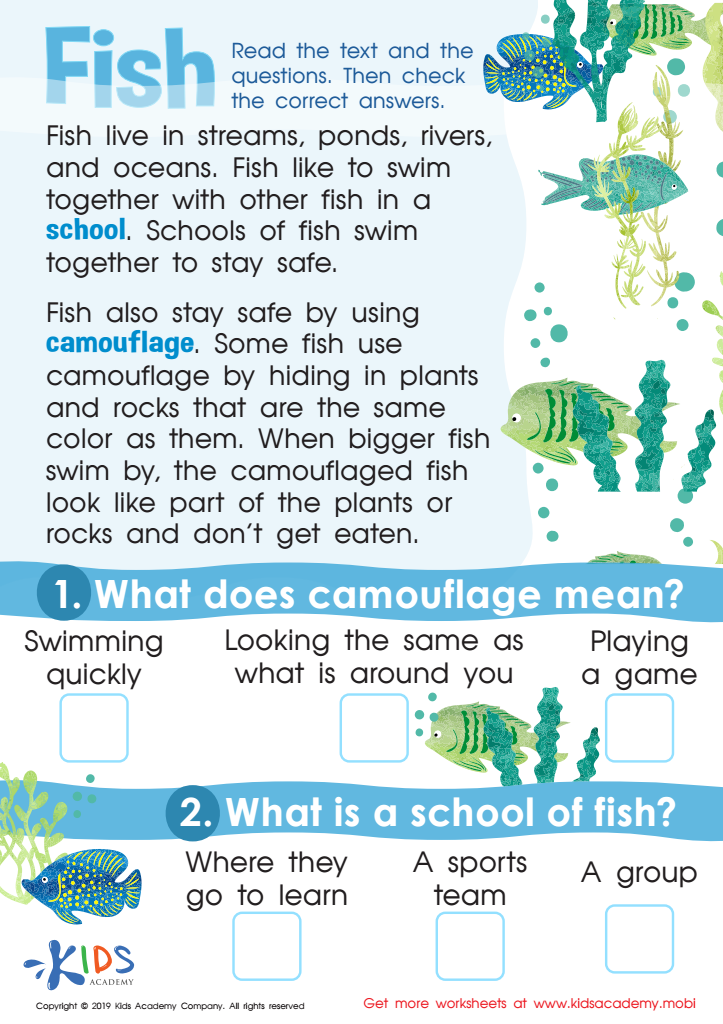
Fish Worksheet
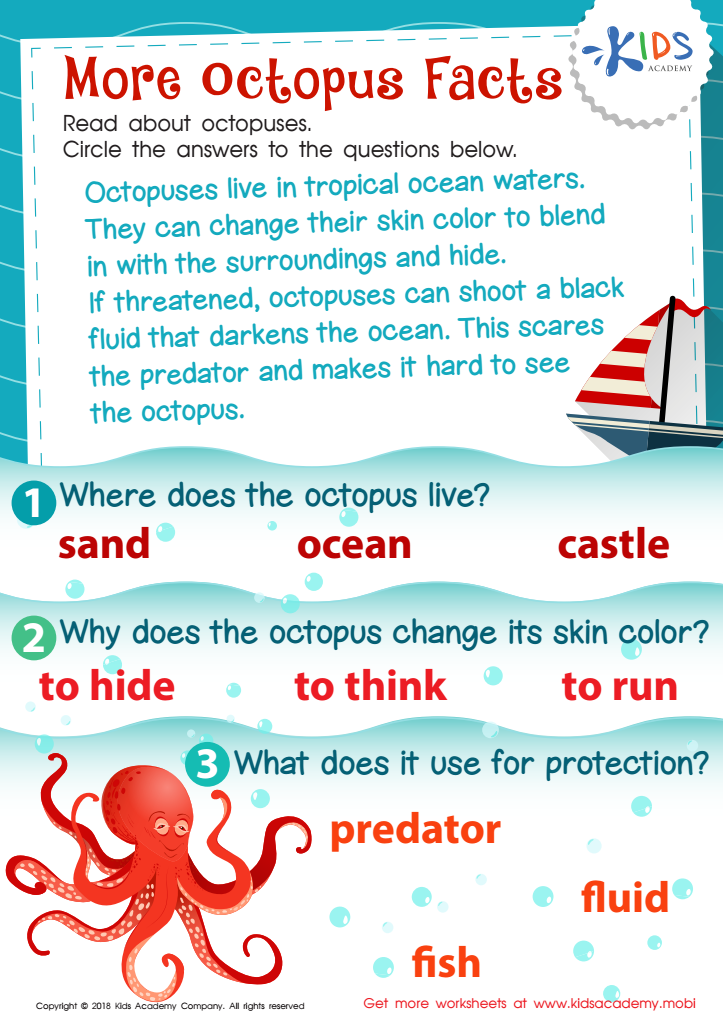
More Octopus Facts Worksheet
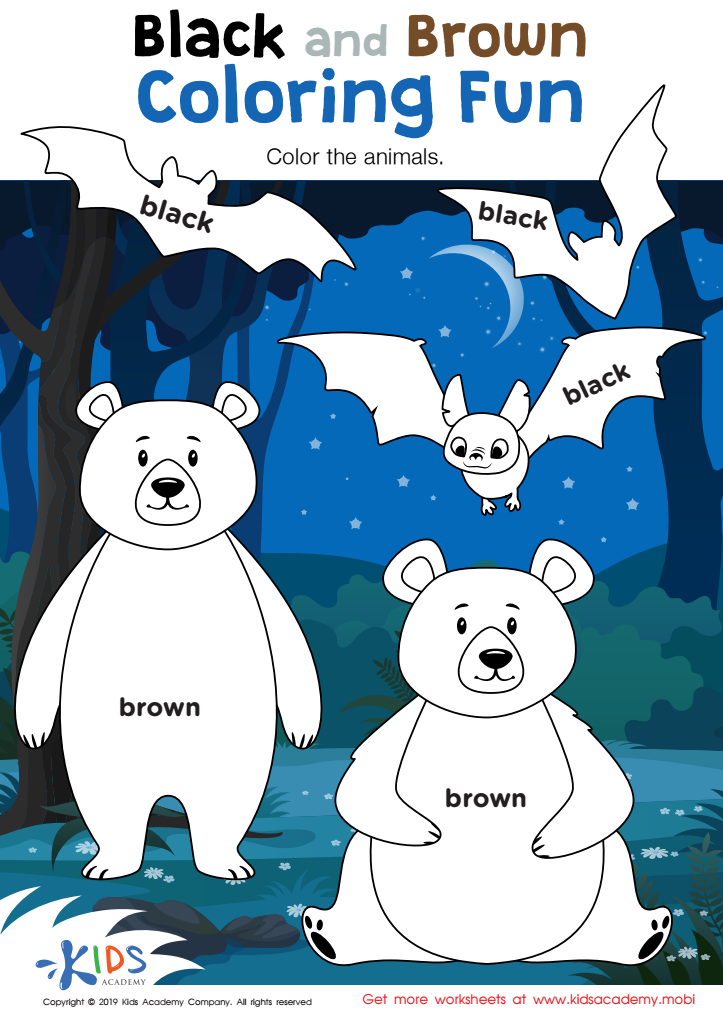
Black and Brown Coloring Fun Worksheet
Assign to My Students
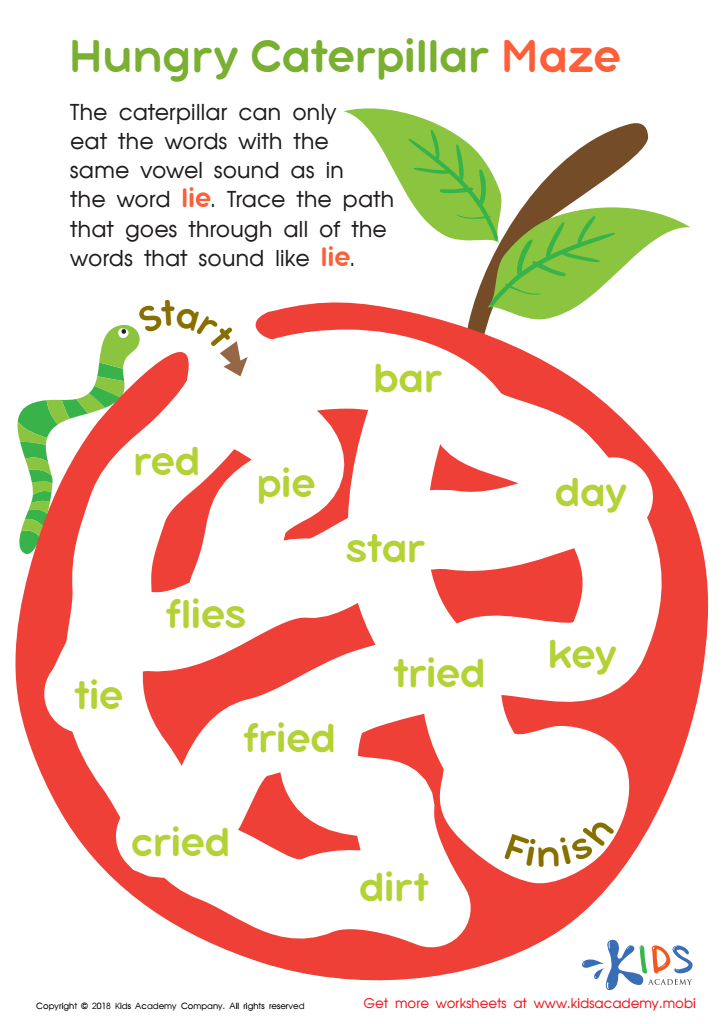
Hungry Caterpillar Maze Worksheet
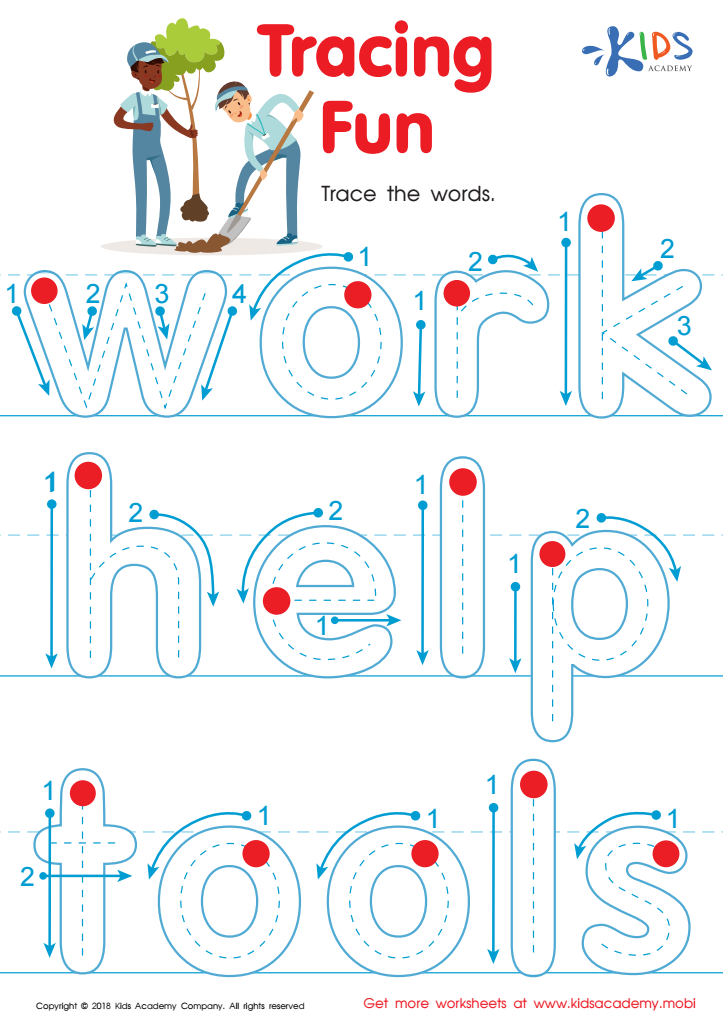
Tracing Fun Worksheet
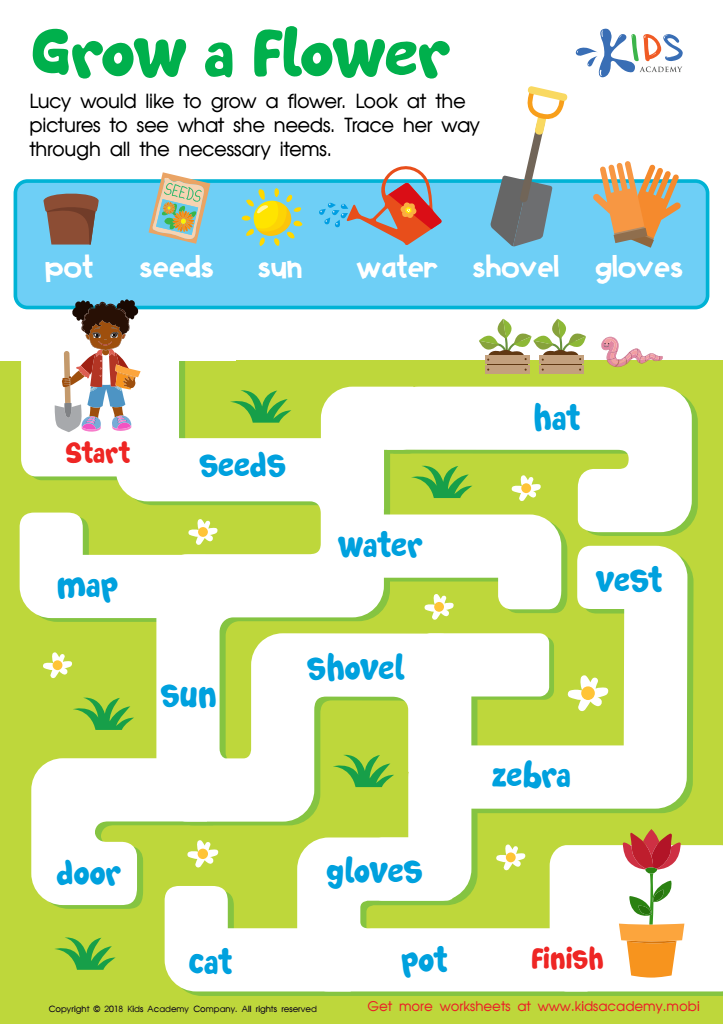
Grow a Flower Worksheet
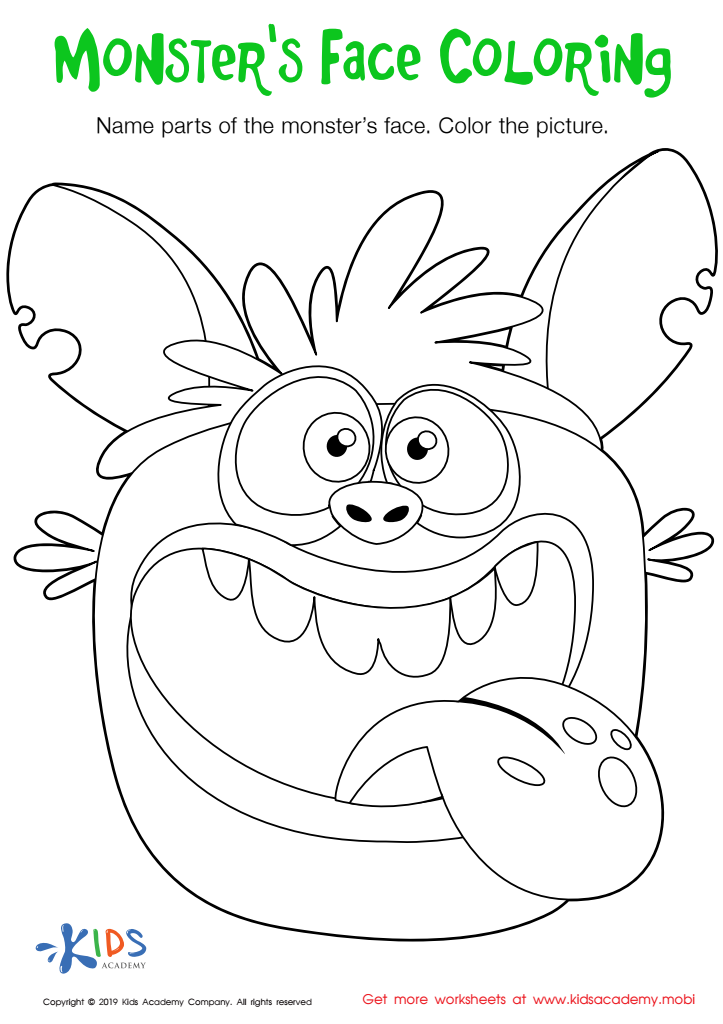
Monster's Face Coloring Worksheet
Assign to My Students
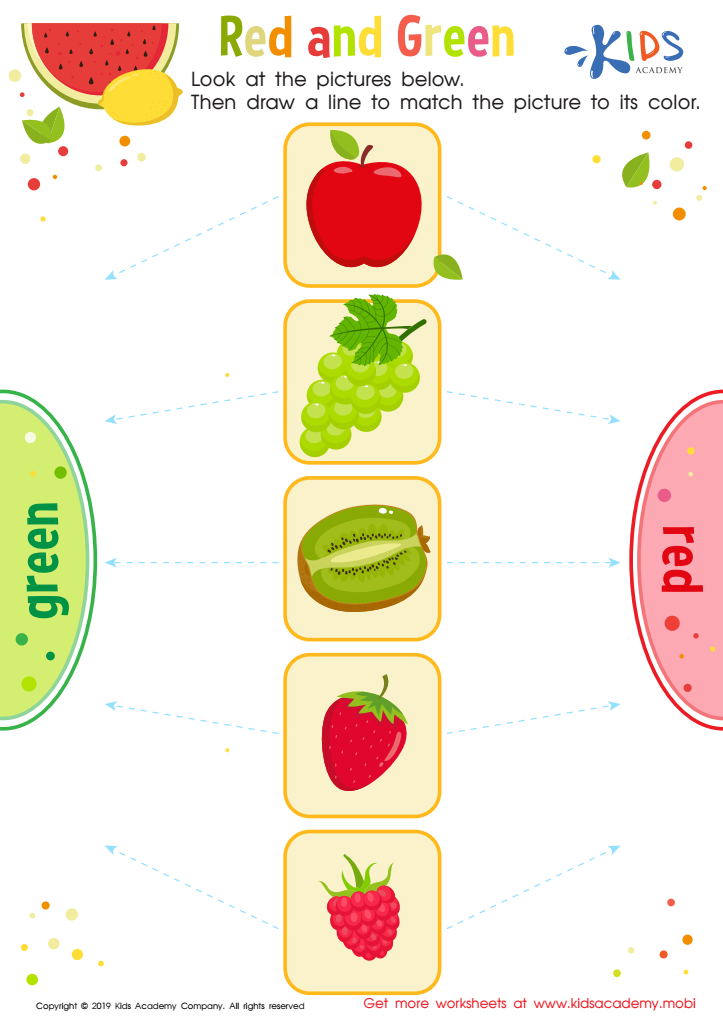
Red and Green Worksheet
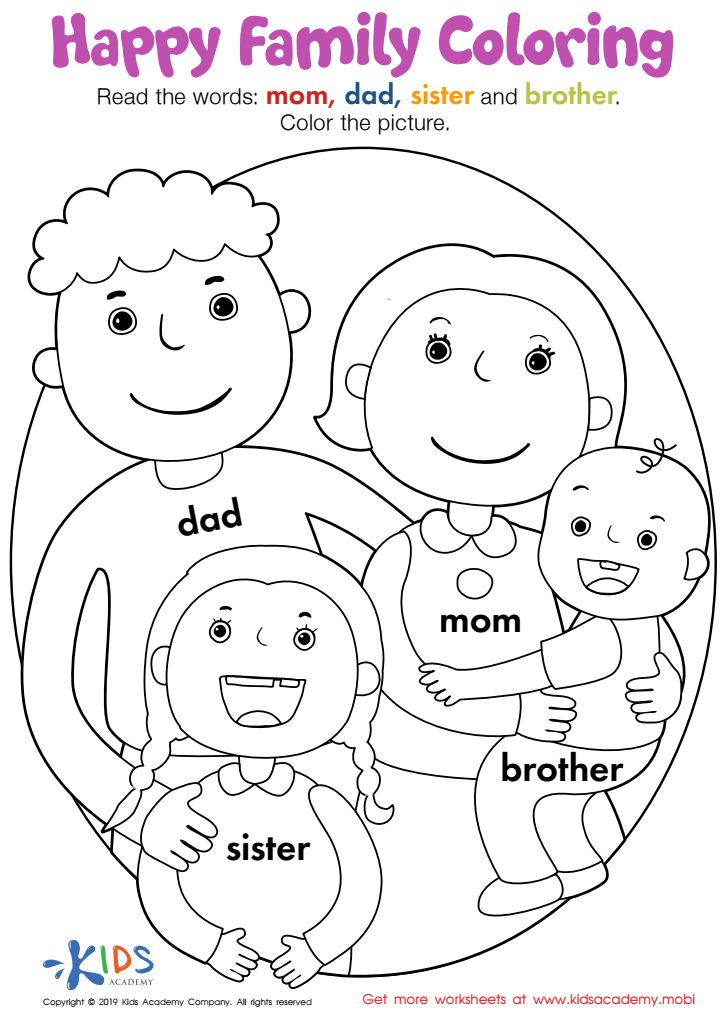
Happy Family Coloring Worksheet
Assign to My Students
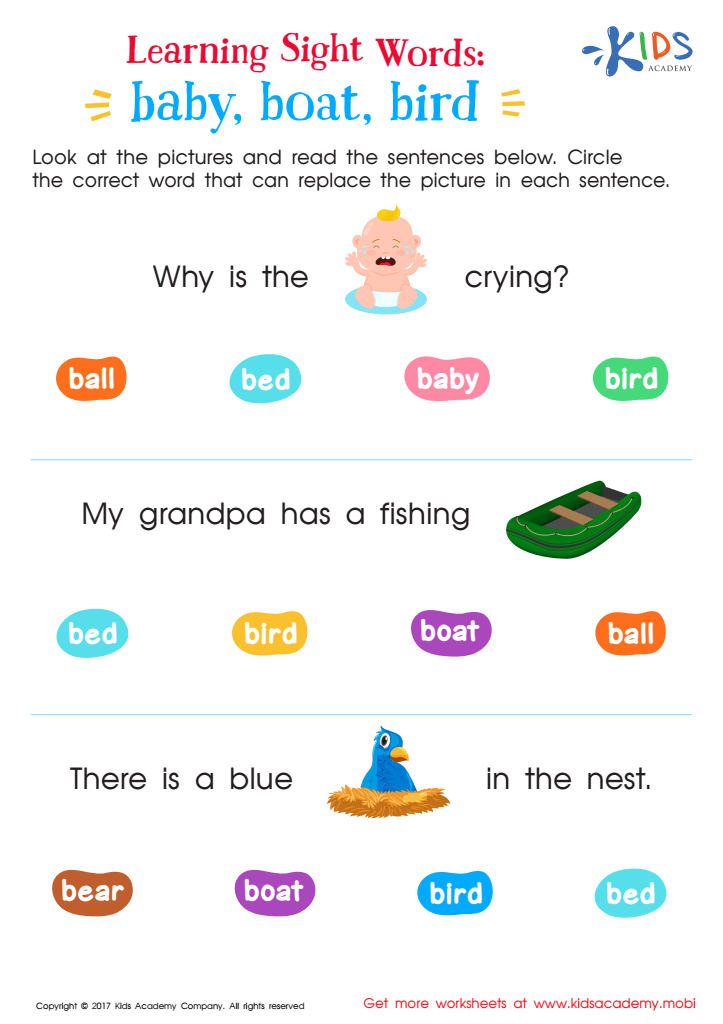
Baby, Boat, Bird Worksheet Sight Words Worksheet
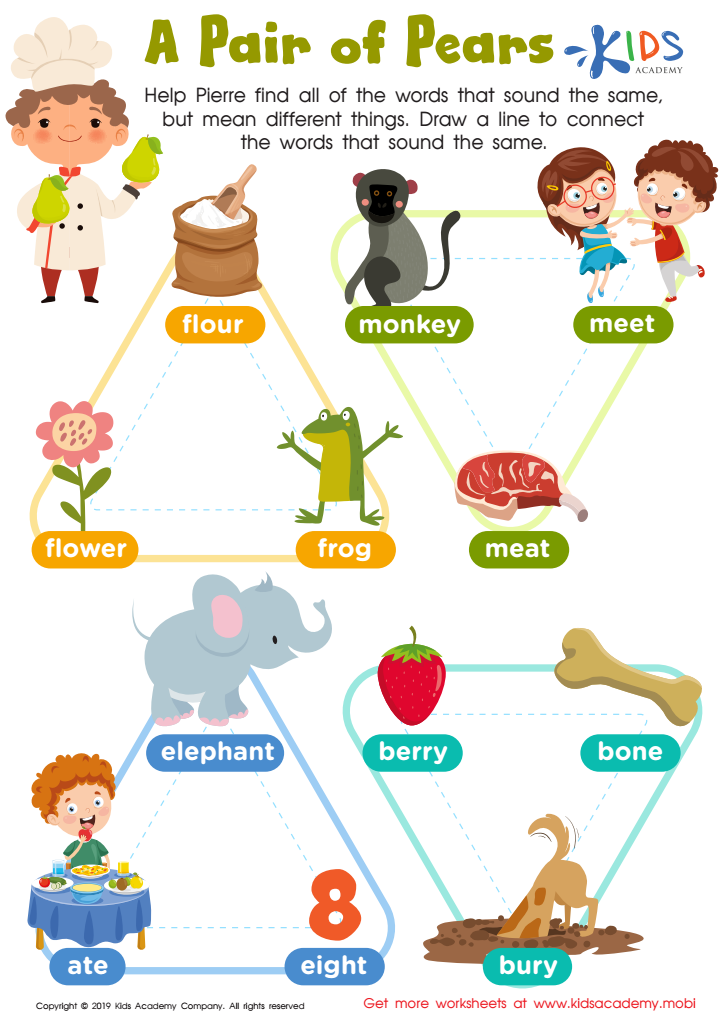
Pair Pears Worksheet
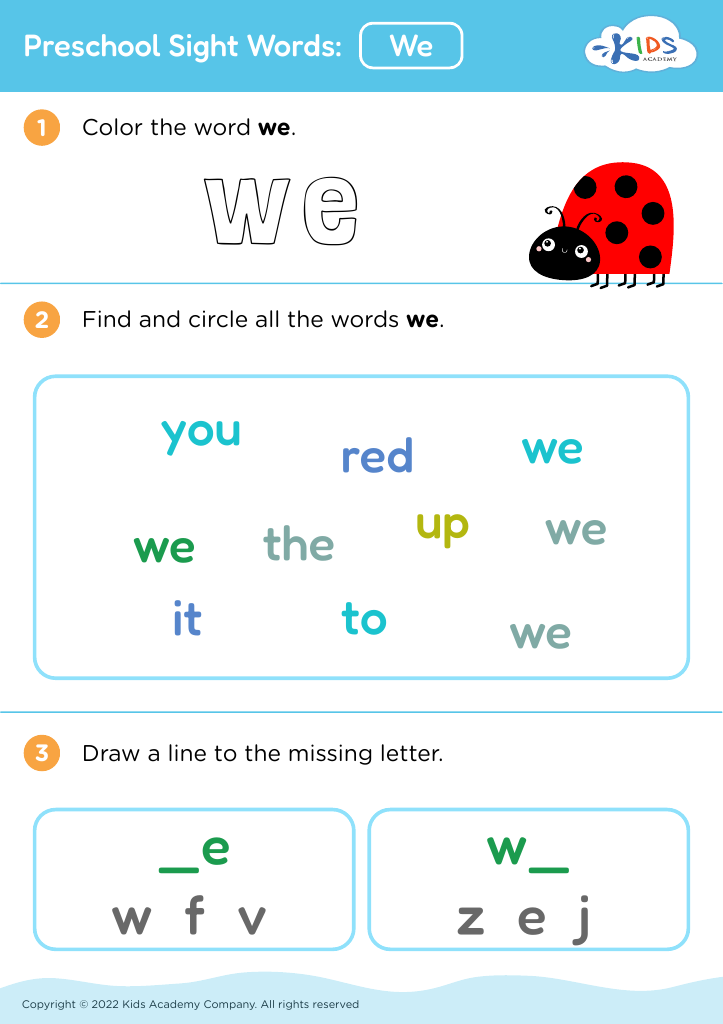
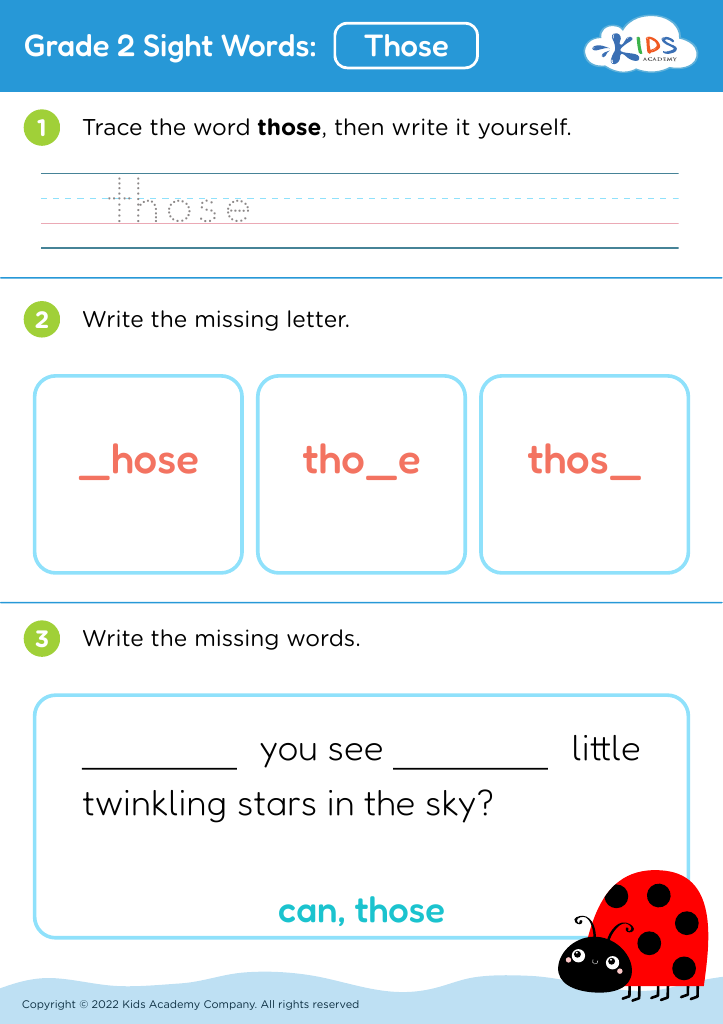
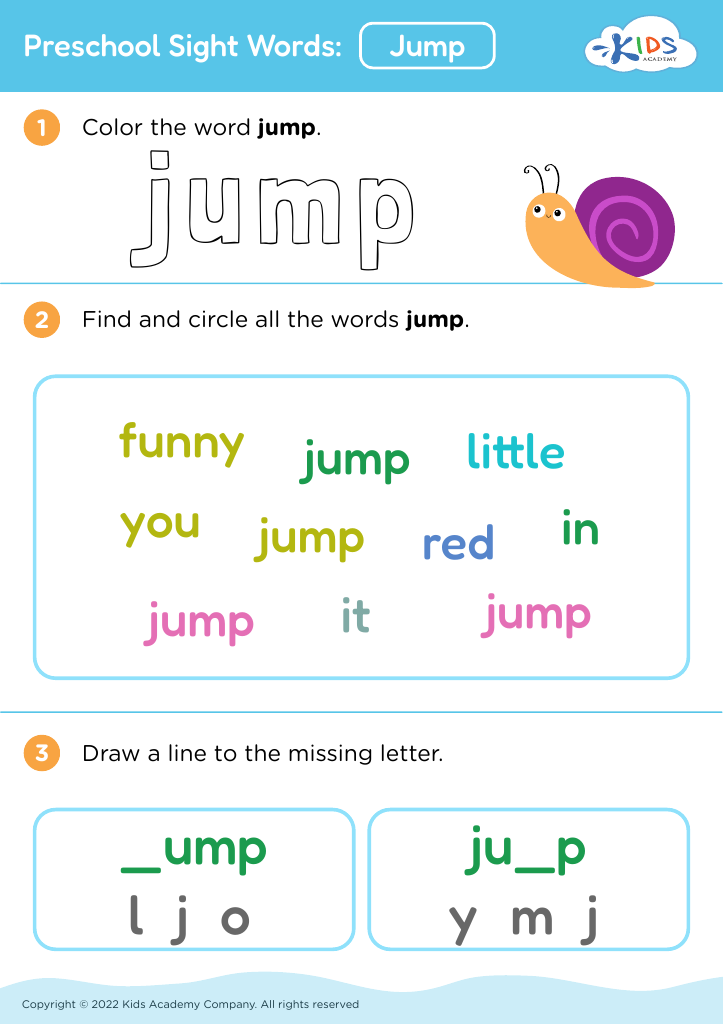
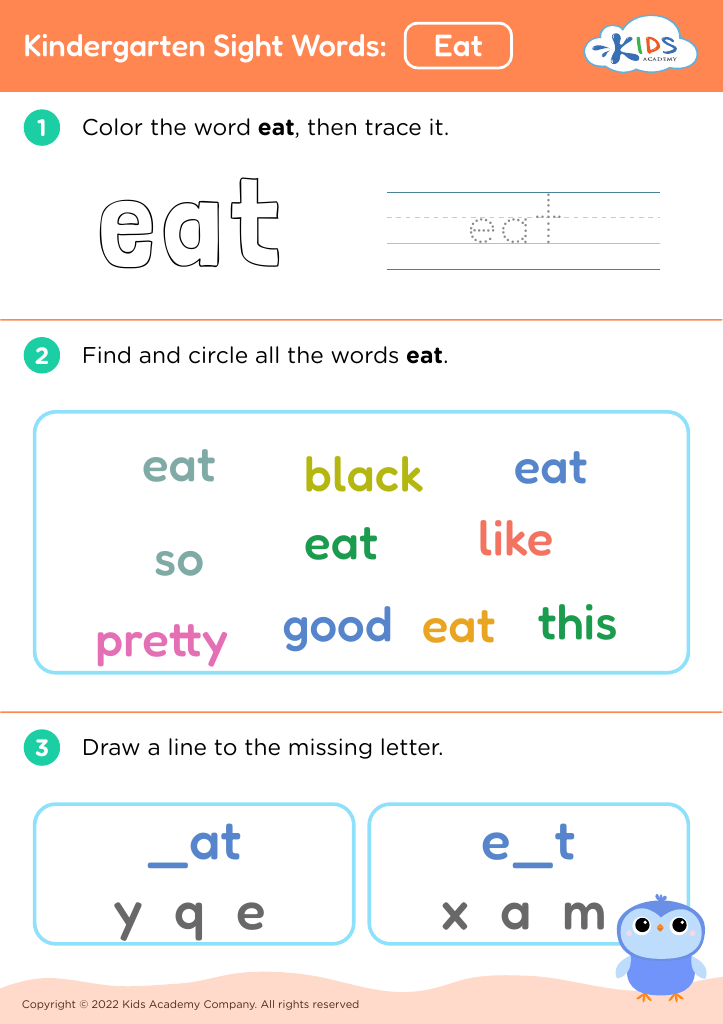








Fine motor skills are crucial for children aged 3-7 as they significantly impact their overall development, including academic success and daily functioning. These skills involve the coordination of small muscles in the hands and fingers, enabling children to perform essential tasks such as writing, drawing, and manipulating small objects.
By fostering fine motor skills early on, parents and teachers help children develop the dexterity required for various activities in school and at home. This includes tasks like holding a pencil correctly, tying shoelaces, and buttoning shirts, which promote independence and self-confidence.
Building vocabulary related to fine motor skills also holds significant importance. When children learn new terms and concepts linked to these skills—such as "pinch," "squeeze," or "twist"—they enhance their language development, cognitive skills, and ability to communicate effectively. A strong vocabulary allows children to express their thoughts and feelings adequately, promoting social interactions and academic discourse.
Ultimately, an emphasis on developing fine motor skills and vocabulary not only prepares children for school readiness but also equips them with the tools necessary for lifelong learning and practical problem-solving. Engaging in purposeful activities that cultivate these skills is essential for nurturing well-rounded and capable individuals.








