Improve reading comprehension Building Vocabulary Worksheets for Ages 3-7
5 filtered results
-
From - To
Boost your child’s reading comprehension with our engaging Building Vocabulary Worksheets designed for ages 3-7! These interactive resources help young learners expand their vocabulary through fun exercises and activities. Each worksheet promotes essential skills such as word recognition, context understanding, and effective decoding strategies. Perfect for preschool and early elementary students, our worksheets cultivate a love for reading while strengthening their ability to grasp core concepts and ideas in texts. Whether at home or in the classroom, these materials provide an enjoyable way to enhance literacy skills. Start your child’s reading journey today with our comprehensive resources!
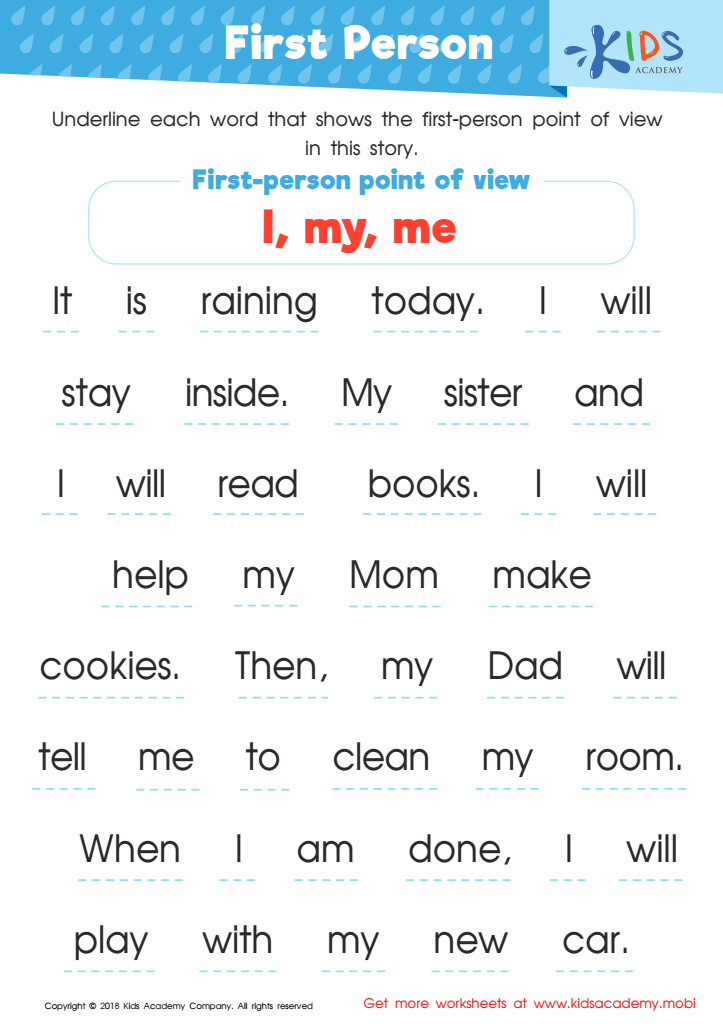
First Person Worksheet
 Assign to My Students











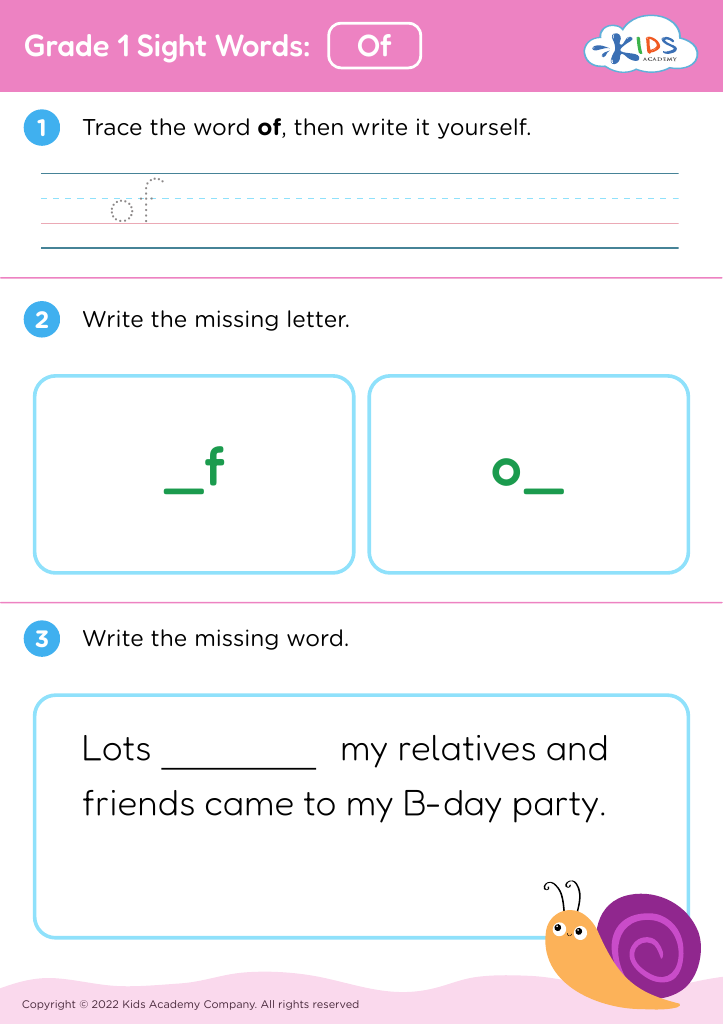
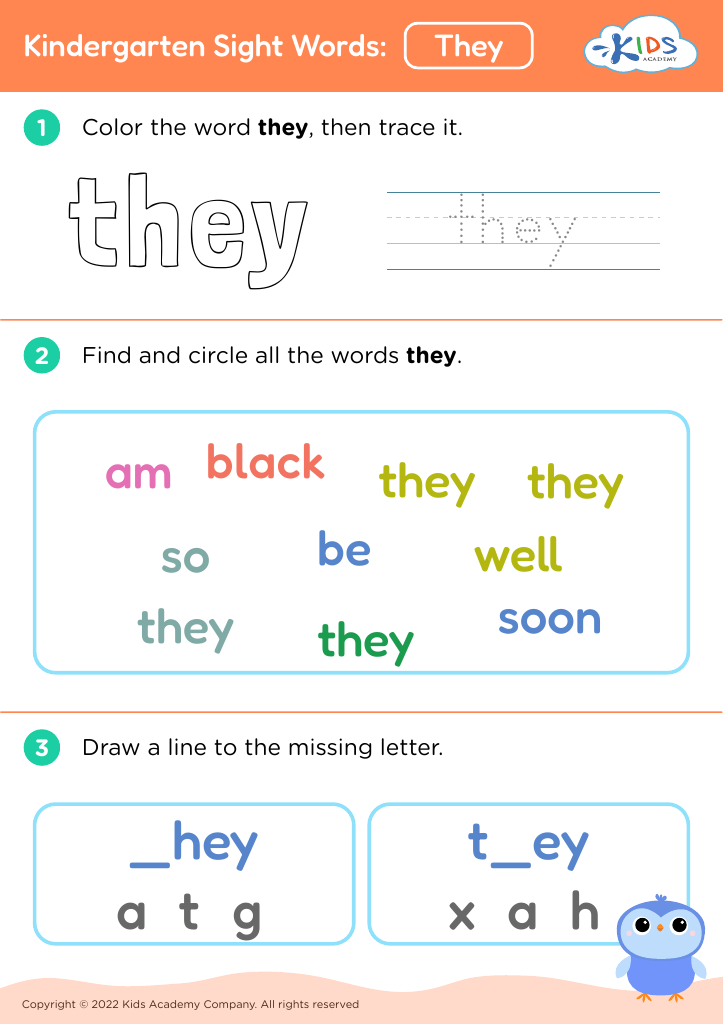
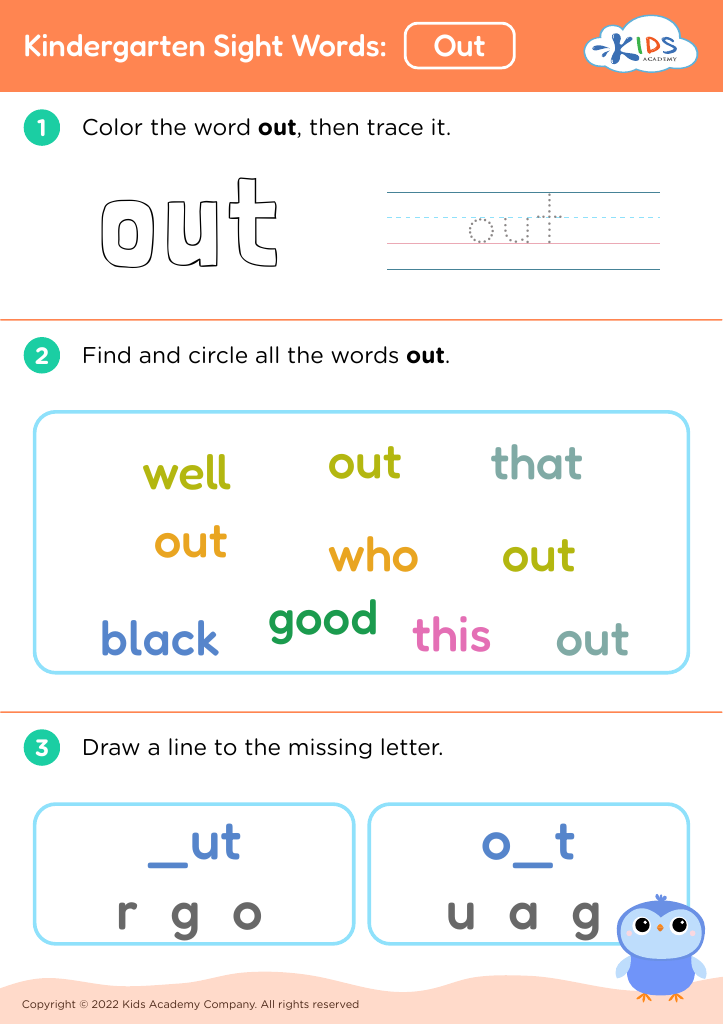
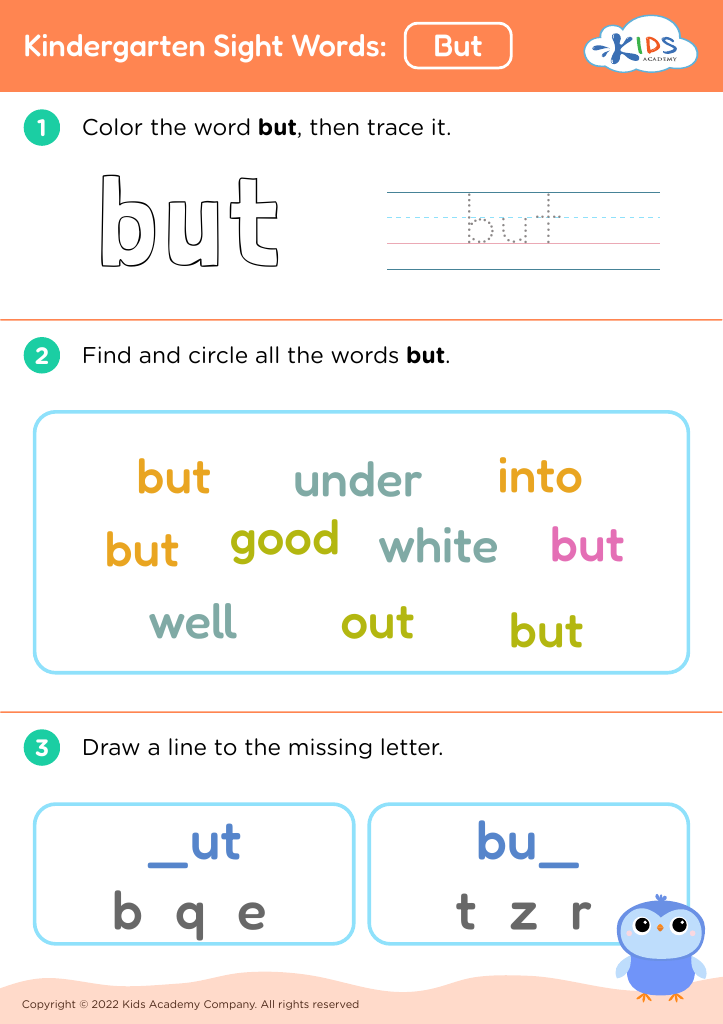







.jpg)
Parents and teachers should prioritize improving reading comprehension and building vocabulary for children aged 3-7 because these foundational skills are crucial for overall academic success and lifelong learning. During these years, children's brains are rapidly developing, and they are naturally inclined to learn language and meanings. Enhancing vocabulary at this stage leads to better understanding and retention of information, allowing children to express themselves more effectively and to grasp concepts in various subjects.
Strong reading comprehension fosters critical thinking, enabling children to analyze information, make connections, and engage with texts more deeply. This skill aids in their ability to follow narratives, understand instructions, and participate in discussions, laying the groundwork for effective communication.
Moreover, a robust vocabulary not only improves reading skills but also enhances oral language abilities, facilitating smoother interactions with peers and adults. When children encounter new words regularly through reading and conversations, they become more confident in their language use.
Ultimately, nurturing reading comprehension and vocabulary early on leads to enthusiastic learners who are better equipped to navigate their educational journeys, promoting a positive attitude towards reading that can extend into adulthood. For parents and teachers, investing in these skills means investing in a child's future.








