Logical Reasoning Building Vocabulary Worksheets for Ages 3-7
8 filtered results
-
From - To
Discover our engaging Logical Reasoning Building Vocabulary Worksheets designed for children ages 3 to 7. These interactive worksheets promote critical thinking skills while enhancing vocabulary understanding. Young learners will explore patterns, categorize objects, and draw connections through fun activities that make learning enjoyable. Each worksheet encourages children to solve puzzles and answer questions that stimulate their logical reasoning capabilities. Not only do these worksheets bolster language skills, but they also foster creativity and analytical thinking. Perfect for parents and educators alike, our resource is a stepping stone for early literacy and cognitive development, making learning a delightful adventure for your little ones!
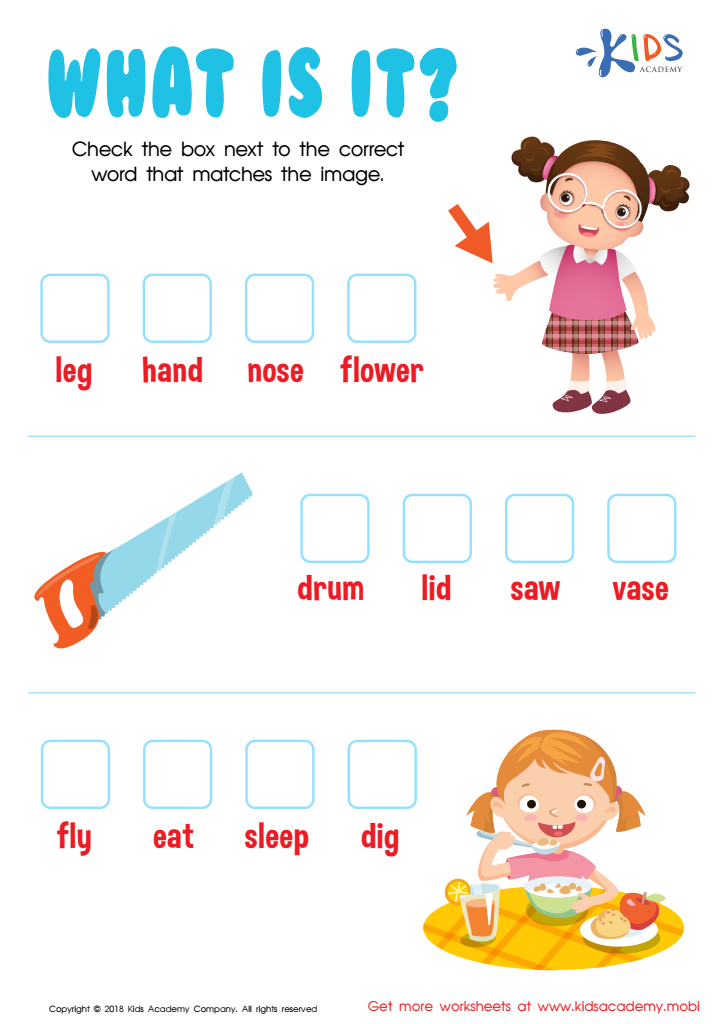
What Is It? Worksheet
 Assign to My Students











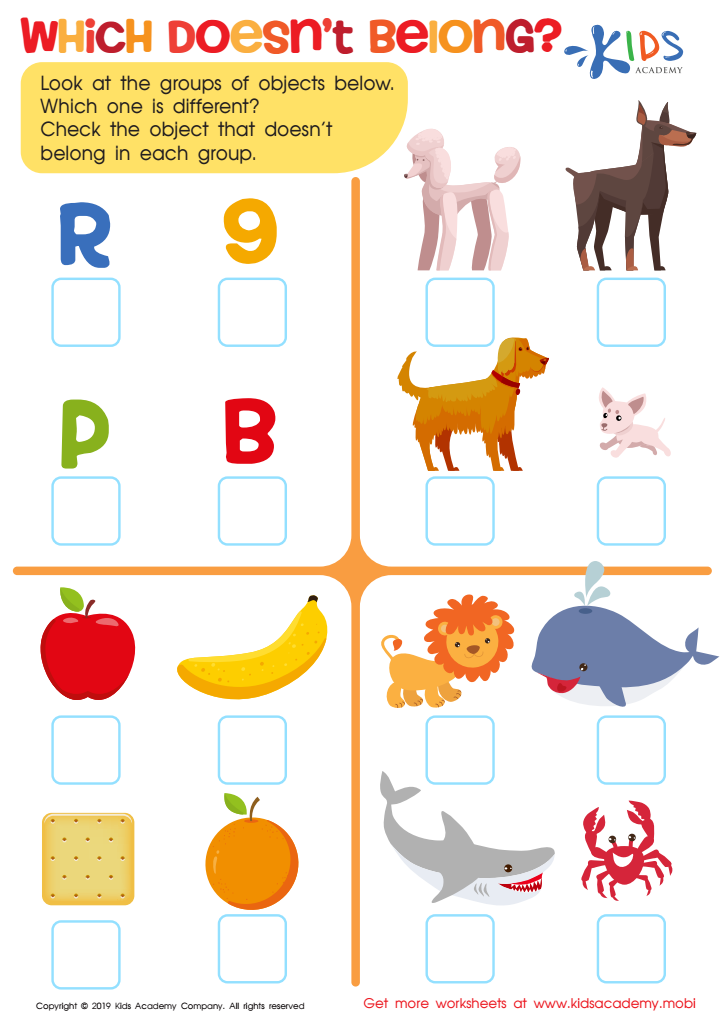
Which Doesn't Belong? Worksheet
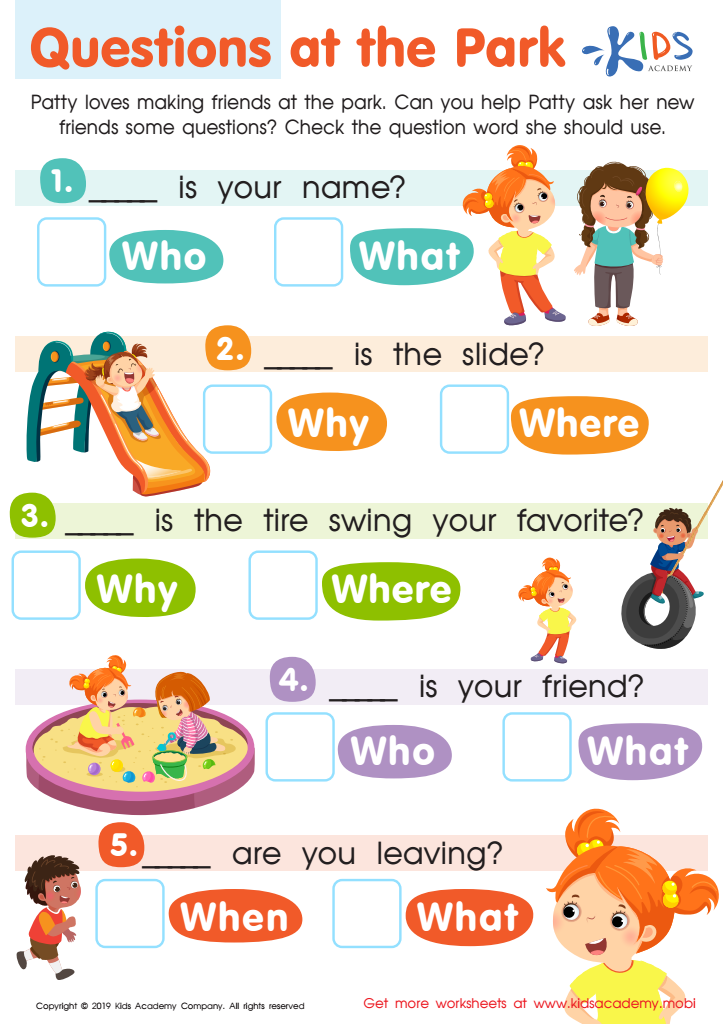
Questions at the Park Worksheet
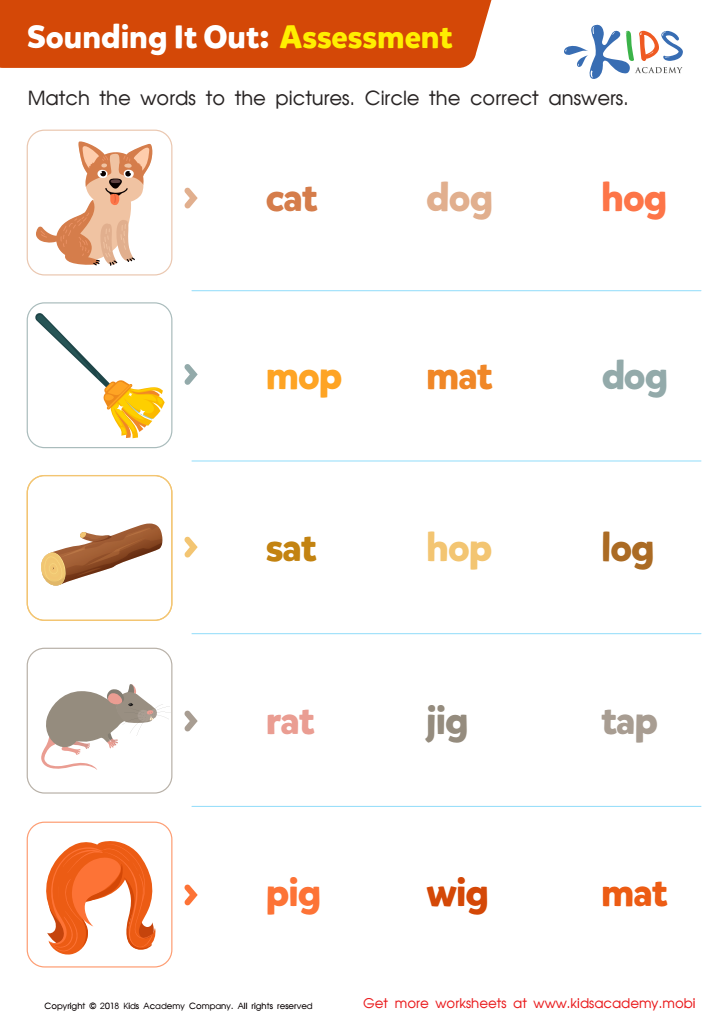
Sounding it Out: Assessment Worksheet
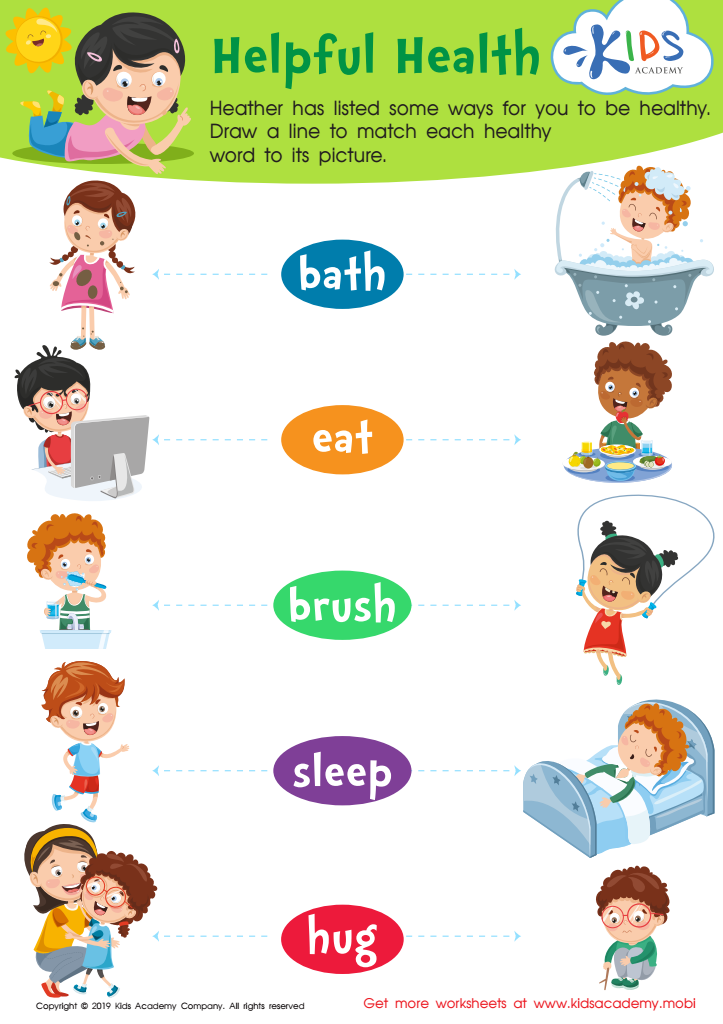
Helpful Health Worksheet
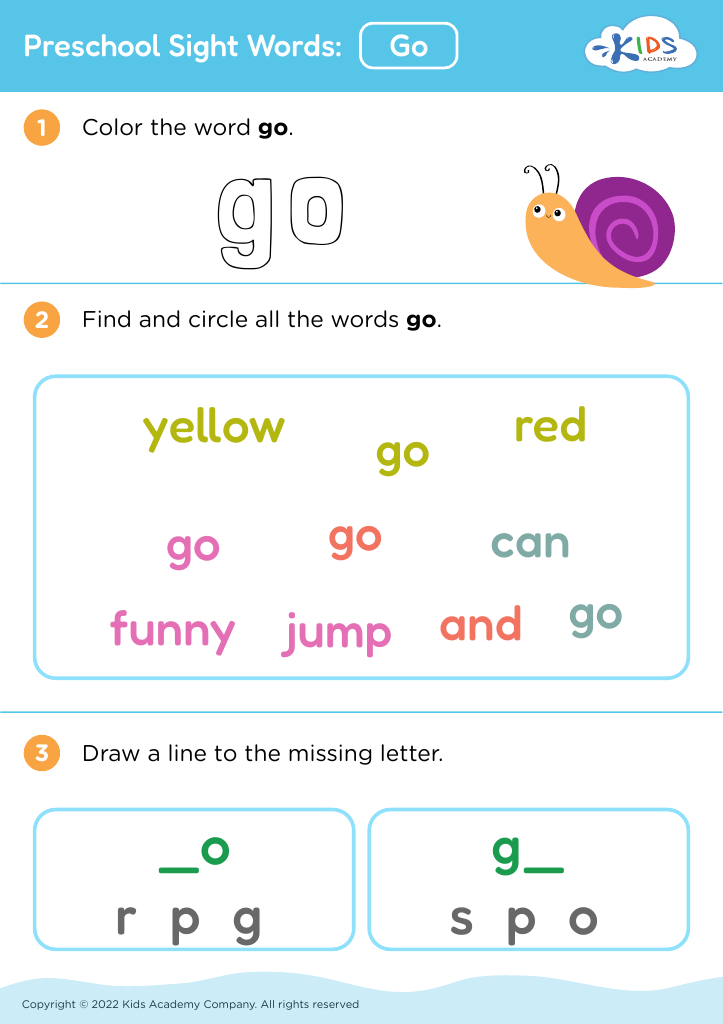
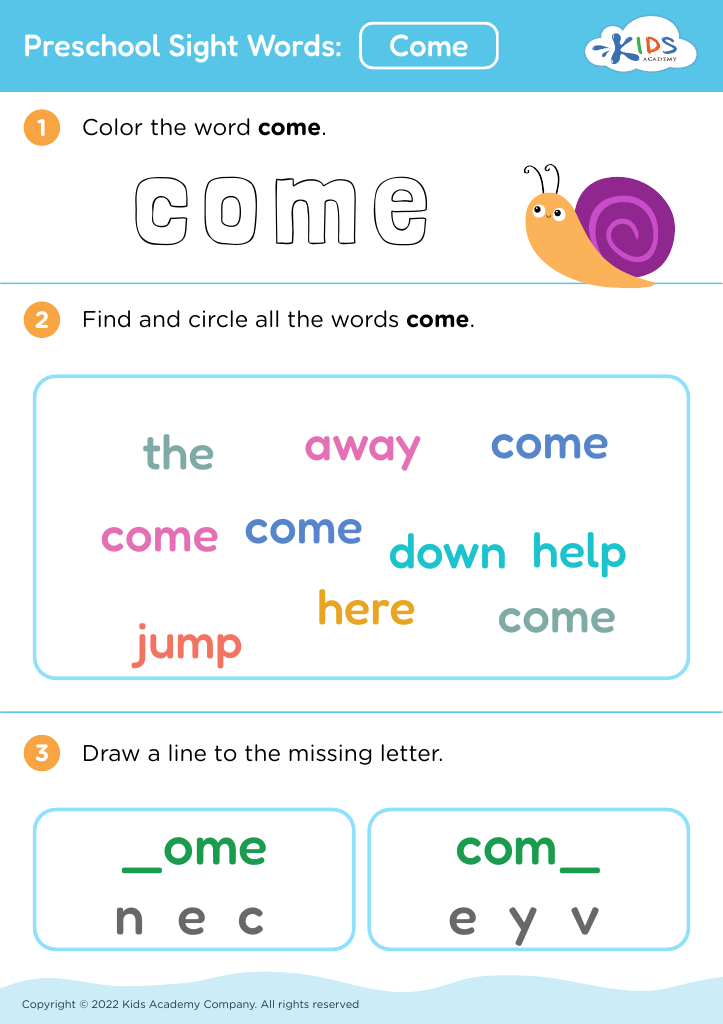
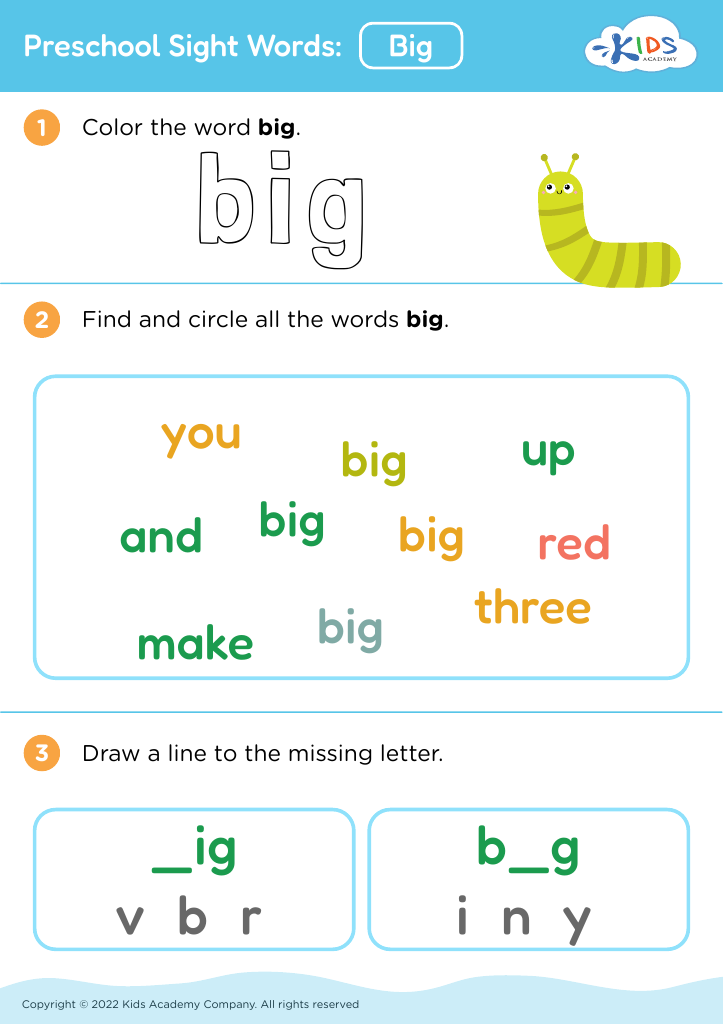








Logical reasoning and vocabulary development are critical building blocks in early childhood education. For children aged 3-7, fostering these skills can significantly impact their academic and social success. Logical reasoning helps children understand cause and effect, recognize patterns, and solve problems. These skills encourage them to think critically and independently, fostering resilience and adaptability as they encounter new challenges.
Building vocabulary during these formative years is equally important, as rich language skills are closely tied to reading comprehension and expression. A strong vocabulary allows children to articulate their thoughts and feelings, enhancing communication with peers and adults. When parents and teachers engage in activities that broaden vocabulary—like storytelling, interactive conversations, and educational games—they not only enrich language skills but also encourage a love for learning.
Moreover, the integration of logic and vocabulary enables children to make connections between concepts, facilitating a deeper understanding of the world around them. By nurturing these foundational skills, parents and teachers equip children with the tools they need to succeed academically and socially throughout their lives. Supporting logical reasoning and vocabulary development creates a more engaging and effective learning environment, laying the groundwork for future educational achievements.








