Recognizing Patterns Building Vocabulary Worksheets for Ages 3-7
5 filtered results
-
From - To
Recognizing Patterns Building Vocabulary Worksheets for Ages 3-7
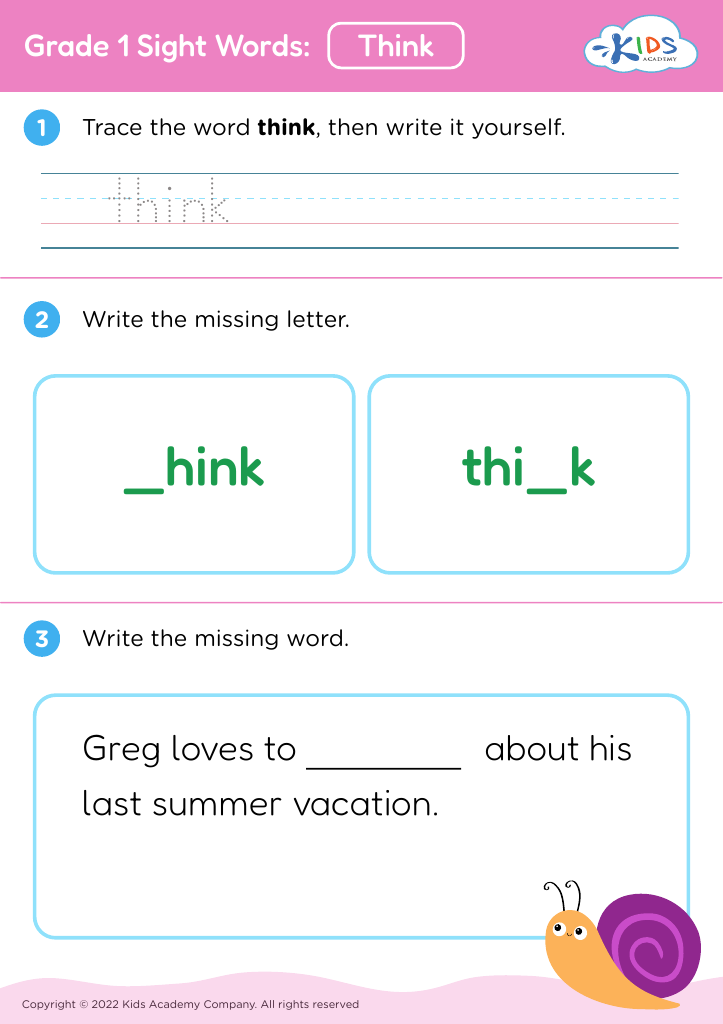
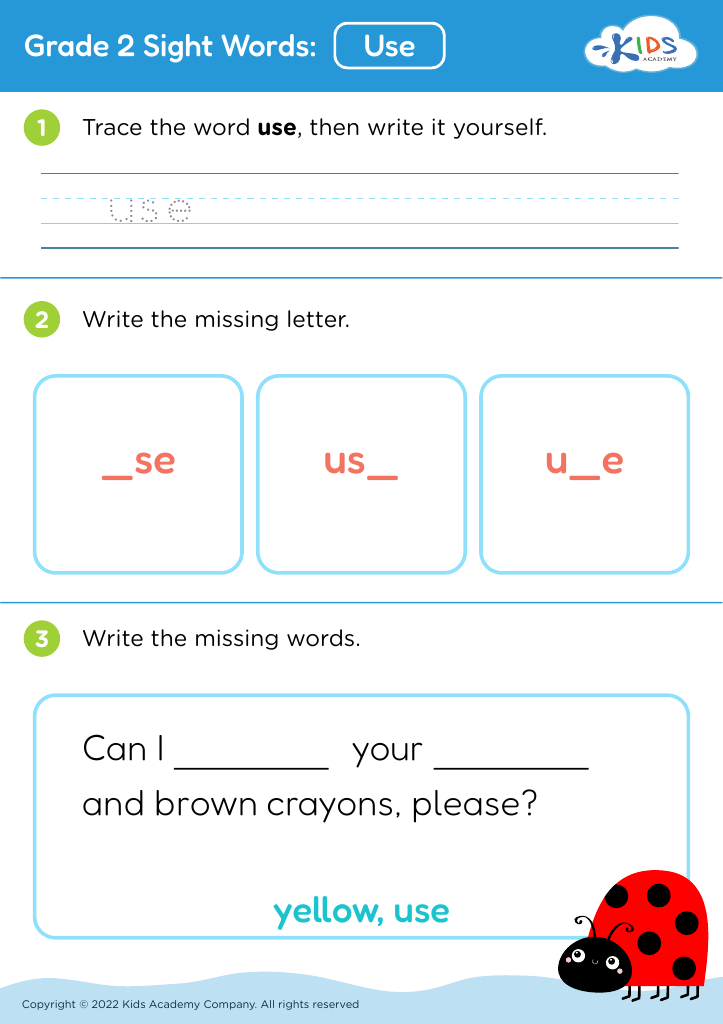
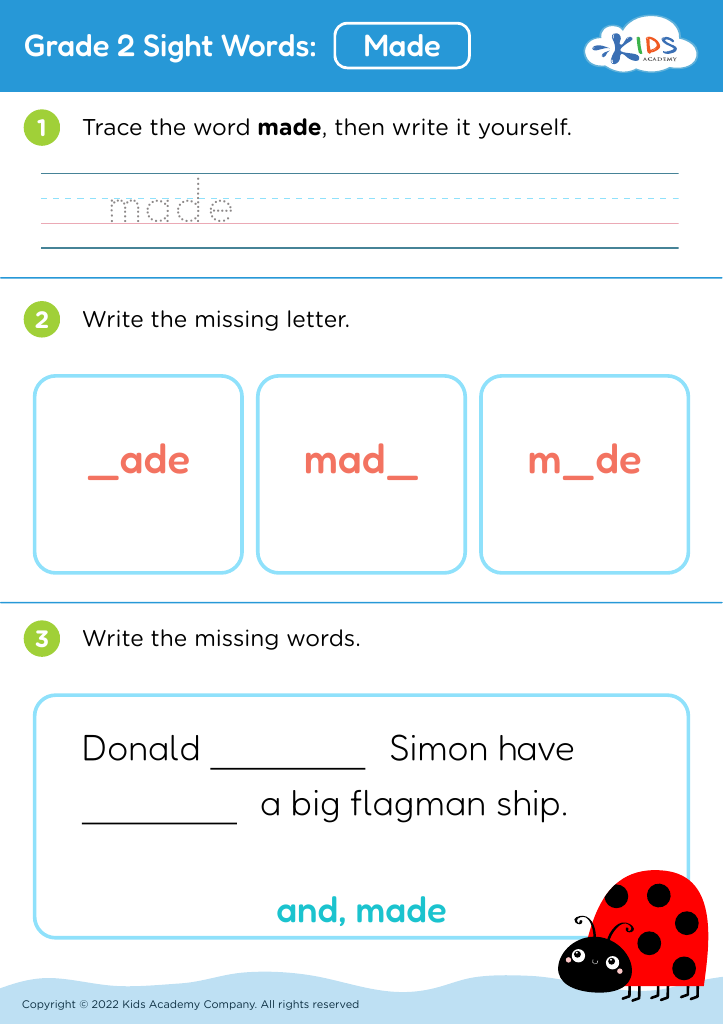
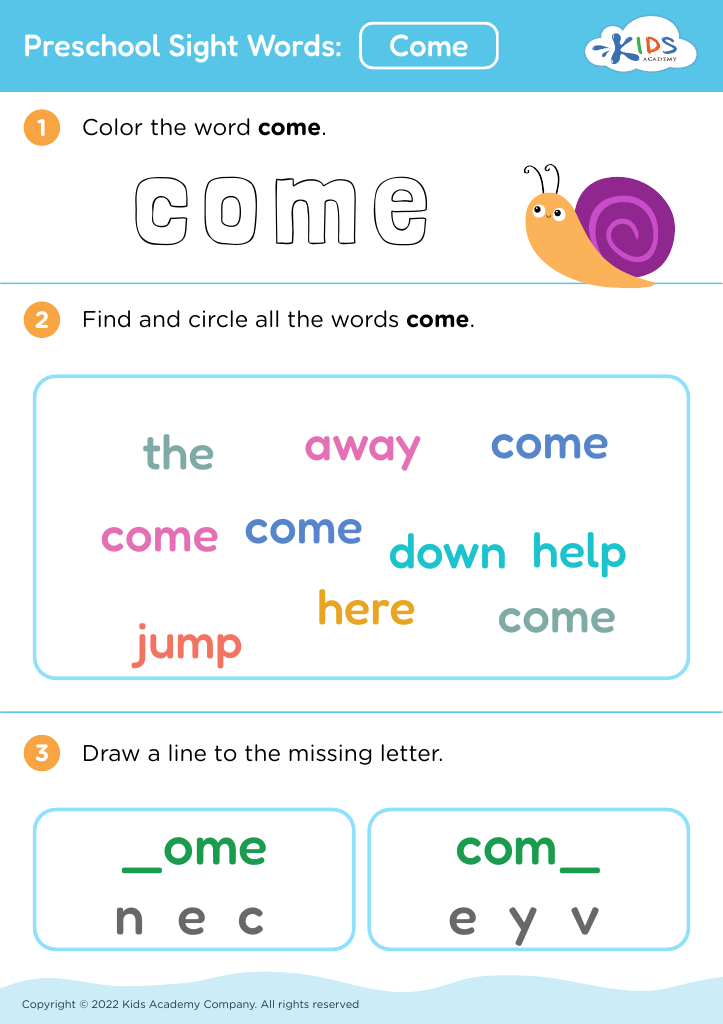
Enhance your child's vocabulary with our engaging worksheets focused on recognizing patterns. Designed for ages 3-7, these resources help young learners identify and understand repetitive sequences while expanding their language skills. Incorporating colorful visuals and interactive activities, each worksheet promotes cognitive development, improves critical thinking, and fosters a love for reading. Perfect for at-home practice or classroom use, our printables offer a fun and effective way to build a strong vocabulary foundation. Encourage the young minds to explore our diverse range of learning tools tailored for early reading success.











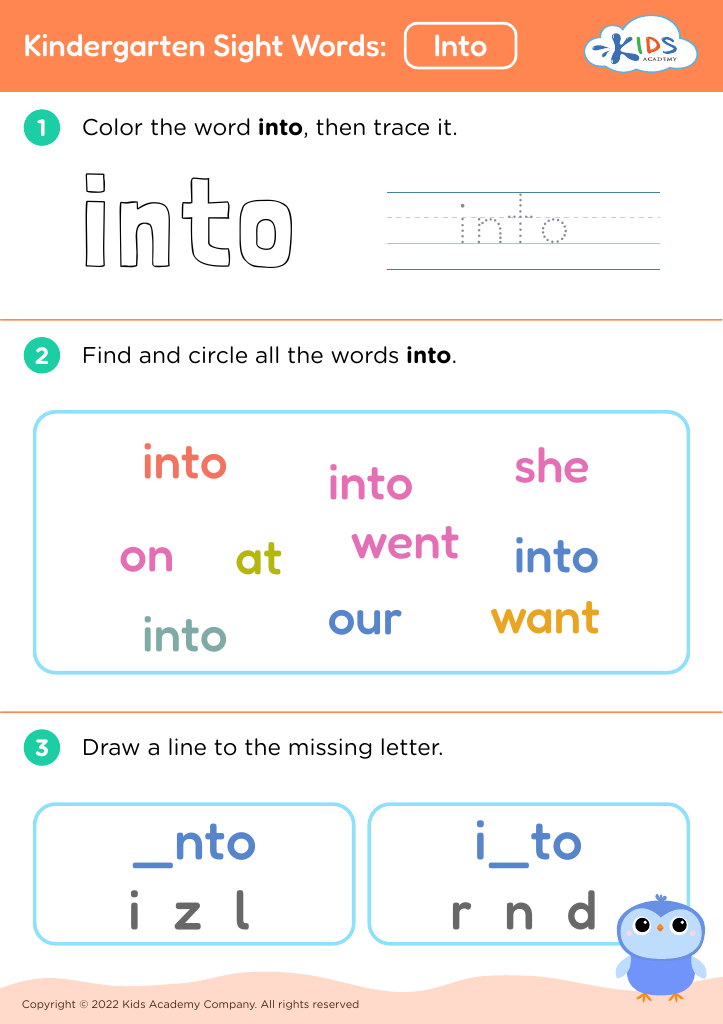








Recognizing patterns and building vocabulary in early childhood is crucial for cognitive and linguistic development. Patterns serve as foundational cognitive skills; they help children predict sequences, understand relationships, and develop problem-solving abilities. Recognizing patterns in daily activities—like sorting shapes or creating rhythms—enhances mathematical thinking and lays the groundwork for more complex concepts in later years.
Building a robust vocabulary between ages 3 and 7 is equally vital. During this critical period, children are exceptionally receptive to language acquisition. A strong vocabulary not only improves communication skills but also boosts reading comprehension and academic achievement in future grades. Engaging with a rich array of words through conversation, reading, and play helps children express themselves more clearly and understand others better.
Parents and teachers should prioritize these skills to foster a stimulating learning environment. By embedding pattern recognition and vocabulary-building activities into daily routines, they can support holistic cognitive development. Reading stories, playing word games, and encouraging exploratory play are simple yet effective methods. Early intervention in these areas sets the stage for lifelong learning, cultivates curiosity, and equips children with the tools they need for future academic and social success.








