Recognizing shapes Building Vocabulary Worksheets for Ages 3-7
9 filtered results
-
From - To
Discover our "Recognizing Shapes Building Vocabulary Worksheets for Ages 3-7," designed to blend play and learning. These engaging printables help young children identify basic shapes while boosting their vocabulary and reading skills. Fun activities cultivate shape recognition, encourage problem-solving, and develop fine motor skills. Ideal for classrooms or at-home learning, our worksheets promote critical thinking and build a strong foundation for early learners. Tailored for ages 3-7, these resources support children as they embark on their educational journey, turning each learning milestone into a playful adventure. Unlock your child's potential with our expertly crafted worksheets.
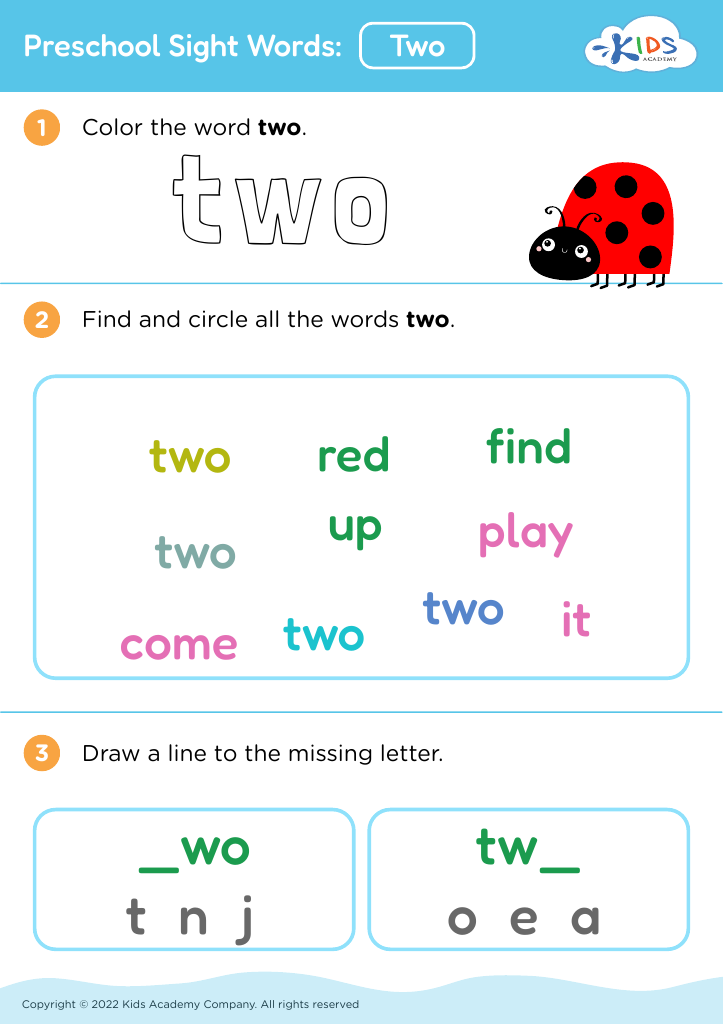











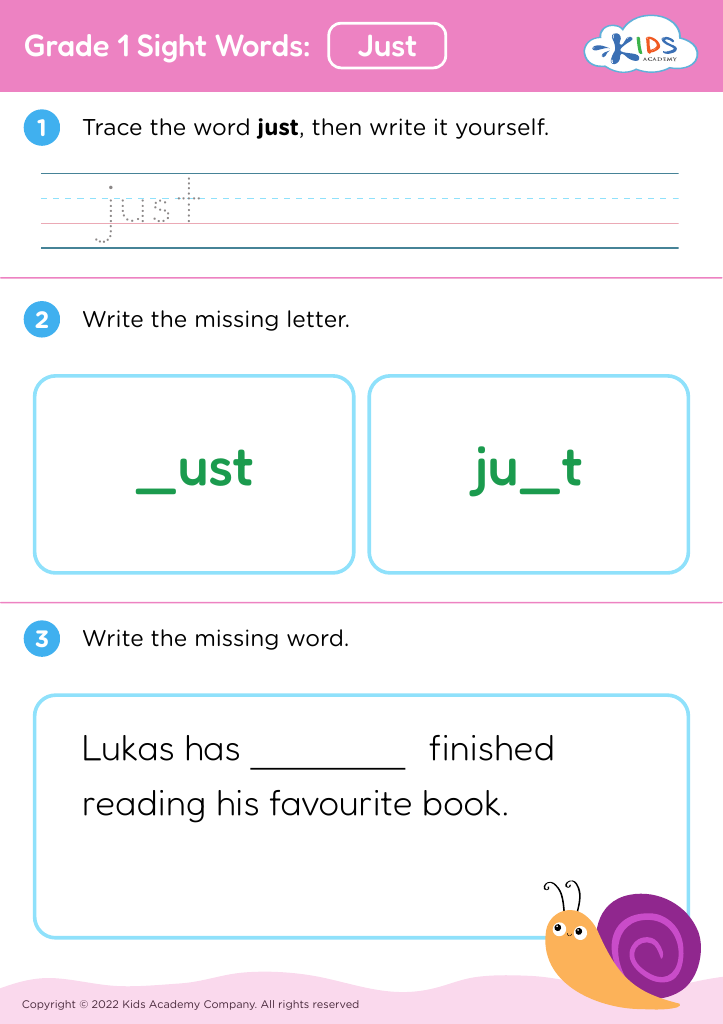
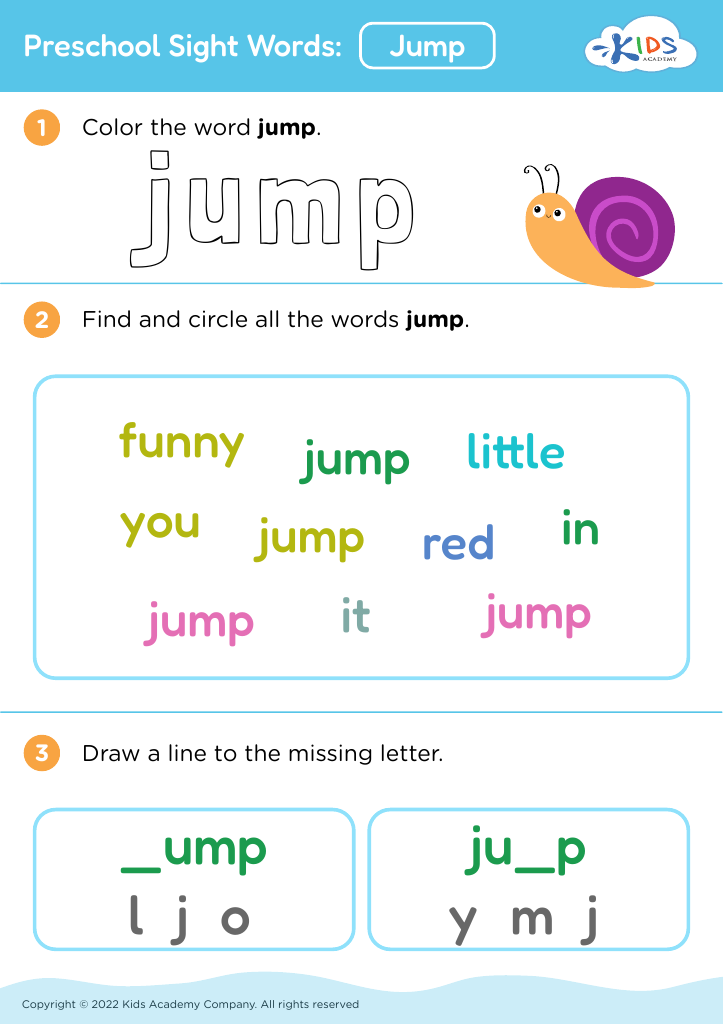
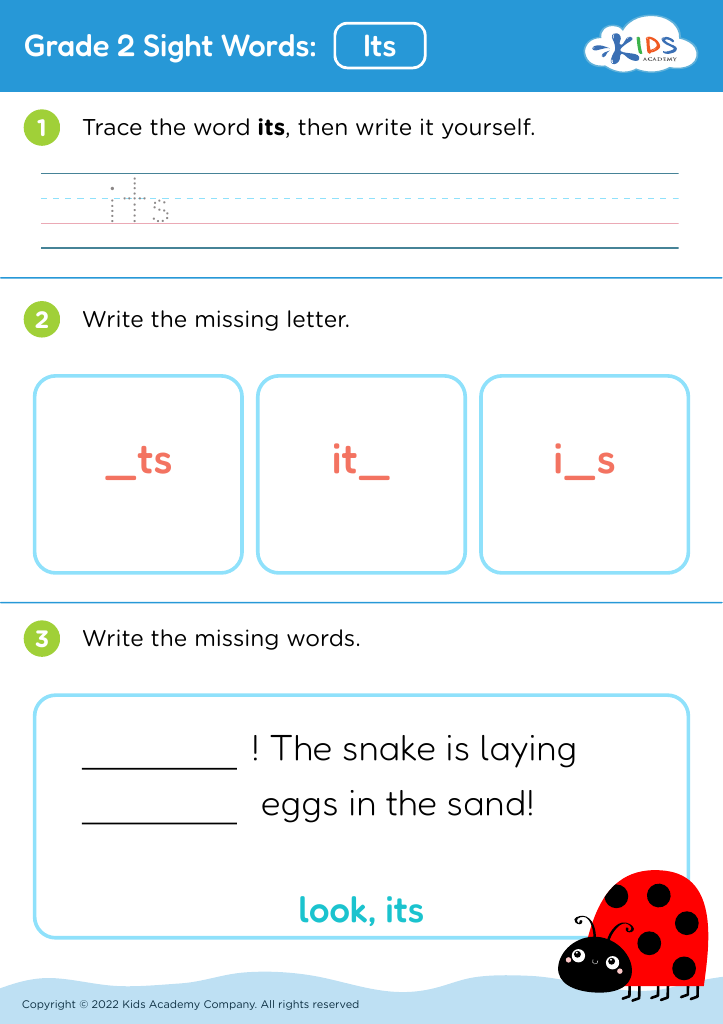
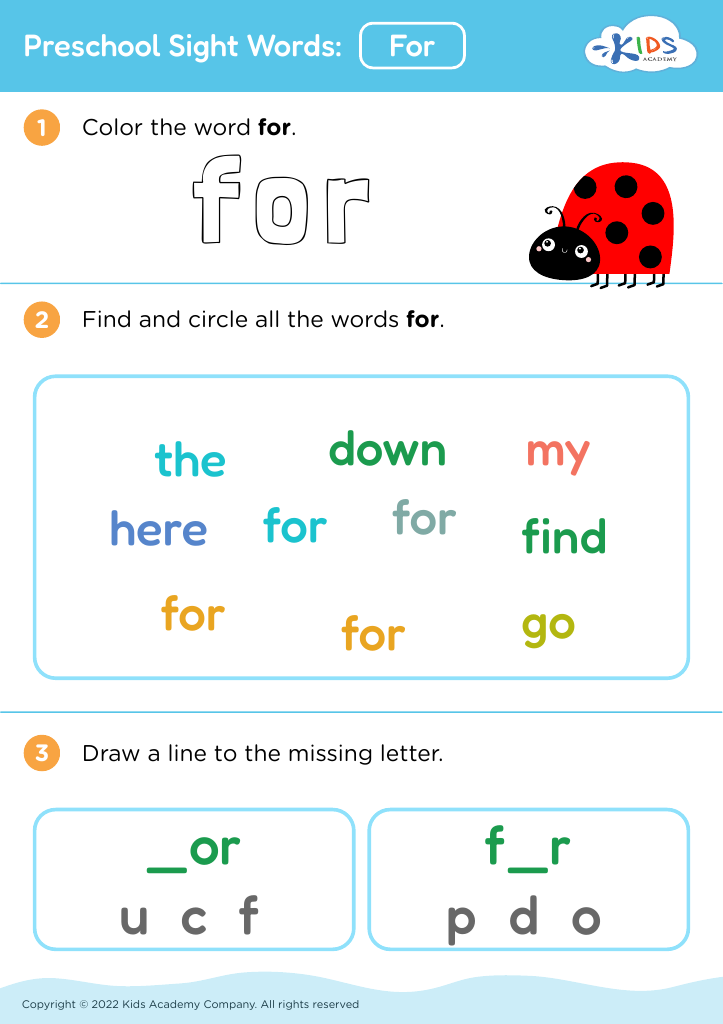
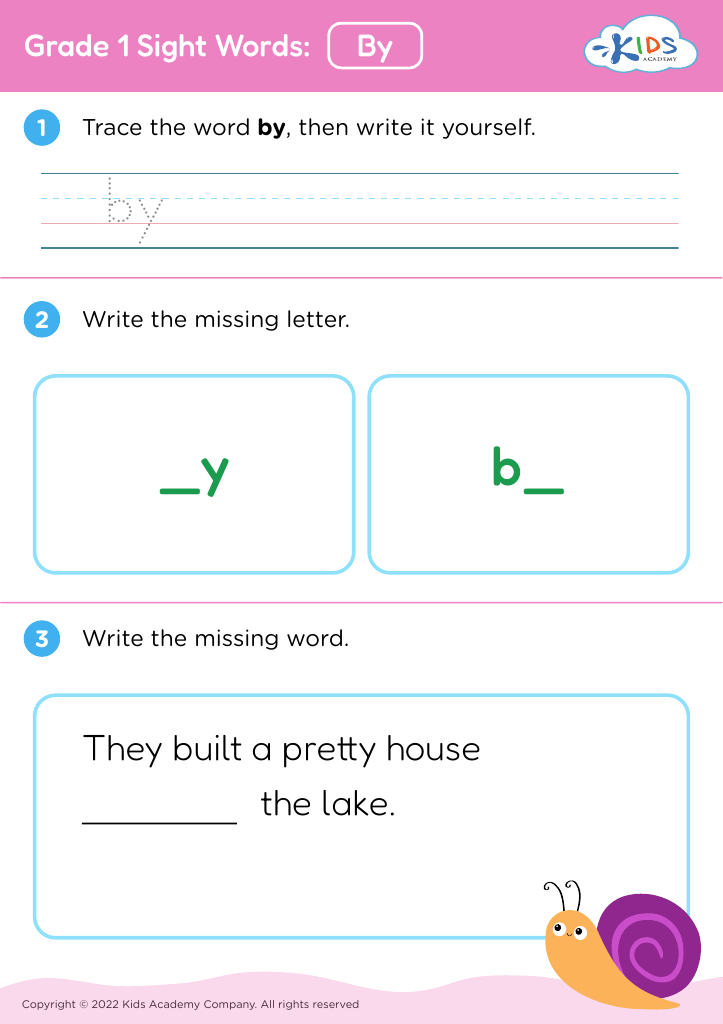
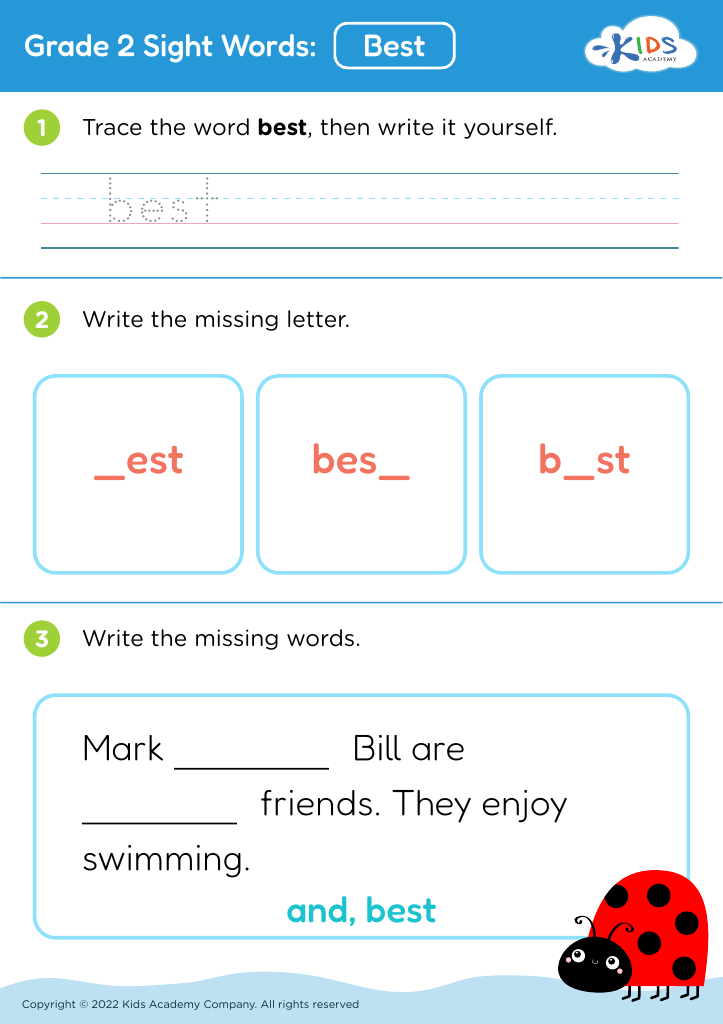
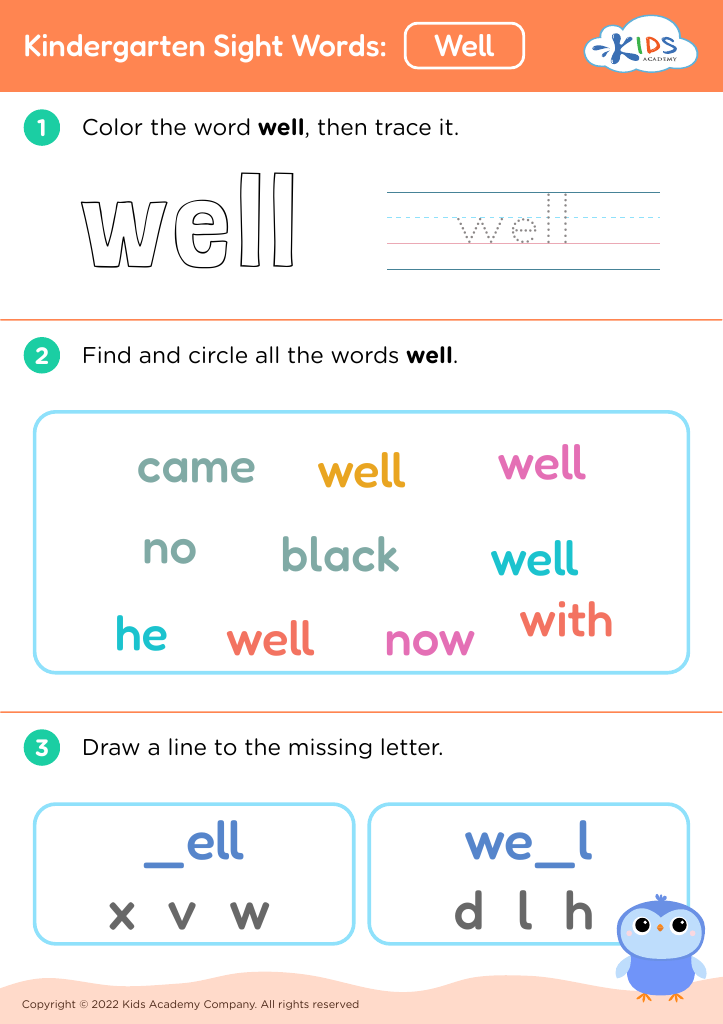
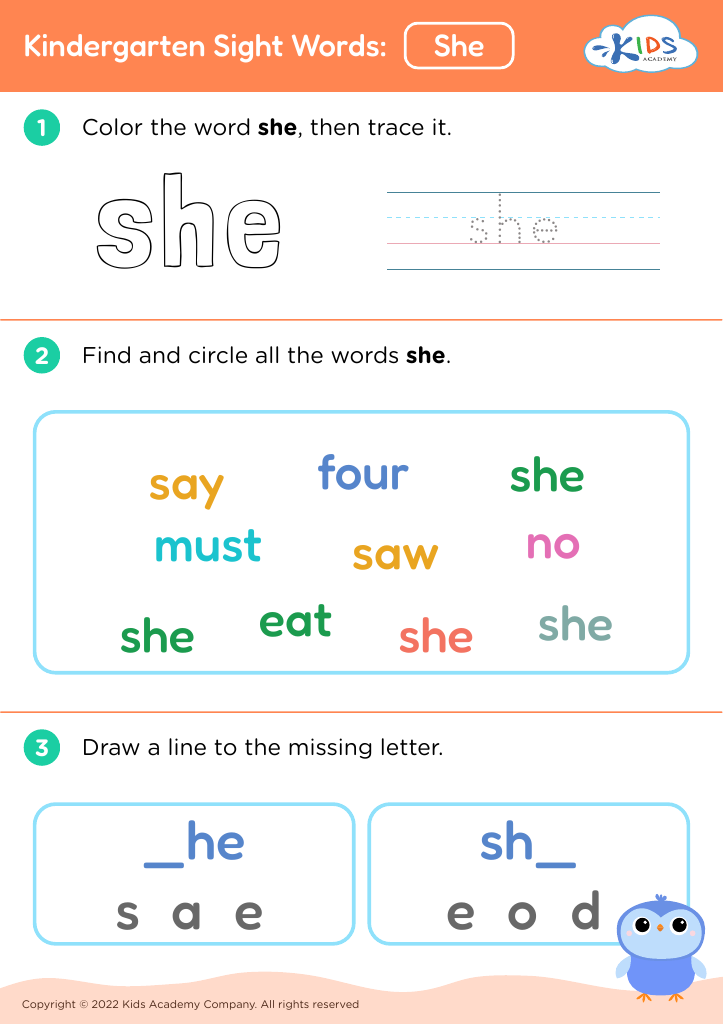








Recognizing shapes and building vocabulary in children aged 3-7 are foundational skills that significantly impact their cognitive and academic development. Shapes are more than just forms; they are the building blocks of understanding geometry, spatial relations, and even physics. By focusing on shape recognition, children enhances their problem-solving skills, ability to recognize patterns, and understanding of the spatial relations between objectsThis visual awareness is crucial for reading, writing, and more complex mathematical concepts.
Simultaneously, vocabulary development at an early age lays the groundwork for effective communication and literacy. A robust vocabulary not only enables children to express themselves clearly but also aids in understanding instructions and concepts. Engaging children in conversations, reading books, and exploring new words enriches their language skills. This enriched vocabulary is crucial for reading comprehension and writing proficiency, which are essential for future academic success.
Integrated learning of shapes and vocabulary can be especially powerful. For instance, discussing the attributes of shapes helps deepen children's descriptive language skills. A child learns to say a "triangle has three sides" rather than just identifying it as a "triangle." Thus, recognizing shapes and building vocabulary are interconnected elements that empower children to better understand the world around them and succeed in their academic journey.








