Attention to Detail Reading Worksheets for Ages 3-7
6 filtered results
-
From - To
Boost your child's reading skills with our "Attention to Detail Reading Worksheets for Ages 3-7." These engaging and meticulously crafted worksheets are designed to enhance young learners' focus and precision. By exploring fun stories, matching activities, and identifying differences, children develop critical attention to detail, essential for reading proficiency. With colorful illustrations and age-appropriate content, these worksheets foster a love for reading while honing observation skills. Ideal for both classroom settings and homeschool environments, our resources provide an enjoyable way for kids to build foundational skills. Encourage your child's journey toward reading excellence with our attention-grabbing worksheets today!
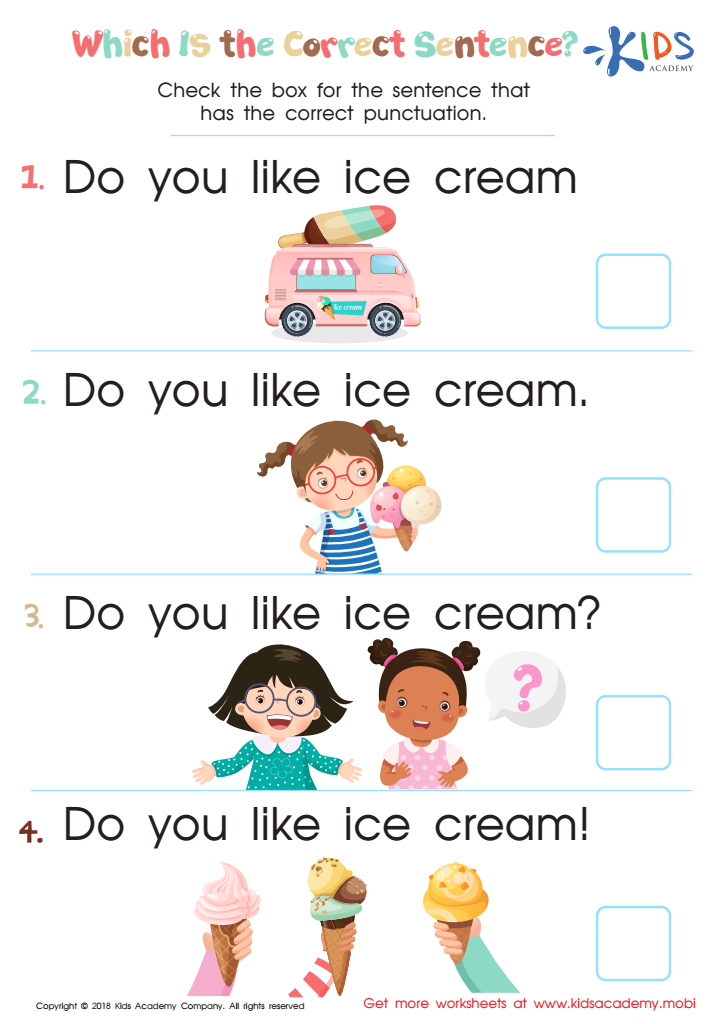
Which is the Correct Sentence? Worksheet
 Assign to My Students
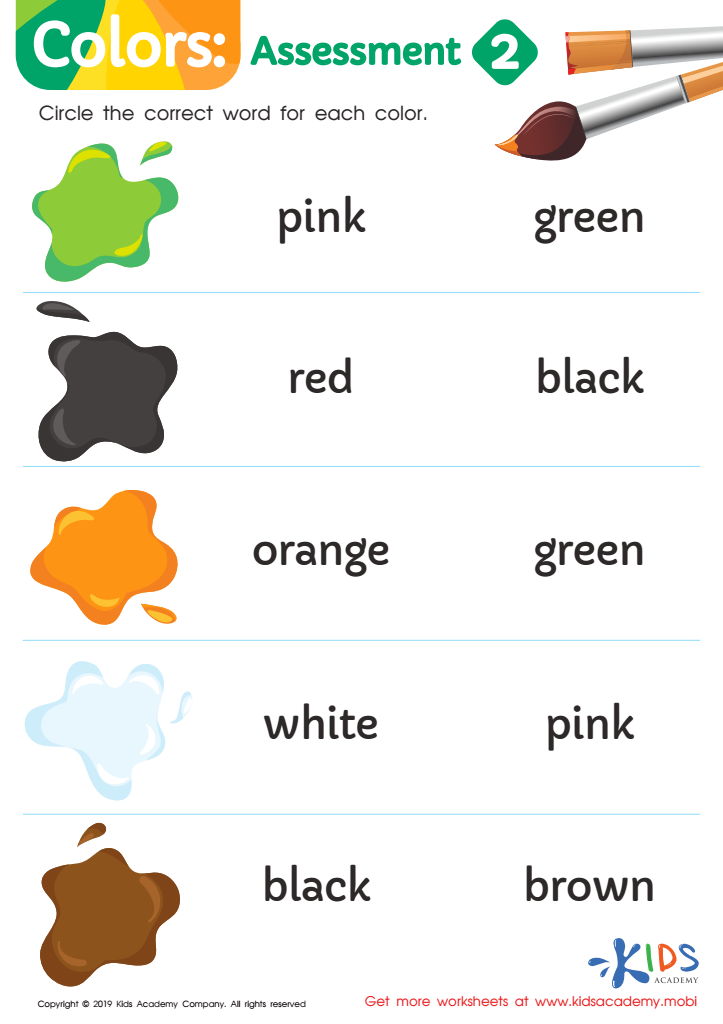
Colors: Assessment 2 Worksheet
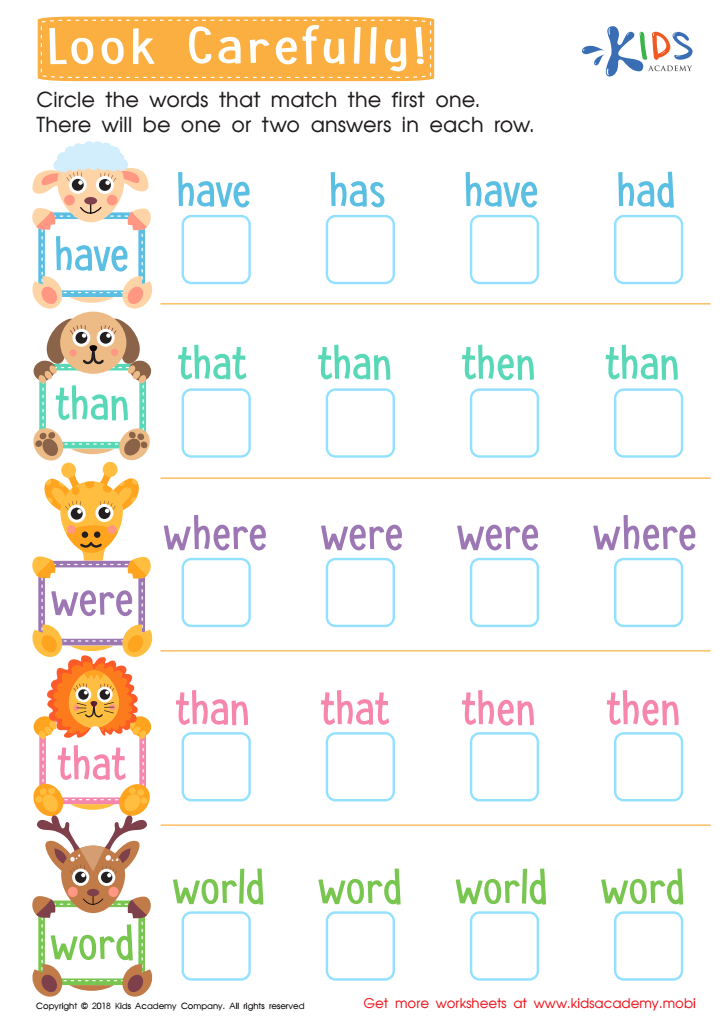
Look Carefully Worksheet
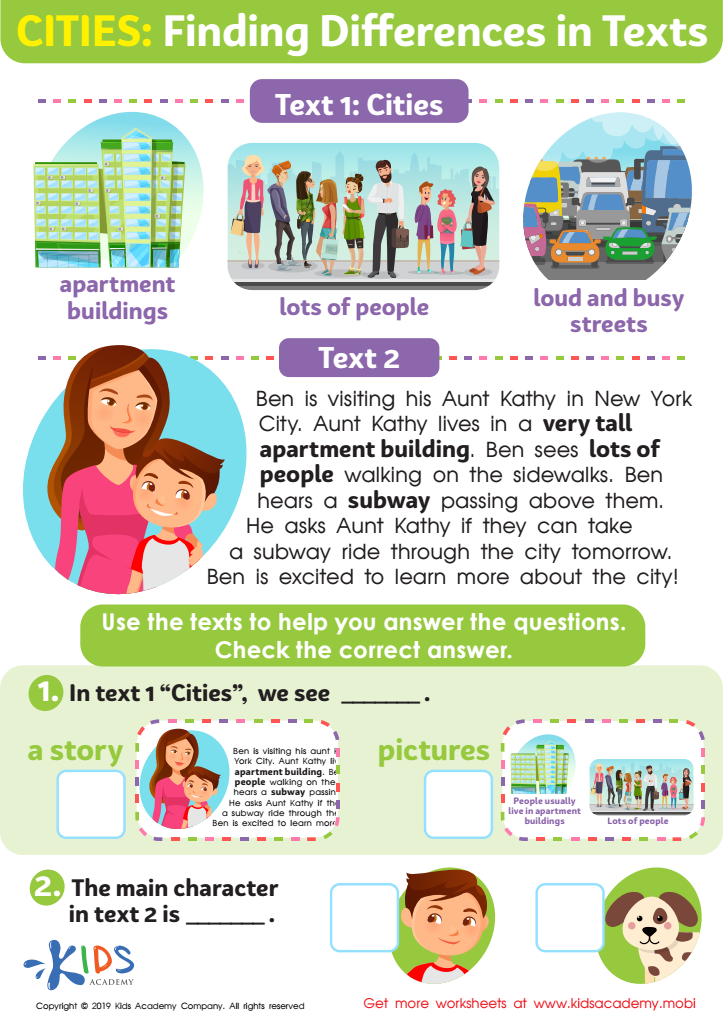
Cities: Finding Differences Worksheet
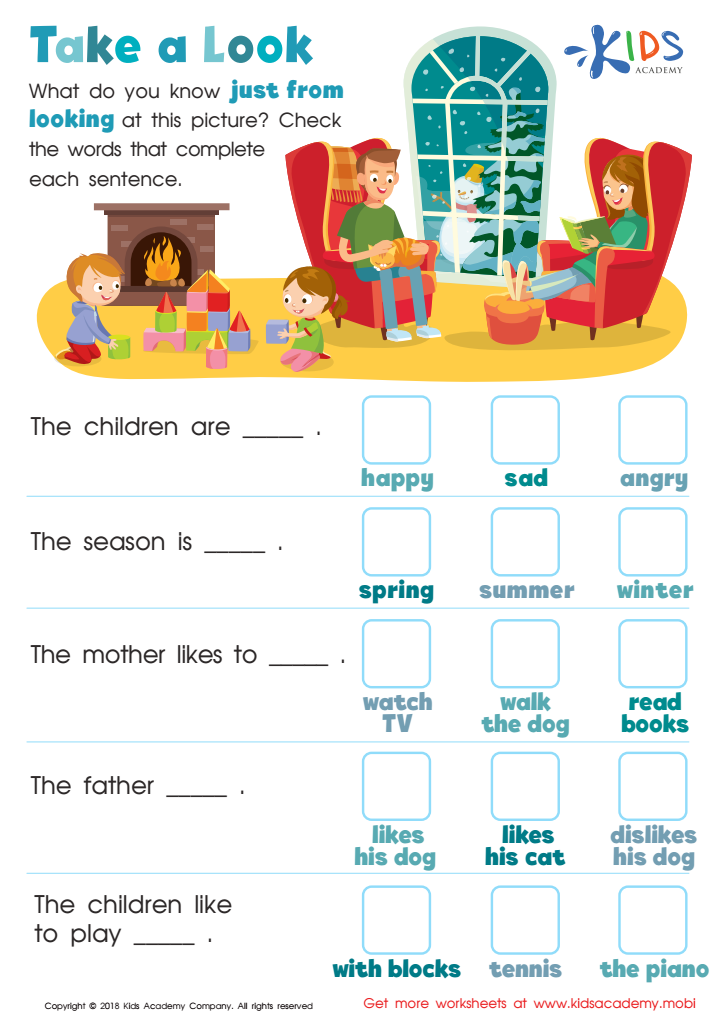
Take a Look - Part 1 Worksheet
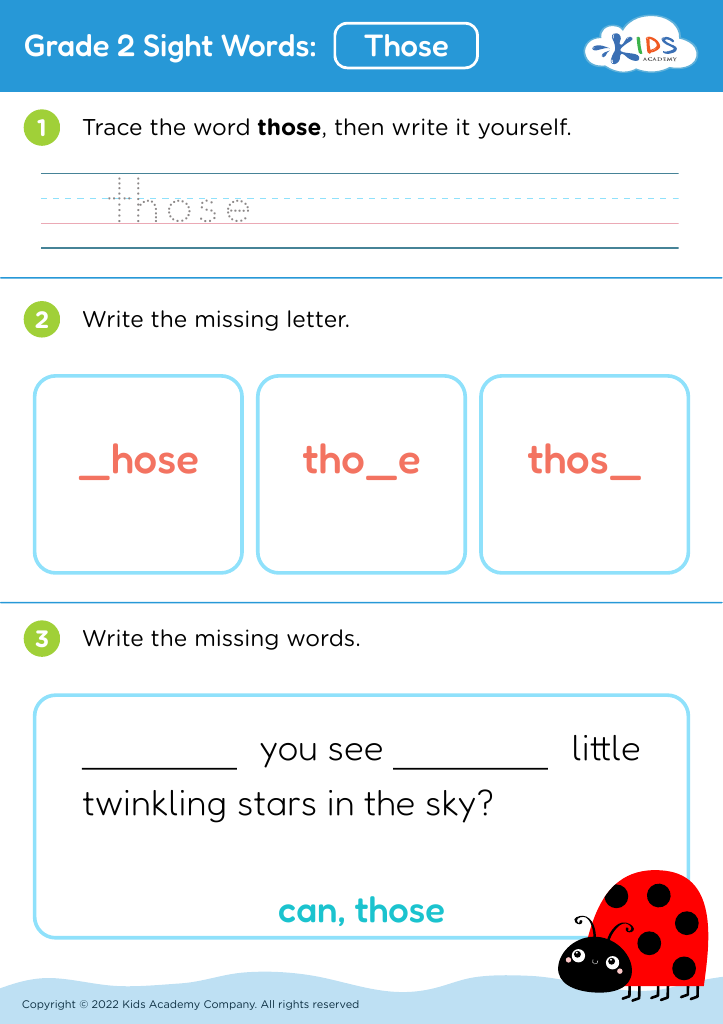




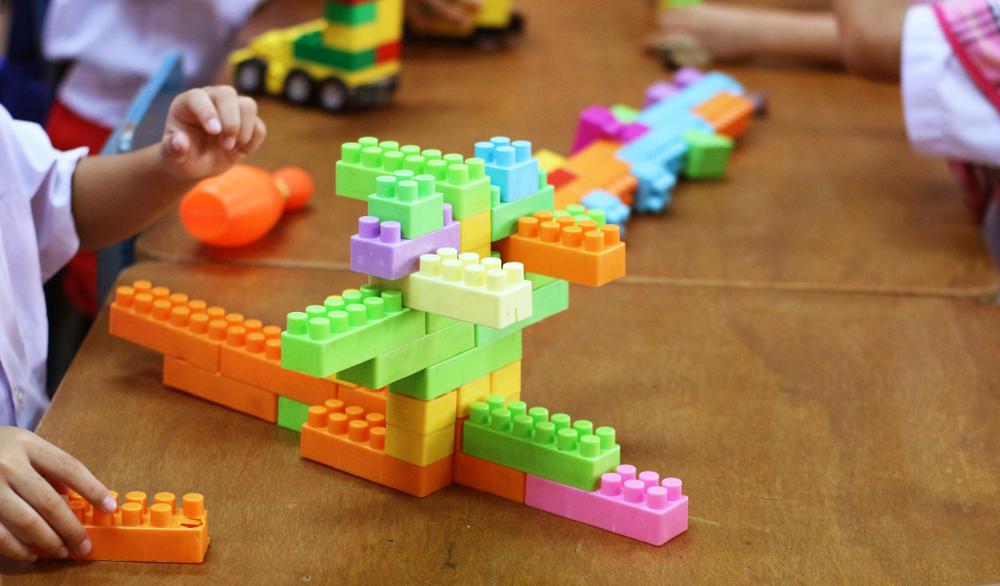



Attention to Detail Reading is crucial for children aged 3-7 as it lays the foundation for strong literacy skills and overall cognitive development. During these early years, children's brains are rapidly growing and forming critical connections. By focusing on detail-oriented reading, children learn to recognize letters, sounds, and words more accurately, which is essential for developing reading proficiency.
For parents and teachers, fostering attention to detail in reading helps children improve their comprehension and ability to follow complex instructions. It encourages careful observation, which translates into better problem-solving skills and increased academic success in the future. When children learn to pay attention to the nuances in stories—like subtle changes in plots or character emotions—they enhance their empathy and critical thinking abilities.
Furthermore, attention to detail instills a sense of diligence and persistence, qualities that are valuable not just in academics, but in day-to-day activities. It also boosts confidence as children become more competent readers.
Incorporating detail-focused activities, such as asking questions about the story or pointing out specific features in the illustrations, engages young readers and promotes a deeper connection with the material, making reading a more enriching and enjoyable experience for them. In summary, attention to detail in reading is a pivotal aspect of early childhood education, offering long-term benefits that extend well beyond literacy alone.








